

The divergence between American and European food safety regulations often yields fascinating and sometimes alarming contrasts concerning products readily available in one jurisdiction but strictly prohibited in the other. While the US system generally operates on a principle requiring regulators to prove harm before banning a substance, the European Union employs the Precautionary Principle, restricting ingredients or processes if substantial scientific uncertainty suggests potential risk, particularly regarding long-term human health or environmental impact. This philosophical difference means that many common pantry staples and kitchen products found on US shelves are deemed unfit for consumption or use under the stringent standards governing the 27 EU member states, highlighting a significant transatlantic divide in regulatory assessment and consumer protection priorities that impacts everything from bread texture to soda coloring.
Potassium Bromate: The Dough Conditioner Too Risky for Brussels

Potassium Bromate is a powerful oxidizing agent widely used in US baking to strengthen dough, allowing for higher rising and finer texture in commercial bread production. Classified in the United States as generally recognized as safe when used correctly, the concern arises because bromate residuals may remain if the baking process is not completed properly, raising potential health issues. The European Union, however, has taken a definitive stance against its use, prohibiting Potassium Bromate since 1990 after studies indicated it was potentially carcinogenic in high concentrations, particularly linked to kidney and thyroid tumors in animal models. The EU’s adherence to the Precautionary Principle dictates that any ingredient with suspected genotoxic or carcinogenic properties, regardless of the perceived low residual risk in the final product, must be removed from the food supply chain, necessitating that imported baked goods adhere to this strict elimination standard to ensure market access.
Azodicarbonamide: The Controversial Bread Enhancer
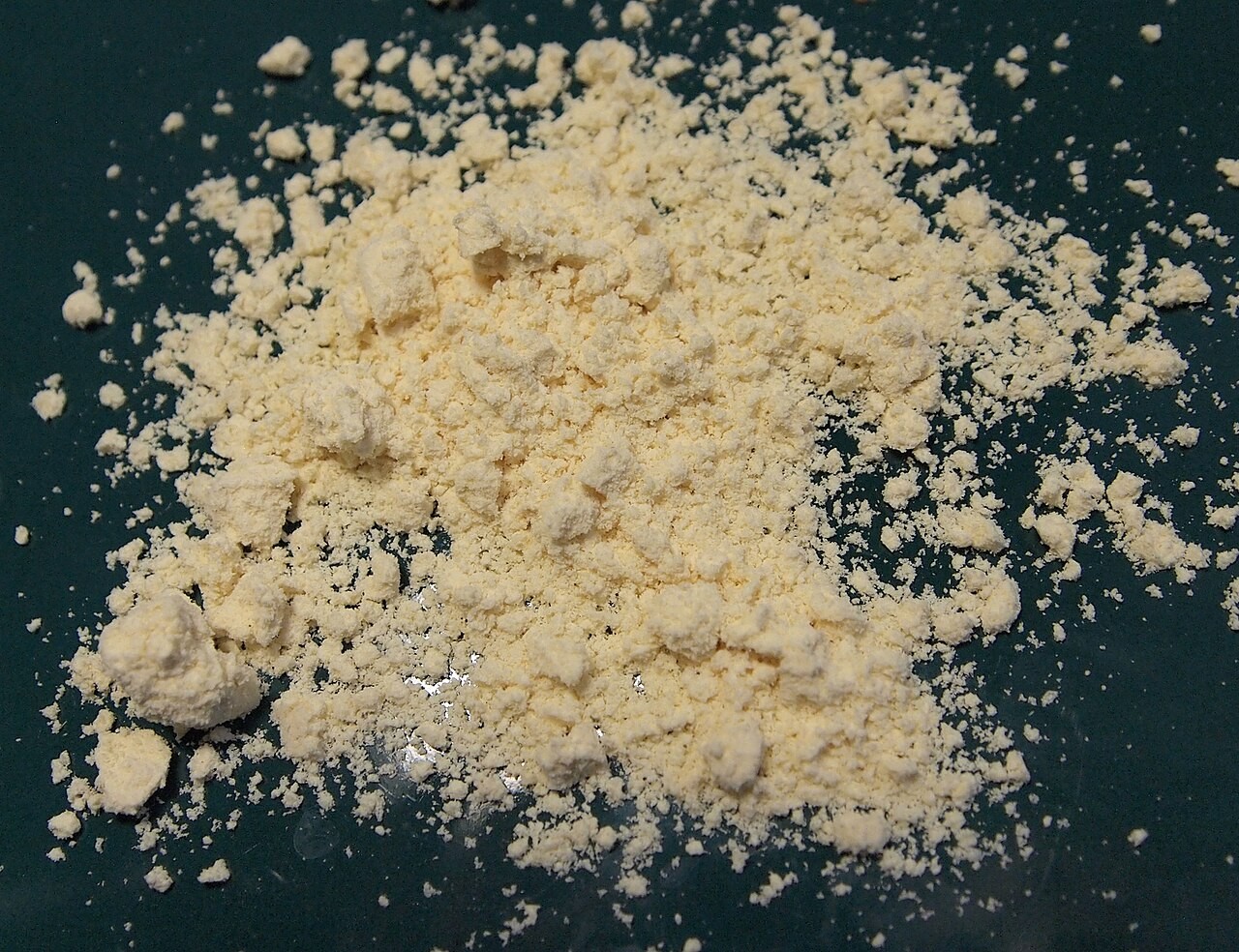
Azodicarbonamide, frequently abbreviated as ADA, serves dual purposes in US food manufacturing: it functions as a flour bleaching agent and a dough conditioner, yielding improved elasticity and texture in commercial breads, buns, and pizza crusts. While known colloquially for its use as a foaming agent in materials like yoga mats and shoe soles, the primary food safety concern revolves around the breakdown products generated when ADA is heated, specifically semicarbazide (SEM) and biurea. The EU regulatory framework deemed the presence of SEM, which has shown some evidence of carcinogenicity in extremely high doses in mice, an unacceptable risk to human health, prompting a comprehensive ban on Azodicarbonamide’s use as a flour treatment agent across all member states since 2005. This prohibition underscores the EU’s systematic approach to eliminating unnecessary chemical additives where safer, natural alternatives are available for achieving desirable bread characteristics.
Chlorine-Washed Poultry: Hygiene Standards Clash Across the Atlantic
The processing technique of rinsing poultry carcasses with antimicrobial solutions, such as acidified sodium chlorite or chlorine dioxide baths, is a standard hygiene measure in the US meat industry, primarily aimed at reducing bacterial contamination, including Salmonella and Campylobacter, immediately before packaging. While the US Food and Drug Administration considers this a safe and effective method, ensuring high volumes of product can be processed rapidly, the practice is effectively banned for poultry imports into the European Union. The EU maintains that hygiene standards must be met earlier in the production chain through improved farming practices, feed control, and meticulous slaughterhouse sanitation, rather than relying on chemical decontamination at the final stage. This ban is fundamentally about animal welfare and process integrity, reflecting a preference for systemic control over end-of-pipe chemical treatments, forcing US exporters to adopt EU-compliant, chlorine-free processing methods for the European market.
Genetically Modified Foods (GMOs): Strict Labeling and Import Barriers

While not subject to a complete ban in the purest sense, many Genetically Modified Organisms (GMOs) commonly found in US kitchens, such as certain varieties of corn, soy, and canola oil, face such stringent and complex authorization and labeling requirements in the European Union that they are functionally prohibited from large-scale, general import and cultivation. The EU employs a case-by-case approval system which is notoriously slow and requires extensive long-term health and environmental risk assessment data that is often insufficient or rejected. Furthermore, even if approved, any food ingredient derived from a GMO must be labeled as such if the GM content exceeds a 0.9% threshold, a requirement absent in the US system for highly refined products like oils. This regulatory climate is driven by strong consumer skepticism and a precautionary principle focused on maintaining conventional agricultural biodiversity and consumer right-to-know, restricting the free flow of many highly engineered US crops.
Brominated Vegetable Oil (BVO): Stabilizing Sodas with Industrial Chemicals
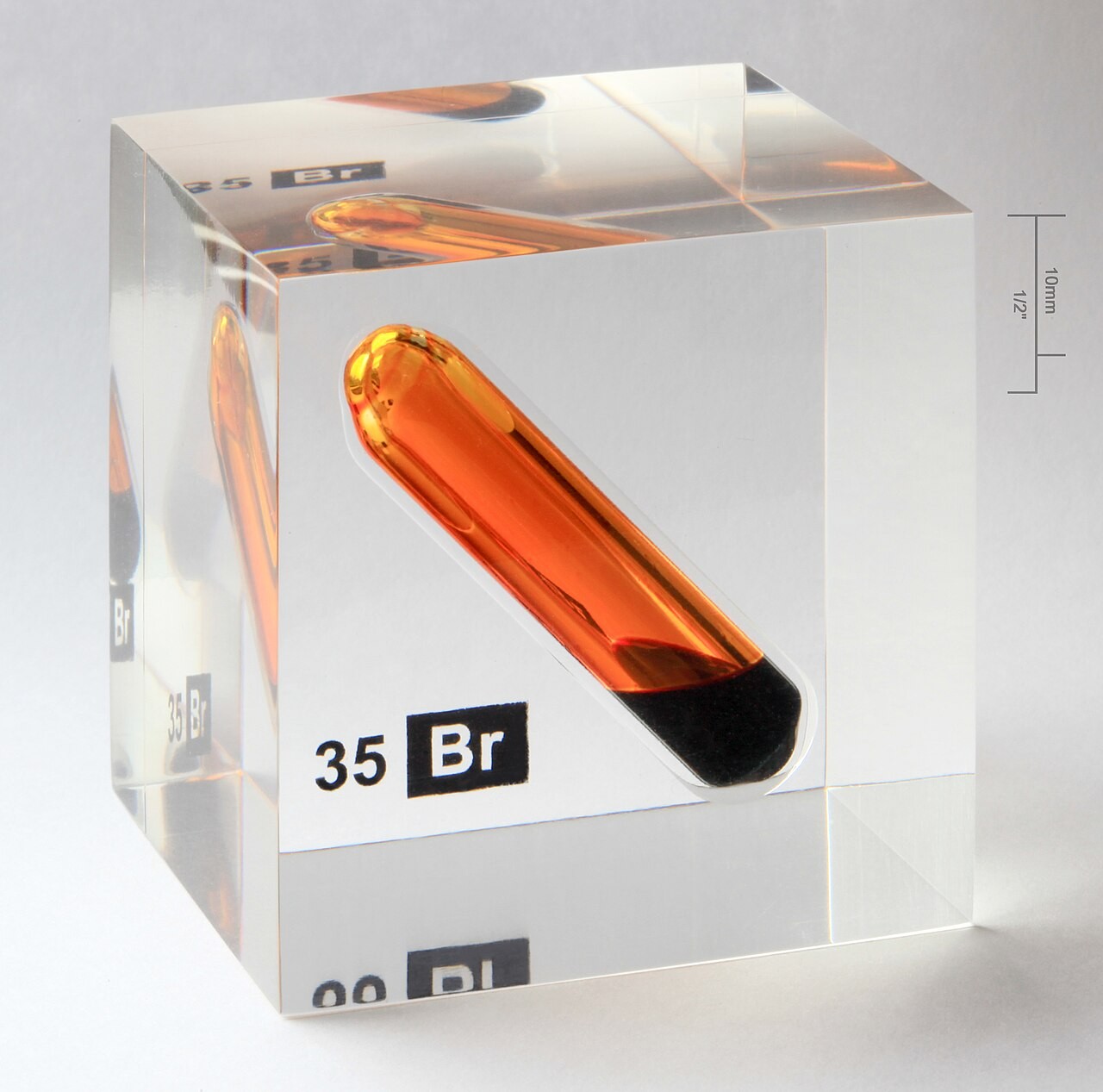
Brominated Vegetable Oil, or BVO, is a synthetic emulsifier derived from vegetable oil modified with bromine, commonly used in certain US citrus-flavored soft drinks and sports beverages. Its purpose is to prevent ingredients, particularly flavoring agents, from separating and floating to the surface, ensuring a uniform, appealing cloudy appearance and consistent stability throughout the product’s shelf life. However, BVO has been linked to concerns regarding the accumulation of bromine residues in human body fat, potentially leading to neurological issues, skin lesions, and behavioral problems when consumed in very high quantities. Consequently, the use of BVO as a food additive is entirely banned across the entire European Union and in Japan. This regulatory decision reflects the EU’s unwillingness to permit the use of additives that contain industrial chemical components, especially when satisfactory alternatives are available to achieve beverage stability.
Synthetic Food Dyes: Color Additives Under EU Scrutiny
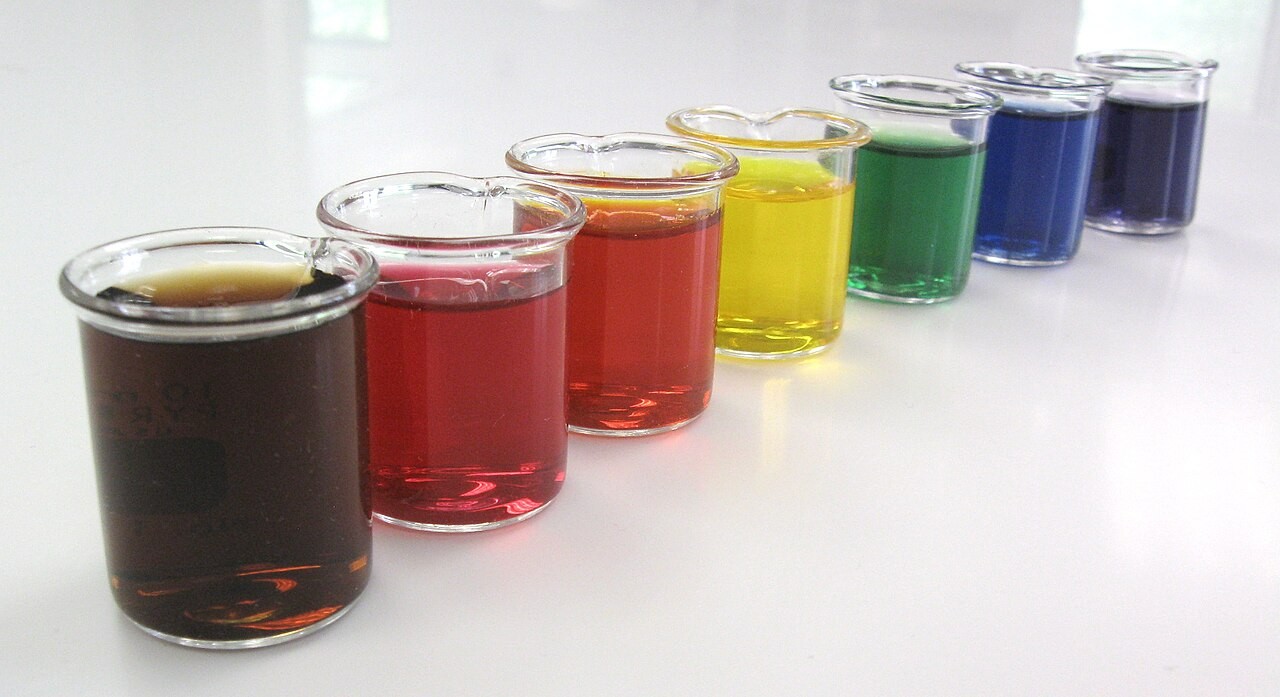
The US food industry regularly utilizes a variety of synthetic petroleum-derived food colorings, including prominent dyes like Red 40, Yellow 5 (Tartrazine), and Yellow 6 (Sunset Yellow), to enhance the visual appeal of candies, breakfast cereals, processed snacks, and beverages. In contrast, the European Union mandates specific warning labels for products containing six particular artificial colors—often referred to as the “Southampton Six”—stating that they “may have an adverse effect on activity and attention in children.” While the dyes are not entirely banned, the requirement for such severe labeling acts as a strong commercial disincentive, prompting major food manufacturers operating in Europe to switch predominantly to natural coloring agents. This regulatory approach stems from studies linking these dyes to potential hyperactivity and attention deficit issues in sensitive children, demonstrating the EU’s proactive approach to public health protection, particularly for vulnerable populations.
Growth Hormones in Beef and Dairy: The rBST Conflict
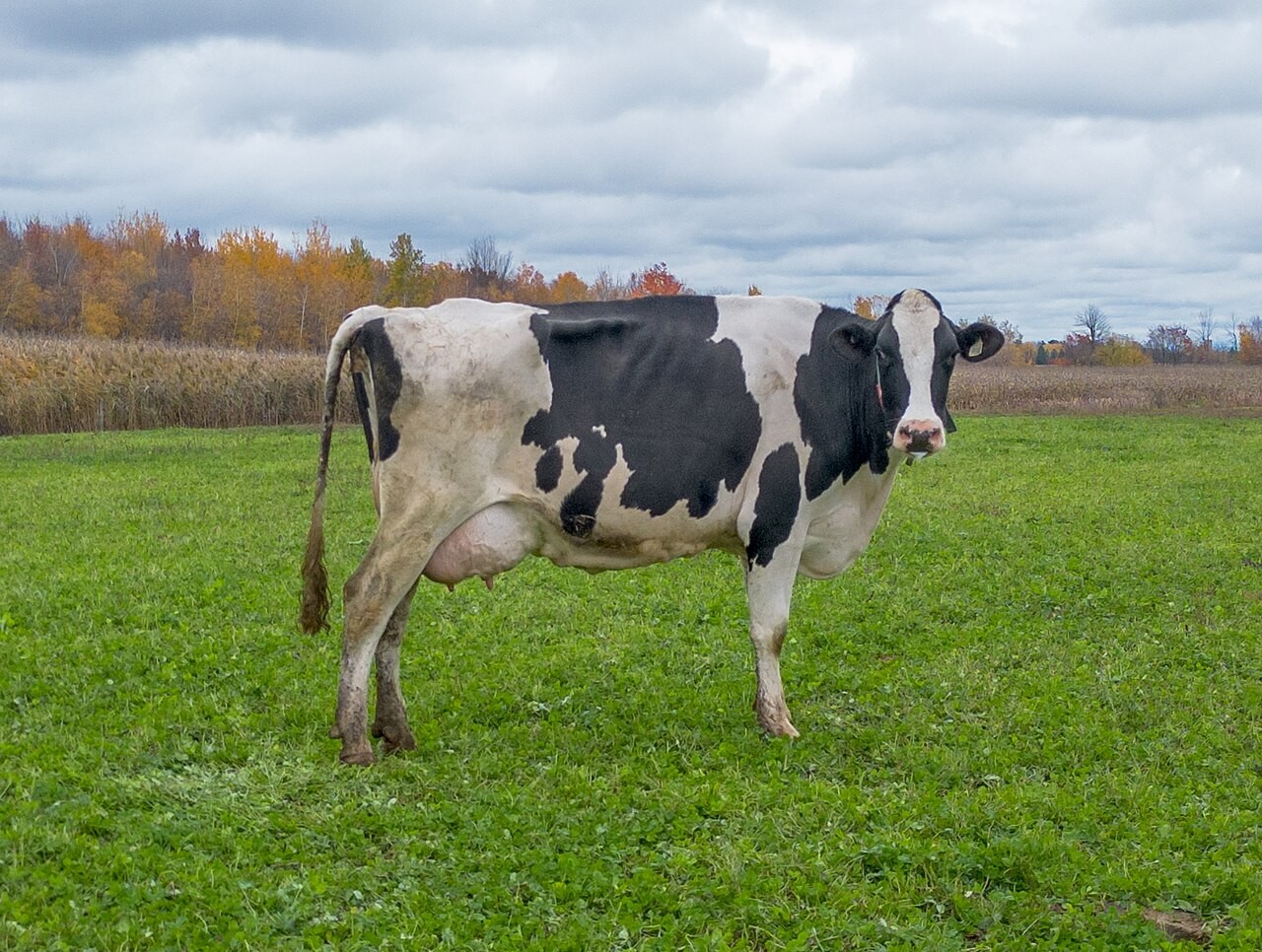
Synthetic bovine growth hormones, notably recombinant Bovine Somatotropin (rBST) or recombinant Bovine Growth Hormone (rBGH), are widely administered to US dairy cows to increase milk production efficiency and yield. The US Food and Drug Administration asserts that milk and meat from hormone-treated animals are safe for human consumption, citing extensive review. However, the use of rBST in dairy production has been banned throughout the EU since 1999. The prohibition is fundamentally driven by animal welfare concerns, as the use of rBST can increase the risk of mastitis, lameness, and reproductive issues in cows, requiring increased veterinary intervention and antibiotic use. Furthermore, EU regulators emphasize consumer preference and market access principles which prioritize natural production methods over hormone enhancement, establishing a significant trade barrier that affects most imported US beef and dairy products.
Ractopamine in Meat Production: Banned for Animal Welfare Concerns

Ractopamine is a beta-agonist drug frequently added to the feed of cattle and hogs in the United States during the finishing phase to increase muscle mass, promoting leaner meat yield and improving feed efficiency. While approved by the US FDA with strict withdrawal periods, its use is entirely banned in more than 160 countries, including all 27 members of the European Union, China, and Russia. The European ban stems primarily from concerns over animal welfare, as studies show the drug can induce adverse physical effects in livestock, including increased heart rate, stress, and behavioral changes, often rendering animals unable to stand or walk properly just prior to slaughter. Furthermore, the EU maintains that insufficient human health data exists to definitively rule out long-term effects from consuming meat containing residues of the drug, thus invoking the comprehensive prohibition based on both animal welfare and human safety precaution.
Olestra (Sucralose-Based Fat Substitute): The Digestive Detriment

Olestra, often marketed under the brand name Olean, is a synthetic fat substitute that was developed and approved for use in the US in the 1990s, notably employed in low-calorie snack foods like certain chips and crackers. Because Olestra is a sucrose polyester that cannot be broken down or absorbed by the human digestive system, it passes through the body undigested, effectively eliminating the caloric content of the fat it replaces. However, the primary adverse effect associated with Olestra consumption is its tendency to cause gastrointestinal side effects, including abdominal cramping, loose stools, and the potentially problematic interference with the body’s absorption of fat-soluble vitamins (A, D, E, and K). Due to these digestive issues and mandatory requirements for manufacturers to supplement Olestra-containing products with these vitamins, the substance never received approval and remains banned in Europe and Canada.
PFOA in Non-Stick Cookware: Precautionary Principle for Perfluorinated Compounds

While non-stick cookware is ubiquitous in modern kitchens globally, the use of perfluorooctanoic acid (PFOA) in the manufacturing process of many traditional polytetrafluoroethylene (PTFE, or Teflon) coatings became a major regulatory point of divergence. PFOA is a perfluorinated compound (PFAS) classified as a “forever chemical,” known for its extreme persistence in the environment and the human body, with documented concerns regarding endocrine disruption and toxicity. Although PFOA has been voluntarily phased out by US manufacturers, the EU was quicker and more comprehensive in implementing widespread, restrictive legislation regarding the entire family of PFAS compounds, often demanding lower trace impurity limits and a faster transition away from any manufacturing process that historically relied upon them. The EU’s strict stance reflects a robust commitment to eliminating persistent environmental pollutants from consumer products, placing higher restrictions on the composition and importation of certain cooking surfaces.
Leave a Reply