
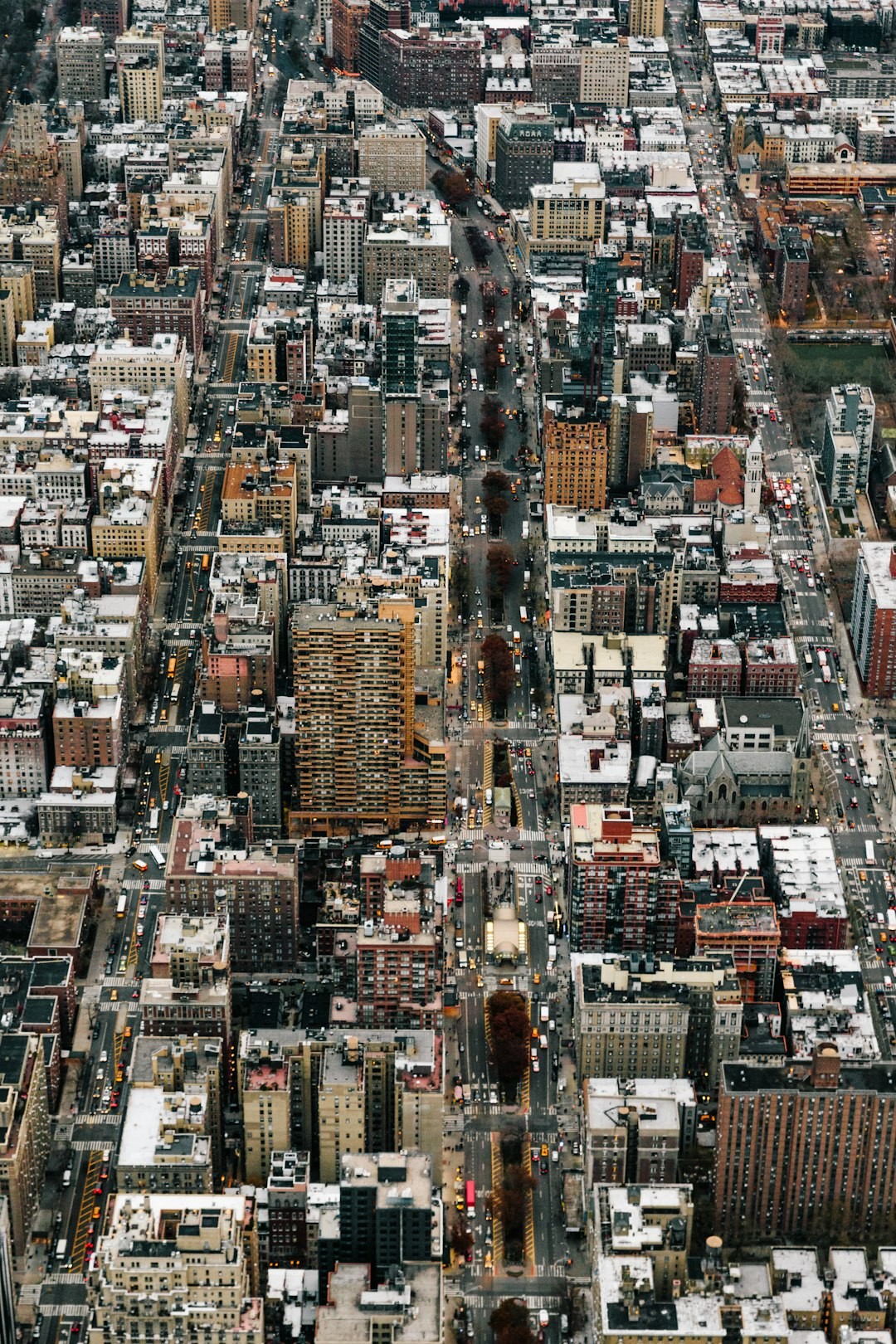
The dream of homeownership can turn into a nightmare when developers abandon projects, leaving behind half-built communities and shattered dreams. These ghost subdivisions stand as silent testaments to economic downturns and speculative overreach.
Crystal River, Florida
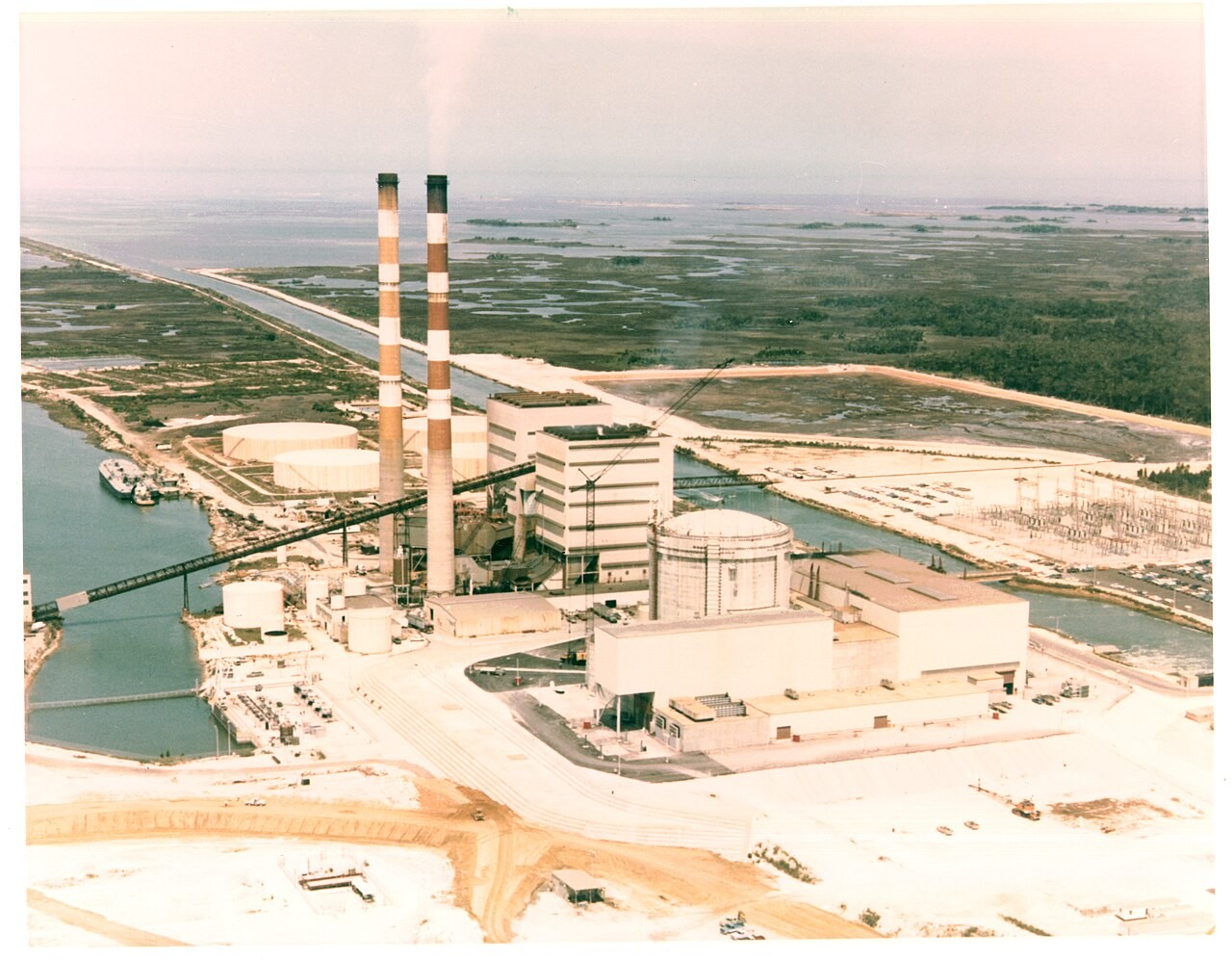
The boom and bust cycle of the early 2000s left its mark on many a coastal community, and Crystal River, Florida, was no exception. Developers once envisioned a thriving neighborhood, complete with homes and amenities, but the economic downturn of 2008 halted all progress. Today, streets designed for bustling family life remain eerily quiet, lined with overgrown lots where houses were meant to stand. The infrastructure is in place—roads, curbs, and utilities—but the homes themselves are absent, a ghost of a community that never fully materialized.
Bella Vista, Arkansas
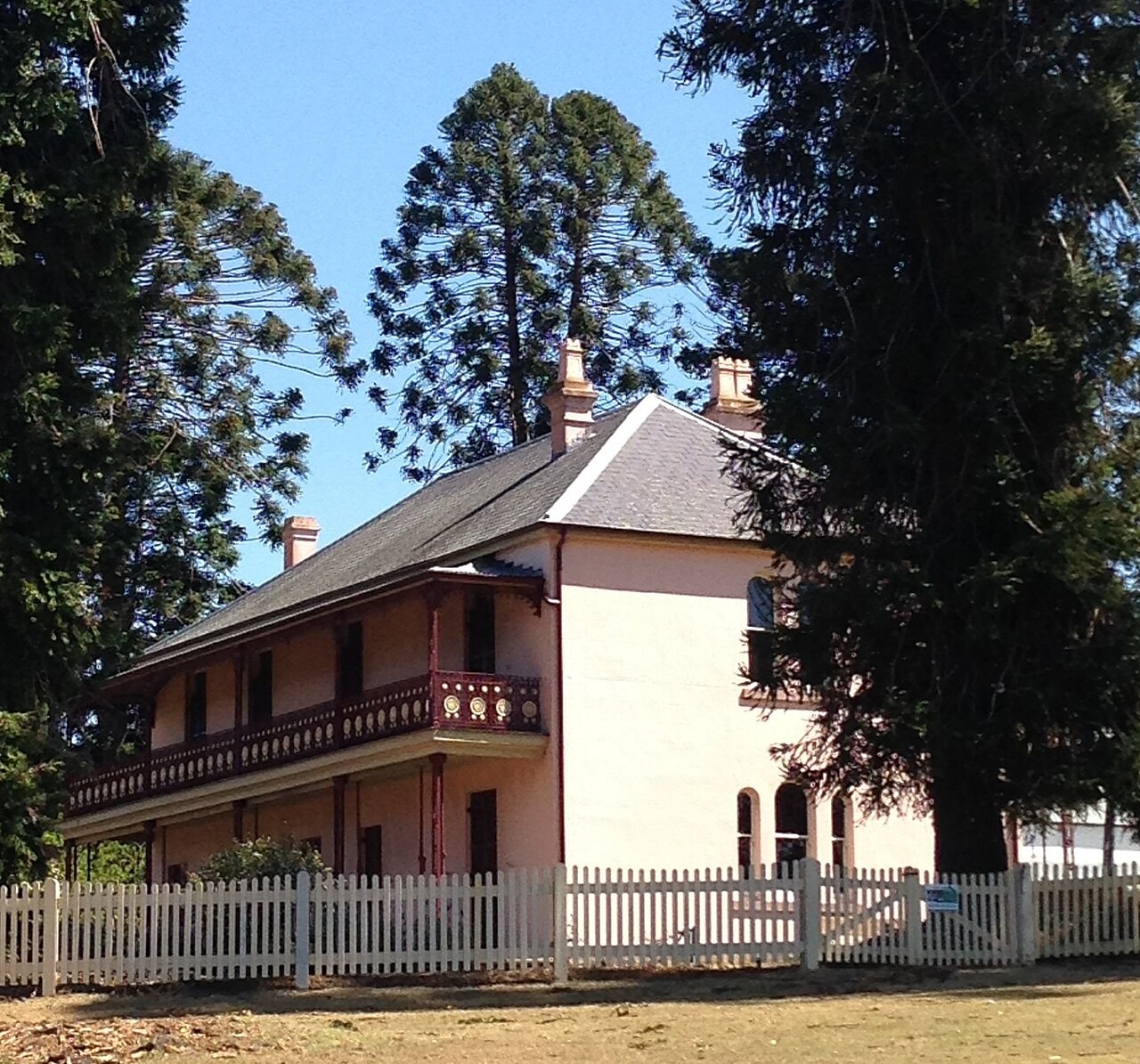
Bella Vista, Arkansas, a planned community in the Ozarks, has seen its share of ambitious developments. However, not all of these grand visions came to fruition. In some sections of Bella Vista, the signs of incomplete development are evident, with roads and infrastructure laid out but the homes that were meant to fill the lots never built. This can be attributed to various factors, including market shifts and developers facing financial difficulties. The result is a landscape of potential unfulfilled, where nature is gradually reclaiming the land that was once intended for suburban living.
Palm Coast, Florida
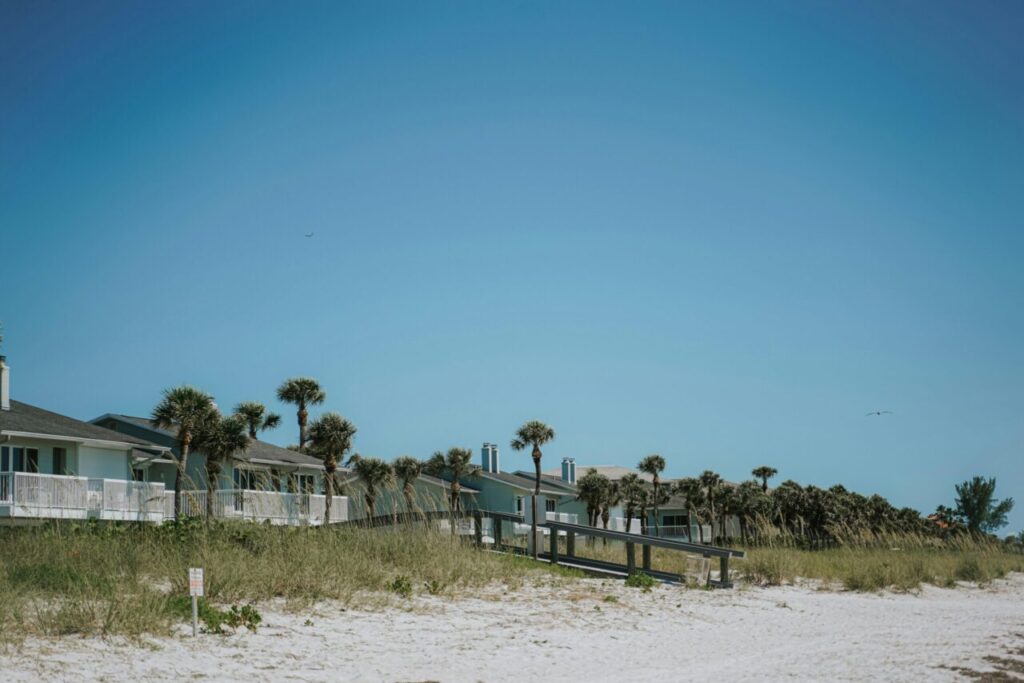
Palm Coast, Florida, a city known for its planned community design, also has areas where development stalled. While many neighborhoods thrive, others remain as echoes of past ambitions. The Woodlands, one of Palm Coast’s earlier neighborhoods, dates back to the 1970s and 80s, but even within more established areas, signs of unfinished projects can be found. Developers, sometimes facing foreclosures or financial setbacks, have been known to walk away, leaving behind streets that lead to nowhere and lots that lie fallow. The city’s code enforcement even has a registry for abandoned properties, highlighting the ongoing issue.
Lake Jovita, Florida
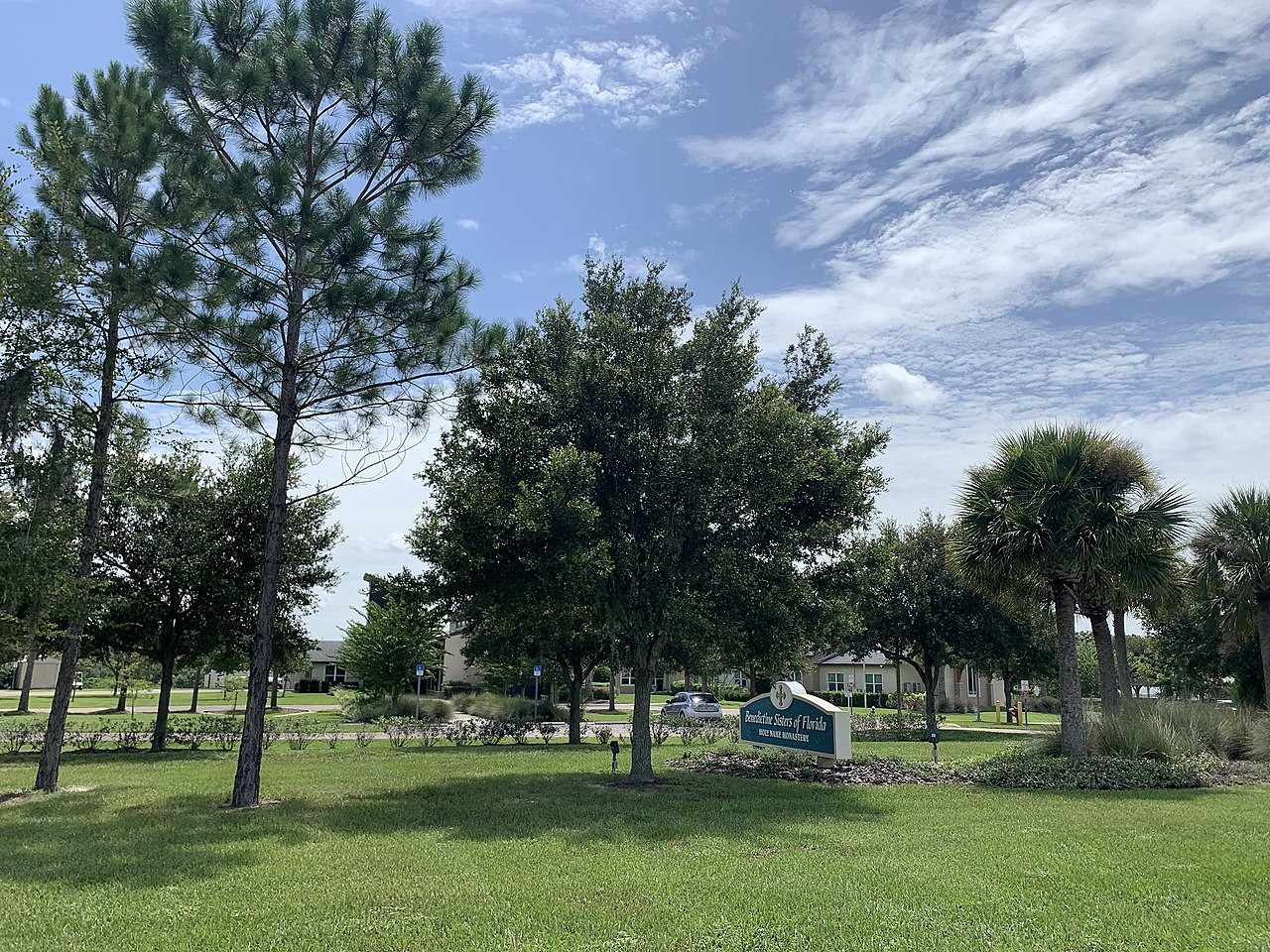
Lake Jovita, a master-planned community in Dade City, Florida, once promised luxury golf and country club living. While the community is largely established and offers many amenities, some sections have experienced development stalls. The initial vision for Lake Jovita encompassed a vast 1,054 acres, with an emphasis on rolling hills and pristine lakes. However, market fluctuations and development challenges can lead to unfinished areas within even prestigious communities. These pockets of stalled development serve as a reminder of the inherent risks in large-scale real estate projects.
Port Charlotte, Florida
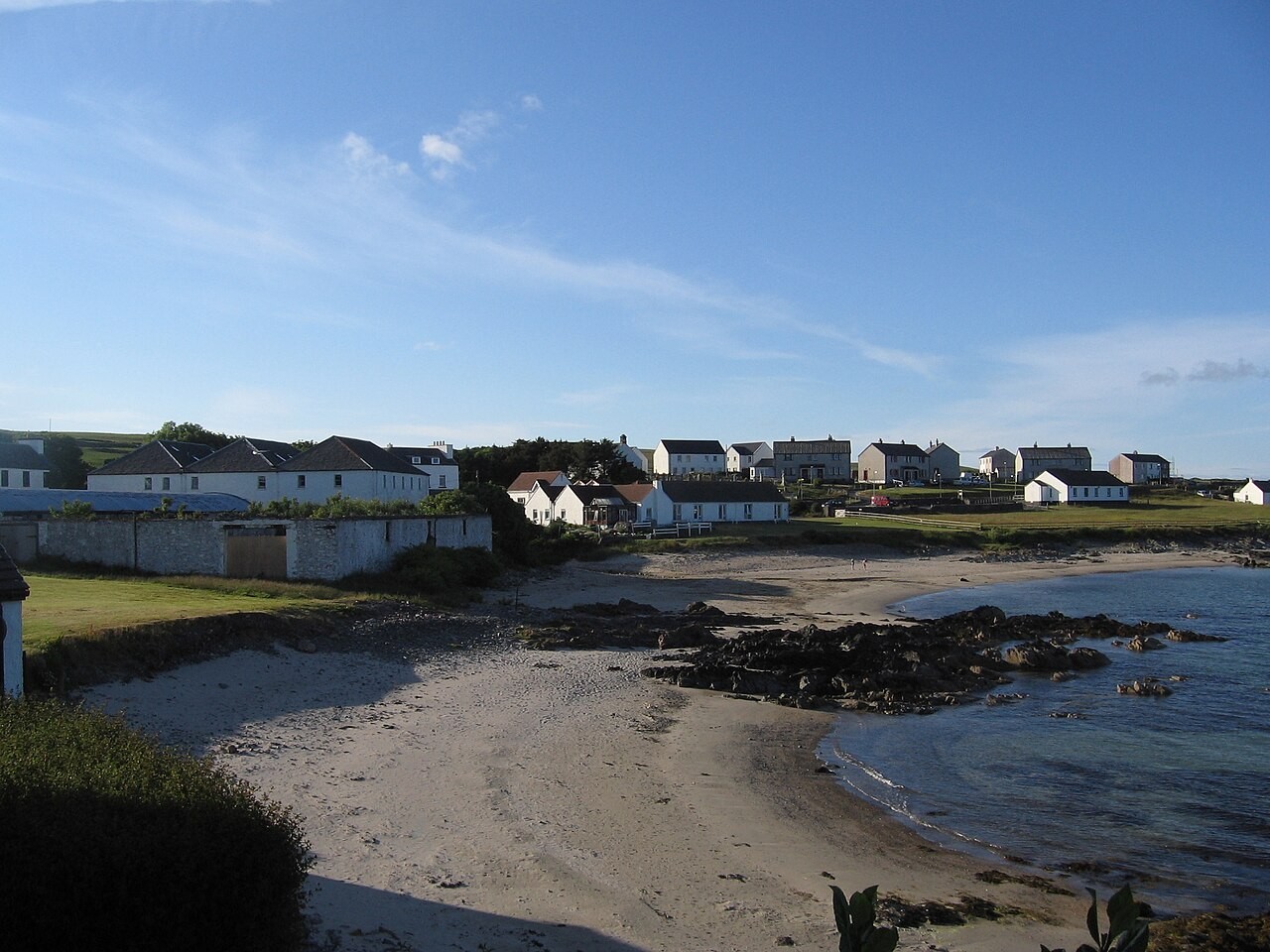
Port Charlotte, Florida, has been a focal point for unfinished construction sites, with entire neighborhoods seemingly abandoned mid-build. Videos have surfaced showing rows of duplexes and single-family homes, some with clear signs of neglect like overgrown grass and moldy shingles, left in a state of disrepair. These developments, often located on the outskirts of the city, represent a significant investment that never yielded the intended results, leaving behind a somber tableau of unrealized housing dreams and contributing to the area’s reputation for distressed properties.
St. Augustine, Florida
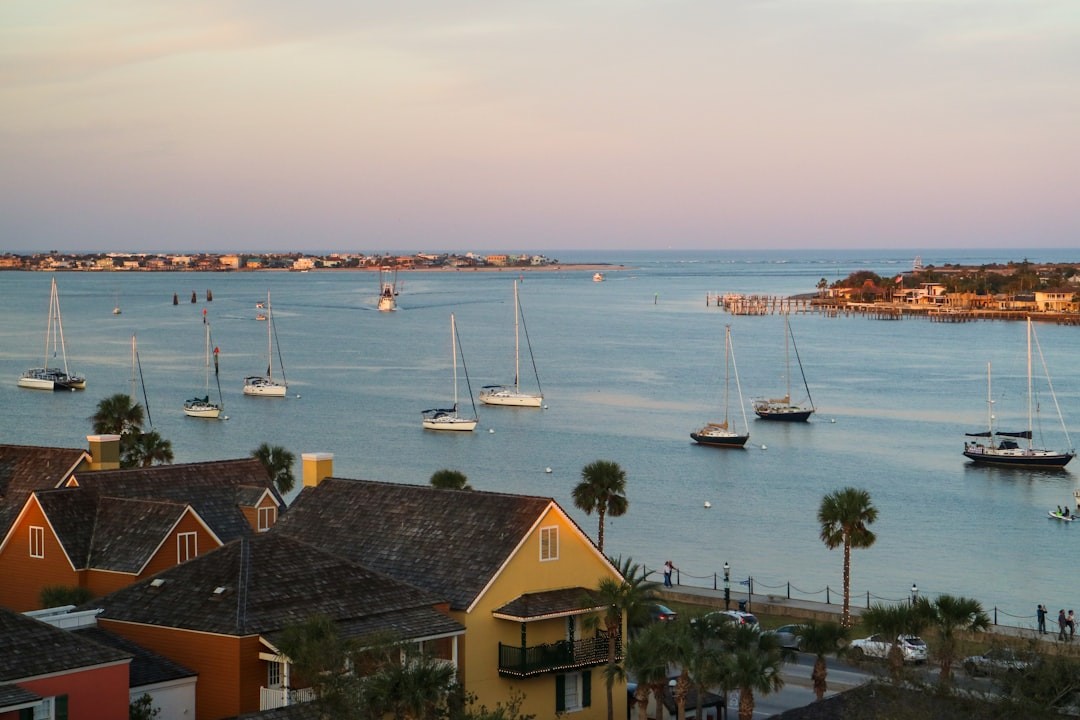
The historic city of St. Augustine, Florida, has faced challenges with abandoned properties, particularly in areas like the Lincolnville district. While not all are subdivisions in the traditional sense, these vacant structures and unfinished lots represent a similar abandonment by their developers or owners. These properties, sometimes used as drug dens or posing safety hazards, have been a concern for local residents, lowering property values and creating blight. The city has grappled with how to address these abandoned homes, with factors like historic designations making redevelopment complex.
Calumet City, Illinois
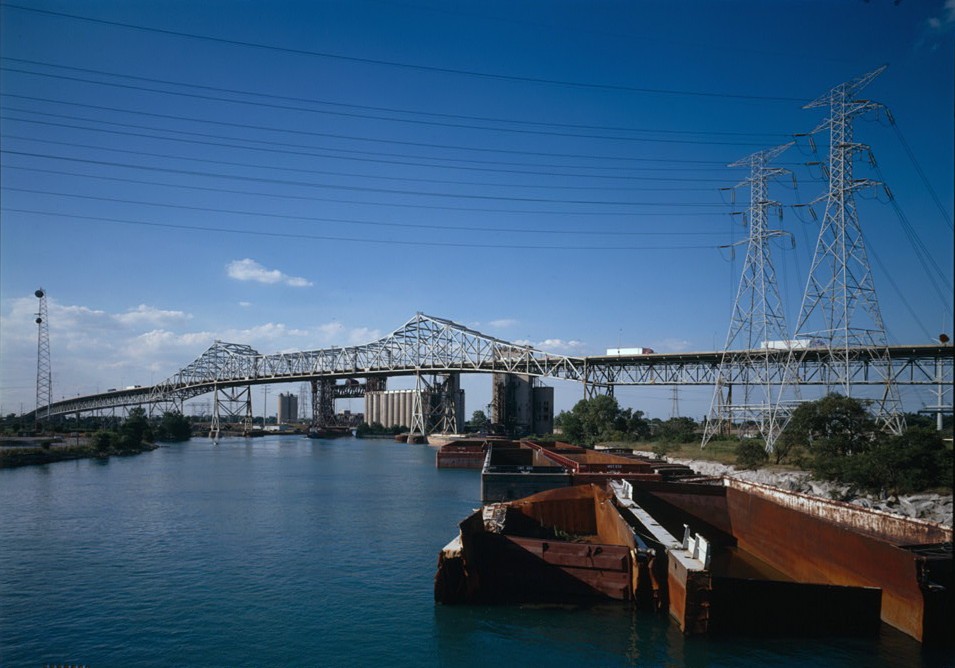
Calumet City, Illinois, like many municipalities, has grappled with a significant number of abandoned properties, including entire subdivisions that never reached completion. The city is actively working to acquire tax-delinquent and abandoned residential properties, aiming to convey them to developers who can provide affordable housing. Areas like Cryers and Forestdale Park are noted as single-family home communities where homes are no longer for sale. The city’s efforts to redevelop these stalled projects highlight the persistent issue of developers walking away from commitments.
Port St. Lucie, Florida
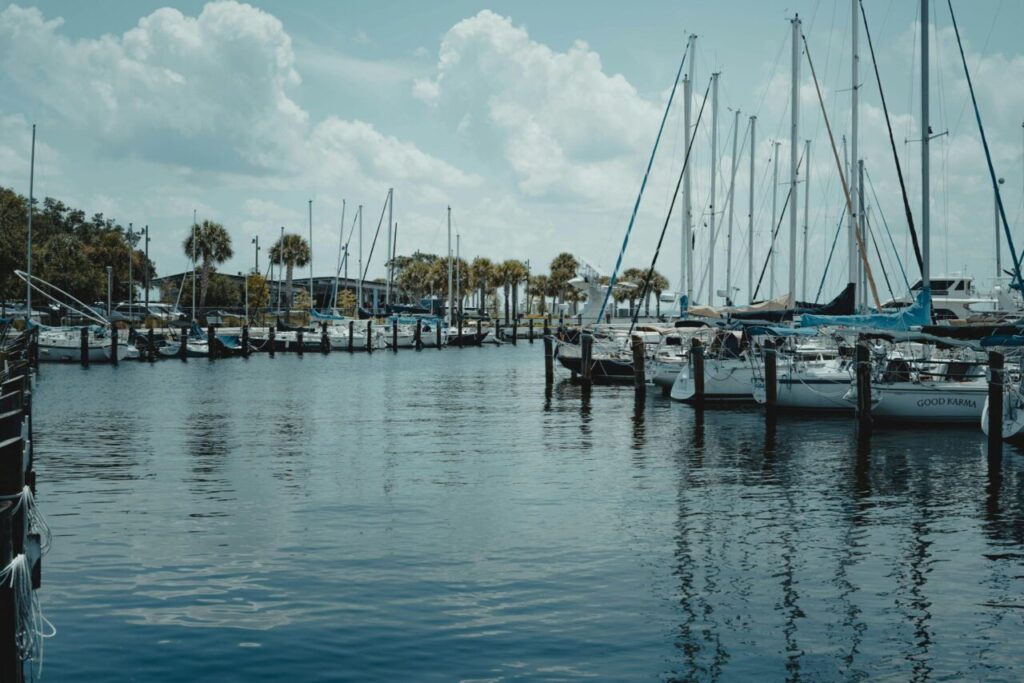
Port St. Lucie, Florida, has seen instances where developers have abandoned projects, leaving behind unfinished homes and vacant lots. The city’s online services include a portal for abandoned property registration, indicating a recognized problem with properties left untended due to foreclosure or other ownership transfers. These abandoned or vacant properties negatively impact the community, causing blight and deterioration. The scale of this issue can range from individual homes to larger sections of planned developments that never got off the ground.
Ocala, Florida
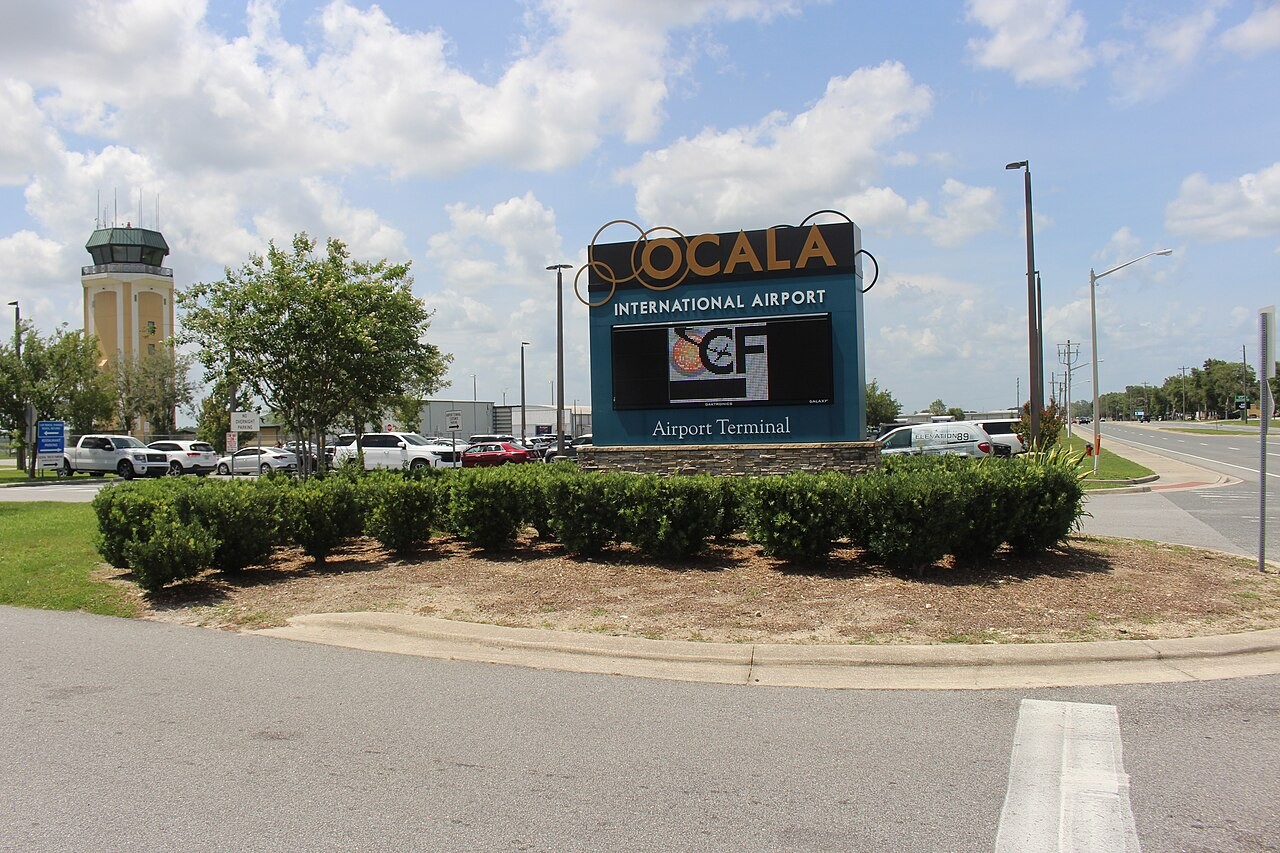
In the Ocala, Florida area, particularly in developments like Marion Oaks, the issue of overbuilding has led to numerous vacant homes and unfinished constructions. Developers built too many houses, and without strong local industries or tourism, many remain empty. This economic reality has left entire streets with houses that are not for sale or rent, some in disrepair and others simply untouched since construction began. The situation raises concerns about squatters taking over these empty properties, adding another layer of complexity to the abandoned developments.
Wildewood, Florida
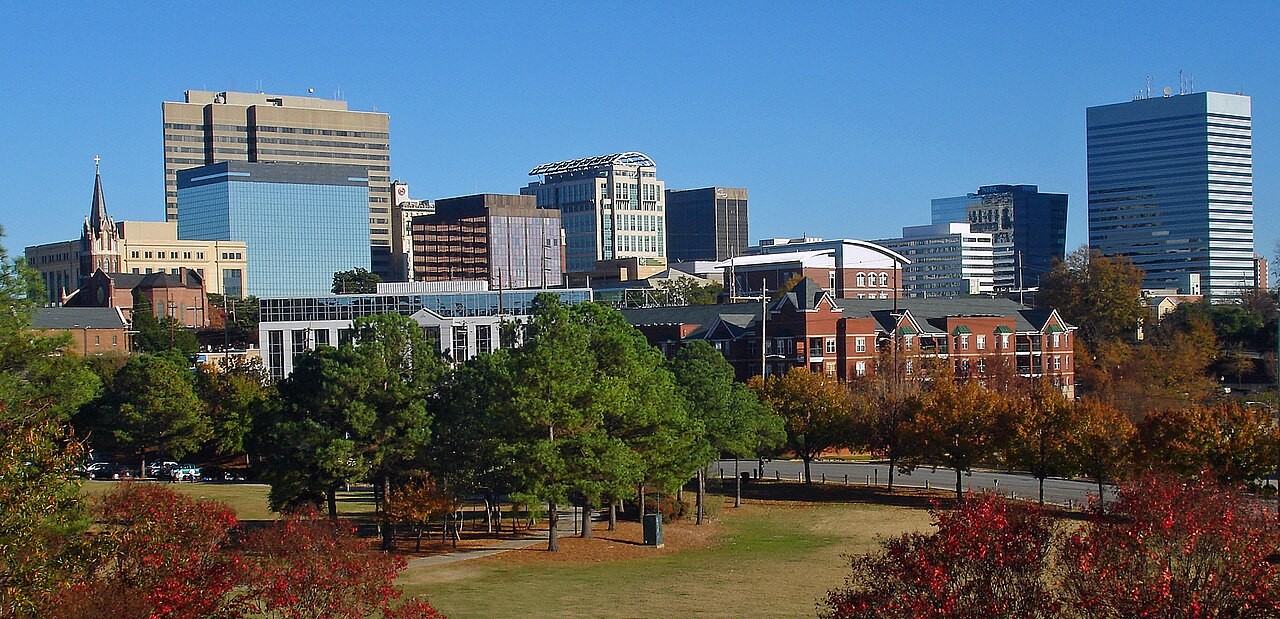
Wildewood, Florida, is another location where the promise of development faltered, leaving behind a landscape of unfinished dreams. While specific details on a large-scale subdivision abandonment in Wildewood are scarce, the general pattern seen across many parts of Florida—where developers initiate projects and then disappear due to market shifts or financial insolvency—likely applies here as well. These abandoned sites often become overgrown, with roads leading to nowhere, symbolizing a lost investment and a community that never came to be.
The Teton Valley, Idaho
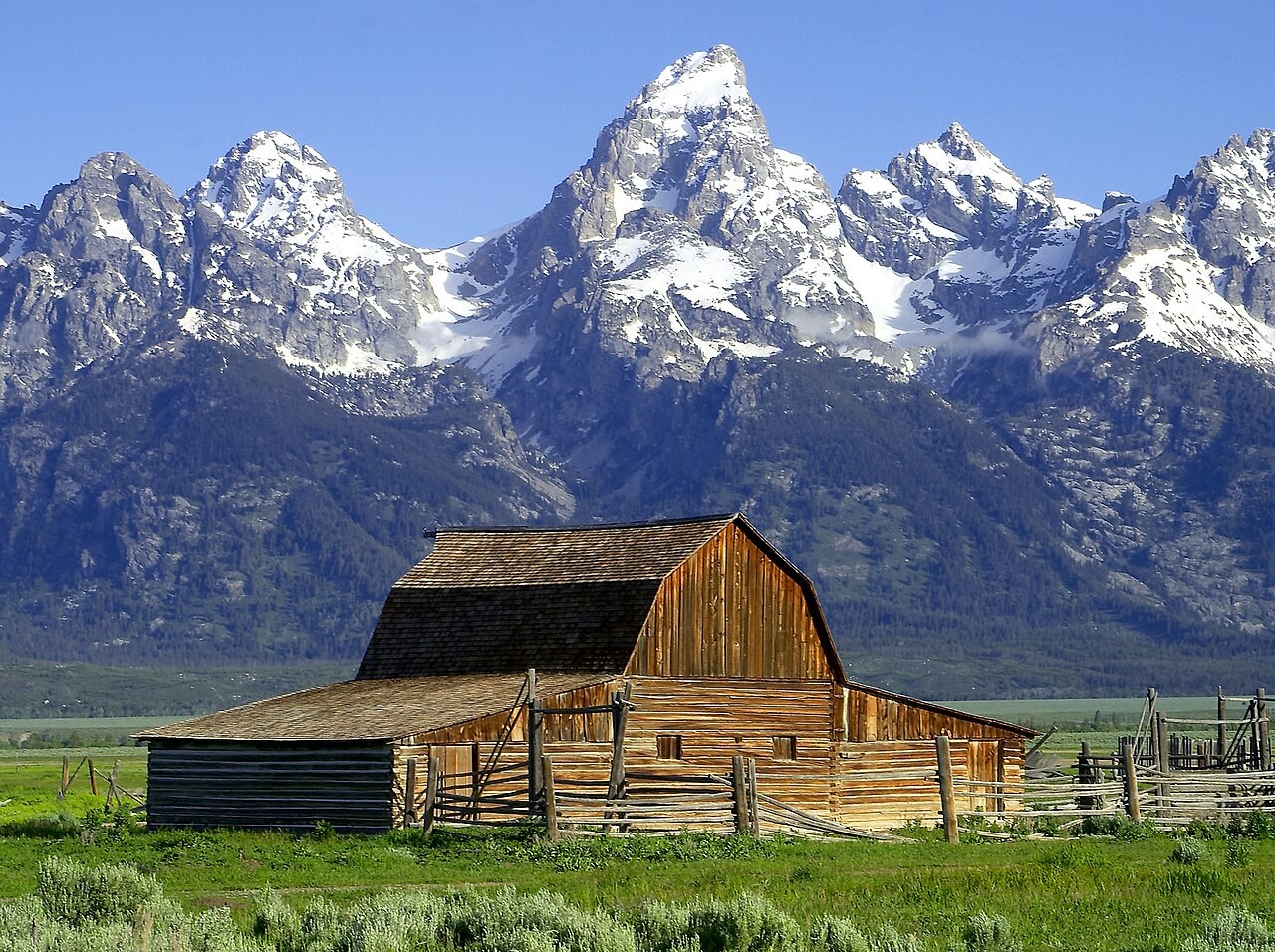
While not a single subdivision, the Teton Valley in Idaho experienced a significant boom in speculative development during the 2000s. Thousands of acres were platted for new subdivisions, but the subsequent housing bust left many of these projects in limbo. Developers, unable to secure financing or sell lots, walked away, creating a landscape of “zombie” subdivisions. Roads and basic infrastructure were put in place, but the homes were never built. The scale of this issue is staggering, with approximately 7,200 lots approved but remaining vacant.
Bellaire, Michigan
Bellaire, Michigan, a resort town, also saw its share of development that didn’t reach completion. Some projects, initiated with the expectation of a thriving tourist and second-home market, were left unfinished when economic conditions changed. Roads were laid, and some infrastructure installed, but the houses and amenities that were planned never materialized. These abandoned areas, often nestled in scenic surroundings, now stand as quiet reminders of market speculation and the risks inherent in large-scale real estate ventures.
What future do these silent subdivisions hold, and will they ever fulfill their original promise?
Leave a Reply