
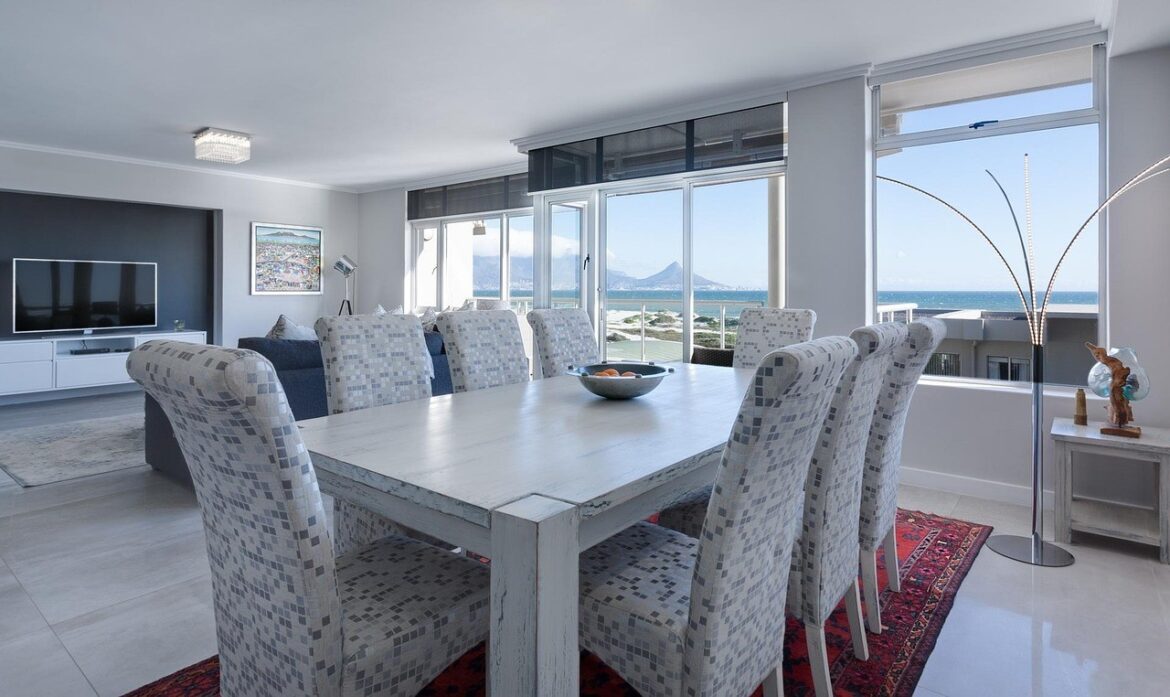
The pursuit of contemporary aesthetics often leads homeowners to embrace trends that, while initially stunning, carry significant risk in the appraisal process. Certain highly customized or niche features that seem indispensable today can quickly become liabilities tomorrow, narrowing the pool of potential buyers and signaling costly future renovation projects. True value lies not merely in modernity, but in timeless flexibility and broad appeal, a subtle distinction often lost when chasing the latest architectural fad.
The Oversized, Commercial-Grade Kitchen

Professional-grade appliances, while offering superior performance, frequently intimidate standard home buyers. These massive ranges, industrial ventilation systems, and complex steam ovens require specialized maintenance, consume disproportionate energy, and often demand expert operational knowledge. Appraisers note that while a luxury kitchen adds value, a kitchen crossing the line into commercial territory actually limits market appeal. Many prospective owners do not want the complexity or the high operational cost associated with equipment designed for high-volume restaurant service. Furthermore, the sheer scale of these appliances often dictates the layout, making future personalization difficult without significant structural modification, signaling costly upfront barriers to entry for all but the most dedicated culinary enthusiast.
Highly Specialized Smart Home Automation
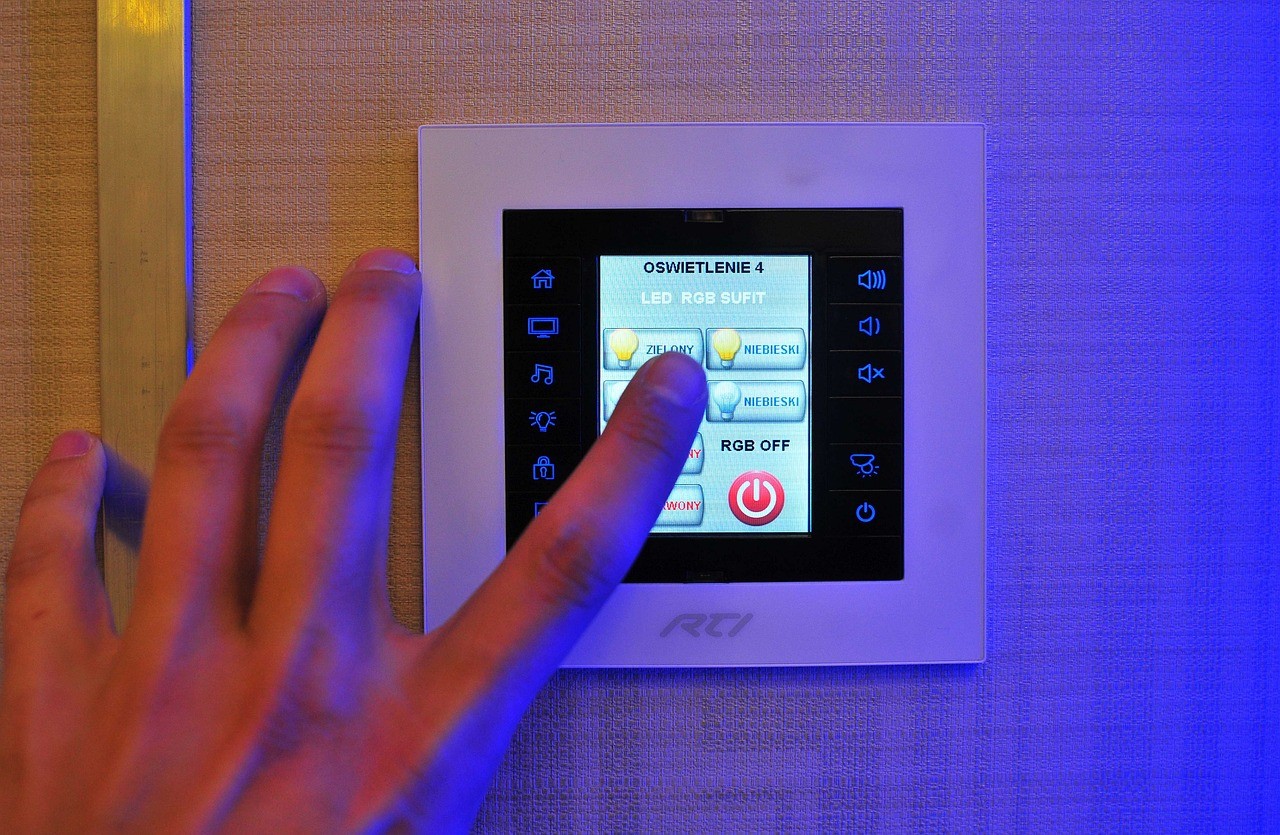
Custom-designed, integrated smart systems that control everything from lighting levels to curtain movements often fall into the trap of proprietary complexity. These setups typically require specific software, specialized technicians for troubleshooting, and frequent, expensive updates to remain compatible with evolving technology standards. When a system is too complex or unique to a particular brand that may discontinue support, it becomes a major red flag for buyers seeking simplicity and reliability. They see a potential technological headache and an unavoidable removal expense, rather than a convenience. Simpler, more universally supported smart features like Wi-Fi thermostats and video doorbells maintain value, but deep, interconnected automation that requires a steep learning curve actively detracts from market broadness.
The Dark and Dramatic All-Black Aesthetic
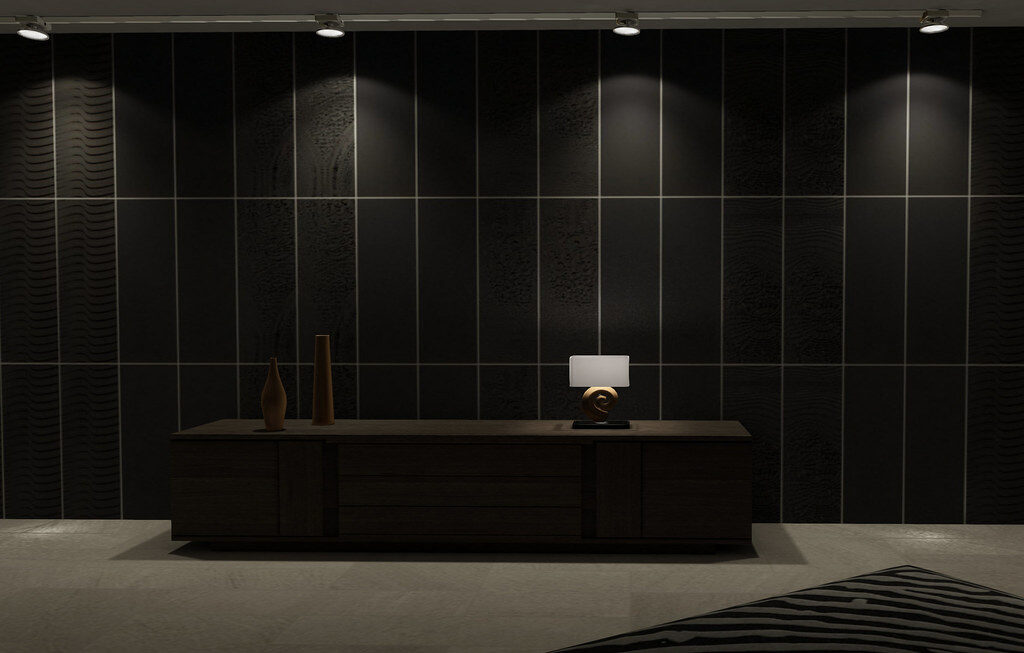
While striking in editorial spreads, the dramatic use of entirely black or intensely dark palettes across walls, cabinetry, and tiling severely limits buyer imagination. Buyers overwhelmingly prefer bright, neutral canvases upon which they can project their own aesthetic vision. Dark aesthetics demand high levels of specialized, expensive lighting and inherently make rooms feel smaller, often contradicting the desire for open, airy spaces. The cost and effort of neutralizing a darkly finished property—requiring extensive priming and multiple coats of lighter paint—is psychologically burdensome to potential purchasers, causing them to mentally subtract renovation costs from their offer price, thereby suppressing the final appraised value of the dwelling.
Wall-to-Wall High-End Carpeting
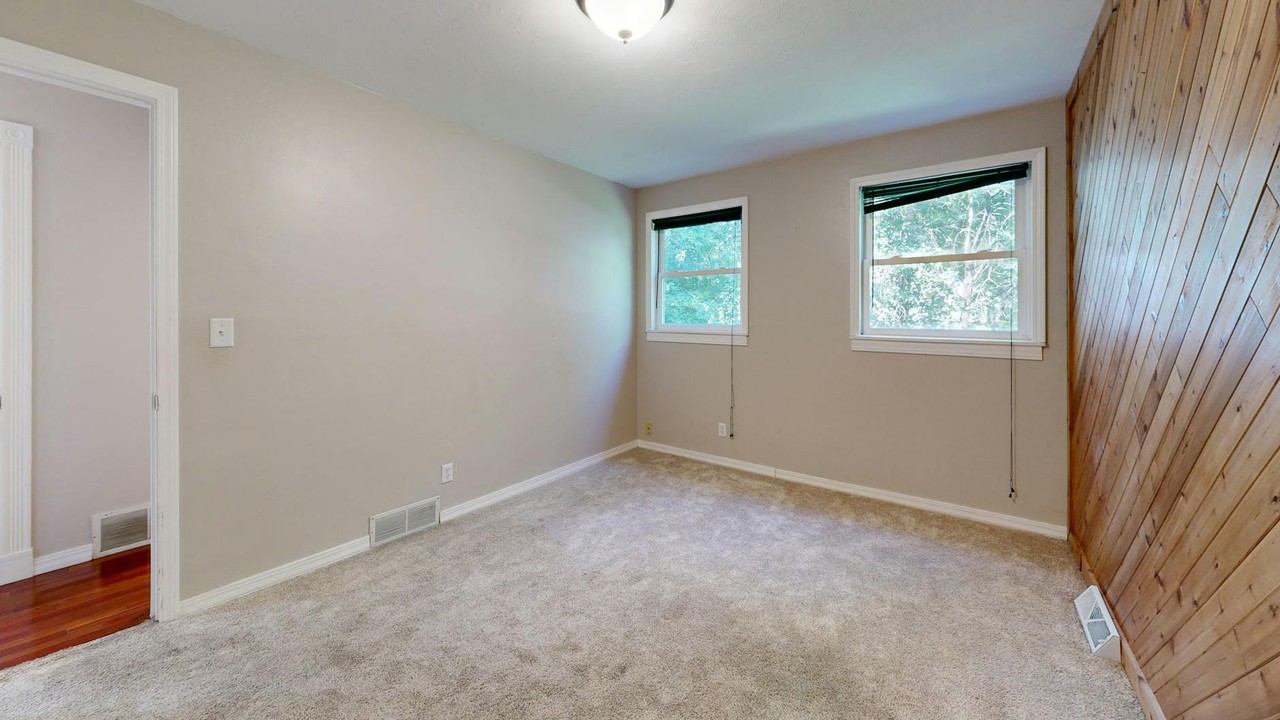
Even the most luxurious, deeply piled wool carpeting is now widely perceived as less sanitary and far more dated than hard flooring alternatives. Modern buyers prioritize durable, easily maintainable surfaces such as wide-plank wood, polished concrete, or large-format porcelain tiles, especially in high-traffic or main living areas. Carpeting traps allergens and stains easily, demanding costly professional cleaning and periodic replacement, which buyers view as an immediate future expense. In upper-tier homes, wall-to-wall carpet suggests a failure to invest in permanent, enduring finishes. The perceived need to rip out and replace high-quality carpet often creates a friction point that undermines the overall impression of move-in readiness and dampens appraisal figures significantly.
Hyper-Specific Hobby Rooms and Conversions
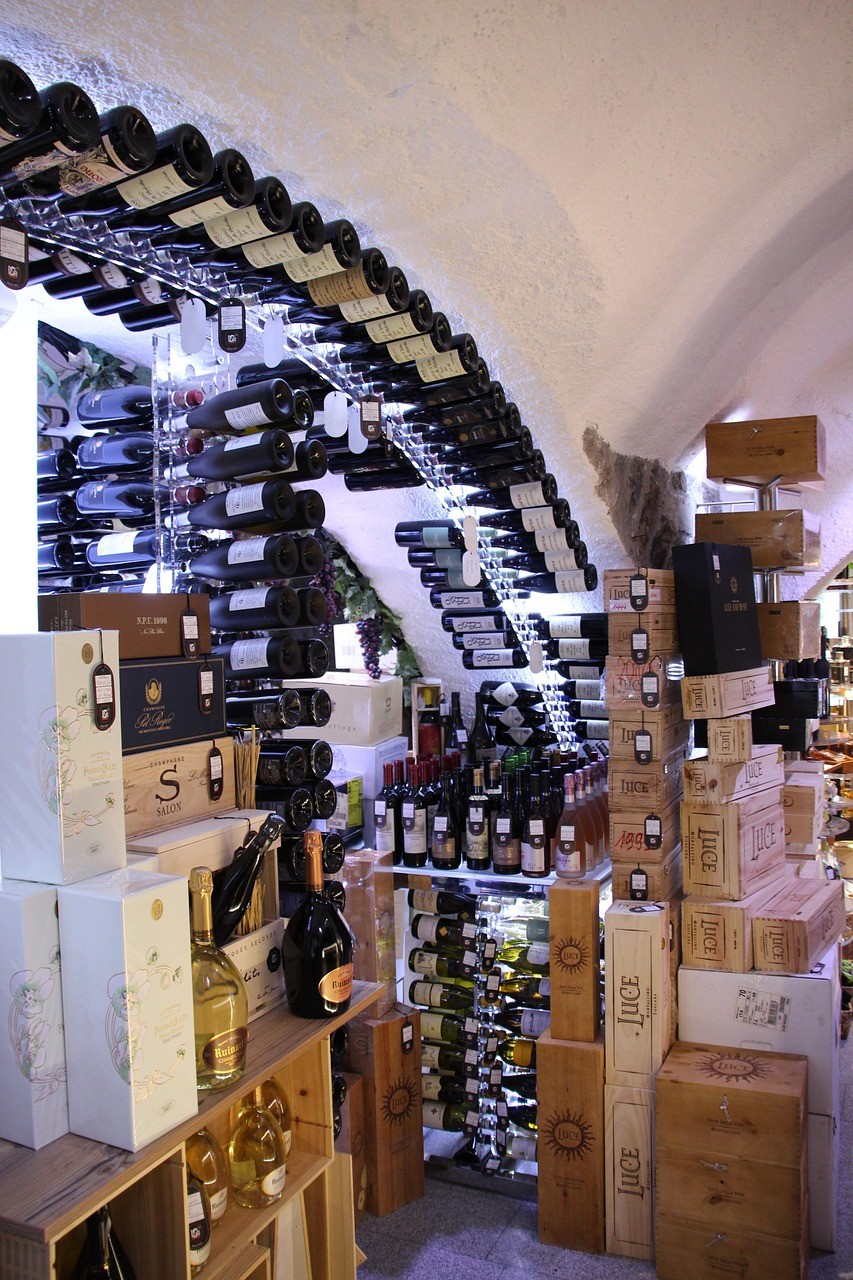
Transforming a versatile space, like a fourth bedroom or a spacious garage bay, into a highly specific hobby room—such as a climate-controlled wine cellar, a dedicated soundproof recording studio, or a full-scale home theater with tiered seating—significantly narrows the market. These customizations appeal only to a tiny fraction of buyers who share that exact interest. The average family buyer views these rooms as immediate renovation projects, needing expensive, disruptive work to restore the space to a functional bedroom, office, or standard garage. Flexibility and multipurpose use are king in modern real estate; highly specialized rooms signal complexity and removal costs, hindering general appeal and depressing sale value dramatically.
Overly Exposed and Industrial Ductwork
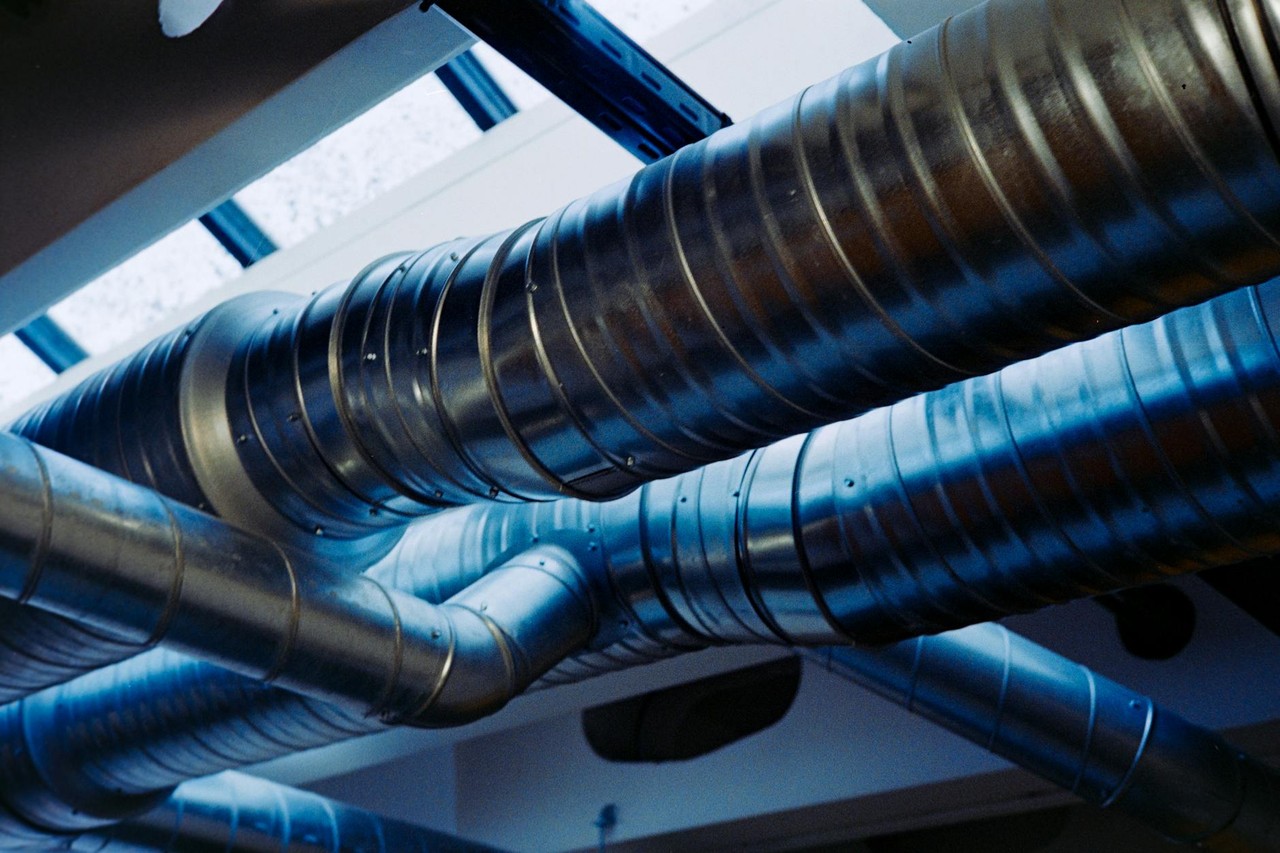
The industrial loft aesthetic, characterized by exposed metal ductwork, piping, and conduit, has lost its appeal in residential markets outside of very specific urban cores. While intended to convey a contemporary, raw feel, this design choice often registers as unfinished construction or low-cost omission rather than purposeful design in suburban and traditional luxury settings. Exposed mechanical systems create maintenance challenges, as they are difficult to clean and can accumulate dust and allergens visibly. Furthermore, they are aesthetically rigid and clash with the cleaner lines and seamless integration prioritized by current luxury home design trends, prompting buyers to envision the expense of drywalling and insulating these systems to achieve a more polished environment.
Pools with Zero Edge and Extreme Water Features
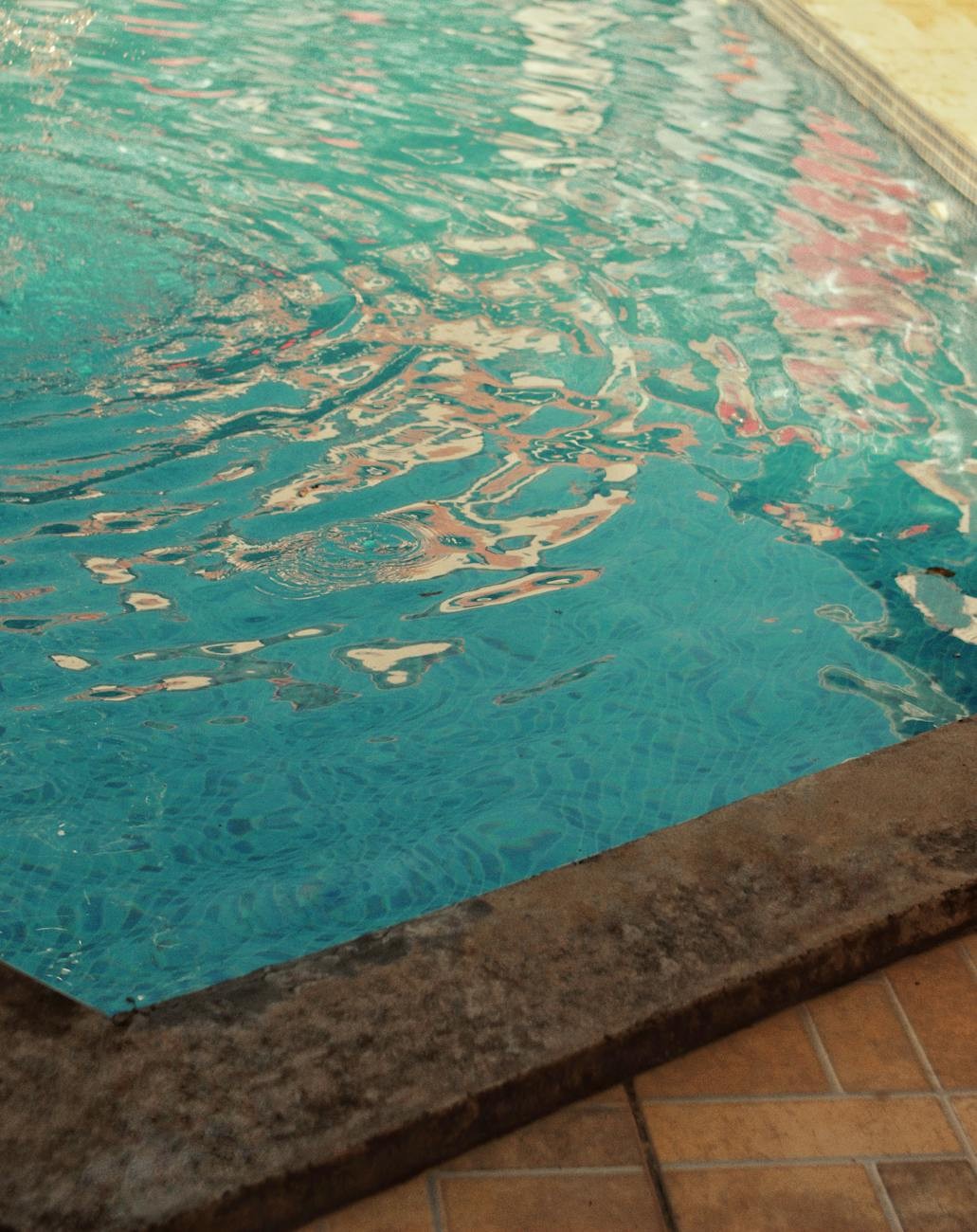
While striking visually, complex water features such as infinity (zero) edge pools or those integrated with intricate waterfalls and grottos introduce immense operational costs and liabilities. Zero-edge designs demand high-precision engineering and continuous pumping to manage water overflow, drastically increasing electricity usage and maintenance complexity compared to standard pools. These features also present greater insurance risk and higher safety concerns, particularly for families with young children, a key demographic for high-end homes. Buyers recognize that extreme aquatic installations mean specialized, costly upkeep, leak potential, and high utility bills, often leading them to discount the price because the perceived headache outweighs the aesthetic benefit in daily use.
Leave a Reply