

The 2026 tax season marks a historic shift for retirees as the Internal Revenue Service officially opens the gates to the Senior Bonus Deduction. Established under the One Big Beautiful Bill Act (OBBBA) signed in the summer of 2025, this temporary measure is intended to act as a significant financial buffer against the rising costs of healthcare and daily living. For many, this $6,000 “bonus” is the cornerstone of a new tax strategy designed to keep more money in the pockets of those on fixed incomes.
By understanding the specific mechanics of this deduction, seniors can effectively lower their taxable income and, in many cases, significantly reduce or eliminate the taxes typically owed on their Social Security benefits. Here are the seven critical ways to navigate and claim this new benefit during the current filing season.
Confirming Your Age 65 Eligibility Status

The most fundamental requirement for claiming the Senior Bonus Deduction is meeting the age threshold established by the IRS. To be eligible for the 2025 tax year return you are filing in 2026, you must have reached age 65 on or before December 31, 2025. It is important to note the specific birthday rule used by the IRS: if your 65th birthday fell on January 1, 2026, the tax code actually considers you to have been 65 on the final day of 2025, making you eligible for the full $6,000 amount this season.
Taxpayers should ensure their birth date is accurately recorded on their return, as the IRS uses Social Security Administration data to cross-reference these claims automatically. For married couples, the age requirement applies to each individual; if both spouses are 65 or older, the household is eligible for a combined deduction of $12,000, provided they meet the other filing requirements.
Mastering the Triple Stack Strategy

One of the most powerful features of the OBBBA is that the new $6,000 senior deduction does not replace existing tax breaks; it stacks on top of them. For a single filer in 2026, this means you can combine the base standard deduction of $15,750 with the long-standing “additional” standard deduction for seniors of $2,000, and then add the new $6,000 bonus. This creates a total tax-free income floor of $23,750 for an individual.
For married couples filing jointly where both spouses qualify, the math becomes even more compelling. By stacking the $31,500 joint standard deduction, the $3,200 combined existing senior deduction, and the new $12,000 OBBBA bonus, a couple can potentially shield up to $46,700 from federal income tax. This “triple stack” approach effectively creates one of the largest tax-free income thresholds for retirees in modern history.
Navigating the Income Phase-Out Limits

The full $6,000 deduction is specifically targeted at low-to-middle-income seniors, meaning that high-earning retirees may see their benefit reduced or eliminated. The full deduction is available to single filers with a Modified Adjusted Gross Income (MAGI) of up to $75,000 and married couples filing jointly up to $150,000. Once your income crosses these thresholds, the deduction begins to phase out at a rate of six cents for every dollar earned over the limit.
This gradual reduction means that the benefit does not simply disappear at a single “cliff” but tapers off until it is fully exhausted. For single filers, the deduction reaches zero once MAGI hits $175,000, while married couples filing jointly will see the benefit disappear at the $250,000 mark. Taxpayers near these limits should be particularly careful with year-end financial moves, such as large IRA withdrawals, which could inadvertently push them into a higher phase-out bracket.
Claiming the Bonus While Itemizing Deductions
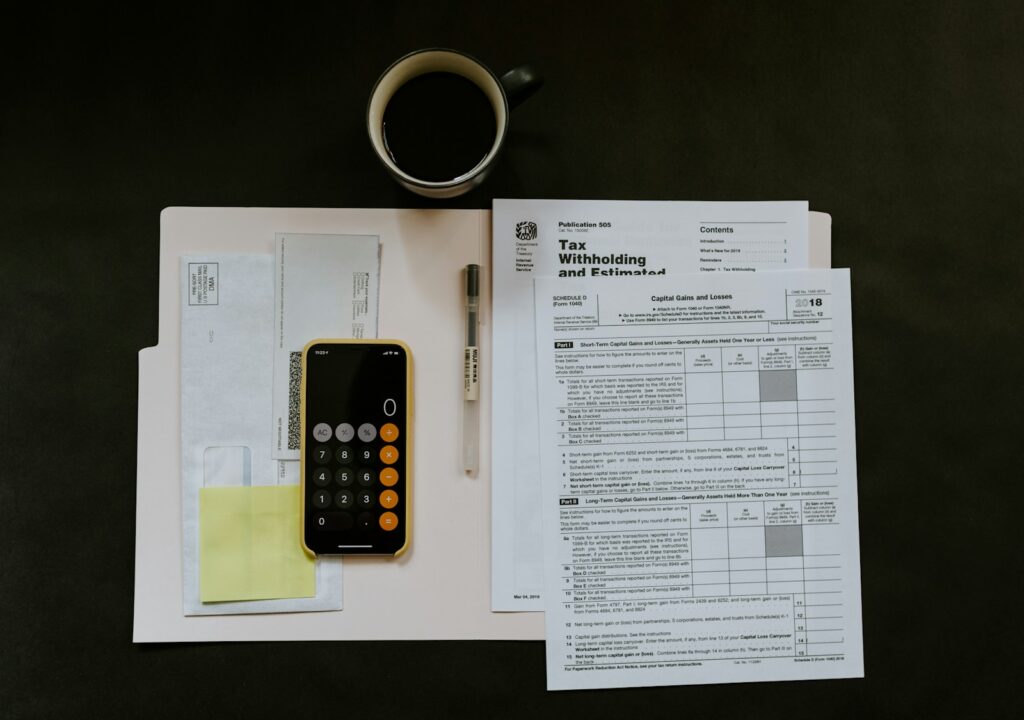
A unique and highly advantageous aspect of the OBBBA senior deduction is its availability to taxpayers who choose to itemize rather than take the standard deduction. Traditionally, age-based tax bumps were only available to those who didn’t itemize, but the new law breaks this mold. This is particularly beneficial for seniors with significant medical expenses, large charitable contributions, or high state and local tax (SALT) payments that already exceed the standard deduction threshold.
By allowing itemizers to add the $6,000 bonus on top of their Schedule A totals, the law provides a double benefit. For instance, a senior with $20,000 in itemized medical and dental expenses can now add the $6,000 senior bonus for a total deduction of $26,000. This flexibility ensures that the most vulnerable seniors, those facing high out-of-pocket health costs, are not forced to choose between two different types of tax relief.
Adhering to the Joint Filing Requirement
The IRS has established a strict procedural rule for married seniors: the new deduction is generally unavailable to those who choose the Married Filing Separately status. To claim the $6,000 per person bonus, a couple must file a joint return. This requirement is designed to simplify the verification process and prevent “double-dipping” across different tax returns.
In cases where only one spouse has reached the age of 65, the couple can still claim a single $6,000 deduction on their joint return. However, if that same couple chose to file separately, the 65-year-old spouse would lose the ability to claim the OBBBA bonus entirely. Taxpayers who typically file separately for reasons related to student loans or legal protections should consult with a professional to see if the $6,000 to $12,000 tax savings outweighs their usual filing strategy.
Utilizing the New Schedule 1-A Form
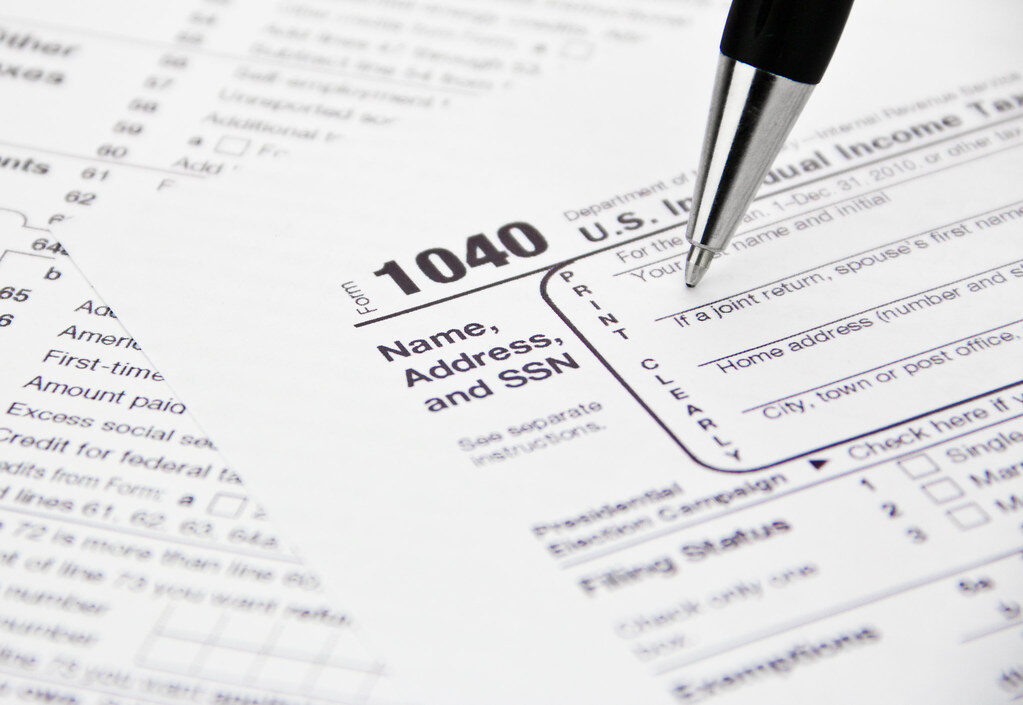
Because the Senior Bonus Deduction is a brand-new provision, it requires a specific reporting form known as Schedule 1-A. This form is used to calculate and report various “bonus” breaks introduced by the OBBBA, including the deductions for tips and overtime. Taxpayers or their preparers must ensure this form is attached to their 1040, as the IRS will not automatically apply the deduction based on age alone.
The Schedule 1-A acts as the worksheet for the phase-out calculations mentioned earlier. It requires the taxpayer to input their MAGI and then applies the six-cent reduction formula if they are over the income threshold. Ensuring this form is correctly filled out is the only way to officially move the deduction from a “potential benefit” to a “realized refund” on your final tax summary.
Lowering Your Adjusted Gross Income (AGI)
Savvy retirees are using the new deduction as a tool to stay below the thresholds that trigger taxes on Social Security benefits. Since the $6,000 bonus lowers your taxable income, it can help keep your total provisional income below the levels where the IRS begins taxing up to 85% of your Social Security checks. While the OBBBA did not officially eliminate the Social Security tax, this deduction acts as a significant “backdoor” to the same result for millions of Americans.
To maximize this effect, seniors can combine the deduction with other AGI-lowering moves, such as making a Qualified Charitable Distribution (QCD) from an IRA. By using these tools in tandem, a retiree can stay within the lower-income brackets that qualify for the full $6,000 deduction while simultaneously protecting their Social Security benefits from being taxed, creating a compounded savings effect.
Leave a Reply