
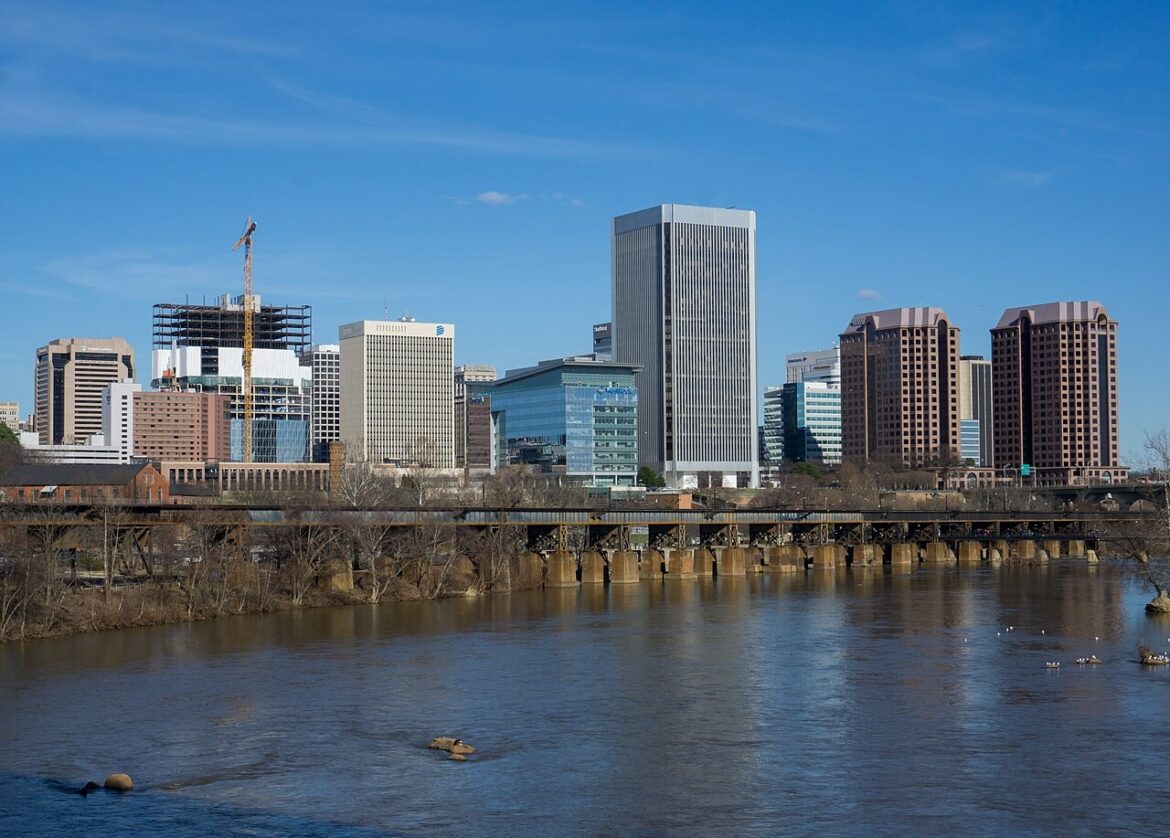
The real estate landscape is a complex interplay of economic forces, where demand and supply dictate market trends. In recent periods, certain areas have experienced a notable divergence, with home prices escalating at a rate that outpaces the growth in buyer demand. This phenomenon can be attributed to a confluence of factors, including limited inventory, increased investor activity, and external economic influences that affect purchasing power and market sentiment. Understanding these specific markets provides insight into the broader dynamics shaping the current housing environment.
1. Wichita, Kansas
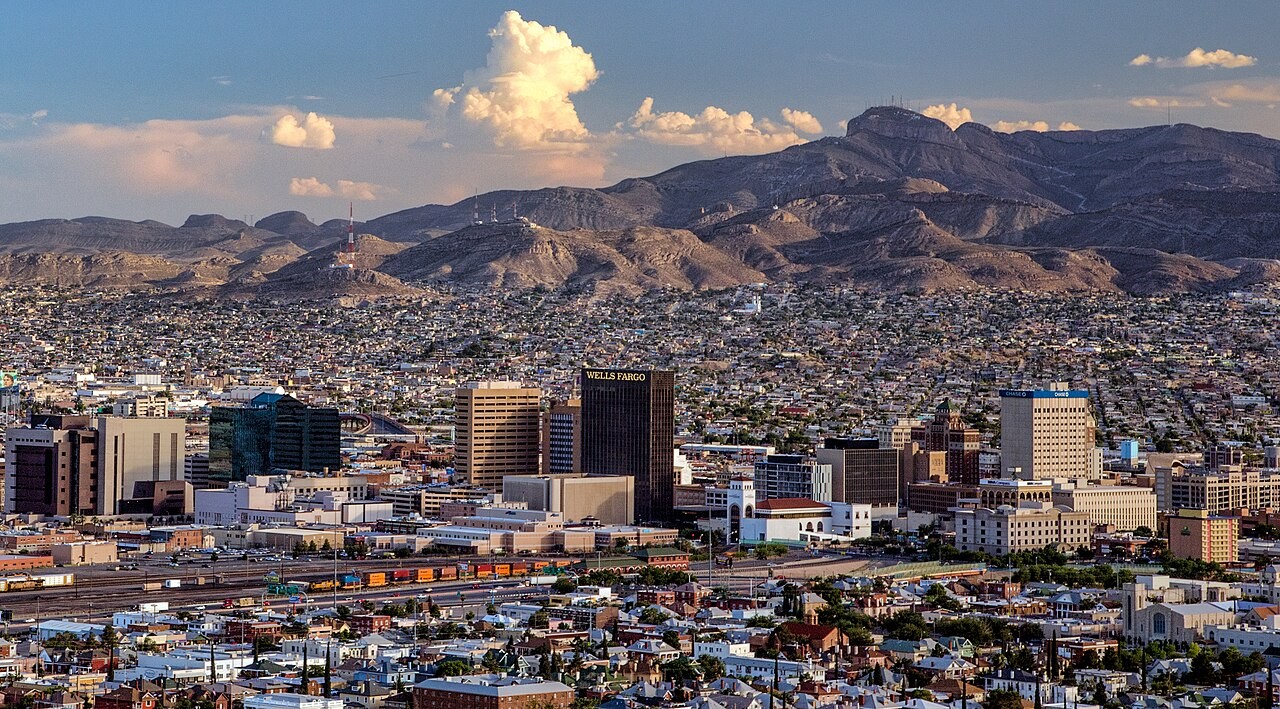
Wichita, Kansas, has emerged as a market where home prices have seen a remarkable surge, significantly outpacing the growth in buyer demand. In the past year alone, home prices in Wichita experienced a substantial 21.2% increase, with a five-year growth rate reaching an impressive 69.1%. This rapid appreciation, with average home sales rising from $213,955 in 2023 to $259,264 in April 2024, suggests a dynamic that is not solely driven by a proportional increase in buyer interest. Factors such as a tight housing inventory, combined with broader economic conditions that may be attracting investment or specific buyer segments, are likely contributing to this price escalation. While demand is present, the speed at which prices have climbed indicates a market where sellers have a distinct advantage due to limited available properties. The average sale price in April 2024 stood at $259,264.
2. Toledo, Ohio
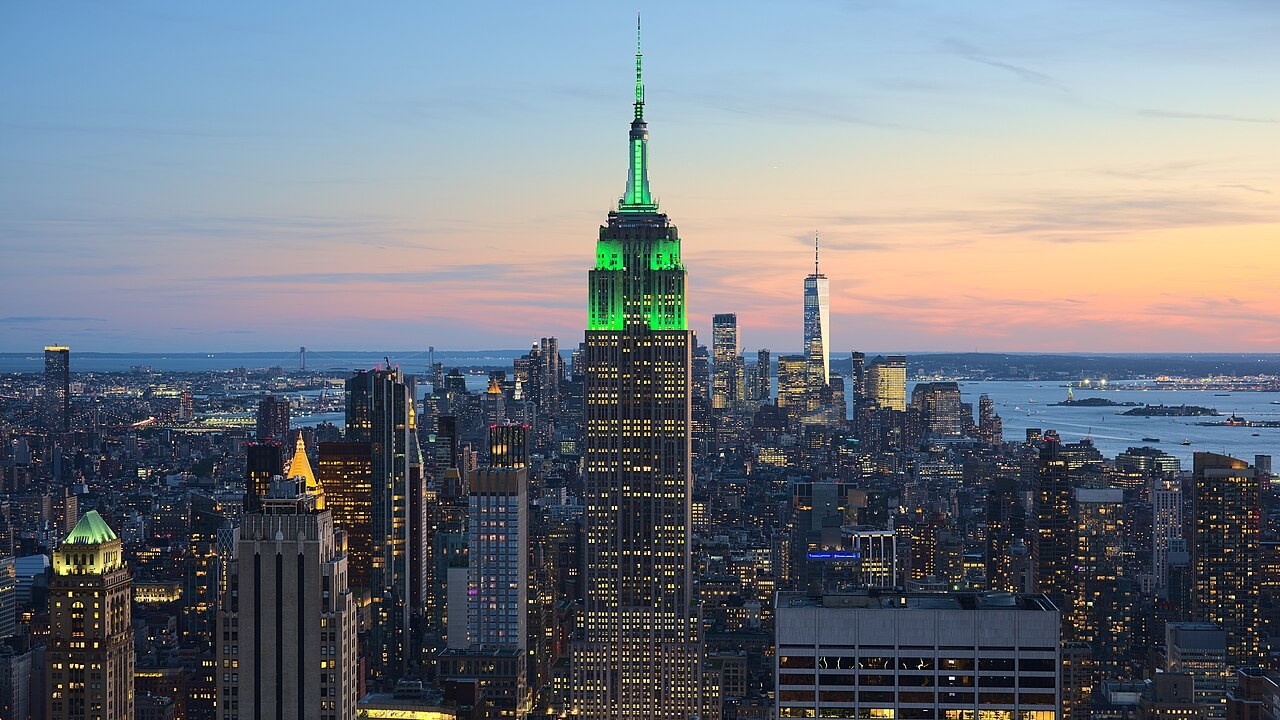
Toledo, Ohio, presents an interesting case where home price growth has outpaced demand, particularly noted for its potential in home sales and price appreciation in 2024. While generally maintaining a stable housing market with historically lower prices, Toledo has attracted buyers and investors seeking affordability. However, recent trends indicate a more rapid increase in property values than might be suggested by a commensurate surge in demand. This situation can arise when limited inventory, even in an affordable market, meets persistent buyer interest, leading to price hikes that outstrip the rate at which new buyers are entering the market. The city’s appeal as an affordable option and a hub for investors flipping homes has likely contributed to this dynamic, creating a scenario where prices climb due to scarcity more than overwhelming buyer numbers.
3. San Jose, California
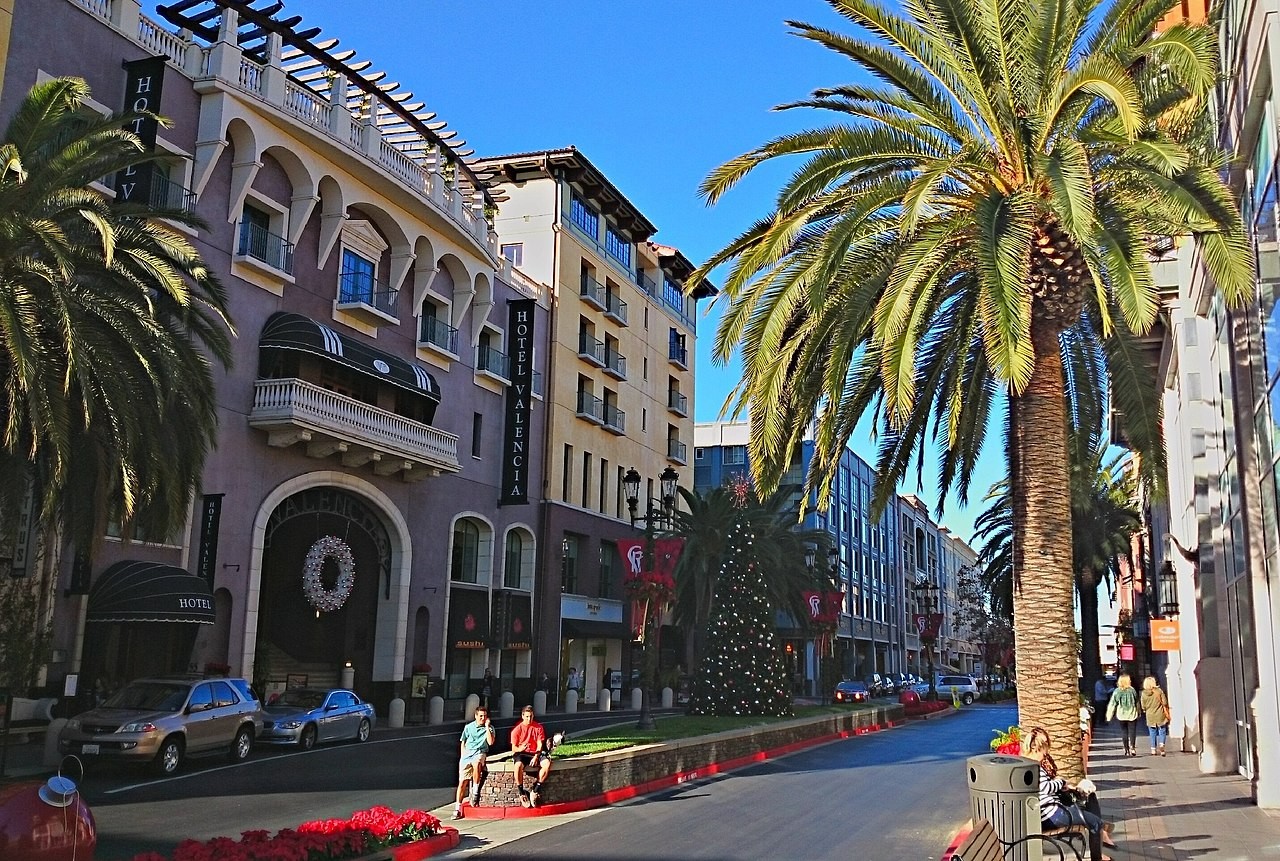
San Jose, California, a region consistently ranking among the most expensive housing markets, exemplifies a scenario where high prices continue to outpace demand growth, even amidst economic shifts. As of April 2024, San Jose experienced a year-over-year price increase of 12.9%, with a five-year growth rate of 41.0%. This sustained appreciation in an already high-cost area suggests that while demand is present, especially from high-earning individuals, the rate of price increase is being fueled more by limited inventory and investor activity than by an expanding pool of new buyers. The intense competition for properties in desirable locations, coupled with ongoing development challenges, likely contributes to prices escalating at a pace that outstrips the organic growth of buyer demand. The high price tags reflect a market where supply constraints are a dominant factor.
4. Knoxville, Tennessee
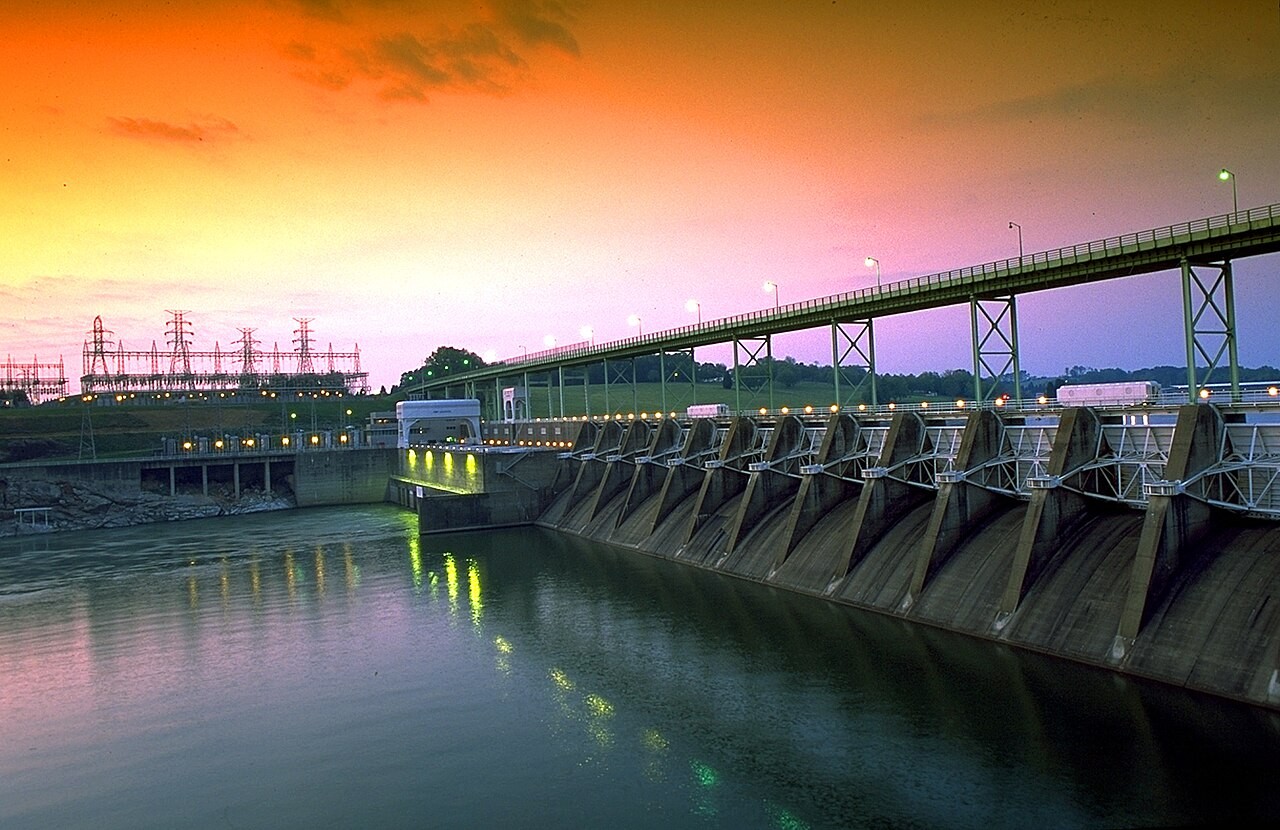
Knoxville, Tennessee, has experienced a striking increase in home prices over the past five years, with a 90% rise, reaching $334,279 by April 2024. While its one-year growth of 9.8% ranks it among top performers, the substantial long-term appreciation indicates a market where prices have surged significantly. This long-term trajectory suggests that price growth has consistently outpaced the rate of demand increase over an extended period. Factors such as population influx, limited housing supply, and potentially a strong investment climate have likely driven up values. Even with a steady demand, the cumulative effect of these factors means that the current price levels reflect a greater appreciation than the immediate influx of new buyers would solely account for, creating a gap between price escalation and demand growth.
5. Miami, Florida
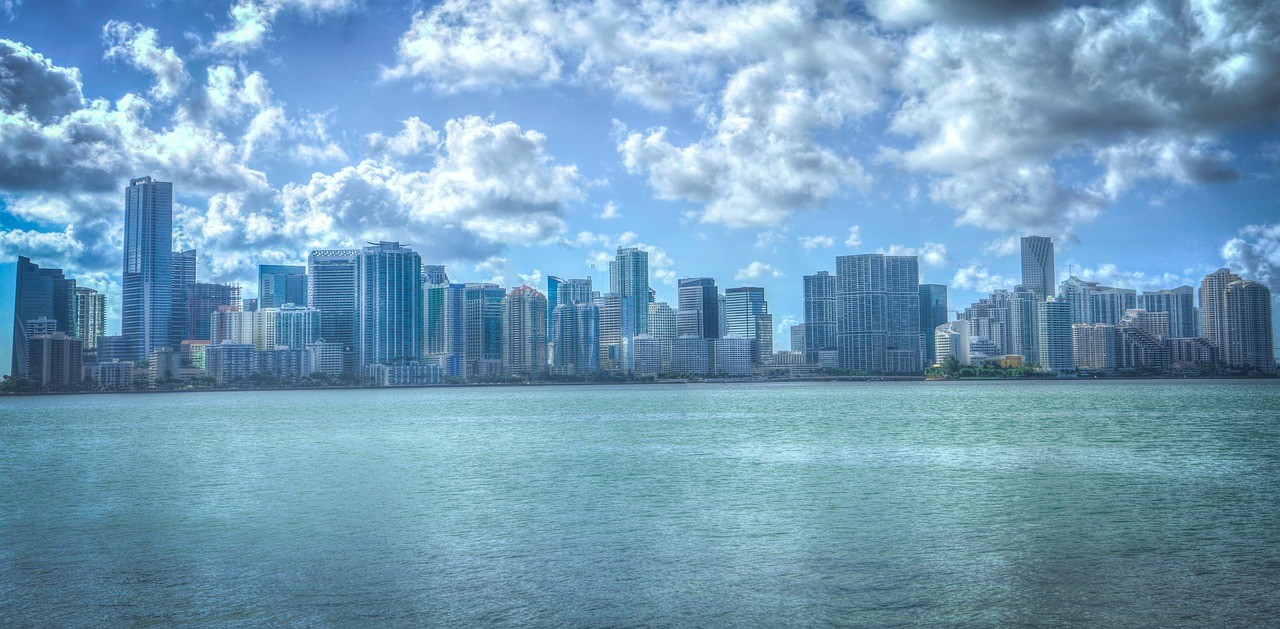
Miami, Florida, a city known for its dynamic real estate market, has seen significant home price appreciation that, in certain periods, has outpaced the growth in buyer demand. While specific data for a recent period shows a year-over-year increase of 12.6% in home prices, alongside a five-year increase of 76.1%, the market dynamics are complex. Periods of high investor activity and a persistent shortage of desirable inventory can drive prices upward rapidly. Although Miami attracts considerable buyer interest, the rate at which prices have climbed, particularly in desirable neighborhoods, suggests that the pace of appreciation has, at times, outstripped the expansion of the local buyer pool. This leads to a market where prices are elevated due to strong demand but also influenced by the scarcity of available properties.
6. San Diego, California

San Diego, California, a highly desirable coastal city, continues to experience robust home price growth that, in recent times, has outpaced the expansion of buyer demand. Despite high interest rates in 2023, low inventory levels were sufficient to keep the market growing, with property values seeing substantial gains. Large family homes can still be found for under $1 million, and condos in areas like Mission Valley are available for under $500,000, indicating a range of price points. However, the city’s consistent appeal, coupled with ongoing supply constraints, means that price increases can outpace the growth in buyer demand, especially in sought-after areas. This dynamic creates a market where the high cost of living and property values are sustained by persistent demand but accelerated by limited availability.
7. Pittsburgh, Pennsylvania
Pittsburgh, Pennsylvania, has experienced remarkable price growth, with median sale prices jumping 22% over the year as of February 2024, positioning it at the top of lists for fast-rising housing markets. This significant increase occurred at a time when housing affordability is at historic lows nationally. Buyers have been drawn to Pittsburgh due to its relatively lower home prices compared to the national median, which was $412,219 in February 2024, with Pittsburgh’s median at $250,000. The rapid price escalation, driven by a combination of renewed economic activity in tech industries and a supply-demand imbalance, has led to prices increasing at a pace that exceeds the rate of new buyer entry into the market, creating a scenario where price growth outpaces demand expansion.
8. Fort Lauderdale, Florida
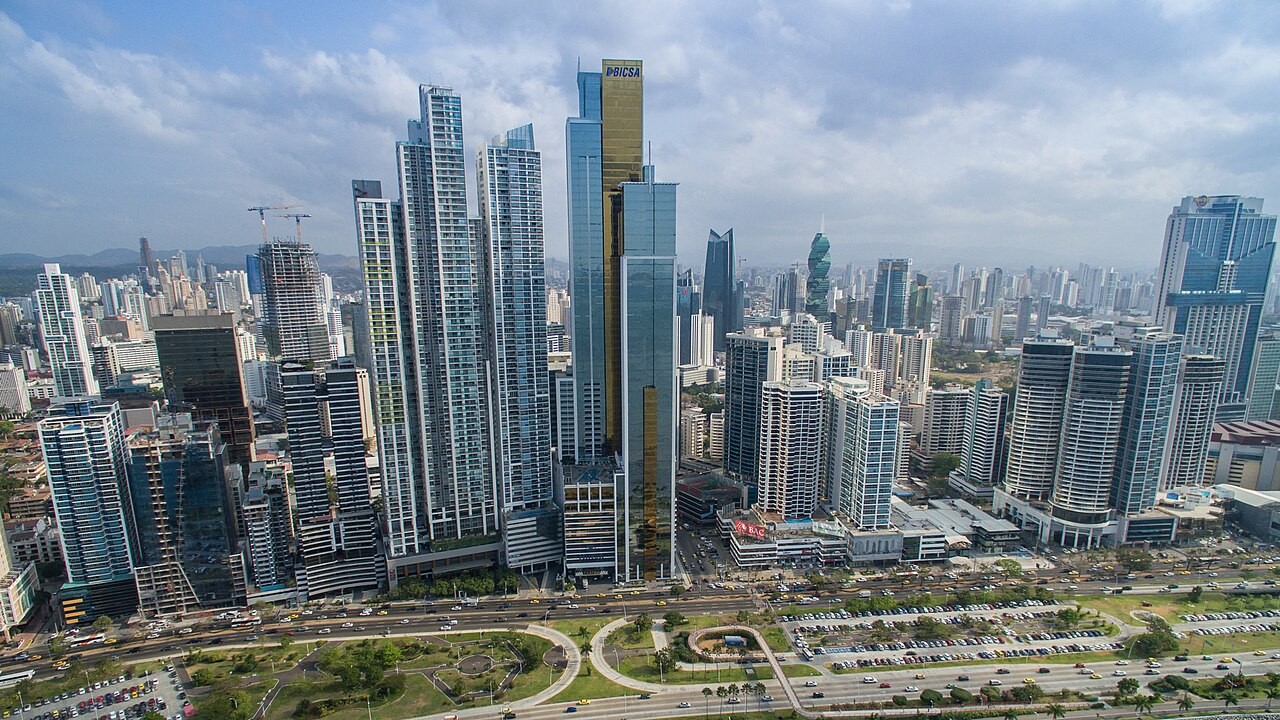
Fort Lauderdale, Florida, has seen its property values boom, with prices jumping 18% annually as of February 2024. This surge is attributed to factors such as the state’s warm climate, low taxes, and its status as one of the fastest-growing states in the country in 2023, adding over 365,000 residents. The significant influx of population fuels demand, but when combined with limited housing inventory, it can drive price appreciation at a rate that outpaces the immediate growth in the buyer pool. While Fort Lauderdale is experiencing strong demand, the speed of price increases suggests that the market is heavily influenced by supply constraints, leading to a situation where property values climb more rapidly than the rate at which new buyers are able to enter the market.
Leave a Reply