
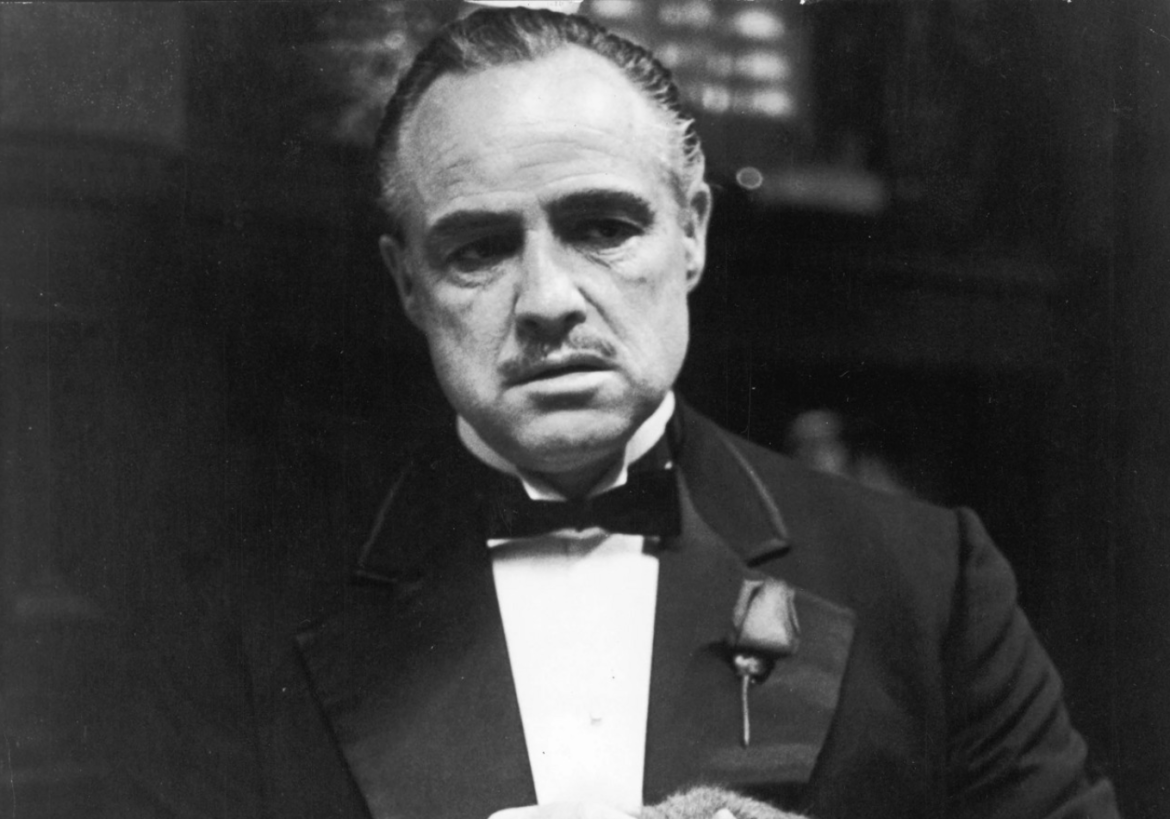
The Godfather remains an unparalleled cinematic achievement, a masterpiece that continues to resonate decades after its debut. Its exploration of power, family, loyalty, and the dark underbelly of organized crime is etched into cultural consciousness, not just through its compelling narrative and performances, but through a lexicon of unforgettable quotes. These lines, delivered with gravitas by characters like Vito and Michael Corleone, offer insights into human nature, business, and the intricate dynamics of a Mafia empire, solidifying the film’s place as a timeless classic.
1. “I’m gonna make him an offer he can’t refuse.”
This iconic line, spoken by Don Vito Corleone, is arguably the most famous quote from “The Godfather,” frequently cited for its chilling blend of charm and menace. It encapsulates the essence of the Corleone family’s power: a proposition so compelling, refusal is not a viable option due to the implicit, often violent, consequences. Marlon Brando’s delivery imbues the statement with a casual confidence that suggests an absolute certainty of outcome, a hallmark of Vito’s formidable influence. This quote is not merely a threat; it’s a business strategy, a demonstration of control where the terms are non-negotiable, reflecting a deep understanding of power dynamics. The phrase has transcended the film to become a cultural touchstone, illustrating how effective persuasion, backed by unstated force, can achieve any objective.
2. “Leave the gun, take the cannoli.”
Delivered by Peter Clemenza after a brutal act of violence, this quote serves as a darkly humorous and stark reminder of the characters’ priorities and the peculiar normalcy within their violent world. While the immediate context involves the execution of a traitor, Paulie Gatto, Clemenza’s directive to his associate Rocco Lampone highlights a peculiar detachment from the grim deed. The instruction to leave the evidence behind but secure the pastries emphasizes a pragmatic approach to their illicit activities, where immediate comfort and personal satisfaction (a treat for his wife) take precedence over extraneous details. This juxtaposition of murder and dessert underscores the film’s complex portrayal of characters who can compartmentalize extreme violence with mundane domesticity. It has become a memorable line, often referenced for its abrupt shift in tone and its quirky illustration of the Corleone family’s unique operational protocols.
3. “It’s not personal, Sonny. It’s strictly business.”
This pragmatic assertion by Michael Corleone to his impetuous brother Sonny crystallizes the cold, calculating nature that defines Michael’s ascent within the family. It delineates the separation between emotional responses and strategic decision-making, a core principle in the world of organized crime as depicted in the film. The quote signifies Michael’s early recognition of the need for detachment in handling the family’s affairs, even when dealing with threats that personally endanger his father. This philosophy, though attributed to Michael in the film, was reportedly coined by a real-world mob accountant, Otto Berman, but it was Michael Corleone’s delivery that cemented its place in cinematic history. The line serves as a foundational mantra for Michael’s leadership, emphasizing efficiency and rational action over personal vendettas or emotional interference.
4. “A man who doesn’t spend time with his family can never be a real man.”
Spoken by Don Vito Corleone, this profound statement speaks to the patriarch’s deeply held values regarding masculinity, responsibility, and the fundamental importance of familial bonds. Vito imparts this wisdom to his godson, Johnny Fontane, highlighting that true manhood is intrinsically linked to one’s devotion and commitment to family. In a world often characterized by external power and influence, Vito emphasizes that a man’s worth is also measured by his dedication to his loved ones. This quote offers a nuanced perspective on Don Corleone’s character, revealing a dimension beyond his reputation as a ruthless mob boss. It underscores the idea that integrity and strength are not solely derived from external achievements but are deeply rooted in the personal relationships and obligations that define a man’s life.
5. “Keep your friends close, but your enemies closer.”
This strategic piece of advice, often attributed to Vito Corleone and later echoed by Michael, encapsulates a key tenet of survival and dominance in the cutthroat world of the Mafia. The adage advises a calculated approach to relationships, suggesting that maintaining proximity to adversaries allows for greater insight into their plans and potential threats. It is a philosophy born from the constant need for vigilance and the understanding that the greatest dangers can often emerge from those underestimated or kept at arm’s length. Michael Corleone’s interpretation and application of this advice showcase his evolution into a shrewd and perhaps even more ruthless leader than his father, adapting Vito’s wisdom to his own increasingly complex and power-driven agenda. The quote transcends its cinematic origins to offer a timeless lesson in the art of diplomacy and strategic maneuvering in any competitive environment.
6. “Don’t ever take sides with anyone against the Family again. Ever.”
This stern admonition from Michael Corleone to his brother-in-law Carlo Rizzi serves as a pivotal moment, clearly delineating the absolute and non-negotiable loyalty required by the Corleone family. The unequivocal nature of Michael’s command underscores the severe consequences of any perceived betrayal, emphasizing that internal unity is paramount to the family’s survival and power. It marks a point of no return for Carlo, signaling Michael’s ruthless determination to consolidate his authority and eliminate any internal dissent or external interference. The quote highlights the unforgiving code of conduct within the Mafia, where allegiance to the family supersedes all other relationships and obligations. Michael’s delivery of this line signifies his complete transformation into the hardened Don, willing to enforce the family’s laws with absolute finality.
7. “I believe in America. America has made my fortune.”
These opening lines, spoken by Amerigo Bonasera, establish a crucial thematic contrast within “The Godfather,” juxtaposing the immigrant’s pursuit of the American Dream with the perceived failures of American justice. Bonasera’s narrative of his daughter’s assault and the subsequent lenient sentence for her attackers sets the stage for his plea to Don Corleone for a different kind of justice, one rooted in Sicilian tradition. This quote encapsulates the immigrant experience of seeking prosperity and opportunity in a new land, while simultaneously confronting a system that may not fully protect their interests or uphold their values. It introduces the central conflict between traditional codes of honor and the modern, often flawed, legal structures of American society, forcing characters and audiences alike to question the true meaning of justice.
8. “Where does it say that you can’t kill a cop?”
This provocative question posed by Michael Corleone marks a significant turning point in his character arc, demonstrating his rapid descent into the ruthless pragmatism required to lead the Corleone family. Facing the corrupt Captain McClusky’s involvement with Virgil Sollozzo, Michael challenges the established, albeit unwritten, rules that protect law enforcement. His query signals a willingness to break fundamental barriers, indicating a shift from the war hero persona to a hardened mafioso ready to make brutal decisions for the family’s safety and dominance. This moment is crucial in establishing Michael’s strategic thinking and his capacity for decisive action, setting the precedent for his future as a formidable and feared Don. It reveals a sharp intellect and a chilling detachment, as he considers all avenues, even those previously deemed unthinkable, to achieve his objectives.
Leave a Reply