
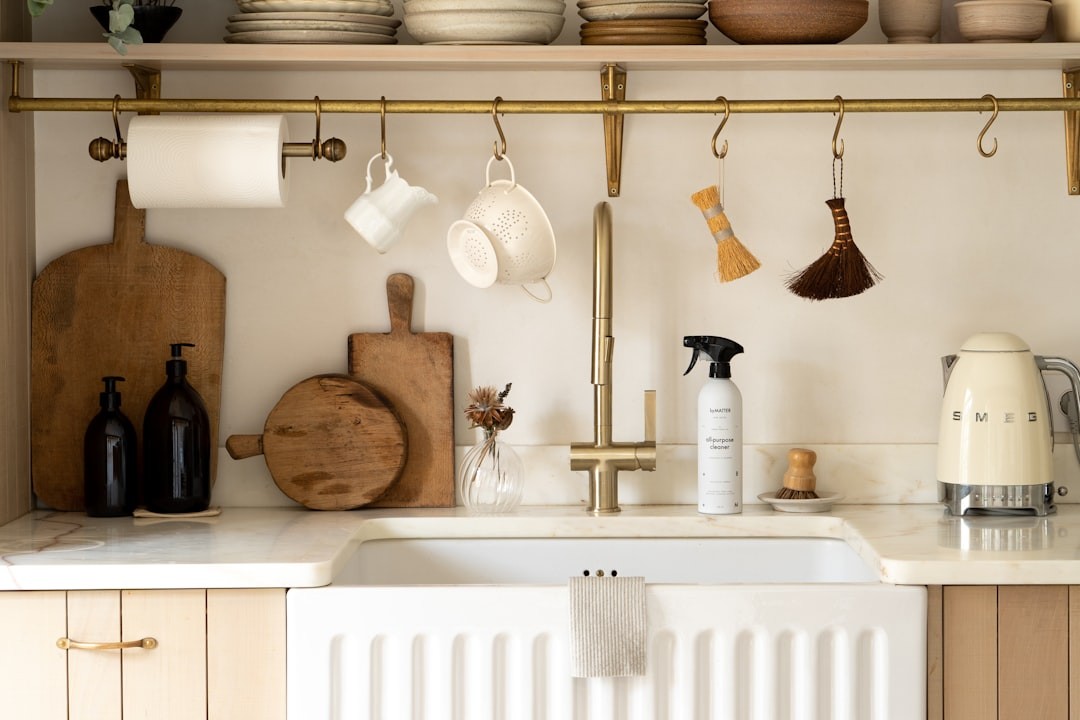
Designers agree that a well-organized kitchen is key to a home’s overall aesthetic and functionality. Clutter not only looks messy but can also increase stress levels and decrease productivity. From small appliances to decorative items, many common kitchen items contribute to visual clutter, making the space feel cramped and chaotic.
Clearing out unnecessary items can transform your kitchen into a more enjoyable and efficient space. By being mindful of what you display and store, you can create a kitchen that is both beautiful and practical. Designers emphasize the importance of intentionality in kitchen design.
This approach ensures that every item serves a purpose, whether functional or aesthetic, contributing to a harmonious and well-functioning environment. Let’s explore some common culprits that designers suggest removing to achieve a more streamlined kitchen.
Excessive Small Appliances
The modern kitchen often becomes a landing strip for numerous small appliances, contributing significantly to countertop clutter. While convenient, an overabundance of these devices can make a space feel overwhelmed and less functional. In fact, appliances and gadgets are cited as the biggest cause of kitchen clutter by 77% of homeowners. Designers advocate for multi-functional appliances, which can perform several tasks, thereby reducing the need for multiple single-purpose gadgets. Investing in sleek, integrated appliances that blend into cabinetry also helps maintain clean lines and a more open aesthetic.
Utensil Crocks Overflowing with Tools
While easy access to kitchen tools is essential, a common mistake is an excessive utensil holder overflowing with every imaginable gadget. This visual clutter can make the kitchen feel messy, even if the rest of the space is tidy. Designers suggest curating your utensil collection, keeping only frequently used items readily accessible. For less-used tools, consider drawer organizers or wall-mounted magnetic strips to keep countertops clear and maintain a streamlined look.
Countertop Knife Blocks
Countertop knife blocks, though convenient for some, often contribute to visual clutter and take up valuable prep space. Designers recommend opting for wall-mounted magnetic knife strips as a sleeker, more space-saving alternative. This not only frees up counter real estate but also adds a modern, organized touch to the kitchen. Keeping countertops clear allows for more efficient meal preparation and a less chaotic environment.
Mail and Paper Piles
The kitchen counter often becomes a catch-all for mail, bills, and assorted papers, creating an immediate sense of disarray. Designers emphasize that these items don’t belong in the kitchen’s primary workspace. Implementing a system for managing mail and papers outside the kitchen, perhaps in a dedicated entryway or office area, is crucial. Digitizing important documents and using digital to-do lists can further help reduce paper clutter.
Refrigerator Magnets and Displays
While personal touches are important, a refrigerator heavily adorned with magnets, children’s artwork, and assorted papers can quickly become a visual distraction. Designers suggest limiting these displays to a few meaningful items to maintain a curated and sleek look. Instead of overwhelming the fridge, consider a designated bulletin board or digital display for frequently changing items.
Excessive Decorative Items
While decorative items can add personality, too many can lead to visual clutter, making the kitchen feel busy and less functional. Designers advise a more minimalist approach, focusing on a few well-chosen pieces that complement the kitchen’s overall design. Consider items that serve a dual purpose, like attractive canisters for storage, rather than purely ornamental objects that contribute to clutter.
Mismatched or Overcrowded Storage Containers
Jars and containers of food, especially when displayed on countertops or open shelving, can create a cluttered appearance. Even if neatly arranged, an excess of these items can overwhelm the space. Designers recommend storing most food items in pantries or cabinets, using cohesive and decorative containers only for a curated display. This strategy maximizes visual appeal and keeps countertops clear for practical use.
Fake Plants
While greenery can liven up a space, artificial plants can quickly accumulate dust and look dated, contributing to a cluttered and unhygienic environment. Designers suggest opting for real plants, such as potted herbs or small succulents, to bring life and natural color into the kitchen. This aligns with biophilic design principles and adds a touch of natural beauty without the drawbacks of faux foliage.
What everyday kitchen items could you pare down to create a more serene and functional space?
Leave a Reply