
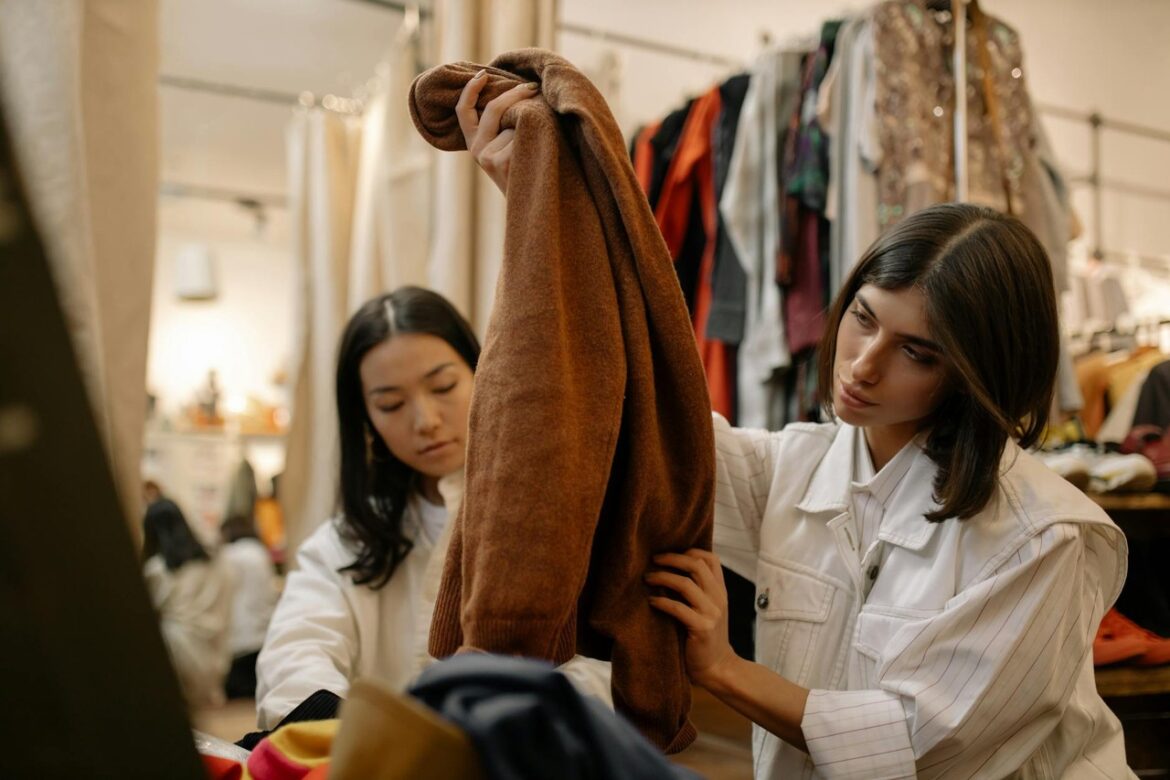
The allure of thrift stores lies in their ability to offer unique finds at a fraction of the cost of new items. Beyond the economic advantages, shopping secondhand also aligns with sustainable practices, reducing waste and the demand for new production. From fashion to home goods, there are numerous categories where thrift store treasures can enhance your life without depleting your resources. These items, often imbued with character and history, offer a distinctive appeal that mass-produced goods cannot replicate.
1. Clothing
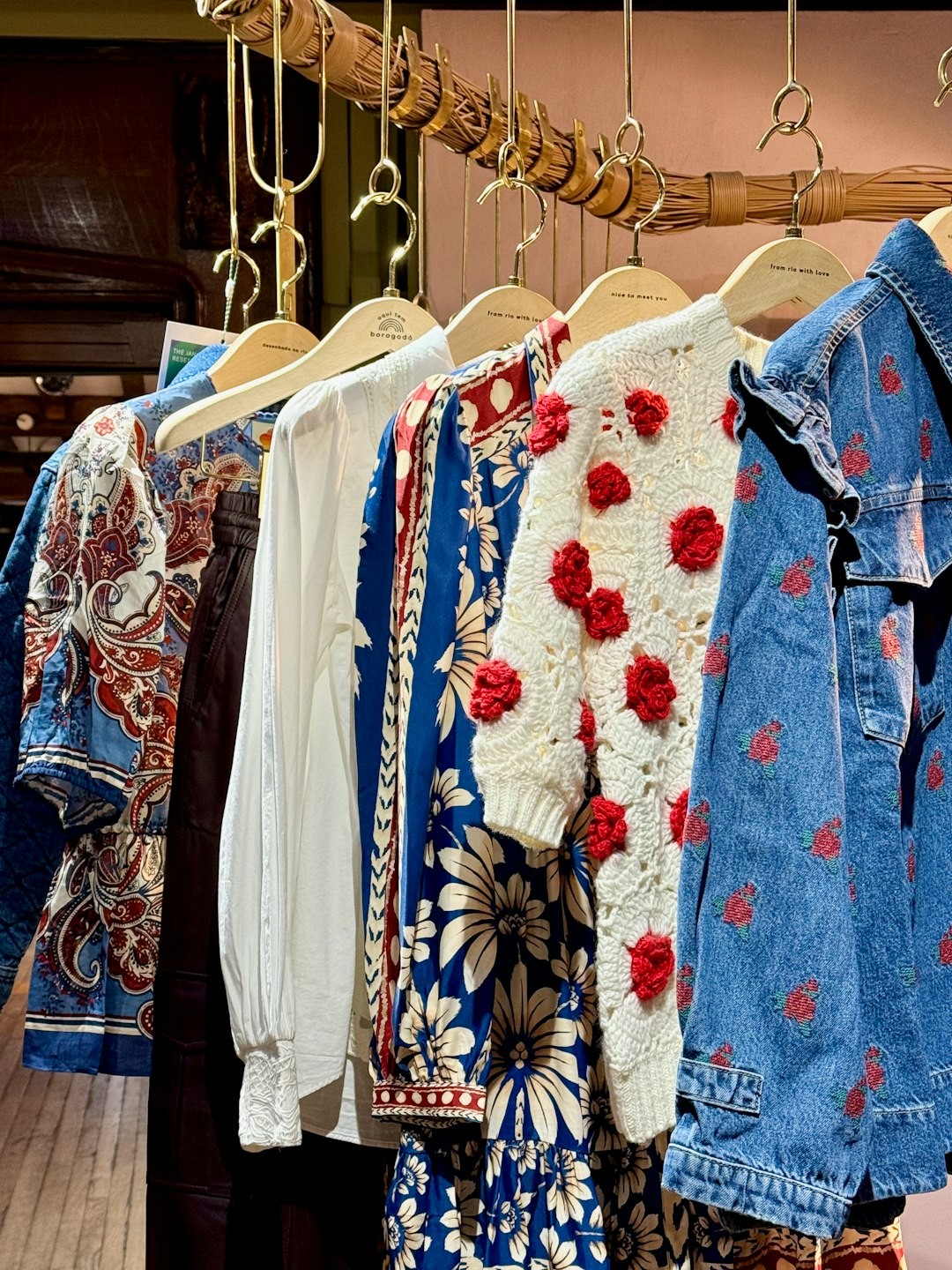
Shopping for clothing at thrift stores offers a dual benefit of significant cost savings and unique style discovery. Consumers can acquire high-quality, name-brand, or vintage pieces at a fraction of their original price, allowing for a more extensive and personalized wardrobe without financial strain. The secondhand clothing market is experiencing substantial growth, with reports indicating a 14% increase in the U.S. secondhand apparel market in 2024 alone. This trend is driven by a desire for affordability, uniqueness, and sustainability, as purchasing pre-owned garments reduces demand for new production, conserves resources, and minimizes textile waste. Furthermore, clothing that has already been washed and worn has had most of its shrinkage occur, meaning items are less likely to shrink further after washing. This also allows for easier inspection of potential weaknesses or problem areas in the fabric, ensuring better quality for longevity.
2. Furniture
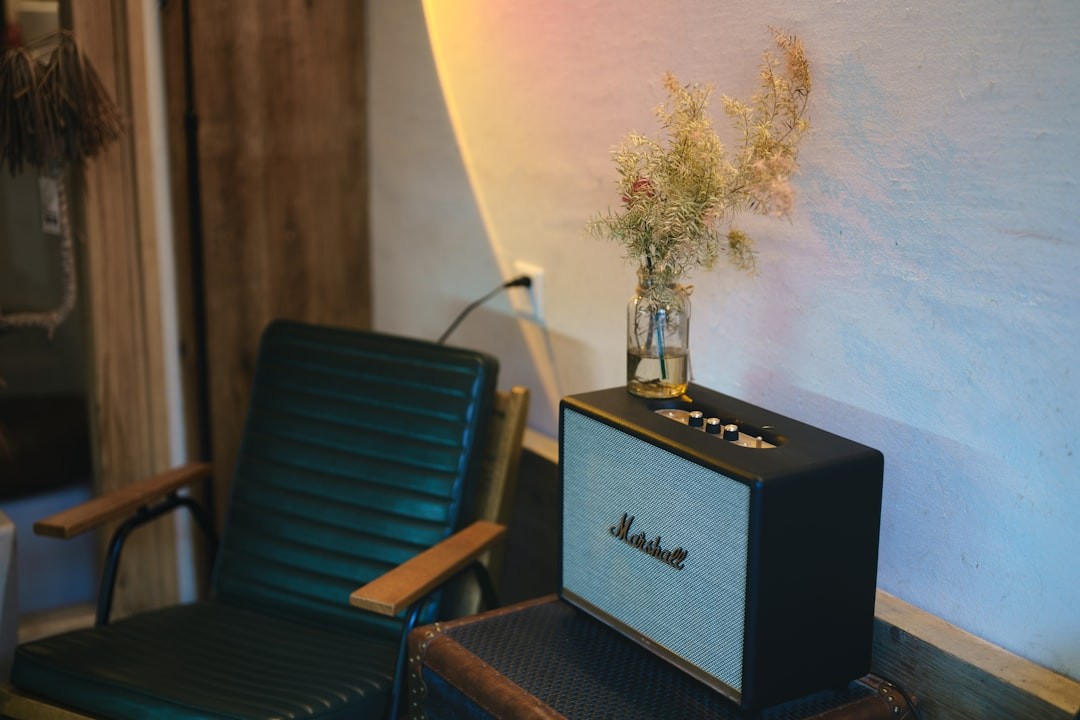
Thrift stores are a goldmine for furniture, offering substantial savings compared to retail prices. Many pieces found in secondhand shops are made from solid wood with superior craftsmanship, often outlasting modern mass-produced alternatives. These items can be revitalized with a bit of DIY effort, transforming into stylish statement pieces for the home. The resale value of used furniture can range from 40-70% of its original price, depending on condition, age, and material. Trends in 2025 indicate a strong return to classic, collected interiors, with solid wood side tables and furniture with vintage character being particularly sought after. Investing in well-crafted secondhand furniture not only saves money but also contributes to a more sustainable approach to home furnishing, reducing the demand for new manufacturing and associated environmental impacts.
3. Books
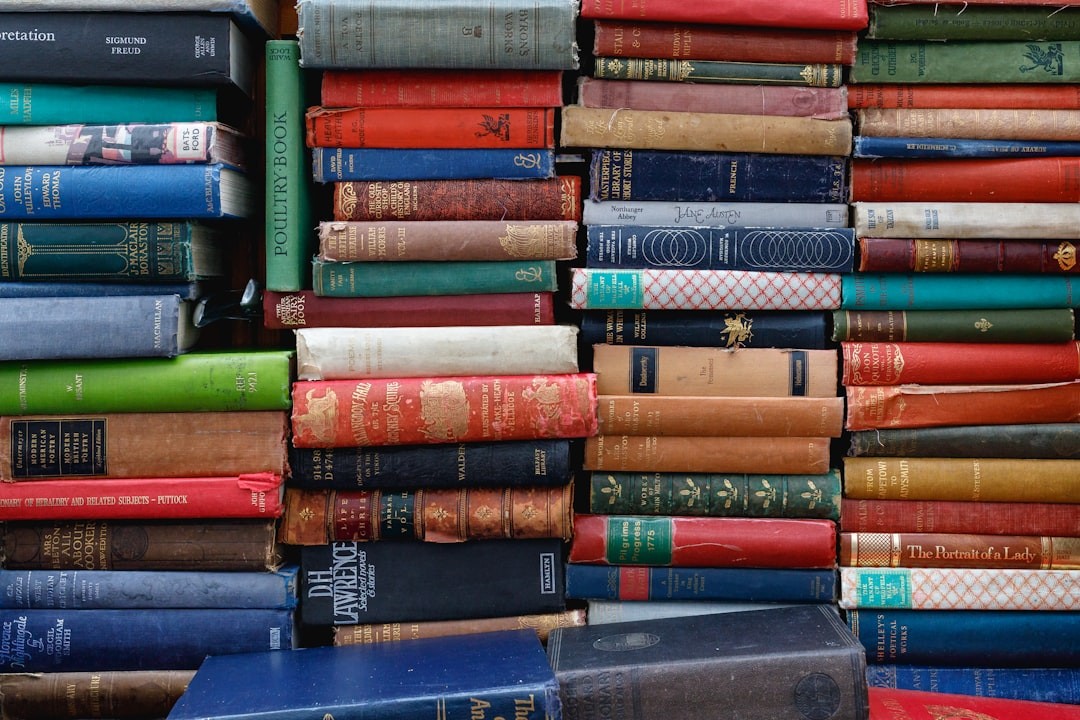
Buying books from thrift stores presents a compelling case for both budget-conscious readers and environmental advocates. The cost savings are substantial, with used books often priced 50-80% lower than new ones, allowing readers to acquire more titles for less. This affordability is particularly beneficial for students needing textbooks, potentially saving hundreds of dollars per semester. Beyond the economic benefits, purchasing used books is an eco-friendly choice, reducing the demand for new paper production, conserving resources, and minimizing waste. Thrift stores and secondhand bookshops are also portals to discover rare, out-of-print, or unique editions that might not be available elsewhere. Some studies suggest that World of Books customers saved 66% when buying a used book over a new one.
4. Home Decor
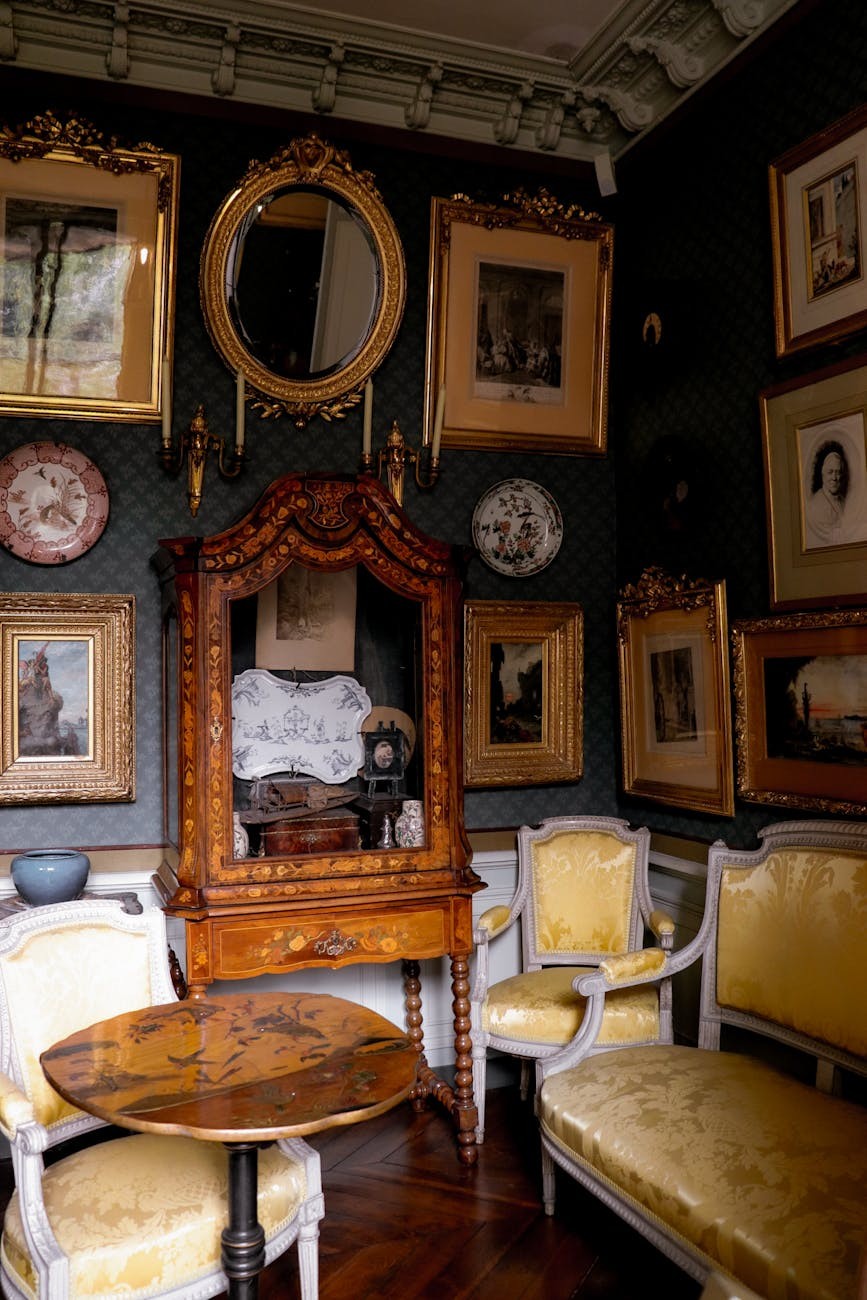
Thrift stores offer an incredible opportunity to find unique and affordable home decor items that add personality and character to any space. Decorative pieces like vases, picture frames, and wall art can be significantly less expensive when sourced secondhand, allowing for stylish home updates on a budget. Trends for 2025 and 2026 highlight a return to collected interiors, with an emphasis on items that add history and timelessness, such as ceramics, mirrors, and lamps. High-quality clear glass, often heavy-weighted, and unique vintage accessories are also popular finds. These items can add instant patina and charm, proving that stylish home decorating doesn’t require a high price tag.
5. Jewelry
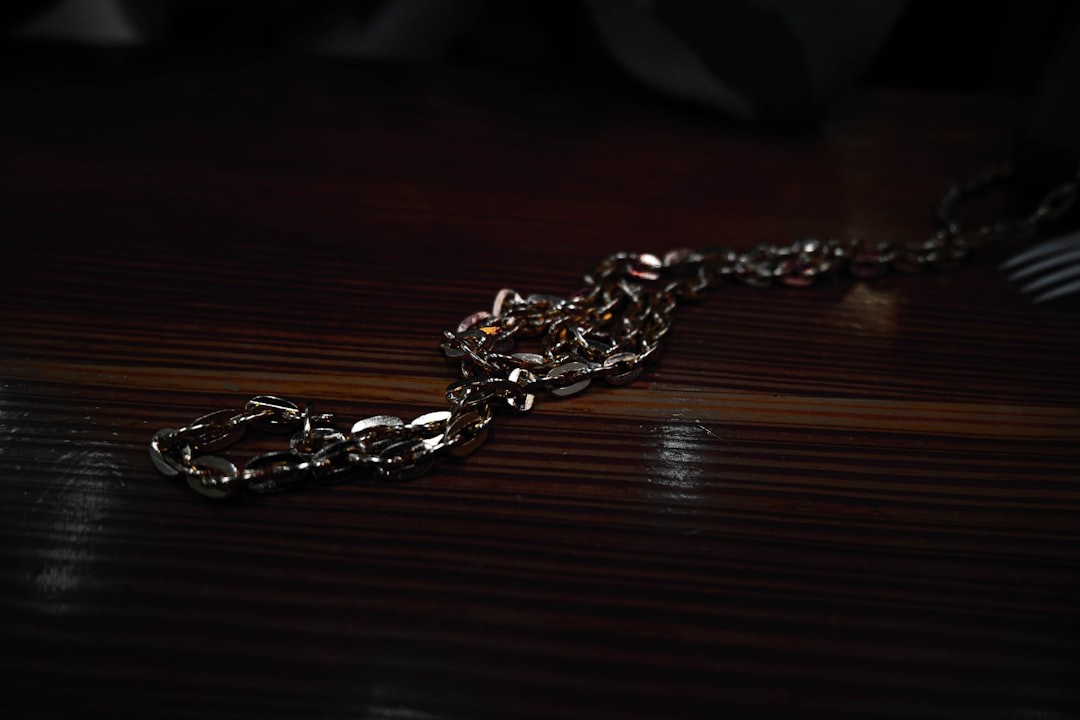
Thrifting for jewelry can yield remarkable finds, from vintage statement pieces to everyday accessories, at a fraction of their original cost. The key to successful jewelry thrifting lies in inspecting for quality, looking for unique and vintage designs, and understanding materials. Hallmarks, maker’s marks, and stamps can indicate purity and designer signatures, while the weight of the piece can suggest precious metals like gold or silver. While new jewelry can be expensive, secondhand options like gold-plated or sterling silver pieces offer the look of luxury for less. Many stores have locked cases with valuable items, and prices can sometimes be negotiated. With a keen eye and a bit of research, thrift stores can be a treasure trove for distinctive and valuable jewelry.
6. Accessories
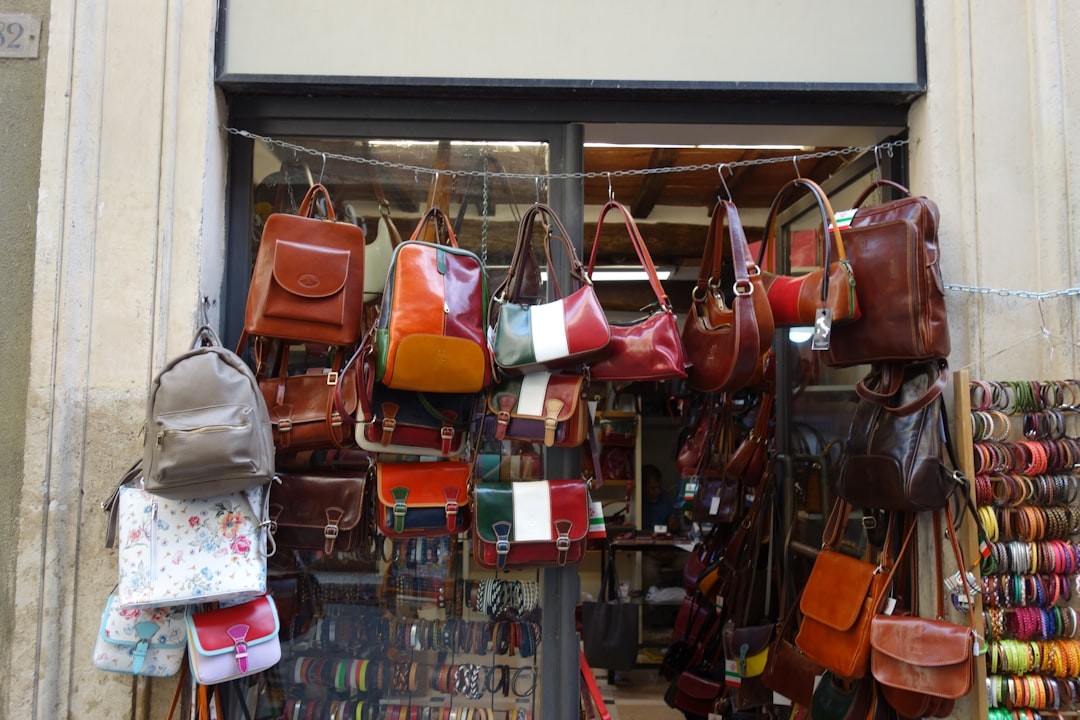
Beyond clothing, thrift stores are excellent sources for a variety of accessories, including belts, scarves, handbags, and shoes, all at considerably lower prices than retail. These items can elevate an outfit and express personal style without a significant financial investment. Finding unique, vintage accessories can be particularly rewarding, as they often possess a quality and character that is hard to find in mass-produced trendy items. Some thrift stores even have locked cases featuring brand-name accessories at greatly reduced prices. When considering shoes, while some brands are easier to find secondhand, it’s often advisable to try them on in-store before purchasing.
7. Entertainment: Books, DVDs, Vinyl Records & CDs
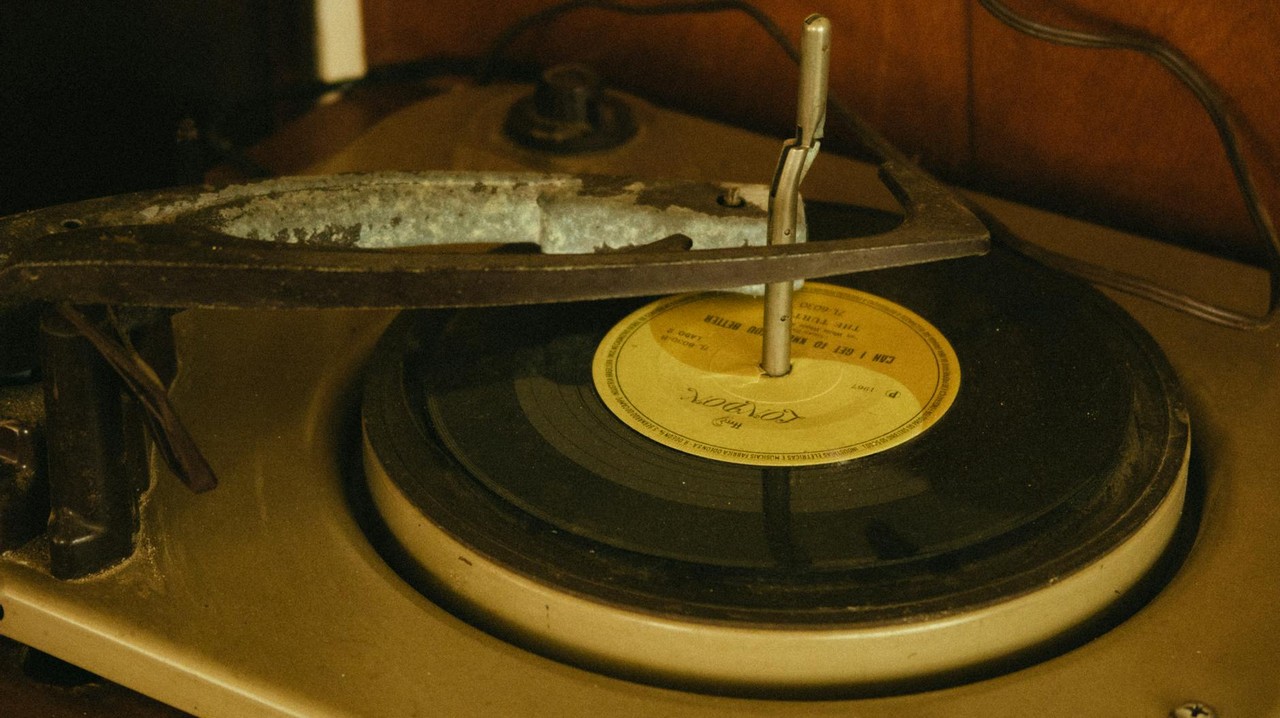
Thrift stores offer a budget-friendly gateway to a world of entertainment, from classic novels to beloved music and films. Beyond books, which are a well-established thrift store staple for their cost savings and environmental benefits, DVDs, vinyl records, and CDs can also be found in abundance. These physical media offer an alternative to streaming services and can be acquired for minimal cost. Music fans can discover hidden gems for their playlists, while movie buffs can build a collection of films without recurring subscription fees. This category represents an accessible and affordable way to expand one’s cultural horizons and entertainment options.
8. Kitchenware
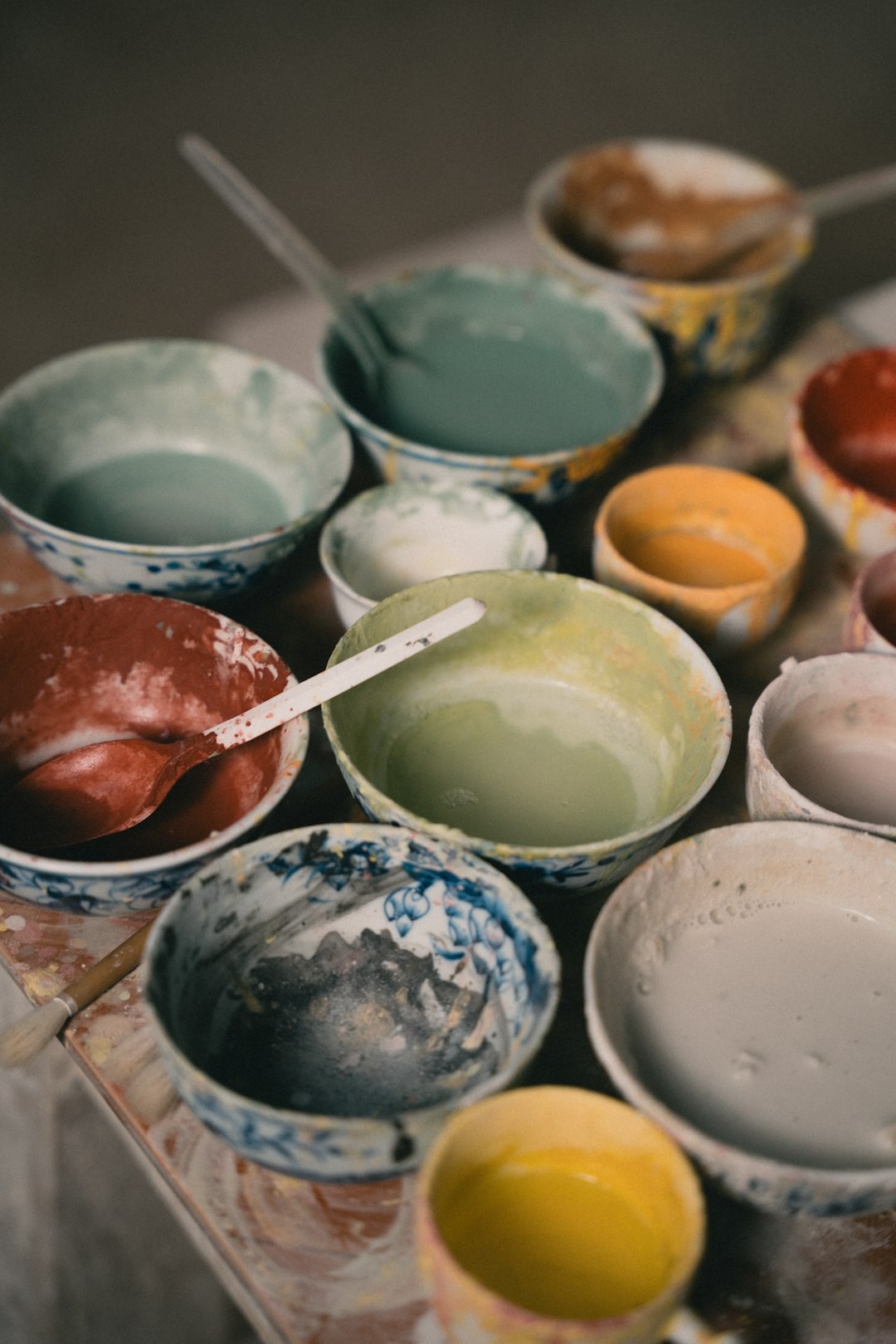
For those setting up a new home or looking to replace worn items, thrift stores provide an excellent source for affordable kitchenware. Dishes, cookware, and glassware are frequently donated in excellent condition, offering quality brands at a fraction of their original price. While new, inexpensive tableware might break easily, thrifted pieces, especially those made from durable materials, can be more robust. The trend of mixing and matching is also embraced, making it easy to create a unique and personalized collection of tableware and kitchen tools. Small appliances, often built with durable materials in older models, can also be a worthwhile find.
Leave a Reply