
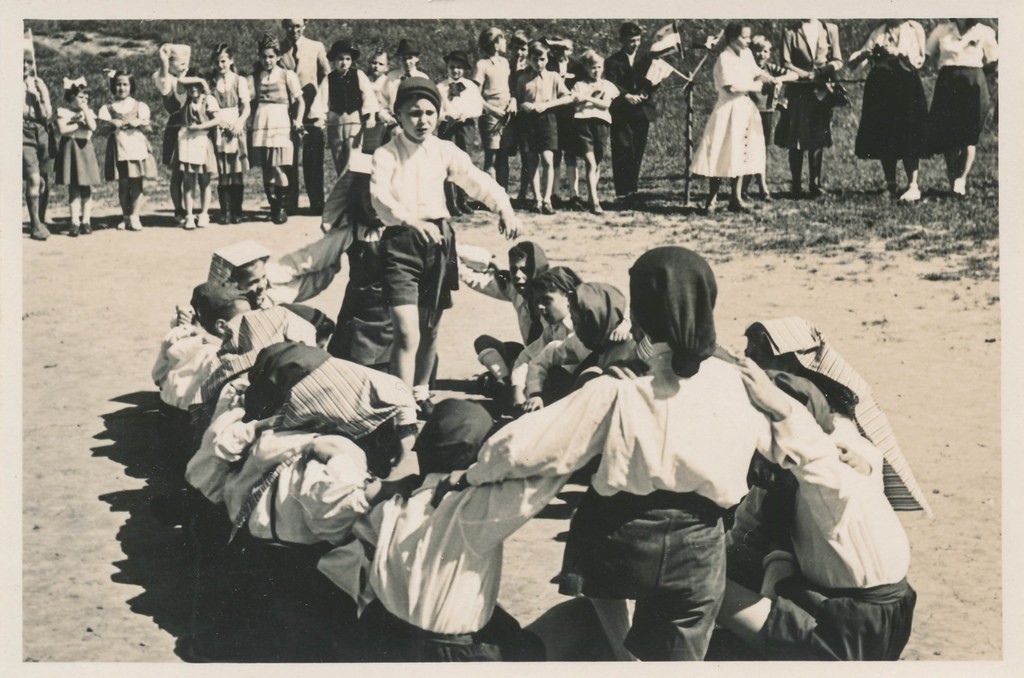
The carefree days of the 1970s playground, filled with boisterous games and scraped knees, are a distant memory for many. Increased concerns over safety, liability, and a more risk-averse societal approach have led to the prohibition of numerous beloved childhood pastimes in schools across the United States. What was once considered harmless fun is now often deemed too dangerous, resulting in a generation of children who may never experience these now-banned activities.
Red Rover

Red Rover, a game where teams called out to individuals to run and break through their linked arms, was a staple of 1970s playgrounds. However, its inherent risk of causing injuries, including broken bones and concussions, has led to its widespread ban in many school districts. The forceful collisions and potential for severe physical harm made it a liability too significant for schools to permit. Reports of serious injuries, such as a $15,000 settlement for a broken leg in one California district, highlight the tangible dangers associated with the game.
Dodgeball
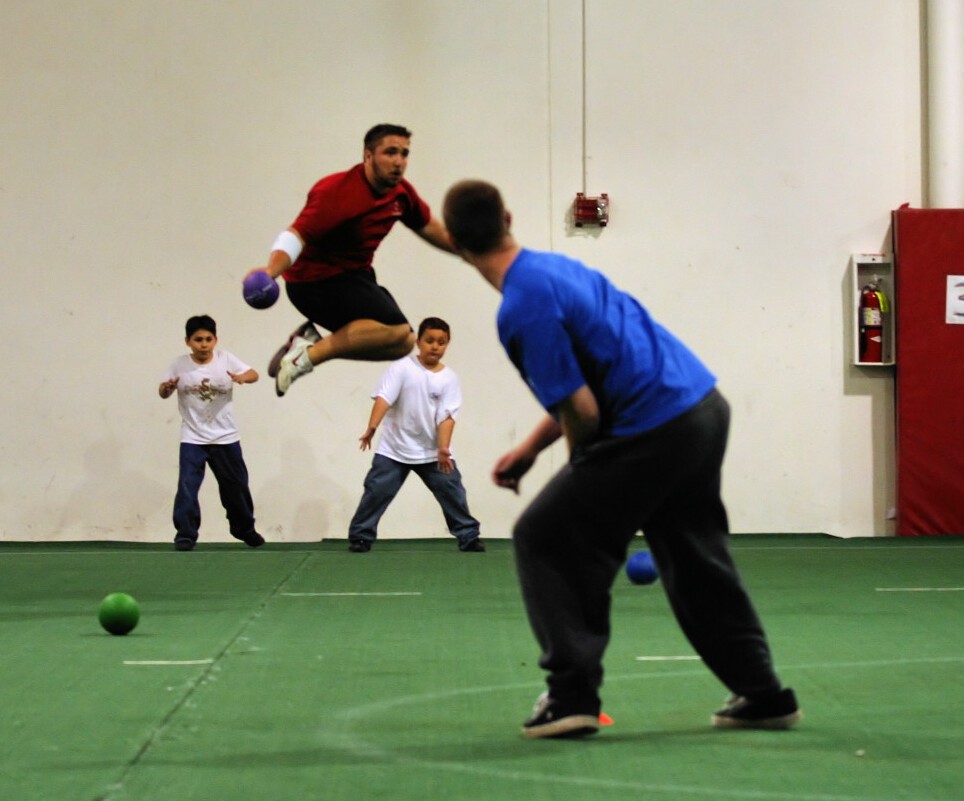
Dodgeball, particularly the “hardball style” popular in the 1970s using denser rubber balls, presented a significant risk of injury. Being hit by these harder balls, especially in sensitive areas like the face or stomach, was common and often painful. The game’s aggressive nature and the potential for forceful impact led schools to ban it, viewing it as a potential tool for bullying and a source of injuries. The debate around banning dodgeball resurfaced in 2019, with some educators noting the irony of its removal during a focus on social-emotional learning.
British Bulldog
British Bulldog, a game of intense chasing and tackling, involved players sprinting across a playground while one or more “bulldogs” attempted to stop them. The physical nature of the game, often resulting in pile-ups and injuries, led to its prohibition. Teachers have cited concerns about broken bones as a primary reason for banning British Bulldog. Its rough-and-tumble style, while exhilarating for participants, posed too great a risk for unsupervised schoolyard play.
Conkers
The traditional game of conkers, where players compete by smashing horse chestnuts threaded onto strings, has also fallen victim to school bans. Concerns over nut allergies, a growing issue, and the potential for flying conkers to cause eye injuries have contributed to its restriction. While not universally banned, many schools have opted to disallow it to mitigate potential health risks and ensure a safer environment for all students. The simplicity and natural materials of conkers belie the safety considerations that now surround it.
Marbles
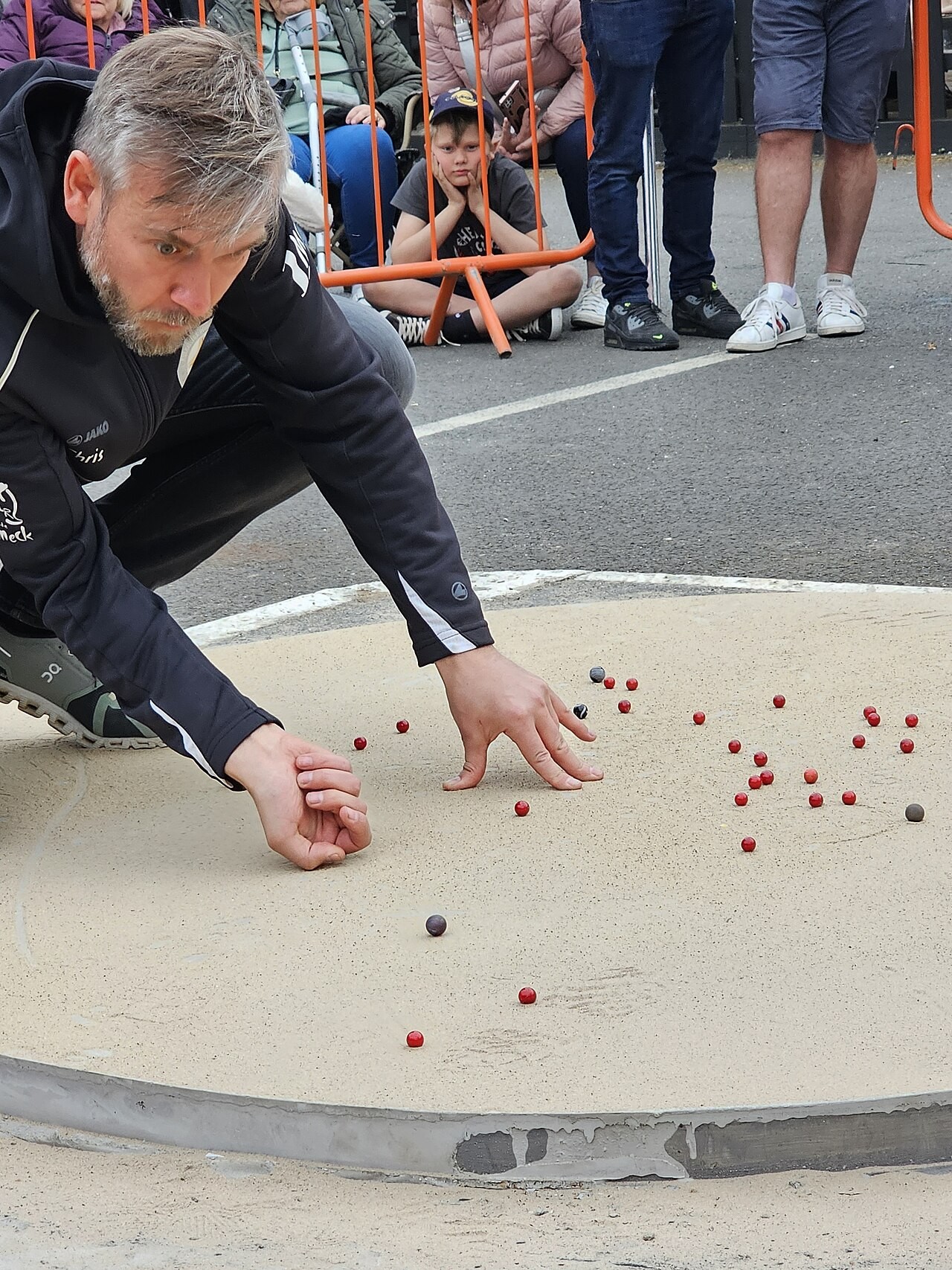
While seemingly innocuous, games involving marbles have also faced bans in some educational settings. The primary concerns cited are that marbles can be a choking hazard for younger children, easily get lost, and can lead to disputes and arguments over gameplay and wins. Furthermore, some schools raised concerns about the potential for gambling-like trading, where children might lose their entire collection in games. The small size and portability of marbles contribute to these varied safety and behavioral concerns.
Tag (Chasing Games)
Tag, in its various forms, has been a ubiquitous playground game for generations. However, modern interpretations and the sheer energy with which children play have led to concerns about collisions, falls, and general roughness. In 2013, one elementary school in Michigan implemented a “No Tag, No Chasing” policy due to perceived safety issues arising from children running in packs and knocking each other over. While designed for fun, the potential for uncontrolled movement and contact makes it a target for safety regulations.
Cartwheels

Even activities as seemingly simple as cartwheels have come under scrutiny in school environments. A middle school in New York, for instance, restricted cartwheels unless supervised by a coach, citing them as too risky. School administrators have expressed concerns that such activities, even if performed with good intentions, can lead to serious injuries. The push for increased safety has led to limitations on physical activities that were once common and freely practiced during recess.
“The Train”
“The Train,” a game where children hold onto each other’s backs to form a long, moving line, has been banned due to its potential for dangerous collisions. When multiple “trains” operated simultaneously or when trains became excessively long, the risk of children crashing into one another increased significantly. This game, similar in its chain-like movement to the classic snake game, was deemed too hazardous for the often-crowded and energetic environment of a school playground.
Wall Ball
Games involving bouncing a ball against a wall, often referred to as wall ball, were also popular in the 1970s. These games, which sometimes included clapping routines or specific movements, have been restricted in some schools. Concerns likely revolve around the use of hard balls, the unpredictable bounce, and the potential for collisions or impacts with the wall or other players. The dynamic and fast-paced nature of wall ball games contributed to their eventual phasing out in favor of less physically demanding activities.
Leave a Reply