
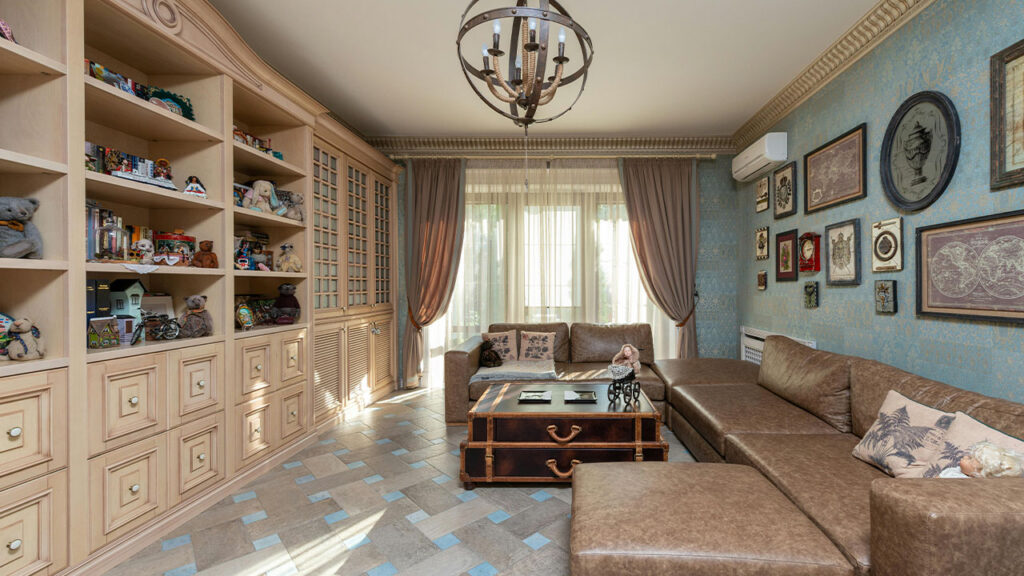
Your home should be more than just a place to sleep and store your belongings; it should be a retreat from the noise of the outside world. In an era of constant connectivity and busy schedules, the environment we return to at the end of the day profoundly impacts our mental well-being. Transforming your house into a true sanctuary doesn’t require a massive renovation—it requires intentionality in how you curate your space and your habits.
Declutter for Mental Clarity
Physical clutter often translates to mental static. When our visual field is crowded with “to-do” items—piles of mail, laundry, or unorganized trinkets—our brains find it difficult to fully switch off. Start by clearing flat surfaces like kitchen counters and coffee tables. By adopting a “less is more” philosophy, you allow the architecture of your home to breathe, creating a sense of openness that invites calm. Ask yourself, “Does this item contribute to my peace, or is it just taking up space?”
Harness the Power of Sensory Design
A sanctuary should appeal to all five senses to ground you in the present moment. Consider the lighting in your home; harsh overhead lights can trigger alertness, while warm, dimmable lamps and candles signal to your nervous system that it is time to rest. Incorporate soft textures through linen throws or plush rugs to add a layer of physical comfort. Integrating natural elements, such as indoor plants or the scent of essential oils like lavender and sandalwood, can further bridge the gap between your indoor life and the soothing effects of nature.
Designate “No-Phone” Zones
One of the greatest intruders of peace within the home is the digital world. To protect the sanctity of your living spaces, designate specific areas—like the dining room or the master bedroom—as tech-free zones. This boundary ensures that these spaces remain dedicated to rest and connection rather than scrolling and stress. By physically removing devices from your sanctuary, you create room for deeper conversation, quiet reflection, or the simple joy of a good book.
Establish Transition Rituals
Creating a peaceful home is as much about your actions as it is about your decor. Establish “threshold rituals” to help you leave the workday behind the moment you walk through the door. This could be as simple as changing into comfortable clothes, lighting a specific candle, or playing a “homecoming” playlist. These small, repetitive actions serve as a signal to your brain that you have entered a safe space where the pressures of the world no longer apply.
Create a Personal “Quiet Nook”
Even in a busy family home, every individual needs a corner that is entirely theirs. Whether it’s a comfortable armchair by a window, a small meditation cushion in a spare room, or a well-organized desk, having a dedicated spot for solitude is vital. This “nook” should be a place where you can go to recharge without interruption. When your family understands that this space is for quiet time, it fosters a culture of mutual respect for one another’s need for peace.
Bring the Outside In
Nature is a natural antidote to stress. Beyond just adding plants, try to maximize the natural light in your home by keeping windows clear and using mirrors to reflect sunlight. If you have a view of trees or the sky, arrange your furniture to highlight it. Bringing in natural materials like wood, stone, and cotton helps create a grounded, organic atmosphere that feels timeless and restorative.
Prioritize the Bedroom as a Sleep Haven
If you only focus on one room, make it the bedroom. Since sleep is the foundation of peace, your bedroom should be the ultimate sanctuary. Keep this room slightly cooler, use high-quality bedding, and remove any items related to work or chores. By treating the bedroom as a sacred space for rest and intimacy, you ensure that you wake up every morning feeling rejuvenated and ready to face the world with a calm heart.
Leave a Reply