
Many of the foods we consume daily have unexpected histories, with roots reaching back to ancient civilizations, cross-continental voyages, and even accidental kitchen discoveries. These familiar staples often have stories far richer and more complex than their simple presence on our plates might suggest. From humble beginnings to global phenomena, their journeys offer a fascinating glimpse into culinary evolution and cultural exchange.
Ketchup

The ubiquitous condiment, ketchup, has an origin story that is surprisingly far removed from its current tomato-centric form. Its roots can be traced back to imperial China, around 300 B.C., where a fermented fish sauce, known as “ke-tsiap,” was a common condiment. This savory sauce, made from ingredients like fermented fish entrails, meat byproducts, and soybeans, eventually traveled along trade routes to Southeast Asia and then to Europe with British traders. Early European versions, still without tomatoes, incorporated ingredients like mushrooms, walnuts, oysters, or anchovies in an attempt to replicate the original’s complex flavor. It wasn’t until 1812 that the first tomato-based ketchup recipe was published by James Mease in Philadelphia, who referred to tomatoes as “love apples”. The addition of vinegar and sugar, along with improved preservation methods, led to the ketchup we recognize today, with Henry J. Heinz revolutionizing its production and popularity in the late 19th century.
French Fries
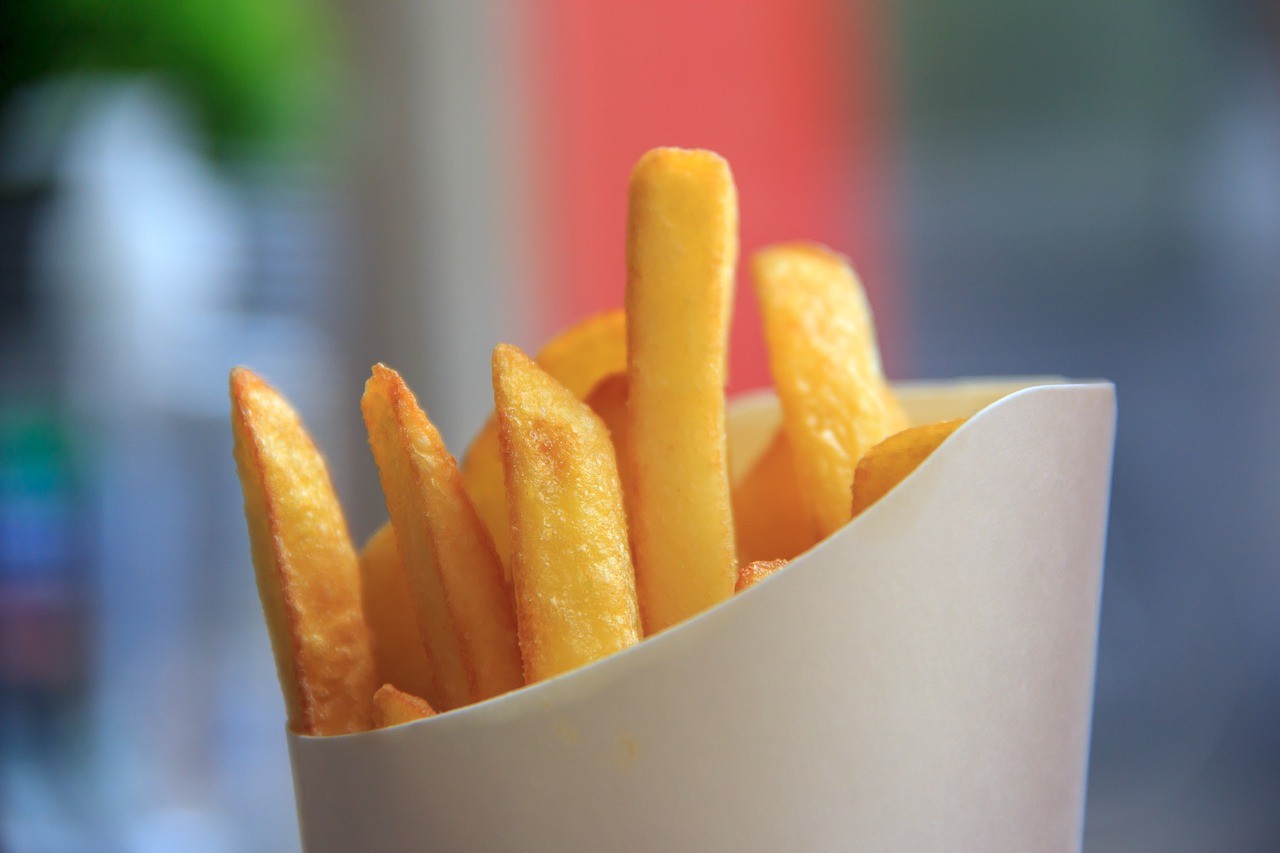
The origin of French fries, a beloved global snack, is a subject of culinary debate, with both France and Belgium laying claim to their invention. One popular theory suggests that fries originated in Belgium in the late 1600s. Legend has it that poor villagers in the Meuse Valley, unable to fish due to frozen rivers during winter, began frying potato strips in oil as a substitute for their usual fried fish. Another account points to French influence, with mentions of “fried potatoes” appearing in French texts as early as 1775. It’s also noted that President Thomas Jefferson of the United States requested “potatoes served in the French manner” at a White House dinner in 1802. Regardless of the precise origin, the name “French fries” likely emerged when American soldiers encountered the dish during World War I, associating it with the French-speaking Belgian soldiers they were stationed with.
Chocolate Chip Cookies
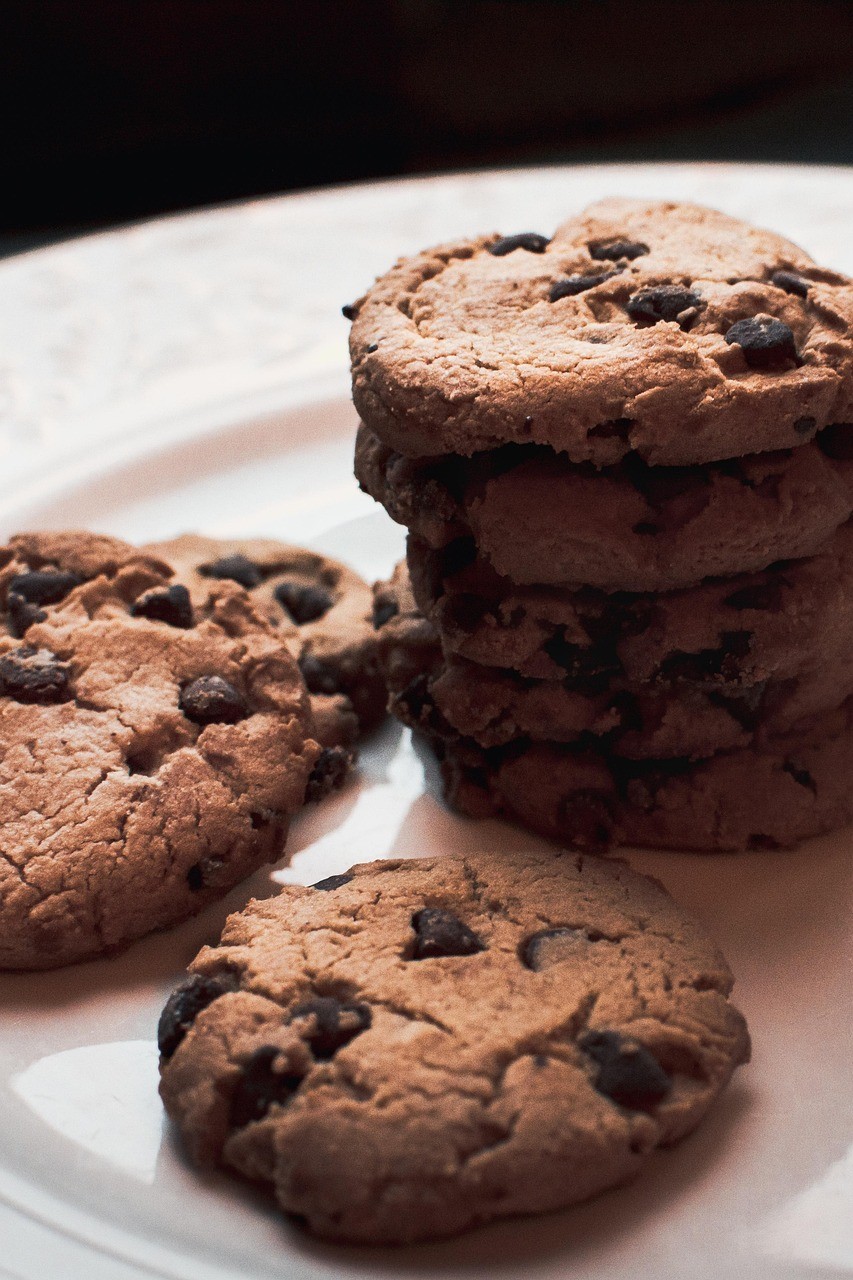
The invention of the chocolate chip cookie is a relatively recent and well-documented culinary event, largely credited to Ruth Wakefield. In the 1930s, Wakefield, the owner of the Toll House restaurant in Whitman, Massachusetts, was experimenting with her butter drop do cookie recipe. According to the popular story, she ran out of baker’s chocolate and substituted it with small pieces of a Nestlé semi-sweet chocolate bar, expecting them to melt into the dough. To her surprise, the chocolate chunks retained their form, creating the first chocolate chip cookie. The recipe became a local sensation, and Wakefield eventually struck a deal with Nestlé in 1939, granting them rights to use her recipe in exchange for a lifetime supply of chocolate and one dollar. The recipe was published in her cookbook and quickly became a national favorite.
Doughnuts

The history of doughnuts is a journey through centuries and continents, with fried dough traditions present in many cultures long before the modern doughnut emerged. Ancient Romans and Greeks enjoyed sweetened fried dough, and traces have been found in prehistoric Native American settlements. The doughnut as we recognize it today, however, is largely attributed to Dutch immigrants in 17th and 18th century New York, who made fried dough balls known as “olie koeken” or “oil cakes”. These early versions lacked the iconic ring shape; the hole was later added, with American ship captain Hanson Gregory often credited with this innovation in 1847 to ensure the dough cooked evenly. Washington Irving’s 1809 book, “A History of New York,” is one of the earliest mentions of “dough-nuts” in the United States.
Salad Dressing
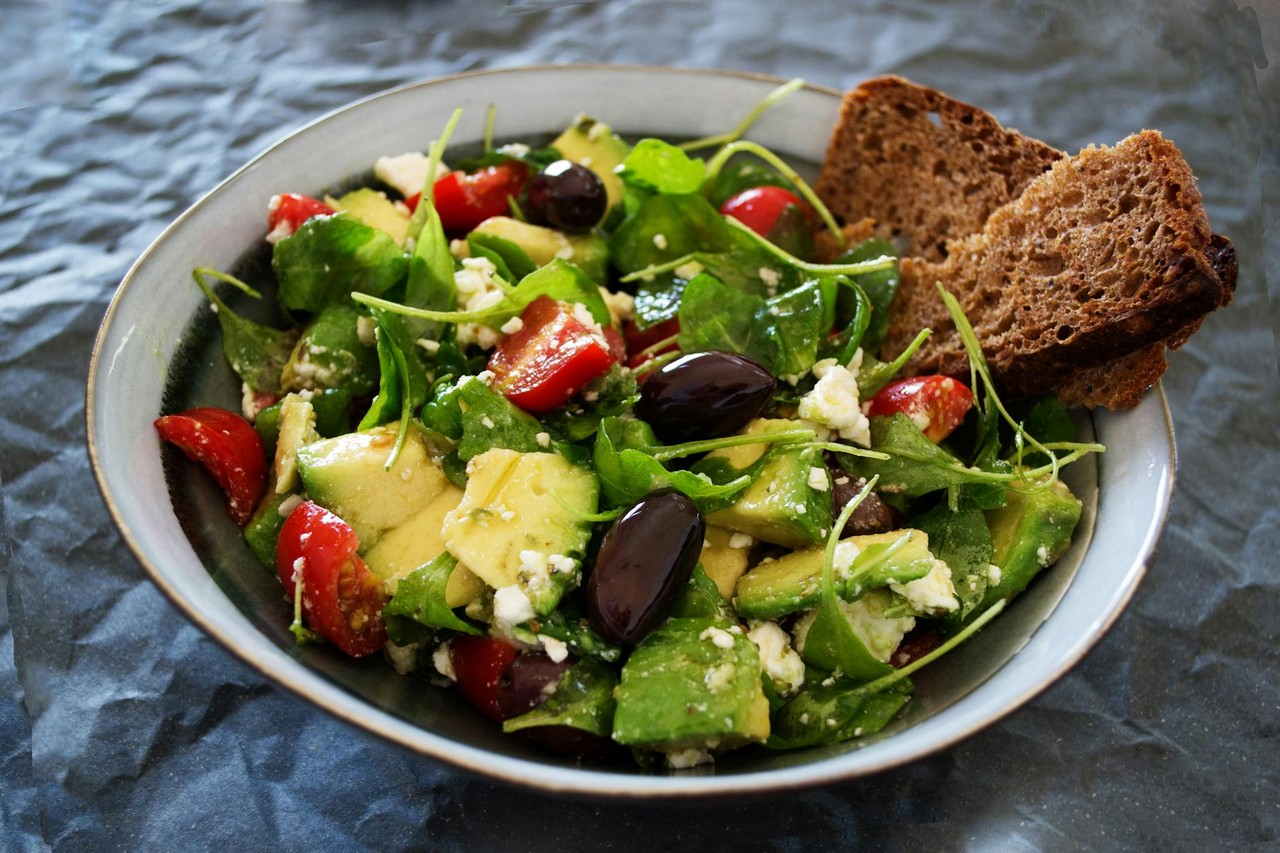
The concept of dressing salads with oil and vinegar dates back to ancient times. The Babylonians, nearly 2,000 years ago, are credited with creating the first iteration of salad dressing by combining oil, vinegar, and salt to enhance their greens. Similarly, Egyptians favored salads dressed with oil, vinegar, and spices. The invention of mayonnaise is often attributed to a French nobleman’s table over 200 years ago, though its precise origin is debated. Throughout history, chefs in European courts created elaborate dressings with numerous ingredients. The 20th century saw the rise of commercially bottled dressings, with brands like Marzetti and Hellmann’s gaining prominence. Today, the sheer variety of salad dressings available, from creamy ranch to zesty vinaigrettes, reflects a long tradition of culinary innovation.
Pasta
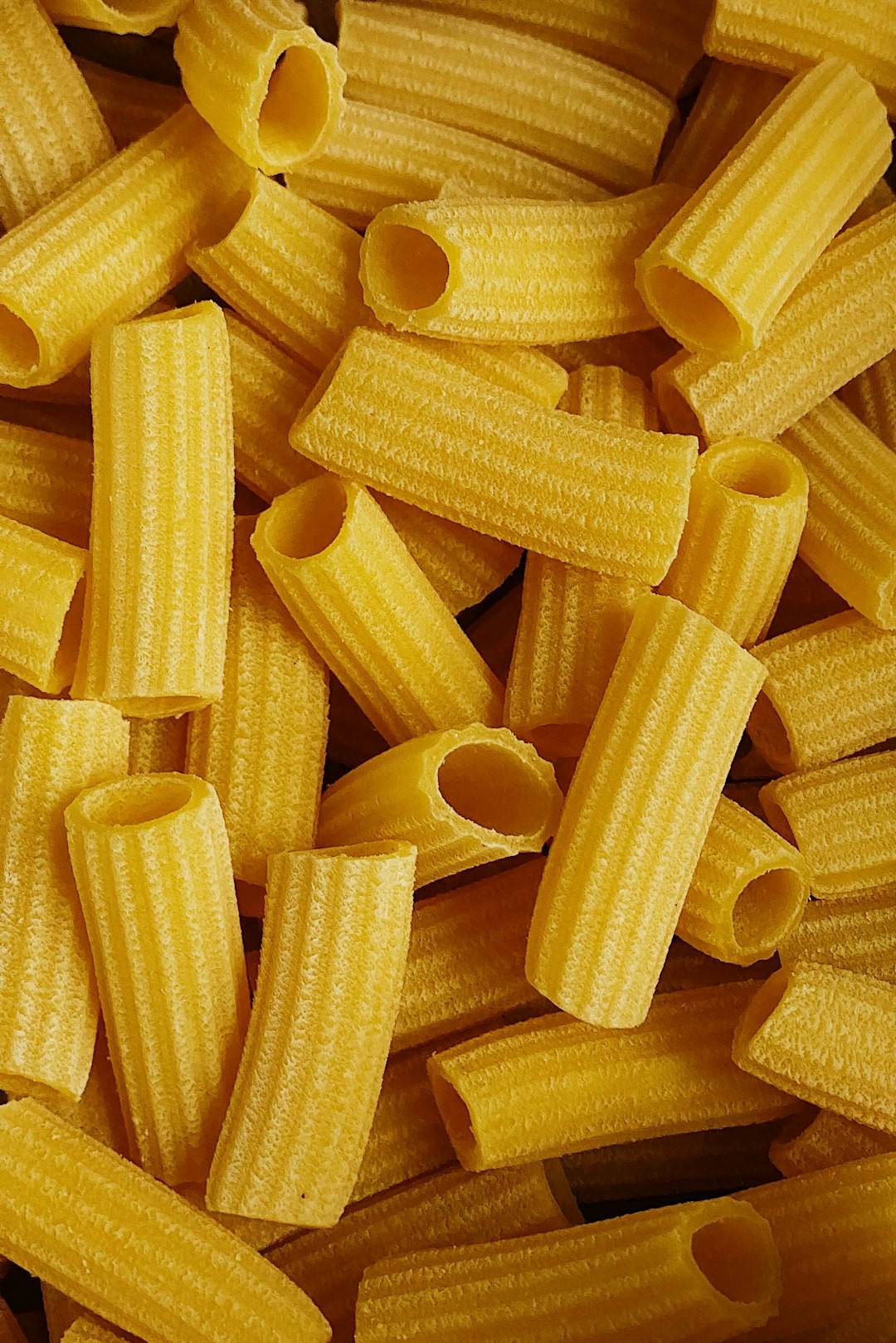
While widely associated with Italy, the origins of pasta are complex and span across multiple cultures and millennia. Evidence suggests that pasta-like foods existed in Asia, with China producing noodle-like dishes as early as 3000 B.C.. Ancient Etruscans in Italy were making pasta as early as 400 BCE. The legend of Marco Polo bringing pasta to Italy from China in the 13th century is largely refuted by historians, who point to earlier evidence of pasta in the Mediterranean world, possibly introduced by nomadic Arab traders. Pasta truly flourished in Italy after the medieval period, with the establishment of guilds and the refinement of techniques using durum wheat. The evolution into the diverse shapes and preparations known today was perfected in Italy, making it a staple of Italian cuisine.
Peanut Butter
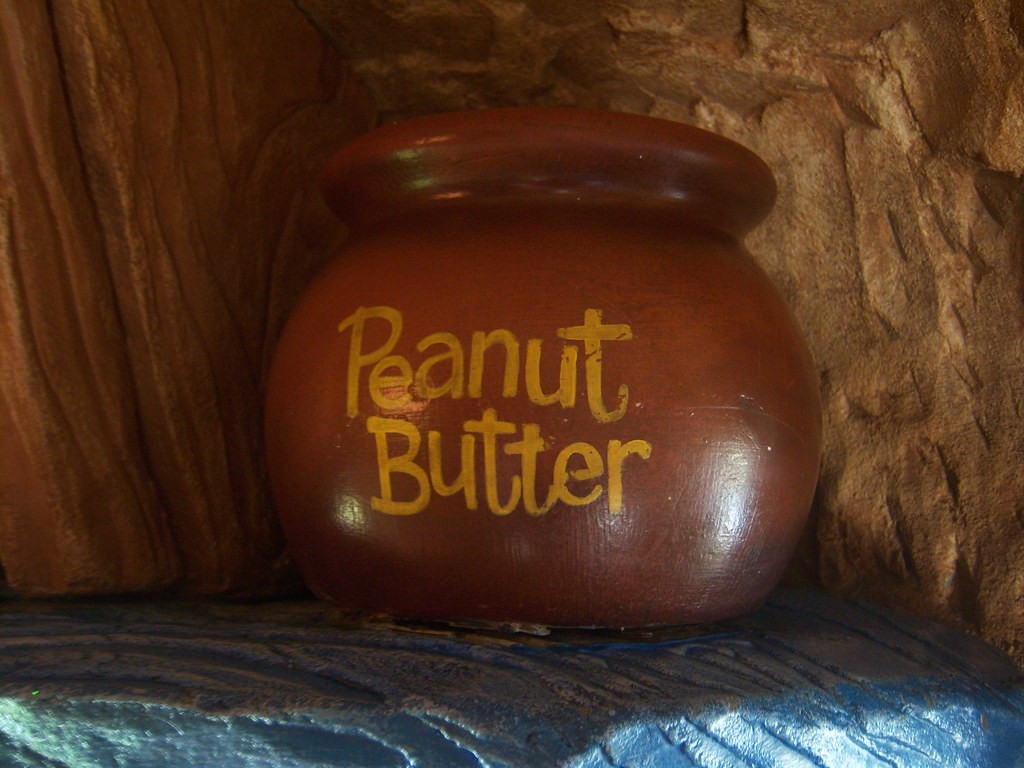
Peanut butter, a staple in many American households, has an origin that is surprisingly modern and linked to health and innovation. While peanuts themselves originated in South America and were cultivated by ancient civilizations, peanut butter as a spread was developed in the late 19th century. Dr. John Harvey Kellogg, known for his health-focused cereal company, patented a process for creating peanut butter in 1895. He intended it as a nutritious protein source for patients at his sanitarium who had difficulty chewing solid food. It was also around this time that chemist George Washington Carver researched and promoted various uses for peanuts, including the development of peanut butter, further popularizing its versatility. Early versions were often ground from raw peanuts, differing from today’s roasted varieties.
Ice Cream
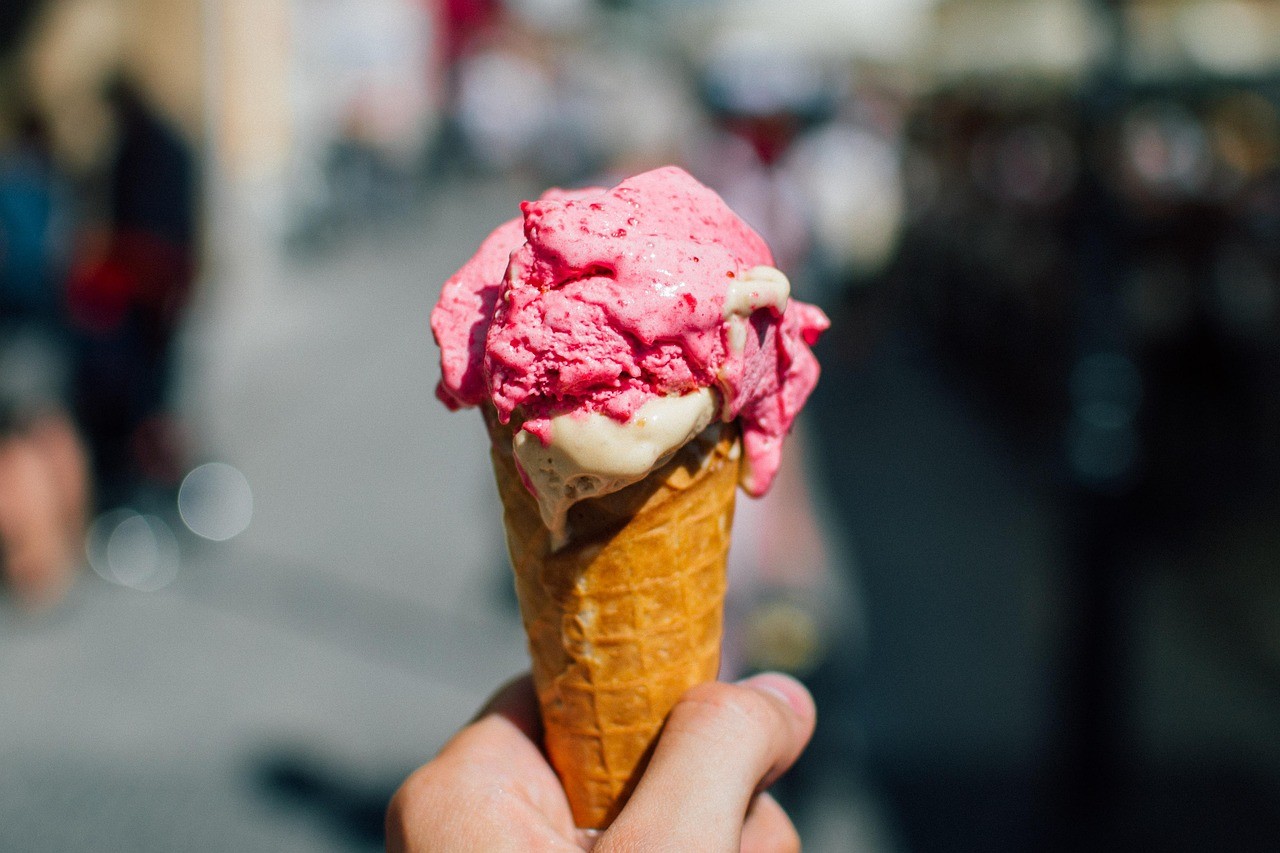
The origins of ice cream are as diverse and ancient as its global popularity suggests, with early frozen desserts appearing in multiple cultures. Evidence points to Persia and China as having some of the earliest frozen treats. In Persia, snow was mixed with fruit juices and sweeteners, while Chinese royals in the Tang Dynasty (618-907 CE) consumed frozen milk desserts. The concept of a creamy, custard-based ice cream began to emerge in Europe around the 17th and 18th centuries, particularly in Italy and France. Catherine de Medici is often, though perhaps mythically, credited with bringing Italian ice cream recipes to France in the 16th century. Ice cream arrived in America in the early 18th century, with figures like George Washington and Thomas Jefferson being notable enthusiasts. The invention of the hand-cranked ice cream maker by Nancy Johnson in 1843 and the first commercial ice cream factory by Jacob Fussell in 1851 made it more accessible.
Hot Dogs
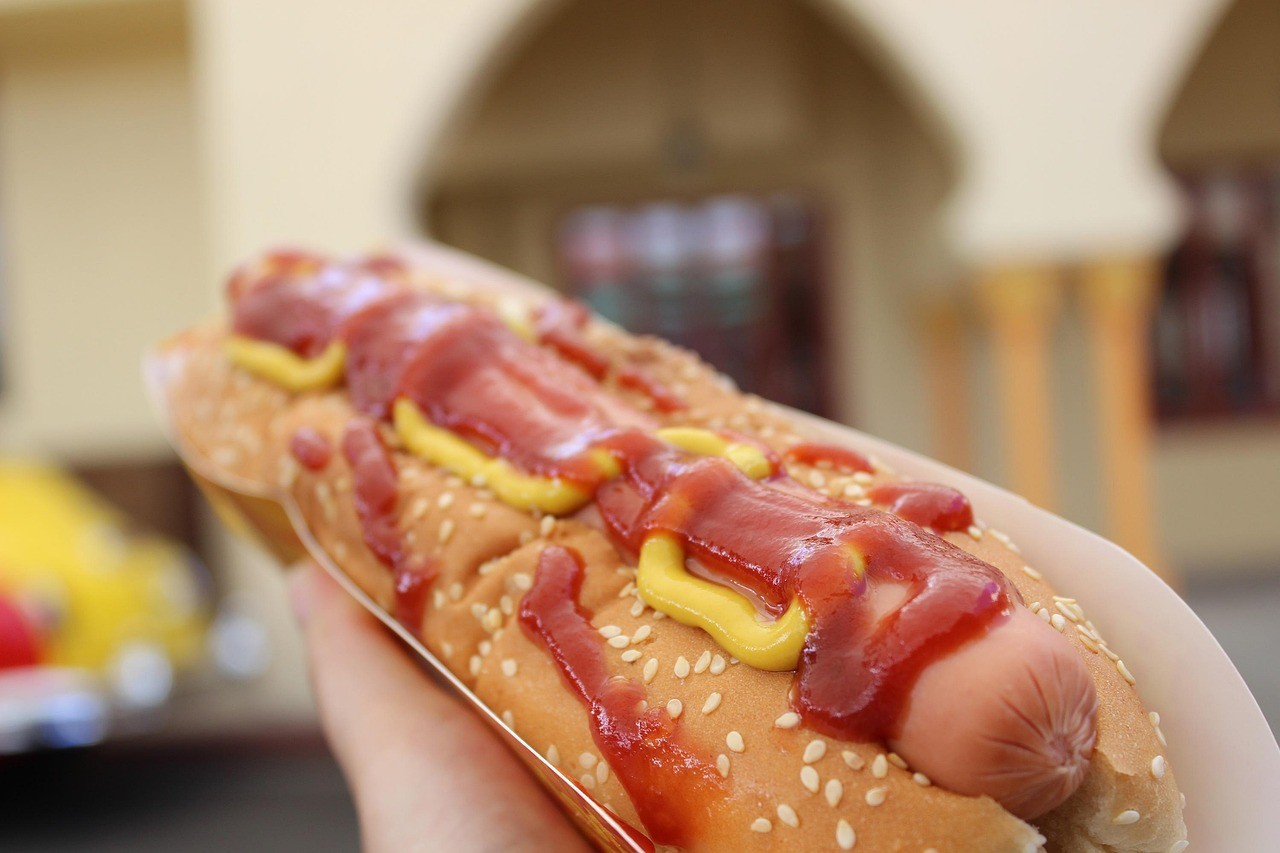
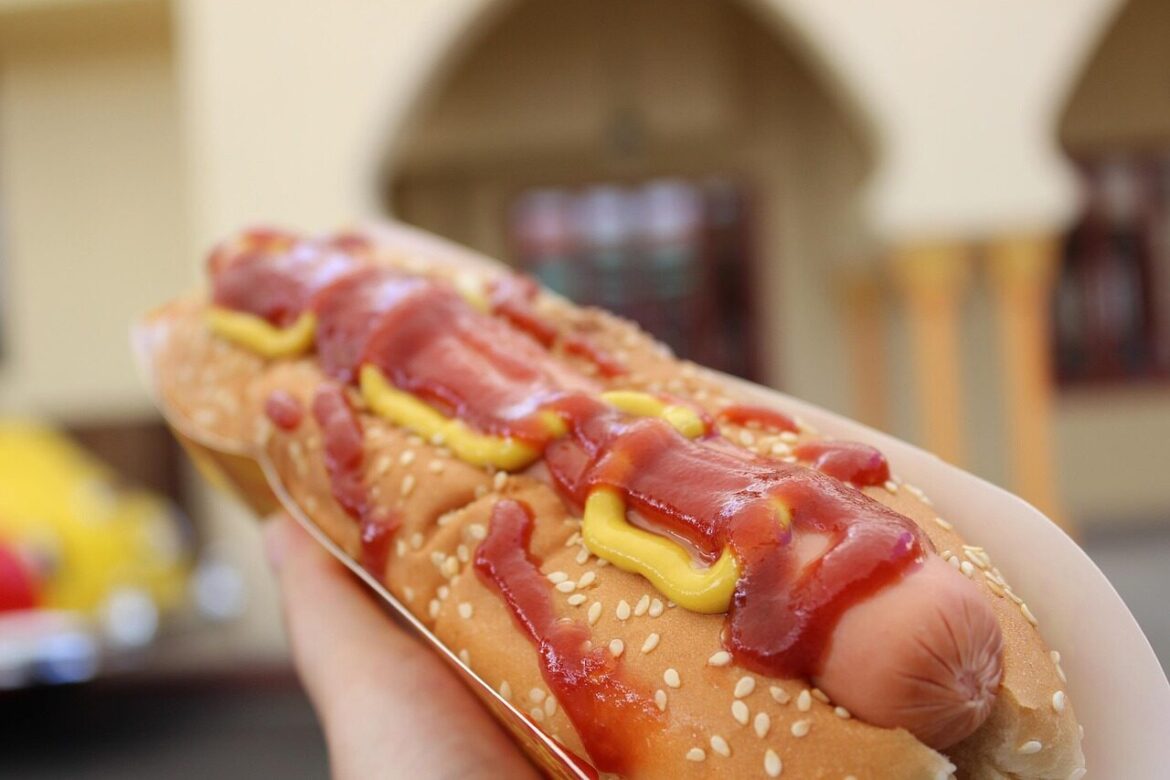
The exact birthplace of the hot dog remains a topic of debate, with origins often traced back to German and Austrian sausage-making traditions. Sausages have a long history, with references found in ancient Greek texts. The frankfurter sausage is believed to have originated in Frankfurt, Germany, as early as the 15th century, while the term “wiener” refers to Vienna, Austria. German immigrants brought these “dachshund sausages,” named for their resemblance to the dog breed, to the United States in the 1800s. The practice of serving sausages in a bun is also attributed to German immigrants, though the exact originator is unclear. The term “hot dog” itself is thought to have originated in American college campuses in the 1890s, possibly as a playful jab at the sausage’s appearance or origin.
Pizza
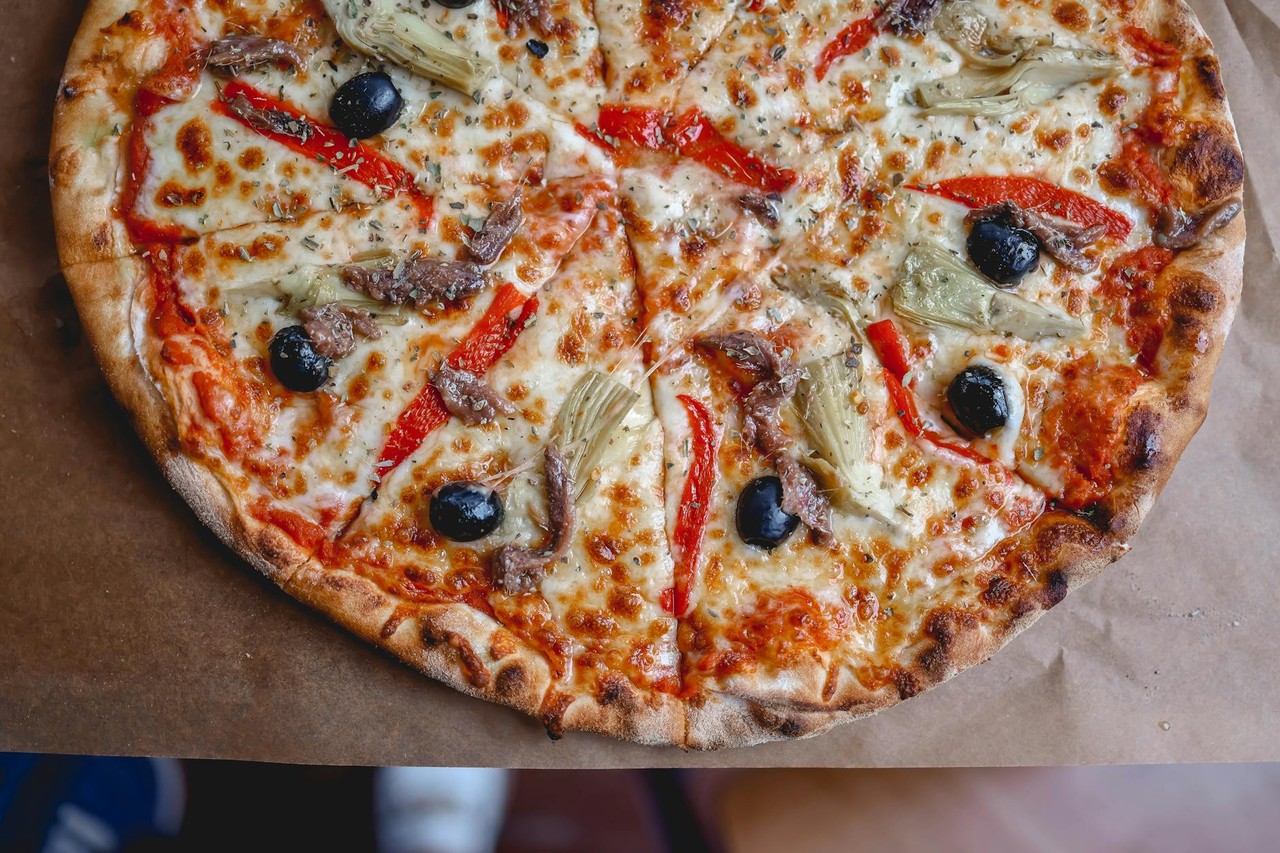
While modern pizza is synonymous with Italy, its roots extend back to ancient flatbreads. Ancient Egyptians, Greeks, and Romans consumed flatbreads topped with various ingredients. However, pizza as we know it today evolved in Naples, Italy, during the 18th and 19th centuries. The Neapolitan street food culture, characterized by poverty and a need for affordable, easily consumed food, provided the perfect environment for pizza’s development. The crucial addition that distinguished Neapolitan pizza was the use of tomatoes, a New World ingredient that found its culinary home on the flatbread. The iconic Pizza Margherita, named in honor of Queen Margherita of Savoy during her visit to Naples in 1889, features tomatoes, mozzarella, and basil, mirroring the colors of the Italian flag. The term “pizza” itself was first documented in a Latin manuscript from southern Italy in 997 CE.
Potato Chips
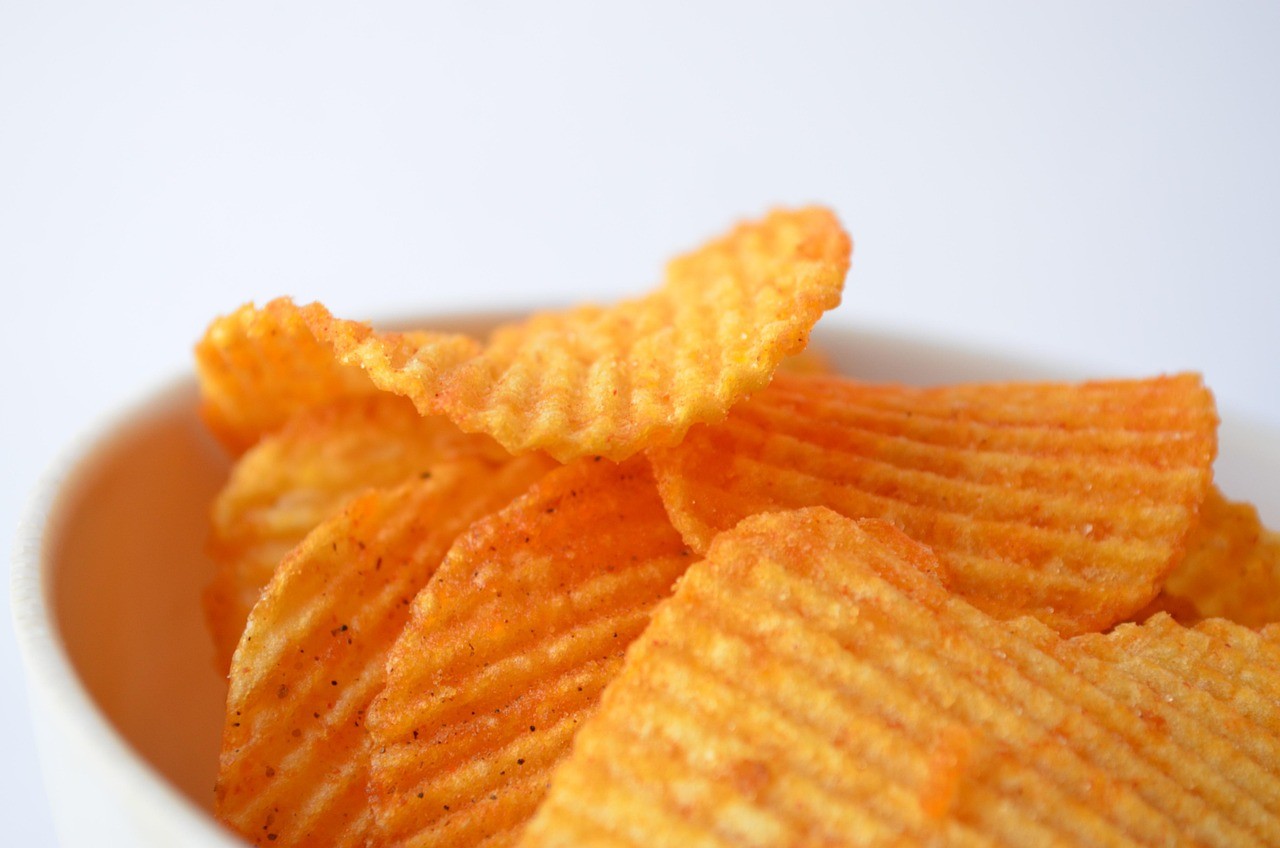
The creation of the potato chip is a classic tale of culinary accident and customer satisfaction, originating in Saratoga Springs, New York. In 1853, George Crum, a chef at Moon’s Lake House, was reportedly faced with a customer who repeatedly sent back his order of fried potatoes, complaining they were too thick. In a moment of frustration, Crum thinly sliced the potatoes, fried them to an extreme crisp, and served them as an unsolicited, ultra-thin alternative. To his surprise, the customer loved the crispy creation, which became known as “Saratoga Chips”. While Crum is widely credited with the invention, mass production and commercialization came later, with companies like Lay’s playing a significant role in popularizing them as a snack food across the United States in the 20th century.
Leave a Reply