
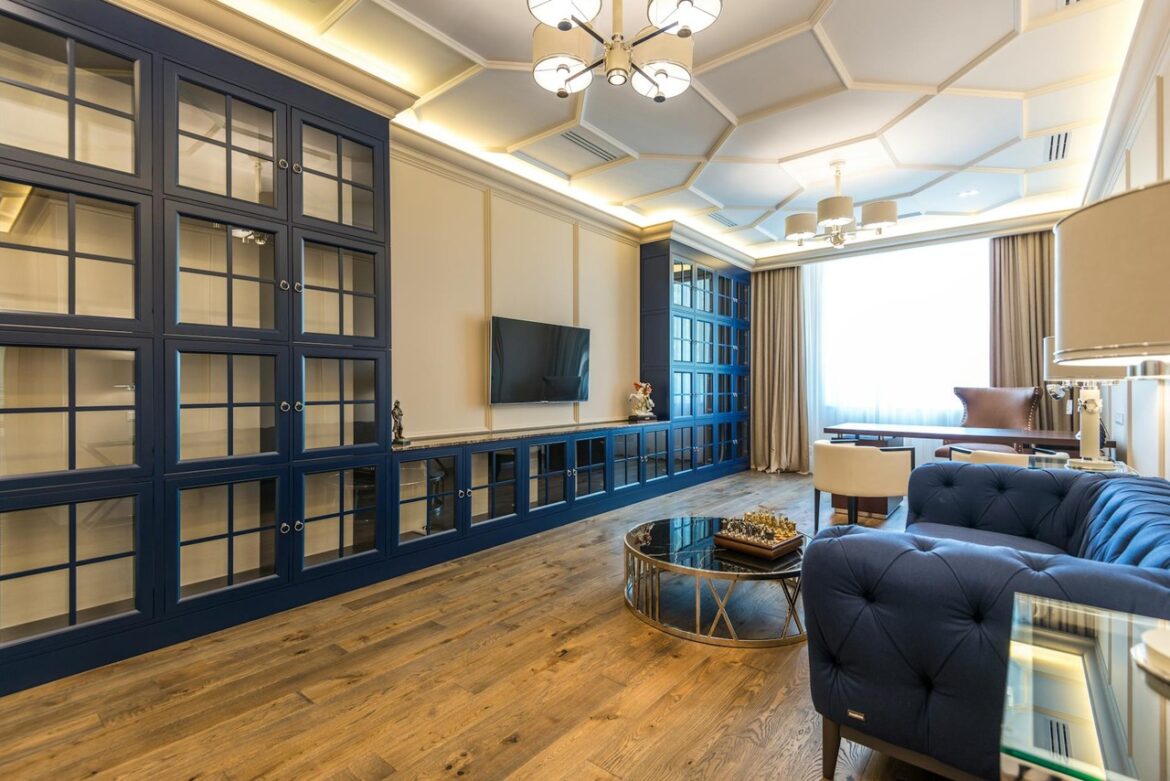
The trend of quiet luxury in home decor emphasizes understated elegance, prioritizing quality materials, craftsmanship, and timeless design over overt branding or flashy statements. This approach aims to create spaces that feel sophisticated, comfortable, and deeply personal, reflecting a refined taste that whispers rather than shouts. By focusing on the inherent beauty of materials and the intentionality of design, quiet luxury transforms a house into a sanctuary of enduring style and subtle opulence.
1. Curate a Palette of Warm Neutrals
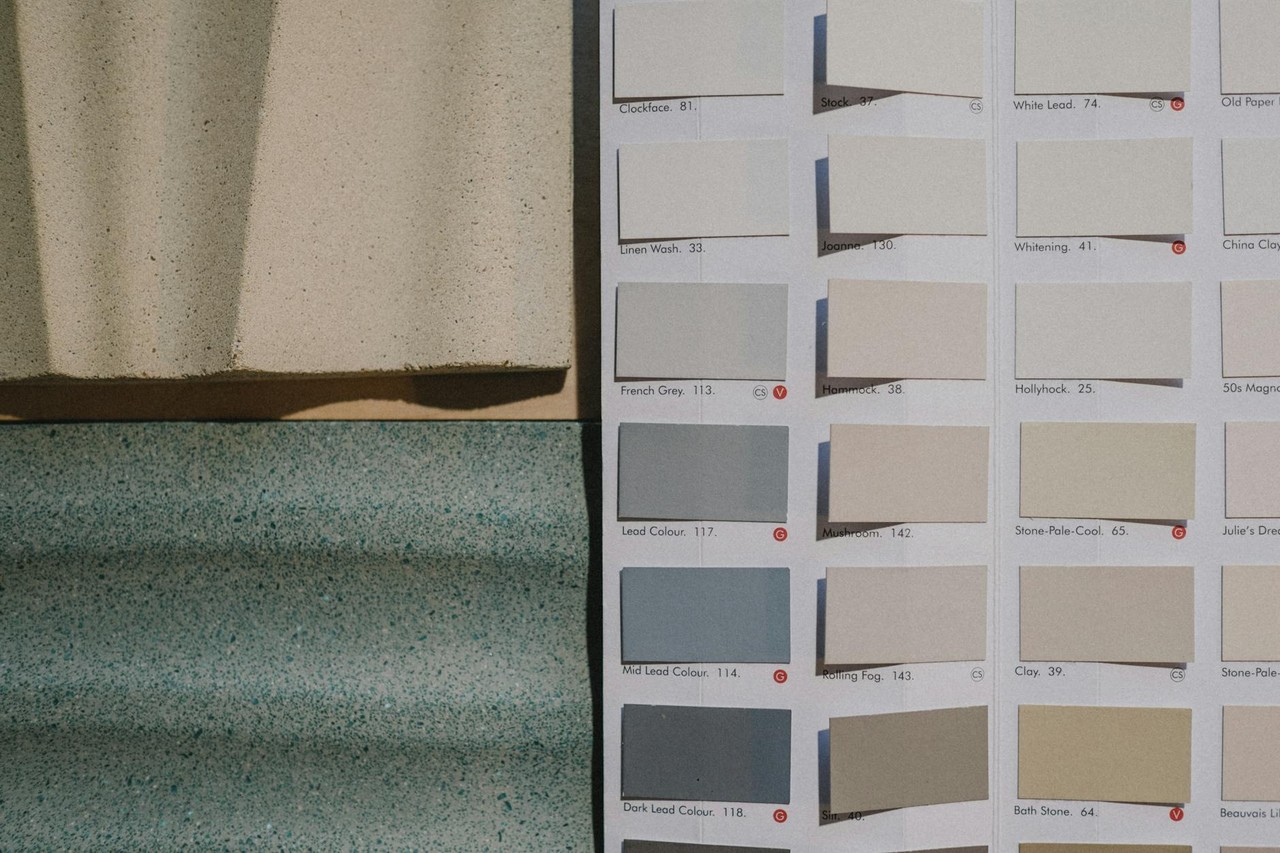
The foundation of a quiet luxury home lies in its color palette, which favors warm, earthy, and muted tones. Think of sophisticated shades like creamy whites, soft beiges, warm taupes, and gentle grays that create a serene and inviting atmosphere. Unlike stark minimalism, these nuanced neutrals add depth and warmth, making spaces feel cozy yet refined. This deliberate choice of color avoids visual clutter and serves as a versatile backdrop for higher-quality furnishings and textures. The subtle interplay of these colors, often within a limited range, allows for a cohesive and visually tranquil environment that promotes a sense of calm and sophistication. When selecting paint colors, consider those inspired by nature, such as soft blues, calming greens, whites, and warm tans, which contribute to a peaceful and balanced space that feels grounded and authentic.
2. Invest in High-Quality, Natural Materials
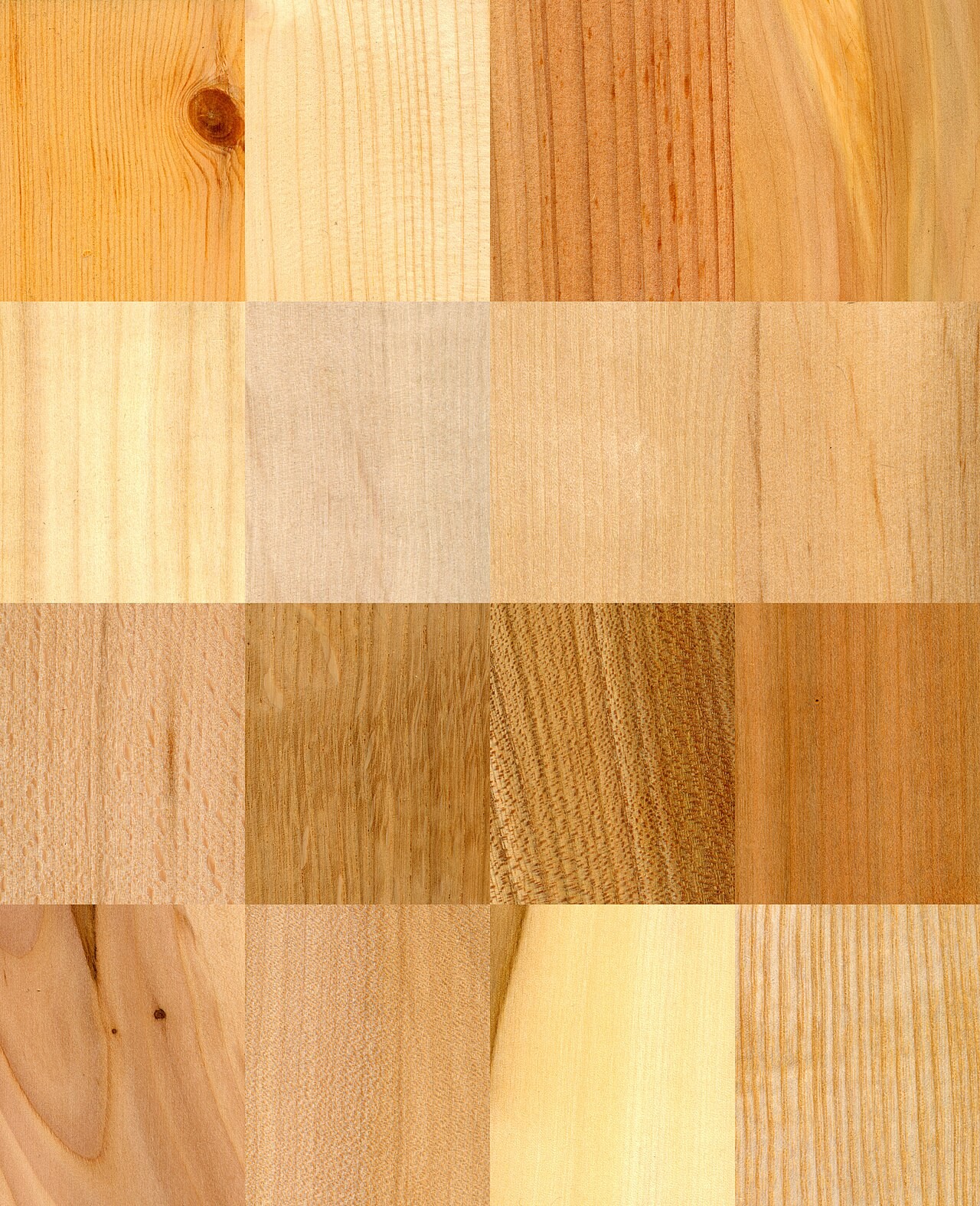
Quiet luxury is intrinsically linked to the quality and origin of materials used. Natural, enduring materials like solid hardwoods, marble with subtle veining, travertine, honed limestone, and unlacquered metals form the backbone of this aesthetic. These materials not only possess inherent beauty and texture but also age gracefully, developing character over time, which is a hallmark of true luxury. For instance, a marble countertop or natural wood flooring adds an immediate sense of refinement and permanence. The tactile quality of these materials is paramount; finishes should feel natural, like oil or wax on wood, rather than glossy or synthetic. This emphasis on authentic materials ensures a lasting elegance that transcends fleeting trends.
3. Embrace Texture Over Ornamentation
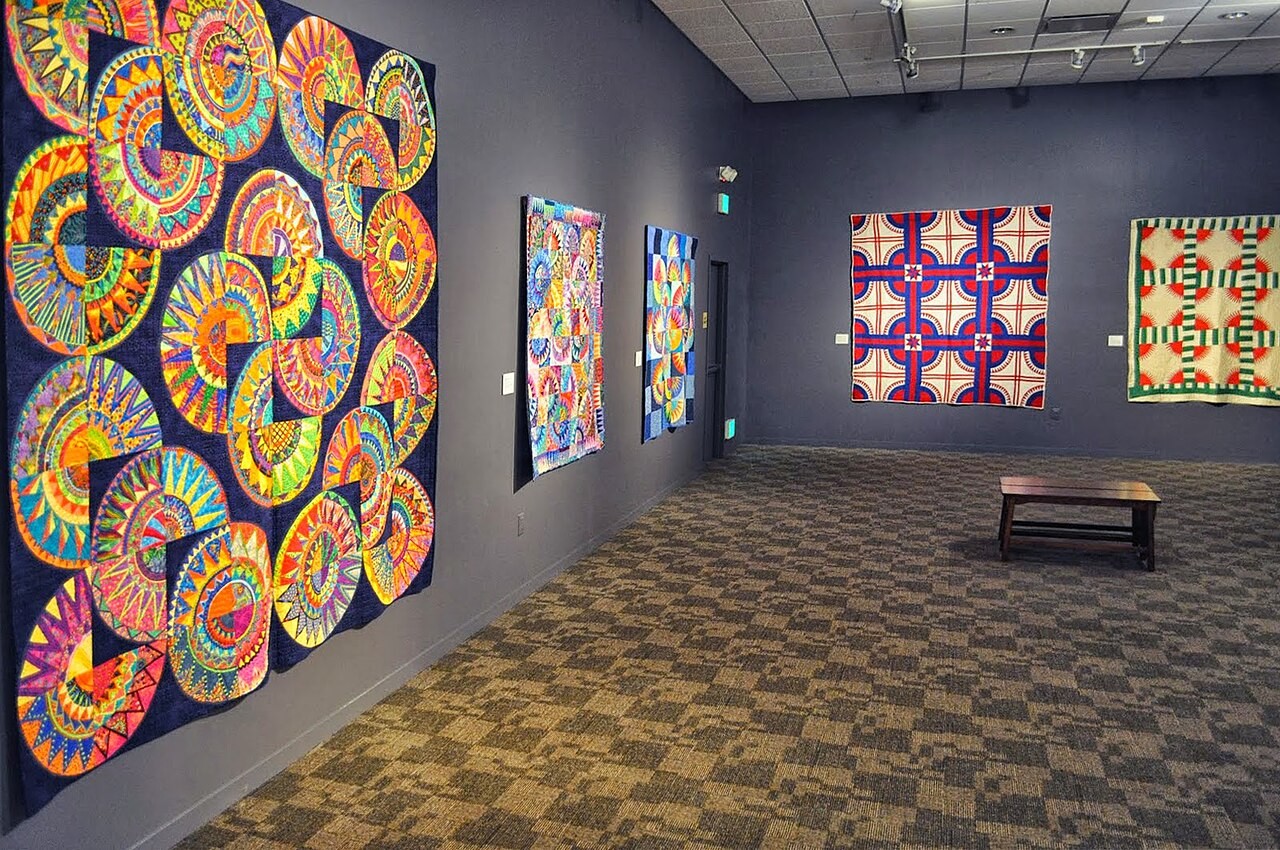
In the realm of quiet luxury, texture plays a more significant role than elaborate ornamentation. The focus shifts to the tactile experience of surfaces, creating visual interest through subtle variations in material. Layering different textures is key: consider the juxtaposition of a rough wood table against a soft wool rug, or a smooth leather chair beside a linen sofa. Luxurious fabrics such as cashmere, mohair, high-thread-count linens, and plush velvets add depth and comfort, transforming spaces into tactile paradises. Even wall treatments like Venetian plaster or limewash contribute to this textural richness, offering depth and variation as light shifts throughout the day. This thoughtful layering of textures creates a sophisticated, multi-dimensional feel without resorting to busy patterns or excessive decor.
4. Prioritize Timeless Design and Craftsmanship
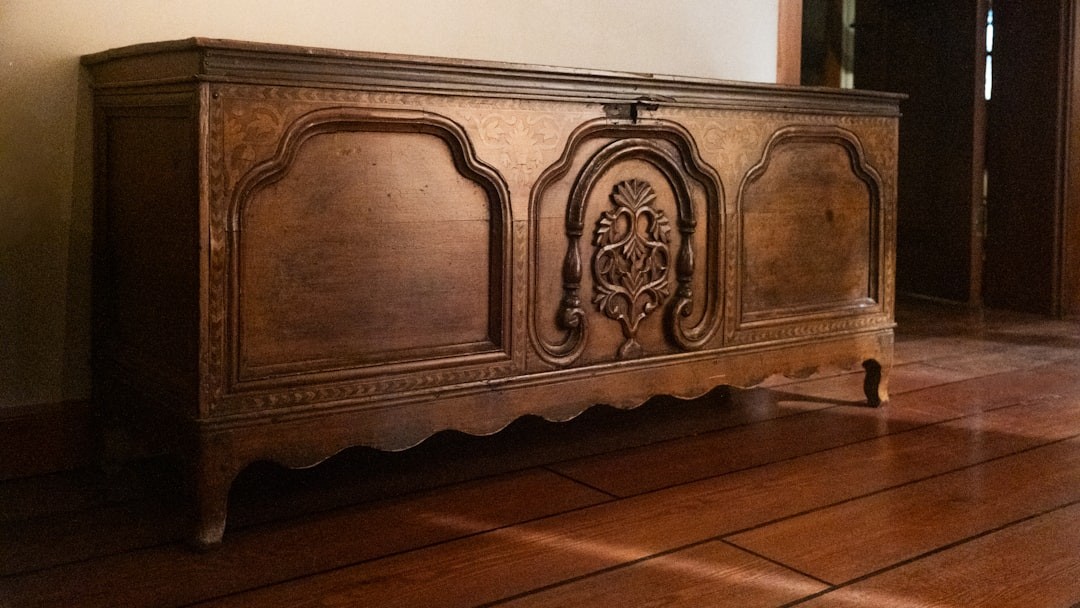
Quiet luxury champions pieces that are not only beautiful but also exceptionally well-made and timeless in their design. This means investing in furniture with clean lines, expert craftsmanship, and enduring forms that will remain stylish for years to come. Brands that focus on natural materials, custom-made pieces over mass-produced items, and a philosophy of restraint exemplify this trend. For example, a dining table with refined materials or a sofa that balances comfort with subtle elegance speaks to this ethos. The emphasis is on “functional art” – pieces that serve a purpose while also acting as sculptural statements. This considered approach to furniture and decor ensures longevity and a cultivated aesthetic, moving away from the ephemeral nature of trends toward lasting value.
5. Select Artful Lighting and Intentional Accents
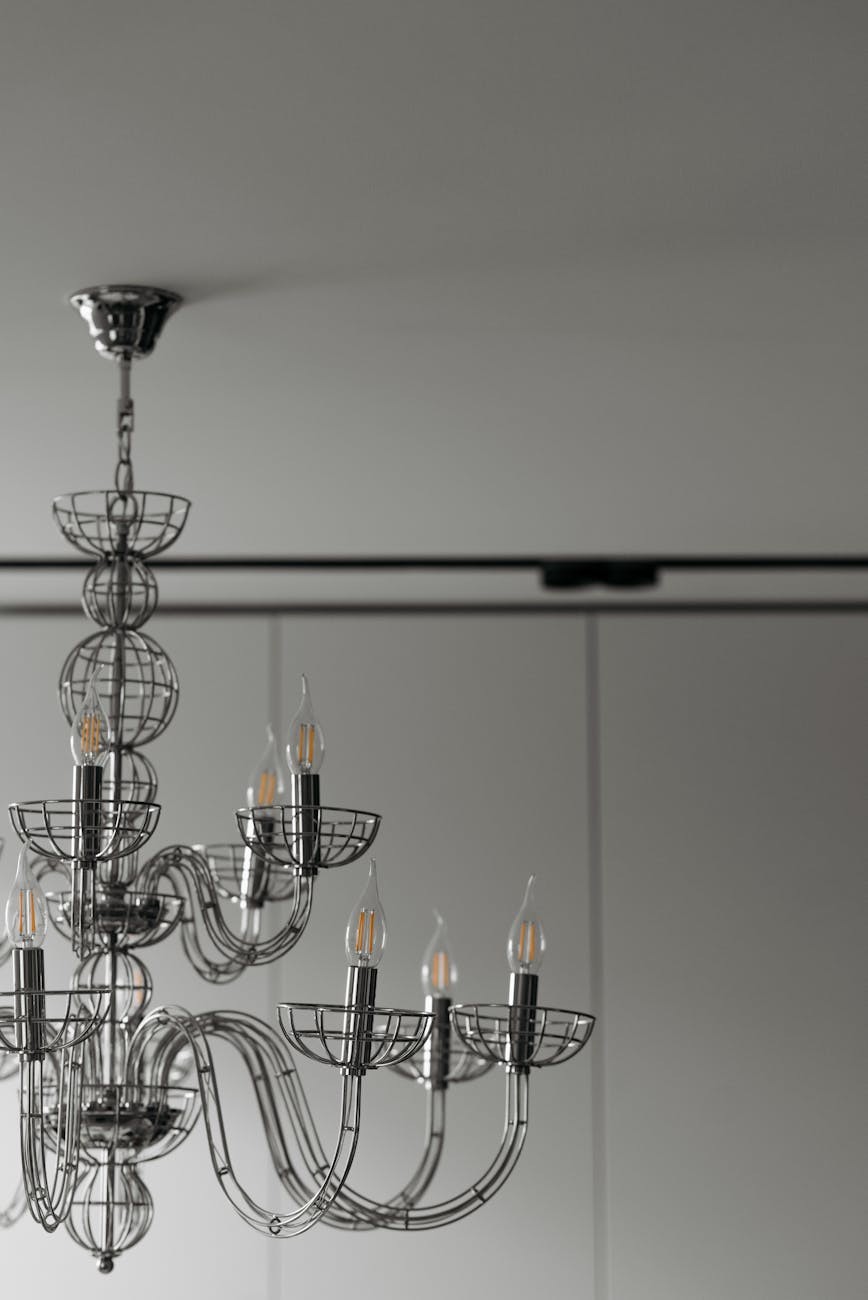
Lighting is a crucial element in quiet luxury, shaping the ambiance and highlighting the inherent beauty of materials and textures. Statement lighting fixtures, such as elegant chandeliers or sculptural lamps, serve not only to illuminate but also as exquisite pieces of art themselves. These elements should cast an inviting glow and add a dramatic flair that elevates the overall design. Beyond lighting, curated accents play a vital role. Timeless decor pieces like ceramic vases, decorative globes, or high-quality books add personality and refinement without creating clutter. Artwork, carefully chosen and thoughtfully placed, can define a room more effectively than numerous decorative objects. Each accent should feel intentional, contributing to the serene and sophisticated narrative of the space, rather than simply filling it.
Leave a Reply