
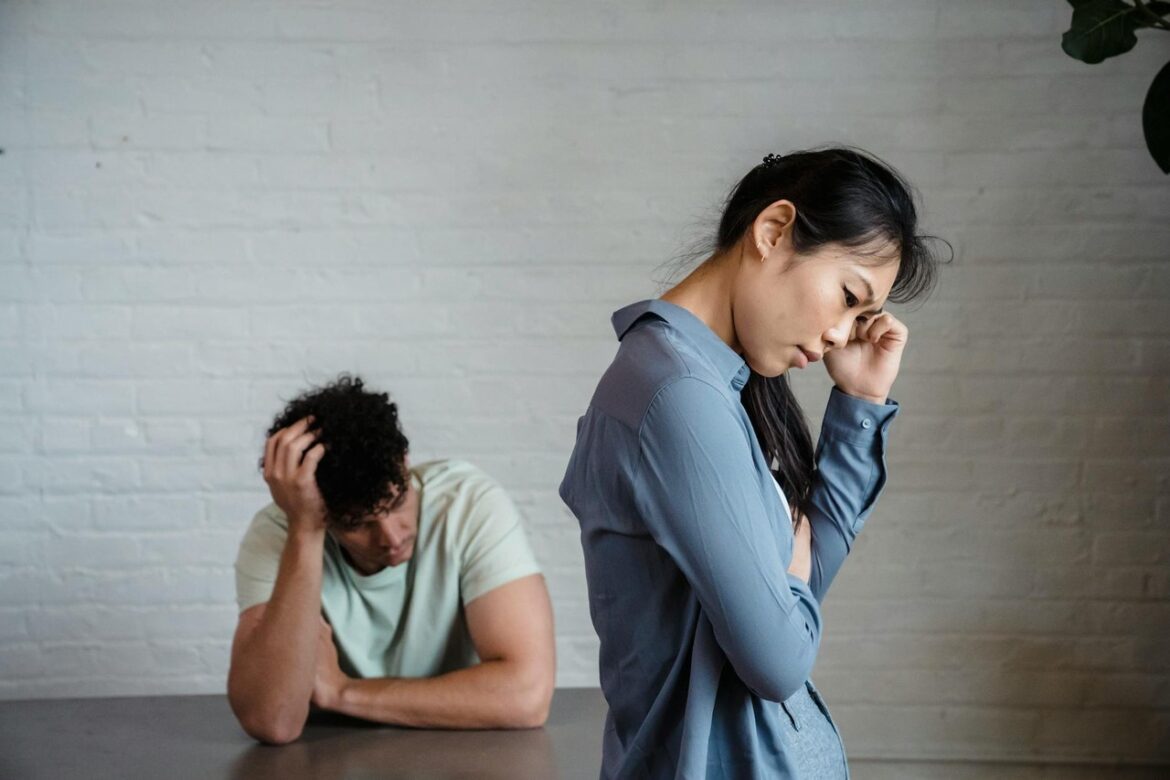
The landscape of modern relationships is constantly evolving, and 2026 brings with it a fresh set of dating trends that can subtly undermine even the most promising connections. Understanding these shifts is crucial for safeguarding your romantic future and ensuring your relationship thrives amidst changing social dynamics.
1. The Lingering Ambiguity of Situationships
The rise of “situationships,” defined by passion and intimacy without clear commitment, presents a significant challenge to relationship stability in 2026. While offering companionship, these connections often lack the defined expectations of traditional relationships, leading to dissatisfaction and potential emotional distress. This ambiguity, fueled by dating apps and a general shift in attitudes towards commitment, can create a breeding ground for subtle sabotage. Daters may find themselves in a prolonged state of uncertainty, where emotional investment grows without the security of a defined partnership, ultimately leading to anxiety and a lower sense of well-being. The allure of flexibility can mask a lack of progression, leaving one partner hoping for more while the other maintains a comfortable, undefined space. This can erode trust and create an unequal dynamic, as one person may be seeking more while the other is content with the status quo.
2. The Silent Erosion of Ghosting
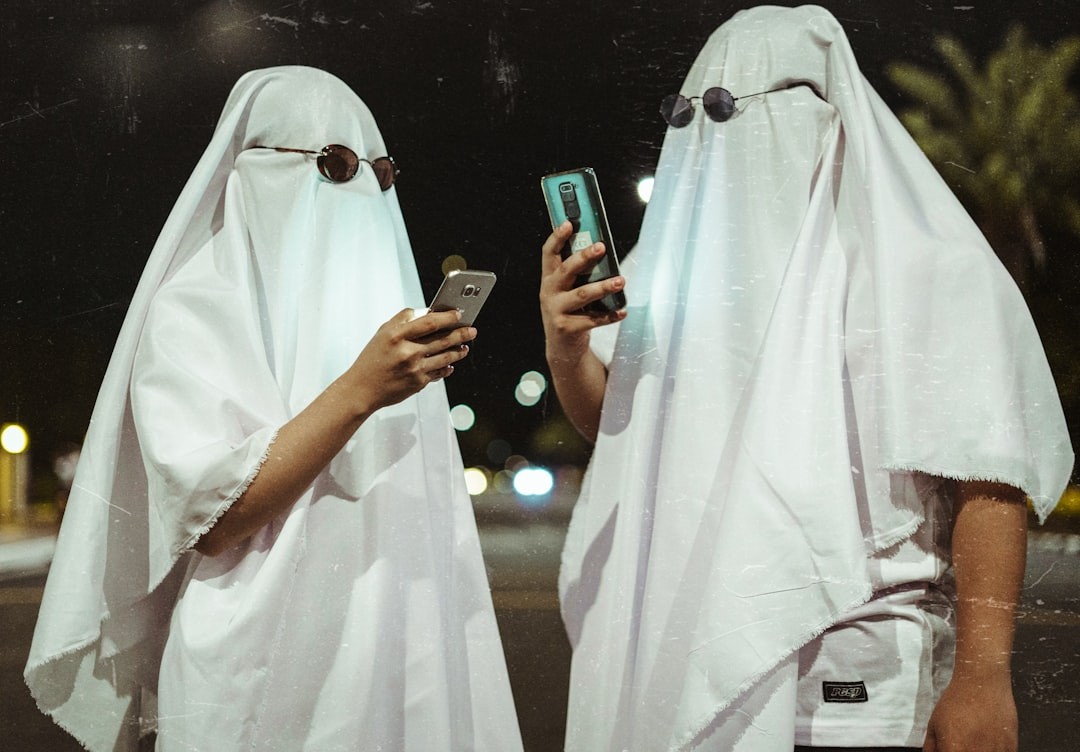
Ghosting, the act of abruptly ceasing all communication without explanation, continues to be a pervasive and damaging dating trend in 2026. Unlike a direct rejection, ghosting inflicts prolonged psychological distress due to its inherent ambiguity. The absence of closure leaves individuals searching for answers, which can negatively impact self-worth and identity. Studies show that ghosting causes slower emotional recovery compared to explicit rejection, as the brain struggles to process an unexplained ending. This can manifest as lingering attachment, persistent distress, and even an increased tendency to monitor the ghoster’s online presence. The psychological toll can be significant, as the lack of communication denies the narrative needed for healing, leaving individuals feeling invalidated and confused. Approximately 30 percent of adults have experienced ghosting, highlighting its widespread impact.
3. The Subtle Manipulation of Breadcrumbing
Breadcrumbing involves stringing someone along with intermittent and vague communication, offering just enough attention to maintain interest without any real commitment or progression. This tactic, often employed through text messages and social media interactions, leaves the recipient in a state of hopeful anticipation that rarely materializes into a solid relationship. Breadcrumbers typically enjoy the attention and validation they receive, while actively avoiding deeper emotional investment or defined expectations. This behavior can be particularly insidious because it provides just enough “crumbs” of connection to prevent the recipient from moving on, leading to feelings of confusion, frustration, and emotional exhaustion. Unlike ghosting, which is an abrupt end, breadcrumbing is a slow, torturous drip of inconsistency that can be more damaging due to its prolonged nature, leaving individuals feeling lonely, helpless, and less satisfied with life. Over 30% of individuals have likely experienced breadcrumbing in the past year, amplified by online dating.
4. The Illusion of Connection via Ghostlighting
Ghostlighting, a more insidious form of ghosting, combines the act of disappearing with a subsequent reappearance as if nothing happened, often leaving the recipient questioning their own reality. This trend involves someone abruptly fading out of communication, only to re-initiate contact later and act dismissively or even gaslight the other person if they point out the inconsistency. The impact of ghostlighting can be particularly damaging as it erodes trust and manipulates the perception of the relationship’s history. The individual engaging in ghostlighting might do so to maintain control or to avoid accountability, leaving the other person in a state of perpetual confusion and self-doubt. This behavior can significantly undermine a relationship by creating an unstable foundation built on erratic communication and emotional manipulation, making genuine connection nearly impossible.
5. The Overemphasis on ‘Friendfluence’

In 2026, the trend of “friendfluence,” where friends significantly influence dating decisions and opinions, can inadvertently sabotage relationships. While friends can offer valuable perspectives, an overreliance on their approval or input can lead to external validation becoming more important than genuine connection. Tinder’s “Year in Swipe” report indicates that a substantial percentage of young singles let their friends act as matchmakers and that a match must “pass the group chat test”. This can lead to partners being chosen or rejected based on superficial group opinions rather than authentic compatibility. When friends’ perspectives dominate decision-making, it can create pressure, compromise individuality, and prevent a couple from developing their own authentic bond based on mutual understanding and shared values. True connection thrives on intrinsic validation, not on the consensus of a social circle.
Leave a Reply