
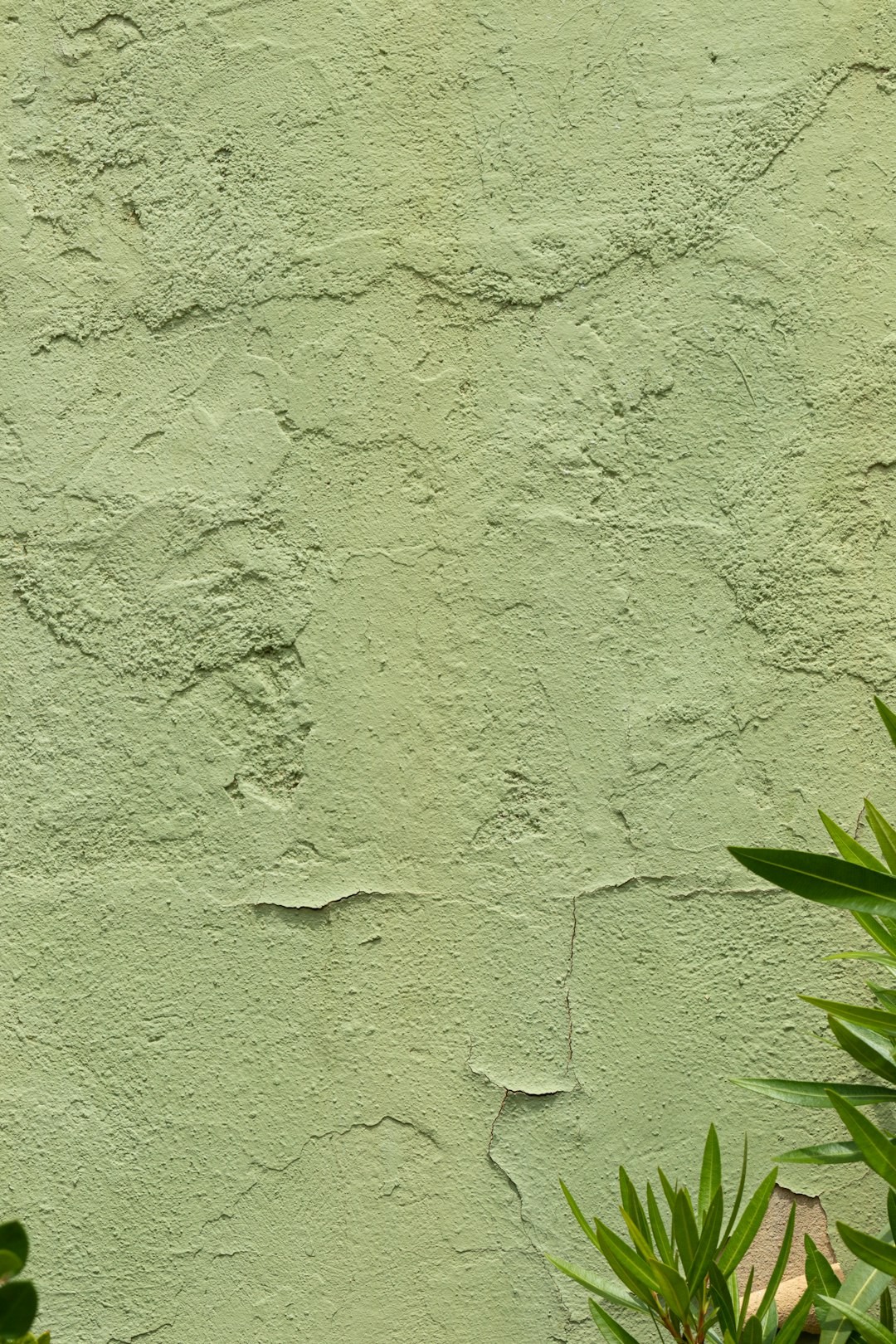
The digital realm of TikTok has sparked a widespread embrace of limewash paint, a technique that has transcended fleeting digital trends to become a significant shift in interior design. This resurgence of an ancient material speaks to a broader cultural desire for authenticity, sustainability, and a connection to natural elements. Designers are not merely observing this movement; they are actively participating, recognizing limewash not as a passing fad but as a fundamental change in how we approach our living spaces. Its unique aesthetic, coupled with its environmental benefits, positions limewash as a material poised to endure far beyond the ephemeral nature of social media challenges.
A Timeless Revival
Limewash paint, with its roots stretching back over 7,000 years to ancient Egypt and Rome, is experiencing a remarkable resurgence. Historically, it served not only a decorative purpose but also a protective one, coating buildings against the elements and improving sanitation. Its use extended through medieval Europe and Colonial America, where it was valued for its ability to deter moisture and mildew while providing a soft, elegant patina on everything from castles to cottages. This historical depth provides a compelling narrative for today’s consumers seeking authenticity and a connection to the past in their homes. The revival is driven by an appreciation for natural materials and a desire to move away from the synthetic finishes that have dominated interiors for decades. This long history lends limewash an inherent gravitas that surpasses that of contemporary paint trends.
The Allure of Texture and Depth
The visual appeal of limewash lies in its unique matte, chalky finish that creates a soft, diffused light reflection, reducing harsh shadows and imparting a sense of spaciousness. Unlike the flat, uniform color of conventional paints, limewash offers subtle tonal variations and a depth that changes with the light. This organic, mineral texture, often described as velvety, adds a tactile quality to walls, making them feel more alive and inviting. The characteristic brushstrokes, whether subtle or expressive, contribute to a “cloudy” or “plaster-like” effect, imbuing spaces with character and warmth that flat paints struggle to replicate. This textural richness is particularly appealing in modern minimalist interiors, preventing them from feeling cold or sterile.
An Eco-Conscious Choice
In an era of heightened environmental awareness, limewash stands out as a highly sustainable and eco-friendly material. Composed of natural limestone, water, and mineral pigments, it contains few synthetic chemicals or volatile organic compounds (VOCs). This low-VOC composition contributes to healthier indoor air quality, making it a beneficial choice for homes, especially for individuals with sensitivities. Furthermore, limewash is breathable, allowing walls to regulate moisture and reducing the risk of mold and mildew growth, a common issue with synthetic paints that trap moisture. Its biodegradable nature and the fact that it absorbs carbon dioxide from the air further solidify its position as an environmentally responsible choice.
A Shift in Designer Philosophy

Designers are increasingly recognizing limewash not merely as a trend but as a fundamental shift in interior design philosophy. This shift is partly driven by the contemporary desire for organic, natural materials and a move away from overly processed or mass-produced finishes. The imperfect, lived-in patina that limewash develops over time resonates with the Wabi-Sabi aesthetic and a broader appreciation for authenticity. Designers are using limewash to add warmth and texture to modern spaces, balancing hard surfaces like concrete and steel with its soft, organic feel. This approach elevates interiors beyond mere decoration, creating environments that feel more grounded, serene, and connected to nature.
Versatility in Application and Palette
Limewash paint’s versatility extends beyond its aesthetic to its application and color possibilities. It can be applied to various surfaces, including plaster, brick, stone, and even wood, making it suitable for both interior and exterior use. Designers are using it for accent walls, entire rooms, ceilings, and even furniture to create a cohesive look. While historically associated with whites and earthy tones, modern pigments have expanded the limewash palette considerably. Popular choices for 2025 include soft warm whites, sandy beiges, greiges, clay tones, and even muted greens and blues, offering a sophisticated range of options that feel both natural and contemporary. These nuanced colors, when applied with the characteristic limewash technique, create depth and visual interest without overwhelming a space.
The “Why Now”: TikTok’s Role in Popularization
The viral spread of limewash tutorials and aesthetically pleasing transformations on TikTok has significantly amplified its appeal. Platforms like TikTok have democratized design inspiration, allowing users to discover and experiment with materials previously known primarily within professional circles. While some TikTok creators have explored DIY methods using regular paint diluted with water to mimic the limewash look, true limewash paint offers an authentic depth and texture that these approximations often cannot fully replicate. The accessibility of these visuals has demystified the application process for many, encouraging a wider audience to embrace this ancient technique and integrate it into their homes. This digital exposure has transformed limewash from a niche design element into a mainstream interior choice.
Leave a Reply