
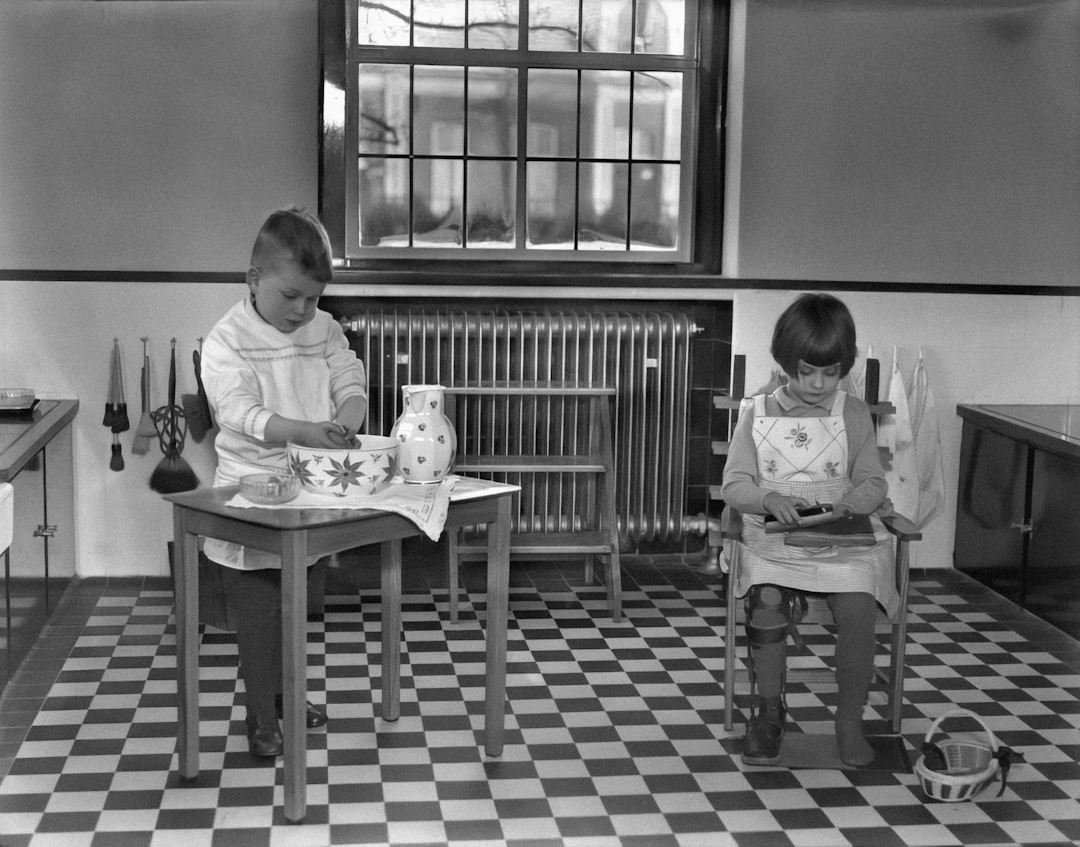
The educational landscape in 2026 is experiencing a significant shift, marked by a curious resurgence and subsequent restriction of “analogue” toys within modern classrooms. This trend, contrary to the pervasive embrace of digital learning tools, highlights a growing concern among educators and policymakers regarding the impact of technology on early development. The debate centers on whether tangible, non-electronic toys, once a staple of early education, are now being re-evaluated for their place in a curriculum increasingly dominated by screens, leading to their exclusion from many learning environments.
A Shift Towards Screen-Free Learning
The year 2026 has brought about a discernible movement towards reducing screen time in educational settings, a trend that directly impacts the presence of traditional, or “analogue,” toys. Many states are now considering or have already implemented legislation to limit educational technology in classrooms, particularly for younger students. For instance, at least five states are exploring bills to restrict ed tech, with some proposing outright bans for kindergarten through fifth grade. This legislative push is informed by growing concerns about the negative effects of excessive screen exposure on children’s cognitive development and overall well-being, pushing educators to seek alternative, non-digital methods of engagement. The debate is no longer solely about personal devices but extends to school-issued technology, fueling a desire for more tangible learning experiences. This environment is creating a demand for simpler, more hands-on educational tools, paradoxically leading some of these traditional items to be scrutinized for reasons beyond their intended use.
Safety and Distraction Concerns Drive Bans
The increasing restriction of analogue toys in classrooms in 2026 is largely attributable to evolving safety protocols and a heightened awareness of classroom distractions. While seemingly benign, items such as scissors, glue sticks, and even rulers have faced bans due to concerns about misuse, potential for injury, or their capacity to disrupt learning environments. This heightened scrutiny extends to traditional toys that may pose risks, such as those with small parts, sharp edges, or materials that could be harmful if ingested. Educators are under immense pressure to manage risks and minimize incidents that could lead to liability, resulting in a more cautious approach to all classroom materials. The focus has shifted from the developmental benefits of these toys to potential hazards, leading to their removal from readily accessible classroom supplies and curriculum plans.
The “Analogue Lifestyle” Trend Reaches Schools
A significant cultural shift in 2026, the “analogue lifestyle” trend, is influencing educational philosophies and, consequently, classroom policies. Propelled by social media and a collective desire to reduce digital dependence, this movement advocates for embracing older technologies and tangible activities. Influencers and content creators are promoting offline hobbies, journaling, and the use of non-digital tools, fostering a broader societal inclination towards less screen-based engagement. This cultural momentum translates into schools seeking to create more balanced learning environments, which, ironically, sometimes leads to the exclusion of traditional toys. While the intention is to foster a more mindful and focused approach, the drive to eliminate all potential distractions, including items associated with simpler times, is leading to their banishment from the very environments promoting analogue living.
Educational Philosophy and Traditional Play
The philosophical underpinnings of education in 2026 are increasingly being debated, with a notable segment advocating for a return to more traditional pedagogical methods that prioritize hands-on learning and sensory engagement. Research indicates that parents perceive traditional toys as highly stimulating for sensory, motor, cognitive, and socio-emotional development, often facilitating more parent-child interaction and language input. These toys encourage creativity, problem-solving, and social interaction without the passive consumption often associated with digital media. However, as schools aim to streamline curricula and manage increasingly complex classroom dynamics, the very items that foster these benefits are sometimes swept up in broader policies designed to reduce clutter and potential disruptions, irrespective of their educational value.
Policy Evolution and Evolving Restrictions
The year 2026 is witnessing a notable evolution in educational policy, with a strong emphasis on regulating technology and its associated paraphernalia within schools. More than 40 states now have guidance or mandates restricting phone use during school hours, and legislative efforts are expanding to target overall screen exposure, including instructional technology. This regulatory landscape, driven by concerns for student well-being and academic performance, is creating a complex environment where even traditional toys can face unintended restrictions. Policies designed to create distraction-free zones or to standardize learning materials can inadvertently lead to the removal of analogue toys that do not fit within new, often technology-centric, frameworks for educational resources.
The Paradox of Progress: Analogue Out, Digital In?
The current educational climate in 2026 presents a paradox: while there’s a growing societal appreciation for analogue experiences and a recognition of the developmental benefits of traditional toys, these items are increasingly being banned from classrooms. This is often a consequence of broader policies aimed at managing technology, simplifying classroom management, and ensuring safety, which can lead to the overcorrection of excluding any item perceived as a potential distraction or hazard. Consequently, the very tools that could support a more balanced, screen-free learning environment are being sidelined, creating an ironic situation where the push for innovation and digital integration inadvertently limits the space for fundamental, hands-on learning experiences provided by analogue toys.
Leave a Reply