

The adage of “saving for a rainy day” was a cornerstone of financial advice for decades, promising security through prudent saving. However, for Generation Z in 2026, this seemingly straightforward advice clashes with a dramatically altered economic landscape. Unlike their predecessors in 1980, today’s young adults are grappling with a confluence of unprecedented challenges—stubborn inflation, skyrocketing housing costs, crippling student debt, and a precarious job market—making the simple act of building a substantial emergency fund a Herculean task. This article delves into the specific economic realities that render the traditional “rainy day fund” a near-myth for Gen Z.
The Ever-Escalating Cost of Shelter
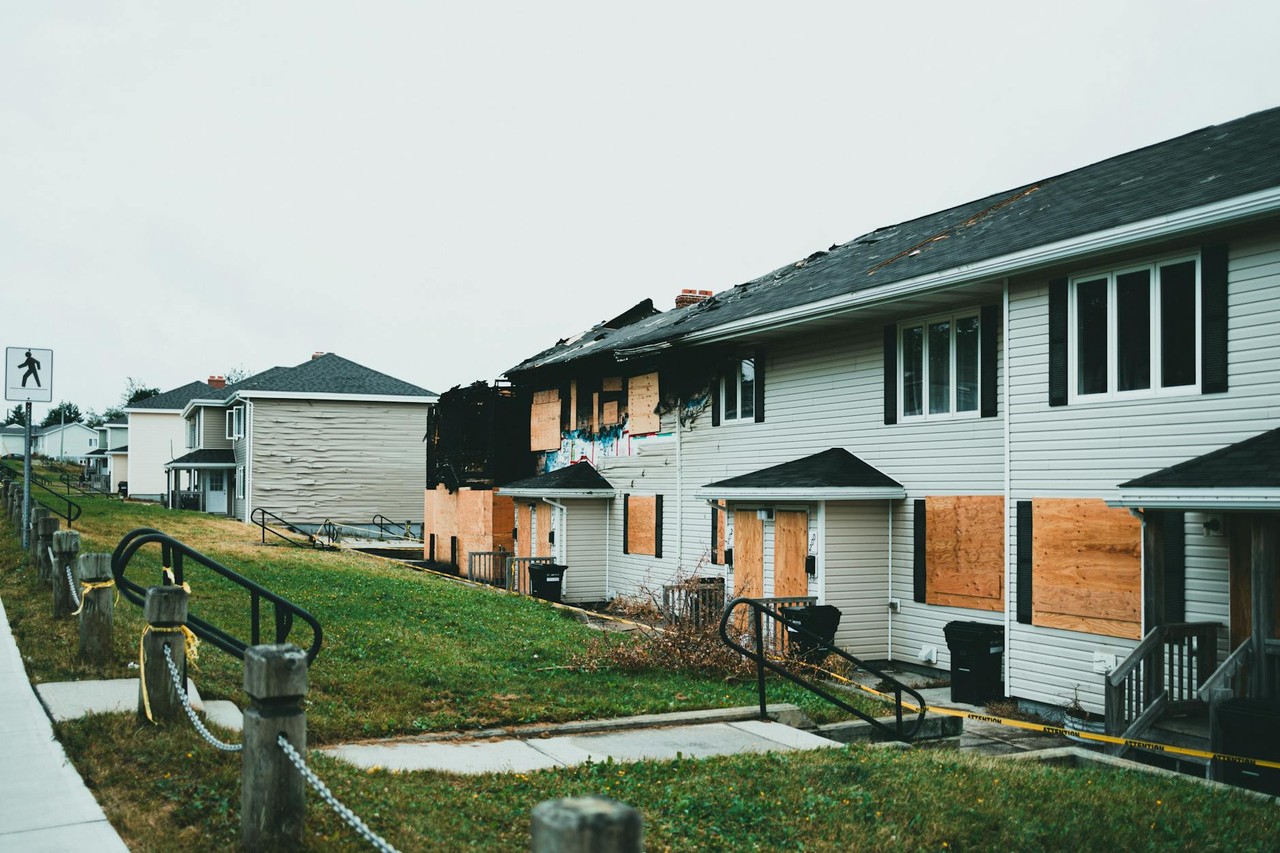
The dream of homeownership, once a widely attainable milestone, has become an almost insurmountable barrier for Gen Z. In 2026, housing costs have outpaced wage growth to a degree unimaginable in 1980. Nearly 49% of U.S. residents struggle to afford their rent or mortgage payments, with Gen Z bearing the brunt of this crisis, as 67% report difficulty covering housing expenses. For context, in 1980, the median home price was roughly 3.2 times the median household income, a ratio that has ballooned to nearly 8 times for those aged 20-34 in 2026. This dramatic shift means that a significant portion of Gen Z’s income is consumed by housing, leaving little room for discretionary savings, even for unexpected emergencies. Many are forced into multigenerational living or to seek roommates, further complicating personal financial planning and reducing the capacity for individual savings.
The Persistent Shadow of Student Loan Debt

The burden of student loan debt has become a defining characteristic of the Gen Z financial experience, a stark contrast to the less pervasive issue in 1980. While Gen Z has a lower percentage of borrowers compared to Millennials at the same age, their average debt balance, after adjusting for inflation, is 13% higher. In 2026, the average Gen Z student borrower owes approximately $20,900, a substantial sum that impacts their ability to save for emergencies. This debt not only depletes current income but also hinders long-term wealth accumulation, as a significant portion of earnings is allocated to servicing these loans. Many borrowers are forced to delay major life decisions, such as purchasing a home, directly impacting their capacity to build robust savings for unforeseen events.
Wage Stagnation vs. Inflationary Pressures
While nominal wages have seen some increases, the real purchasing power of earnings for many Gen Z individuals has not kept pace with the escalating cost of living. In 1980, inflation rates were high, but so were interest rates, offering a potential avenue for savings to grow. Today, while wage growth in the U.S. was 4.26% in February 2026, it has often been outpaced by the rising costs of goods and services. The average inflation rate of 3.06% between 1980 and 2026 has meant that $2,890 in 1980 has the same purchasing power as approximately $11,581.50 today. This erosion of purchasing power means that even if Gen Z manages to save, the value of those savings is diminished over time, making the concept of a substantial “rainy day” fund harder to achieve. This reality is further exacerbated by the fact that wages for middle-class workers have seen a decline of 5.7% from their peak over 50 years ago when adjusted for inflation.
The Rise of the Precarious Gig Economy
The traditional career path of stable employment with predictable income and benefits is increasingly rare for Gen Z. The gig economy, while offering flexibility, often means income volatility and a lack of employer-sponsored benefits such as retirement plans or health insurance. In 2026, about 43% of Gen Z workers participate in the gig economy, with a significant portion considering it their primary income source. This inherent instability makes it exceptionally difficult to set aside consistent savings for emergencies. When income is unpredictable, prioritizing a “rainy day” fund often takes a backseat to meeting immediate needs. Many in this cohort are financially exposed due to the absence of traditional safety nets, forcing them to rely on multiple income streams to simply stay afloat.
Increased Financial Strain and Parental Reliance

The economic pressures facing Gen Z are so significant that many are increasingly reliant on their parents for financial support, a dynamic far less prevalent in 1980. A 2026 Wells Fargo study revealed that 64% of parents with Gen Z children reported their children rely on them financially. This reliance underscores the difficulty young adults face in accumulating independent savings. Nearly half of Gen Z respondents described their financial lives as “messy,” and many are postponing major life decisions due to financial constraints. This situation highlights a generational difference in financial independence and the capacity to build personal safety nets. The struggle to achieve financial stability is so pronounced that nearly 60% of Gen Z renters are considered “rent-burdened,” spending more than 30% of their income on rent.
Shifting Financial Priorities and Risk Tolerance
Faced with these daunting economic realities, Gen Z’s approach to finances is evolving. The traditional advice of saving for emergencies is often superseded by a more immediate need to manage debt and navigate a volatile job market. This has led to a greater propensity for riskier financial behaviors, such as investing in cryptocurrency or prediction markets, sometimes referred to as “financial nihilism”. This generation is also more likely to embrace side hustles to supplement income, with nearly half of Gen Z having side hustles compared to 23% of baby boomers. While saving is still a priority for 80% of Gen Z consumers, they often maintain less than three months of living expenses, reflecting the precarious balance they strike between ambition and affordability.
The Myth of the Accessible Emergency Fund

In conclusion, the concept of “saving for a rainy day” as a straightforward, achievable goal is largely a myth for Gen Z in 2026. The economic landscape has shifted dramatically since 1980, marked by unattainable housing costs, pervasive student debt, wage stagnation relative to inflation, and the rise of precarious employment. These factors combine to create a financial environment where accumulating substantial emergency savings is exceedingly difficult, if not impossible, for many. While Gen Z demonstrates financial discipline, the margin for error is slim, forcing them to adapt their financial strategies and redefine what financial security truly means in the 21st century.
Leave a Reply