

The phenomenon known as an “introvert hangover” describes the profound mental and physical exhaustion that introverts experience after prolonged social interaction. This state is not a sign of social aversion but rather a biological response to overstimulation. Unlike extroverts who gain energy from social engagement, introverts expend energy and require solitude to recharge. This often occurs after about three hours of socializing, leading to a feeling of being completely depleted. Understanding the neurological basis for this phenomenon can help introverts manage their energy and well-being more effectively.
Understanding the Neurological Basis of Social Fatigue
Introverts experience social fatigue due to differences in brain chemistry and activity compared to extroverts. Introverts’ brains are more sensitive to dopamine, a neurotransmitter associated with pleasure and reward. While extroverts may be energized by the release of dopamine during social interactions, introverts can become overstimulated by even moderate amounts, leading to a feeling of depletion. Research suggests that introverts have higher levels of activity in the frontal lobes, which are involved in internal processing and decision-making. This means their brains are already working hard internally, and external social stimulation can quickly push them into an overstimulated state. This heightened neurological activity leads to a faster drain of their “social battery,” a metaphor for their capacity for social interaction. When this battery is depleted, introverts require significant alone time to restore their equilibrium and mental clarity.
The Three-Hour Tipping Point
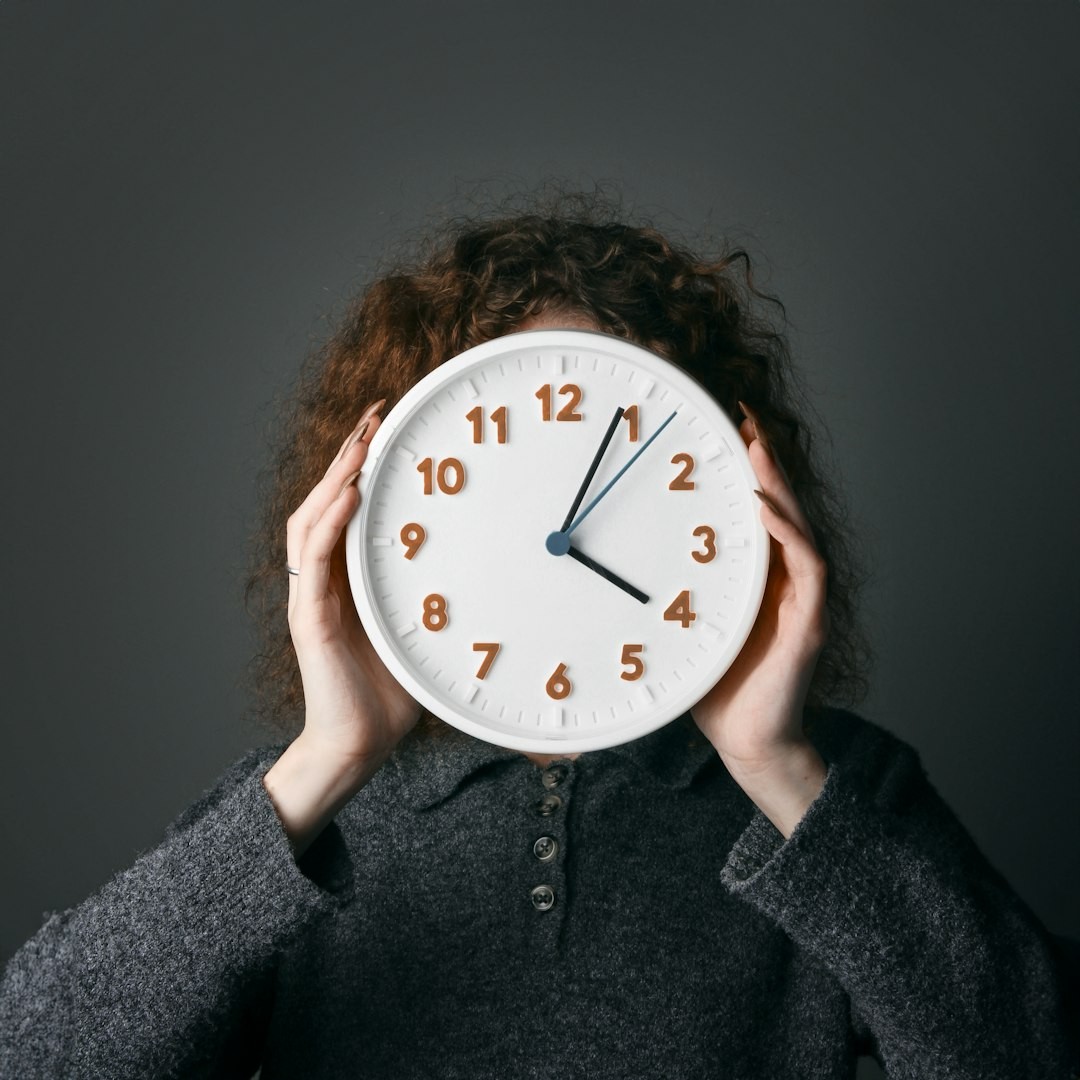
For many introverts, the threshold for social stimulation often hovers around the three-hour mark. After this period, the cumulative effect of social interaction can lead to a noticeable shift in energy levels, often described as an “introvert hangover.” This is not necessarily because the social event was unpleasant, but rather due to the inherent energy expenditure involved in processing external stimuli. Studies have indicated that participants, both introverted and extroverted, report increased fatigue after socializing for approximately three hours. This suggests a universal energy cost associated with social engagement, which introverts, due to their neurobiological makeup, experience more acutely. The brain literally begins to shut down, making it difficult to focus, communicate effectively, or even engage in simple decision-making processes, signaling a critical need for solitude.
Recharging the Social Battery: The Necessity of Solitude
Solitude is not merely a preference for introverts; it is a fundamental requirement for recovery and well-being. After experiencing an “introvert hangover,” engaging in quiet, solitary activities allows the brain to recalibrate and recharge. This restorative process often involves activities like reading, journaling, or simply quiet reflection, which activate different neural pathways that promote relaxation. Unlike the dopamine-driven energy boost extroverts might seek in social settings, introverts find rejuvenation through acetylcholine, a neurotransmitter associated with calmness and introspection. By prioritizing alone time, introverts can manage their energy levels, enhance their self-awareness, and ultimately show up better in their relationships and daily lives, preventing the more severe consequences of prolonged social overstimulation.
Leave a Reply