
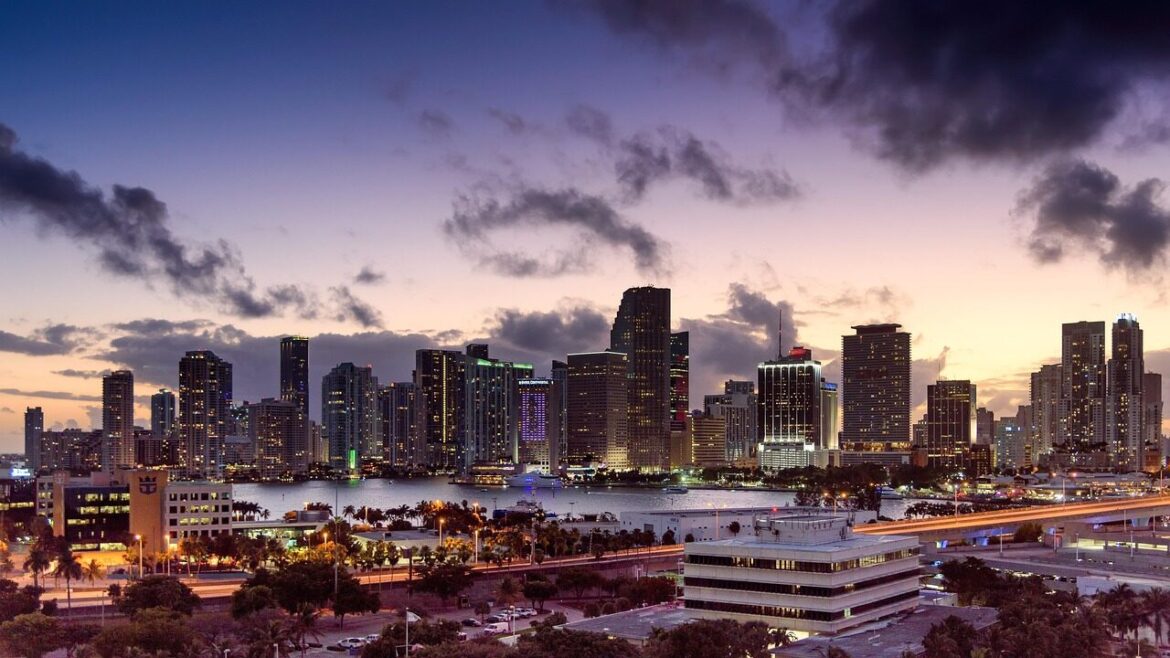
The real estate market in 2026 has shifted from a “buy anything” frenzy to a period of intense scrutiny. As insurance premiums spike and local tax burdens reach breaking points, realtors are advising clients to look past the surface-level “affordability” of certain markets. Based on recent migration data, property tax trajectories, and climate risk assessments, here are ten cities where the investment math no longer adds up.
1. Miami, Florida: The Insurance Tipping Point
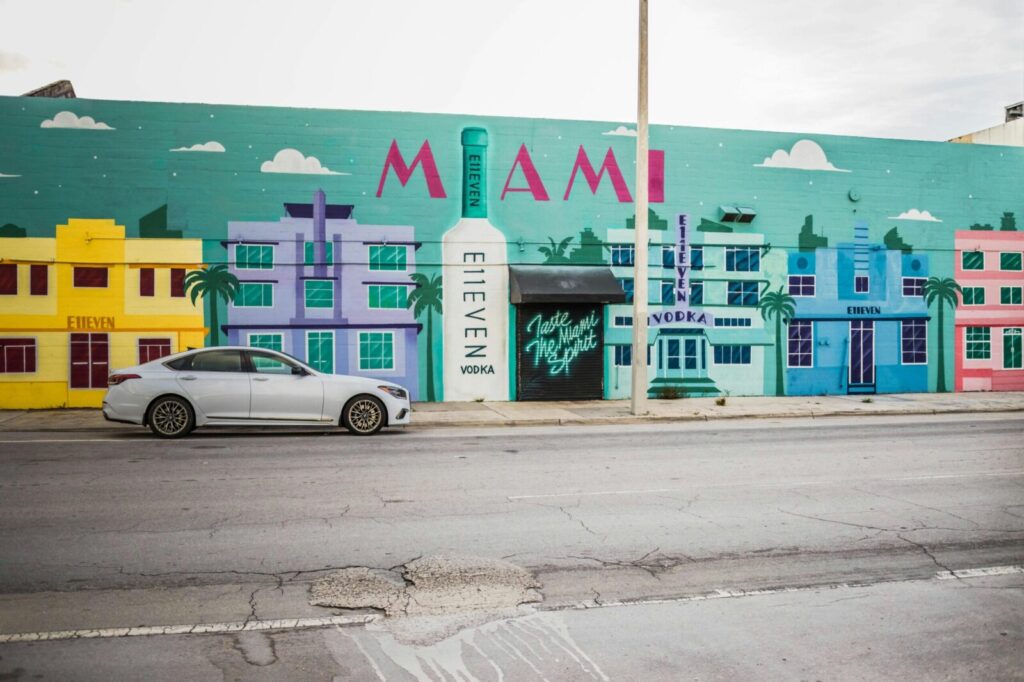
While Miami remains a global hub, realtors are warning that the cost of ownership is decoupling from reality. According to 2025 data from the Insurance Information Institute, Florida homeowners’ insurance premiums have surged over 100% in the last three years, with the average Miami premium now exceeding $6,000 annually. When combined with mandatory “milestone inspections” for aging condos, which can trigger six-figure special assessments, the ROI for investors is being swallowed by carrying costs.
2. Chicago, Illinois: The Perpetual Tax Trap
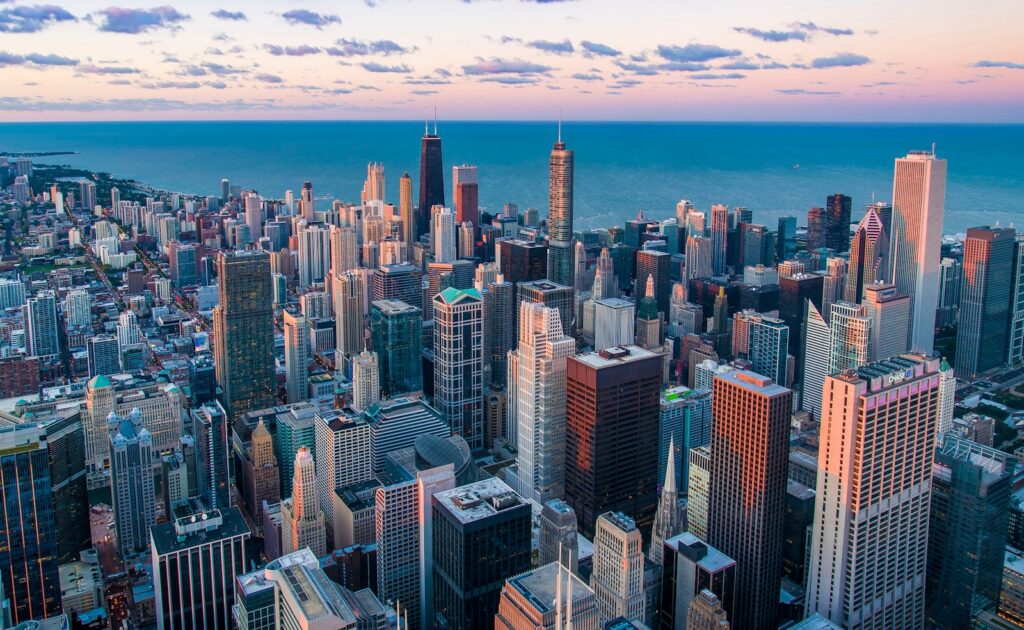
Chicago is facing a projected $1 billion budget deficit for 2026, and realtors are sounding the alarm on the inevitable property tax hikes required to bridge the gap. Cook County already features some of the highest effective property tax rates in the nation at roughly 2.1%. Realtors report that “tax-loss selling” is becoming common, as landlords realize their annual tax increases are outpacing their ability to raise rents on a stagnant population.
3. San Francisco, California: The Commercial “Doom Loop”
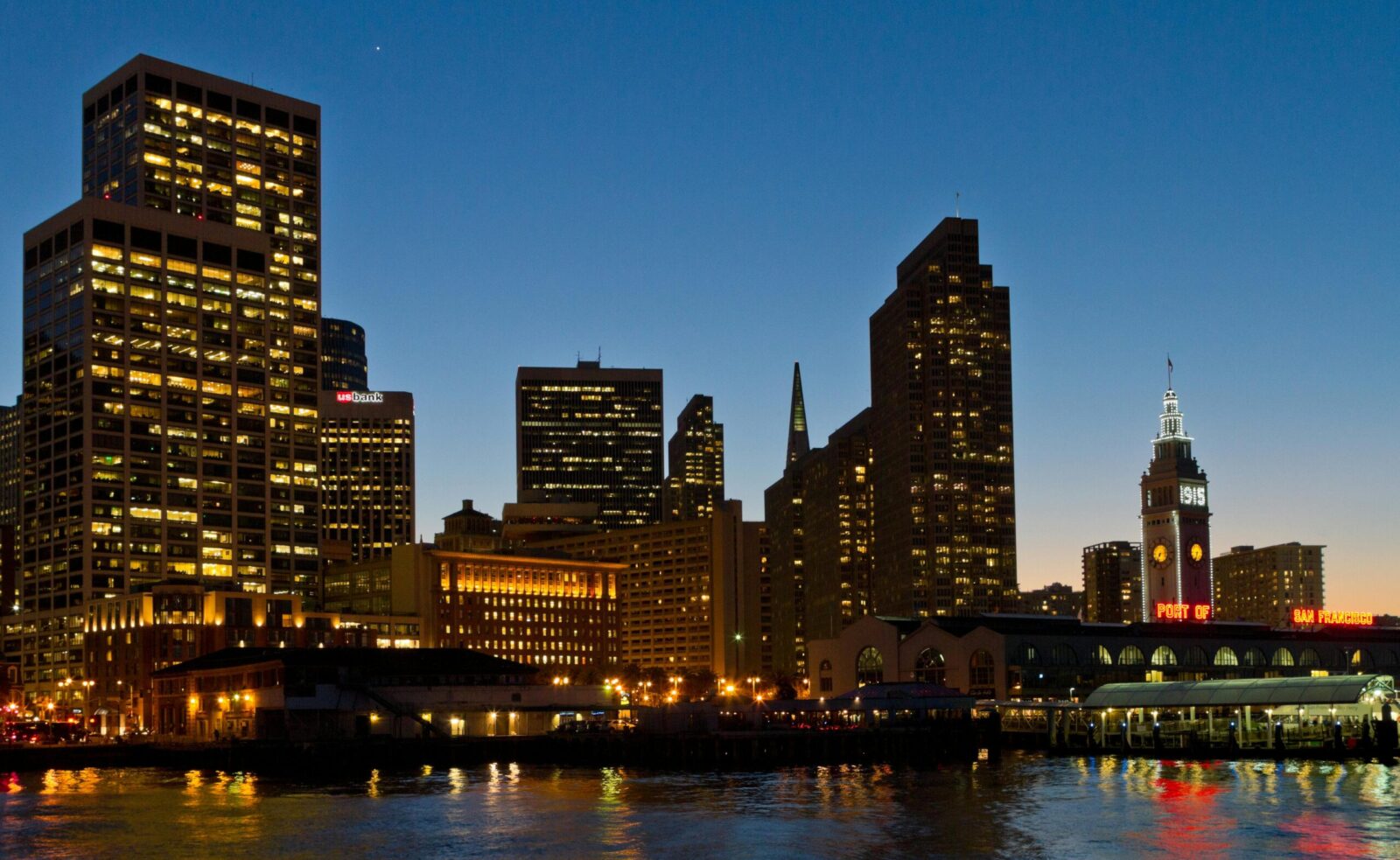
The city’s office vacancy rate reached a historic high of 36.6% in late 2024, according to CBRE. This collapse in the commercial core has triggered a retail exodus, with over 40 major brands leaving the downtown area since 2023. Realtors advise against residential investment here because the eroding tax base suggests that city services will continue to decline while the cost of living, currently 79% above the national average, remains stubbornly high.
4. Phoenix, Arizona: The Water and Heat Reality
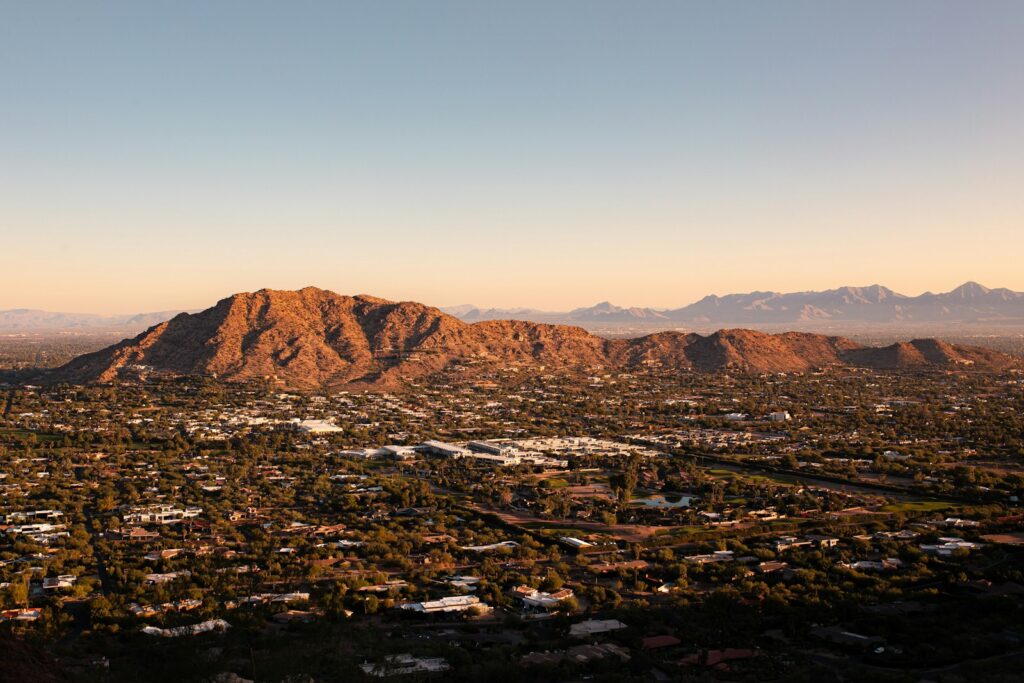
Phoenix was the darling of the pandemic era, but a 2023 moratorium on new groundwater-dependent subdivisions has fundamentally changed the growth trajectory. With 2026 Colorado River water allocations set to be cut by 18% for Arizona, the long-term viability of desert sprawl is in question. Realtors are seeing a “liquidity trap” where homes in the outer fringes sit on the market longer as buyers fear future water restrictions and rising cooling costs.
5. Jackson, Mississippi: Infrastructure System Failure
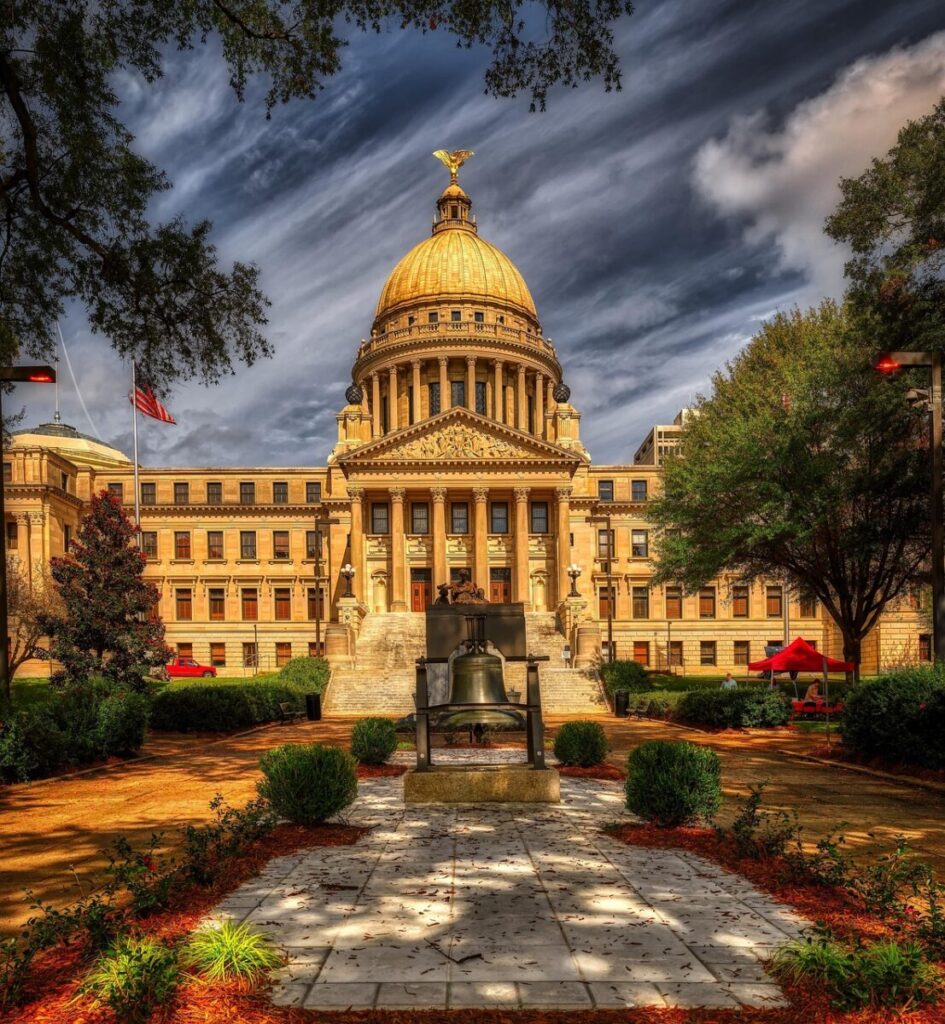
Realtors have moved Jackson to the “avoid” list due to a systemic failure of basic utilities. The city’s aging water infrastructure has led to frequent boil-water notices and complete service outages. For investors, the risk of a “zero-value” asset, where a property cannot be occupied because it lacks reliable water or sewage, outweighs any potential gain from the city’s low entry prices.
6. Portland, Oregon: The Walkability Decline
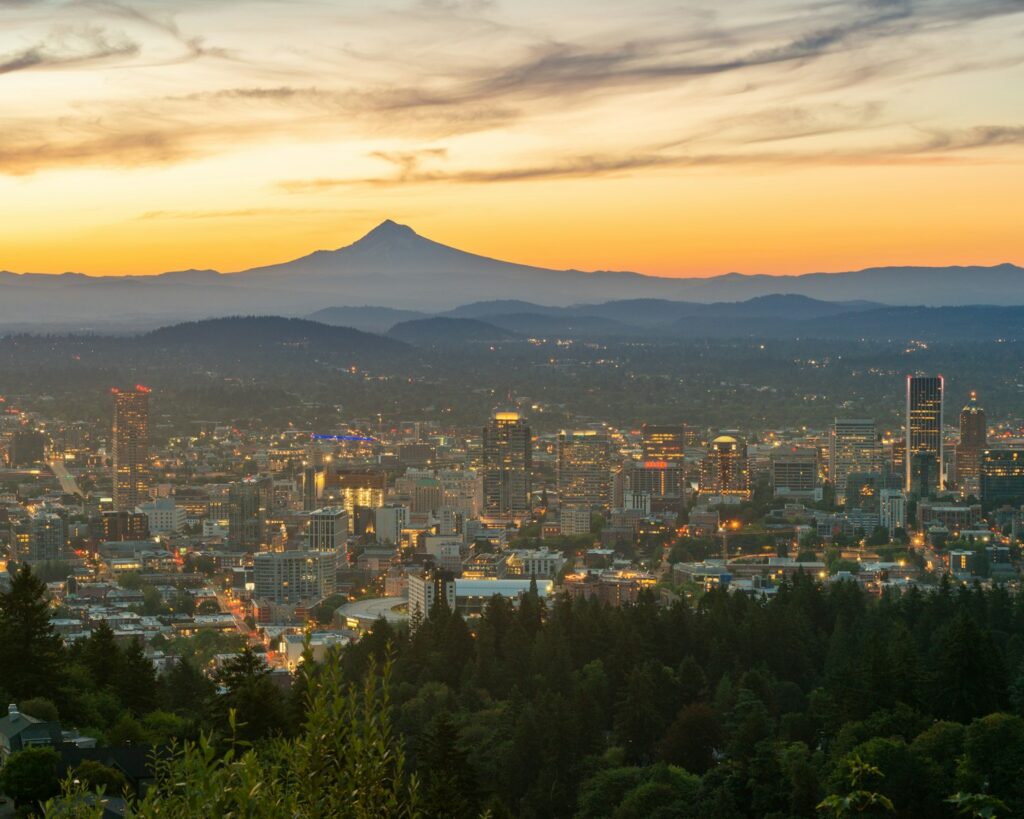
Once prized for its high “walkability” scores, Portland is struggling with a civic crisis that has seen property values in the urban core stagnate. According to 2025 migration data, Oregon saw a net outbound shift as residents fled high local taxes and safety concerns. Realtors note that the “premium” once paid for Portland’s unique lifestyle has evaporated, leaving many investors with properties that are difficult to rent and even harder to sell.
7. New Orleans, Louisiana: The Sinking Equity Crisis
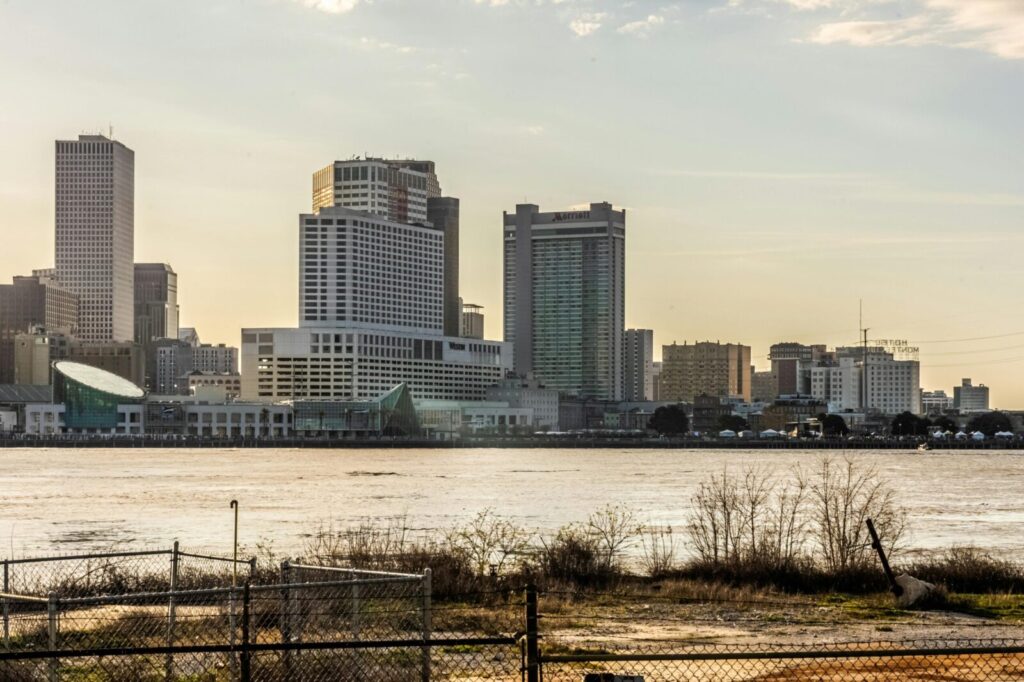
New Orleans is currently facing a “double whammy” of climate risk and economic stagnation. Redfin data from early 2026 shows that New Orleans is one of the few U.S. metros where home prices are actively “collapsing” in certain zip codes. Between the threat of sea-level rise and an insurance market in total disarray, the cost of protecting a home in the Big Easy is often higher than the potential rental income it can generate.
8. St. Louis, Missouri: The Stagnant Population Trap
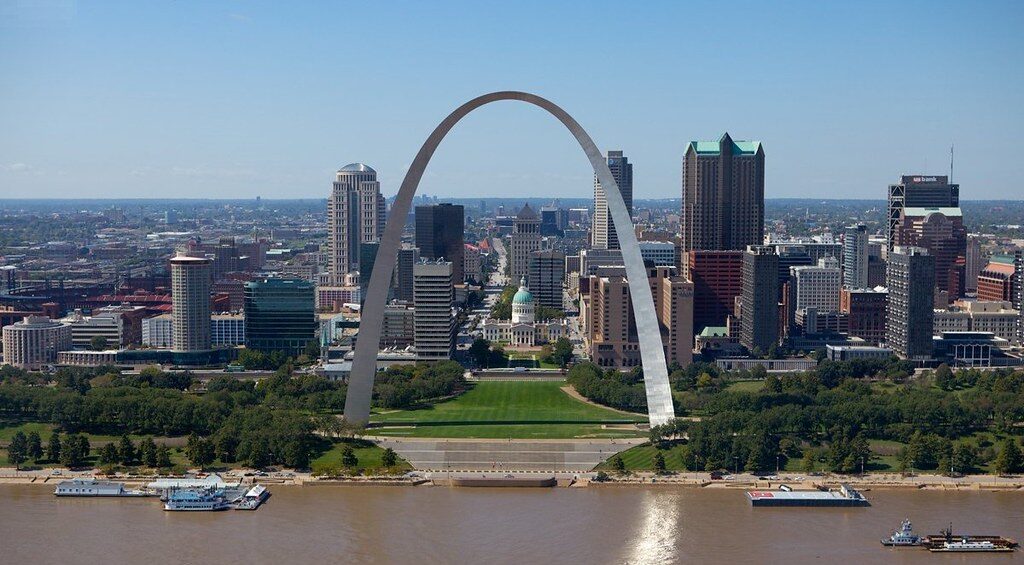
Despite low prices, St. Louis suffers from a lack of “migration pull.” U.S. Census data shows a consistent population decline in the city proper, leading to an oversupply of housing in areas with low demand. Realtors warn that without job growth in the high-tech or manufacturing sectors, the “cheap” houses in St. Louis are “dead money”, assets that fail to appreciate and are subject to high maintenance costs and blight.
9. Detroit, Michigan: The Hyper-Localized Recovery
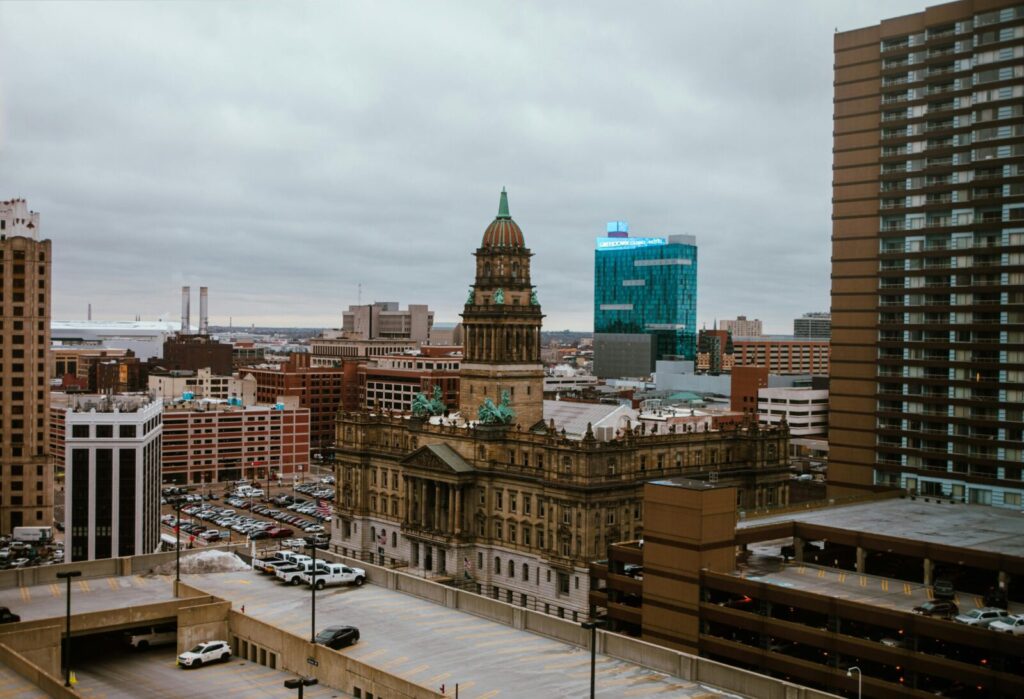
While the downtown “Core” has seen a resurgence, realtors caution that 90% of Detroit remains a high-risk investment. Outside of the immediate 7.2-square-mile center, the city still struggles with a 20% poverty rate and underfunded schools. The “dollar home” era is over, but the remaining inventory often requires more in renovations than the local comps can support, making it a “flipped house nightmare” for many.
10. Austin, Texas: The Infrastructure Hangover
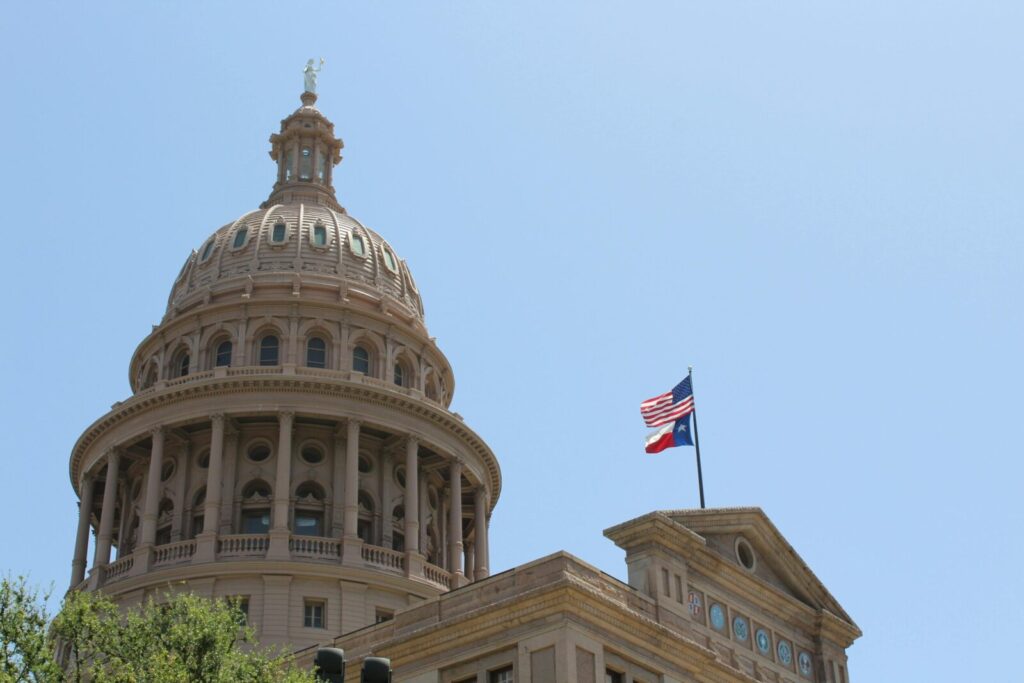
Austin’s 2021-2023 boom led to a massive overcorrection. According to Zillow, Austin saw some of the sharpest price drops in the country in late 2024 and 2025 as the tech sector cooled and remote workers moved to even cheaper locales. Realtors points out that the city’s infrastructure (roads, schools, and the power grid) is struggling to keep up with the recent growth, leading to high “impact fees” for new developments and increased traffic that is degrading the quality of life.
Leave a Reply