
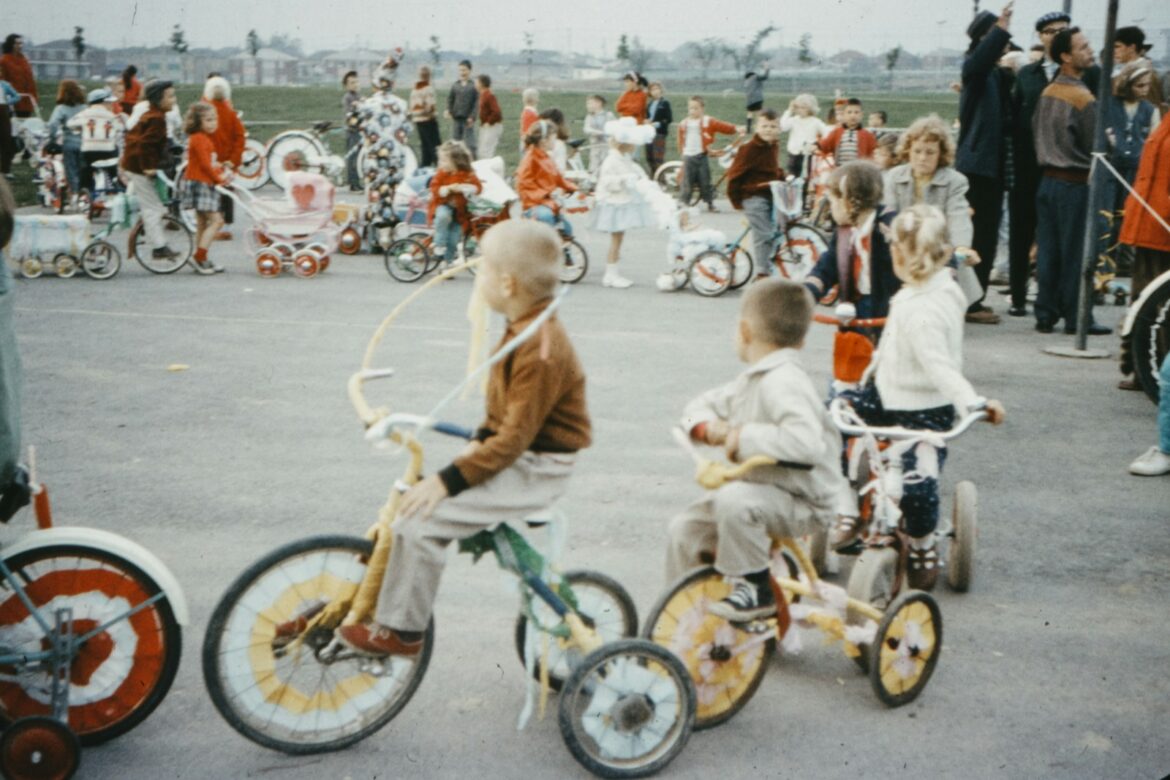
The 1960s are often romanticized as a golden age of freedom, characterized by “free-range” parenting and long summer days spent without adult supervision. For children of that era, safety regulations were virtually non-existent, and many everyday activities were a playground of hazards wrapped in a sense of adventure. However, as medical science and safety standards have evolved, many of those normalized behaviors are now viewed by modern physicians as incredibly dangerous. From toxic toys to risky travel habits, the “carefree” lifestyle of the 1960s was, in reality, a gauntlet of health risks that would horrify today’s pediatricians.
Today, doctors and safety experts point to a dramatic decline in childhood mortality as proof that moving away from these habits was a necessity. According to data from the National Highway Traffic Safety Administration, child car deaths alone dropped by nearly 60% after federal safety standards were introduced. As we look back through a modern lens, it becomes clear that the resilience built during those years often came at a high physical cost. Here are nine childhood habits from the ’60s that are now strictly warned against by the medical community.
1. Riding in “Death Trap” Cars Without Restraints
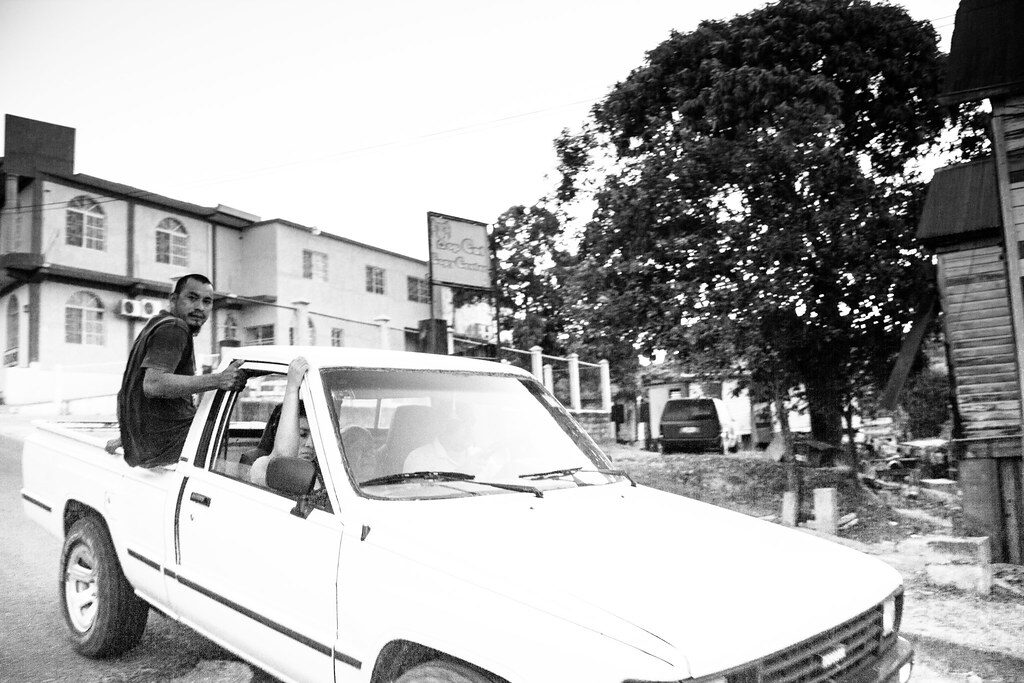
In the 1960s, the concept of a car seat was almost entirely focused on comfort rather than survival. Many infants rode in unattached baby seats that sat loosely on the front bench, while older children bounced around the backseat like “loose groceries.” It was perfectly normal for a child to stand up between their parents in the front seat or sleep on the rear deck under the back window during long road trips. The “safety method” of the time was often nothing more than a parent flinging an arm across the passenger to catch them if the car stopped short.
Modern doctors warn that these habits turned vehicles into high-speed projectiles during a collision. Before the mandate of seatbelts and the invention of high-tech car seats, even a minor fender bender could lead to catastrophic head injuries. Today, the American Academy of Pediatrics recommends that children remain in specialized, rear-facing or booster seats until they are practically preteens, a stark contrast to the era when “riding in the trunk” was considered an exciting change of scenery.
2. Soothing Teething Babies with Whiskey
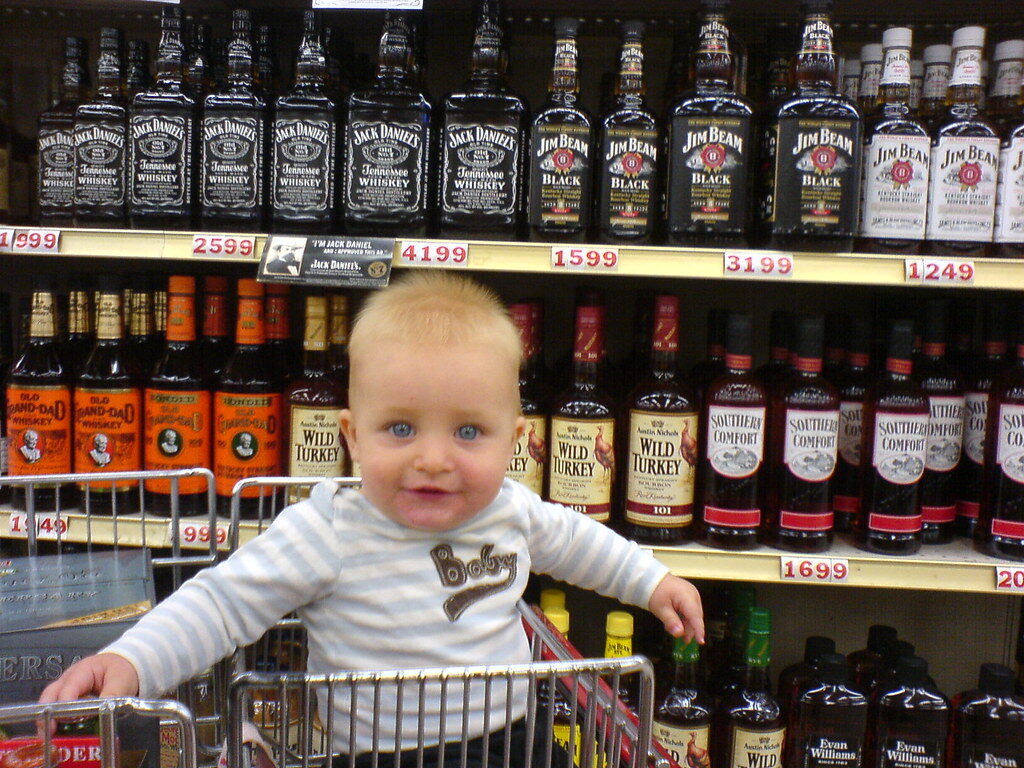
One of the most shocking “old school” parenting hacks was the use of alcohol to calm a fussy or teething infant. It was a go-to remedy for countless parents who would rub a drop of whiskey or brandy onto a baby’s gums to dull the pain. At the time, even some medical pamphlets quietly endorsed the practice as a way to help an irritable child sleep. However, modern neurology has provided a much grimmer picture of what this habit was actually doing to developing brains.
Doctors now strictly warn that alcohol is a central nervous system depressant that can cause a baby’s breathing to slow to dangerous levels. In an infant’s small body, even a trace amount of liquor can lower the heart rate and lead to unconsciousness or permanent developmental delays. Today, pediatricians recommend chilled teething rings or safe, doctor-approved gels, noting that the “whiskey trick” was essentially a form of accidental sedation that put thousands of children at risk of respiratory failure.
3. The “Free-Range” Roaming and Hitchhiking Culture

The 1960s was the era of the “latchkey kid,” where children as young as six or seven were expected to navigate the world alone. It was common for kids to leave home after breakfast and not return until the streetlights came on, with no way for parents to track their location. This independence often extended to hitchhiking, which was treated as a normal mode of public transport for kids trying to get to the local pool or a friend’s house. The only “stranger danger” curriculum for many was a simple warning: “Don’t get in vans.”
While this fostered independence, doctors and safety experts now highlight the extreme risks of such a lack of oversight. Unsupervised children often navigated traffic, open bodies of water, and active construction sites with no help available if something went wrong. Modern child psychology suggests that while autonomy is important, the “free-range” model of the 1960s exposed children to preventable accidents and trauma that could have been mitigated by the supervision standards we consider basic today.
4. Sleeping Face-Down in “Dangerous” Cribs

Throughout the ’60s, pediatricians actually encouraged mothers to let their babies sleep on their stomachs, believing it would prevent them from choking. This advice, combined with the design of vintage cribs, created a high-risk environment for infants. 1960s cribs often featured dangerous drop rails and slats that were wide enough for an infant’s head to get stuck. Furthermore, they were frequently filled with soft pillows and heavy blankets, which were seen as cozy rather than hazardous.
We now know that stomach-sleeping is a primary risk factor for Sudden Infant Death Syndrome (SIDS). The “Back to Sleep” campaign, launched decades later, led to a 50% decrease in the SIDS rate. Modern doctors warn that the sleeping habits of the ’60s were a recipe for suffocation, and today’s strict manufacturing regulations—which eliminate drop-sides and specify slat spacing—were born out of the tragic lessons learned from that era’s lack of safety oversight.
5. Playing with Metal Darts and “Toxic” Toys

The toy box of a 1960s child would be considered a hazardous waste site by modern standards. The most infamous example is Lawn Darts—one-foot-long projectiles with weighted metal tips designed to be tossed through the air. By the time they were finally banned, they were causing over 6,000 emergency room visits a year, mostly involving children. Other popular toys included chemistry sets that contained actual toxic chemicals and toys with sharp, unrounded metal edges that could cause deep lacerations.
Beyond physical injury, doctors warn about the invisible toxins present in these toys. Lead-based paint was the industry standard for everything from dollhouses to toy cars, and plastic toys often contained high levels of phthalates that are now banned. Today’s toys are subject to rigorous testing for choking hazards and chemical safety, a far cry from the 1960s philosophy where “if you survive childhood, you earn adulthood.”
6. Constant Exposure to Secondhand Smoke

In the 1960s, smoking was a ubiquitous social habit that followed children into every corner of their lives. Adults smoked in cars with the windows rolled up, at the kitchen table during dinner, and even in doctor’s waiting rooms. Cigarette ads occasionally even featured children to suggest that smoking helped parents “keep calm.” There was no concept of “secondhand smoke,” and the long-term effects of nicotine exposure on developing lungs were largely ignored or unknown.
Modern pediatricians are now dealing with the long-term fallout of this era, noting that children raised in smoke-filled homes have significantly higher rates of asthma, chronic bronchitis, and ear infections. We now understand that secondhand smoke contains over 7,000 chemicals, hundreds of which are toxic. The shift to smoke-free environments is credited with a massive improvement in childhood respiratory health, highlighting how dangerous the “normalized” cloud of the ’60s truly was.
7. Using Homemade Milk and Corn Syrup Formula
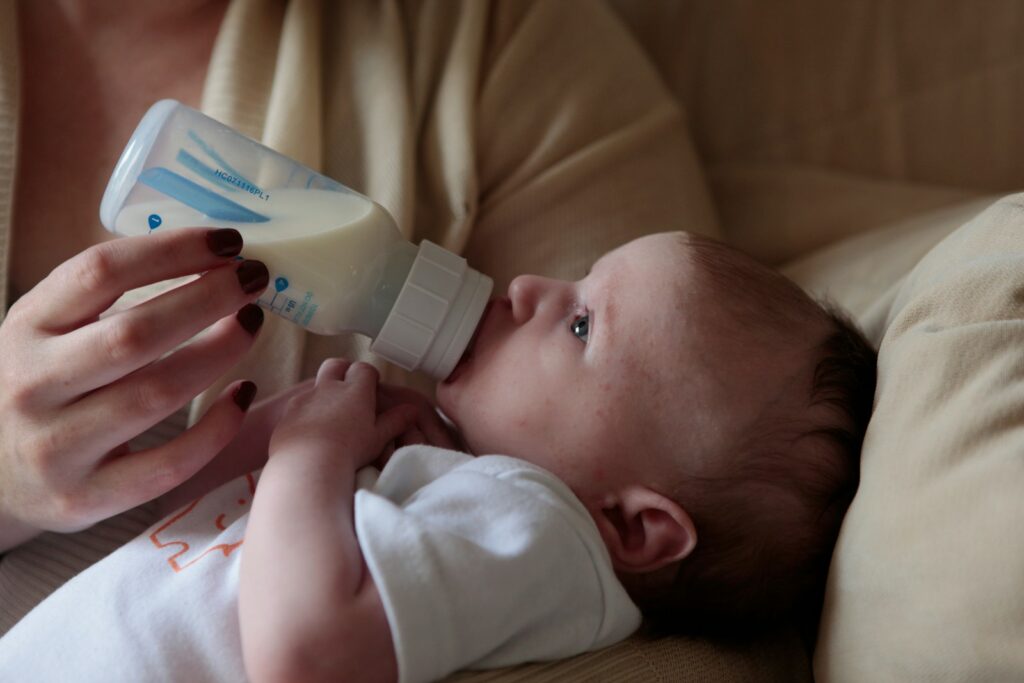
Before the arrival of modern, scientifically balanced baby formula, many 1960s parents relied on homemade mixtures to feed their infants. A common recipe involved evaporated milk, water, and corn syrup or sugar. This concoction was seen as a cheap and easy alternative to breastfeeding, and it was often endorsed as a “healthy” way to help babies gain weight quickly.
Nutritionists and doctors now warn that these homemade formulas were dangerously unbalanced and lacked the essential vitamins and minerals—like iron and vitamin C—required for healthy growth. Feeding babies high levels of corn syrup also contributed to early-onset metabolic issues. Modern research in infant nutrition has completely debunked these “kitchen-sink” formulas, showing they often led to malnutrition and increased the risk of severe illness in babies.
8. Biking and Skating Without Protective Gear
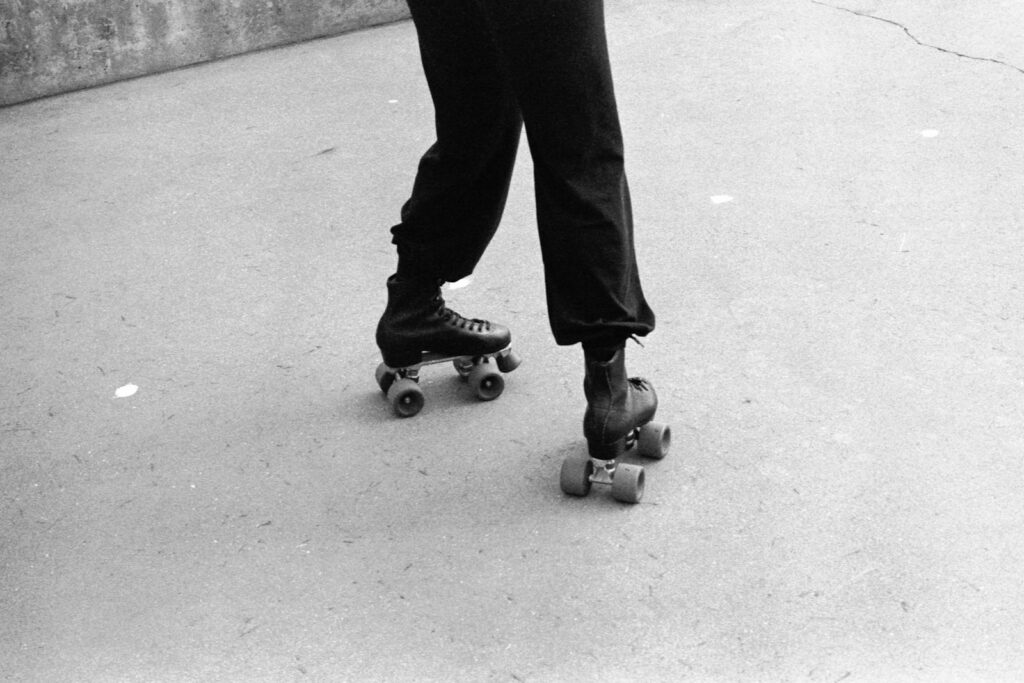
Safety gear in the 1960s was practically non-existent. Children “bombed” down steep hills on bicycles and raced on rickety metal roller skates with zero protection. Helmets were considered something “for astronauts,” and knee pads were viewed as a sign of weakness. Scraping your knees or getting a “concussion” (which was often just called “getting your bell rung”) was seen as a normal part of the weekend’s entertainment.
Modern neurologists have a much more serious view of these “minor” head injuries. We now understand the cumulative impact of concussions and the risk of Traumatic Brain Injury (TBI) from simple falls. The National Highway Traffic Safety Administration notes that helmet use can reduce the risk of head injury by 85%. Today, doctors view the helmetless stunts of the ’60s as a major public health failure that left an entire generation vulnerable to permanent brain damage from preventable accidents.
9. Playing in Construction Sites and “Junkyards”
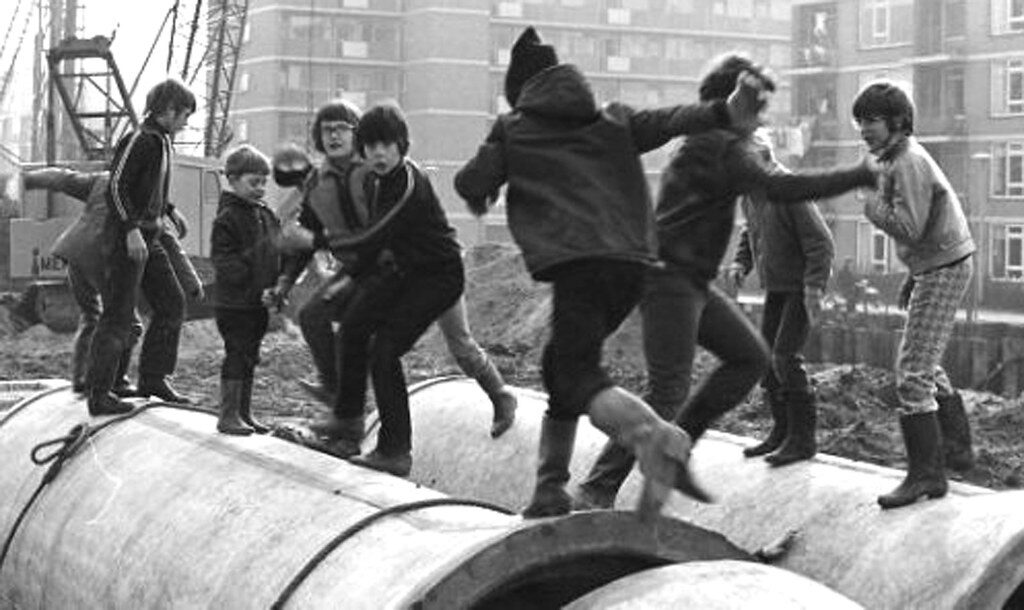
For many working-class kids in the ’60s, the best playground was a half-built house or a local scrapyard. Children would spend hours climbing scaffolding, jumping between floor joists, and scavenging for wood and nails to build forts. Parents often knew where their kids were but didn’t consider an active construction site particularly dangerous. A cut from a rusty nail was treated with a quick dab of iodine and a Band-Aid, and stepping on a nail was considered a routine occurrence rather than an emergency.
Today, doctors warn about the extreme risks of tetanus, asbestos exposure, and structural collapses in these environments. The idea that a child could navigate a “tetanus factory” without adult supervision is a major red flag for modern safety officers. Furthermore, the 1960s chemistry sets that could “actually blow things up” and the use of power tools by ten-year-olds are cited as primary examples of how the era’s “freedom” was often just a lack of basic safety awareness.
Leave a Reply