

For decades, the standard advice for homebuyers was the “five-year rule” – the belief that after five years of residency, appreciation and principal paydown would cover the costs of buying and selling, allowing the owner to break even. However, in 2026, that rule has been shattered. A combination of “locked-in” high interest rates, stagnant inventory, and a dramatic shift in closing costs means the average American homebuyer will now likely wait 13 years before seeing a single dollar of true profit. This “equity desert” is fundamentally changing how a generation views homeownership, shifting it from a reliable wealth-building vehicle to a long-term, high-cost shelter play.
Data from the 2026 Housing Affordability Index and recent Federal Reserve reports indicate that the “break-even point” has drifted further into the future than at any time since the post-2008 crash. Between the erosion of the “middle-class discount” and the rising “carrying costs” of modern homes, the math of 2026 is unforgiving. Here are the five primary reasons why the timeline for home equity has more than doubled.
1. The “Interest Rate Lock” and the Amortization Trap

The most significant hurdle for 2026 buyers is the structural reality of the 30-year fixed-rate mortgage in a “higher-for-longer” environment. With rates stabilized near 6.5% to 7%, the early years of a mortgage are almost entirely consumed by interest. In the first 13 years of a $400,000 loan at 7%, a homeowner pays roughly $330,000 in interest while only chipping away about $65,000 in principal.
This “interest-heavy” phase of the loan means that even if the home’s value stays stable, the owner is building very little actual ownership. Realtors report that many buyers who attempt to sell after seven or eight years are shocked to find their “net proceeds” are nearly identical to their original down payment, essentially meaning they lived in the home for nearly a decade for the price of a very expensive rental.
2. The Death of Rapid Appreciation
During the “Pandemic Boom,” homeowners saw double-digit appreciation that allowed them to break even in as little as 18 months. In 2026, that engine has stalled. The national average appreciation rate has cooled to a “historical normal” of roughly 3% to 4%. When you factor in the 2026 inflation rate of 3%, real appreciation (the actual growth in value above the cost of living) is essentially zero.
Economists warn that without the “rocket fuel” of ultra-low rates to drive up prices, homes are returning to their traditional role as a slow-growth asset. For a buyer who pays a 5% premium in a bidding war today, it will take at least three to four years of appreciation just to get back to the “true” market value of the home, let alone cover the costs of a future sale.
3. The “Hidden” Closing Cost Surge
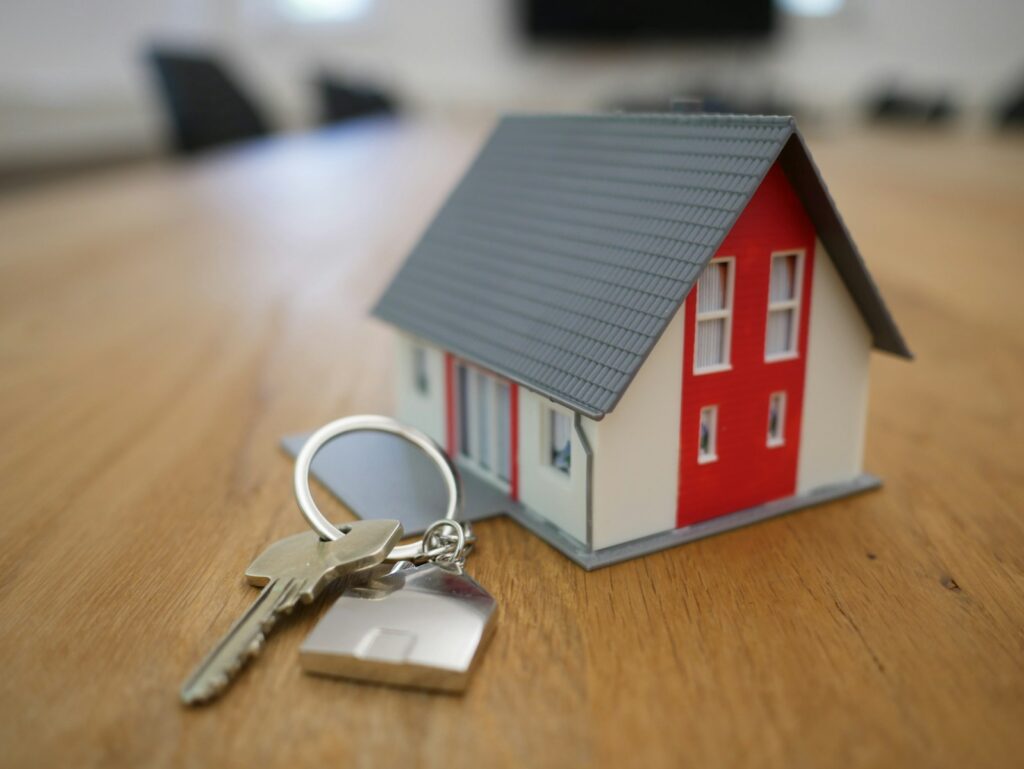
The cost to enter and exit the housing market has reached an all-time high in 2026. Between title insurance, transfer taxes, and the restructuring of agent commissions following the 2024 settlements, the total cost to buy and then sell a home now averages 12% to 15% of the home’s total value.
On a $500,000 home, a owner must gain at least $75,000 in equity just to cover the transactional friction of moving. In a market growing at 3% annually, it takes over five years of appreciation just to “pay back” the fees associated with the purchase and the eventual sale. Realtors are increasingly seeing “upside-down” sellers who have lived in their homes for six years but still owe more to the bank and the agents than the house is currently worth after fees.
4. The “Maintenance Tax” and 2026 Climate Premiums

Homeownership in 2026 comes with a set of “carrying costs” that were significantly lower a decade ago. Homeowners insurance premiums have jumped an average of 22% nationwide in the last two years, and property tax assessments are being updated at record speeds to match 2024’s peak valuations.
When you add in the “1% Rule” – the standard recommendation to set aside 1% of the home’s value for annual maintenance, the “negative carry” of the home becomes substantial. For a $400,000 home, between taxes, insurance, and maintenance, the owner is “spending” roughly $15,000 to $20,000 a year just to keep the lights on and the roof intact. This annual drain acts as a “reverse equity” that pushes the break-even point deeper into the 2030s.
5. The “Inventory Lock” Stagnation

Finally, the 2026 market is defined by a lack of “trading up.” Because millions of homeowners are still sitting on 3% mortgages from 2021, they are refusing to sell, which keeps inventory levels at historic lows. This “inventory lock” prevents the natural churn that drives neighborhood-wide appreciation.
Without a steady stream of comparable sales to push values higher, many neighborhoods are seeing “valuation plateaus.” Buyers in 2026 are often buying into these plateaus, where prices are high but the upward momentum has vanished. This stagnation means that the primary way to build equity is through the slow, painful process of monthly principal paydown, which, as the amortization table shows, is a marathon, not a sprint.
The 15% transactional friction and the $330,000 interest burden on a standard 7% loan are turning 2026 homeownership into a 13-year commitment.
Leave a Reply