
In 2026, the cost of living is being shaped by what economists call “drip pricing”—the practice of advertising a low base price while quietly layering on mandatory fees throughout the checkout process. While the Federal Trade Commission (FTC) and several states have enacted “Junk Fee” bans recently, many industries have simply rebranded their surcharges or moved them to less obvious parts of the bill. From “wellness fees” at your local bistro to “revenue-linked” charges in your travel apps, the modern consumer is facing a gauntlet of invisible costs.
According to 2026 consumer advocacy reports, these hidden fees can inflate the final price of goods and services by as much as 20%. Understanding where these charges hide is the first step in reclaiming your budget. Here are the 10 places where you are likely being charged extra without even realizing it.
1. The “Hospitality Fee” at Local Restaurants

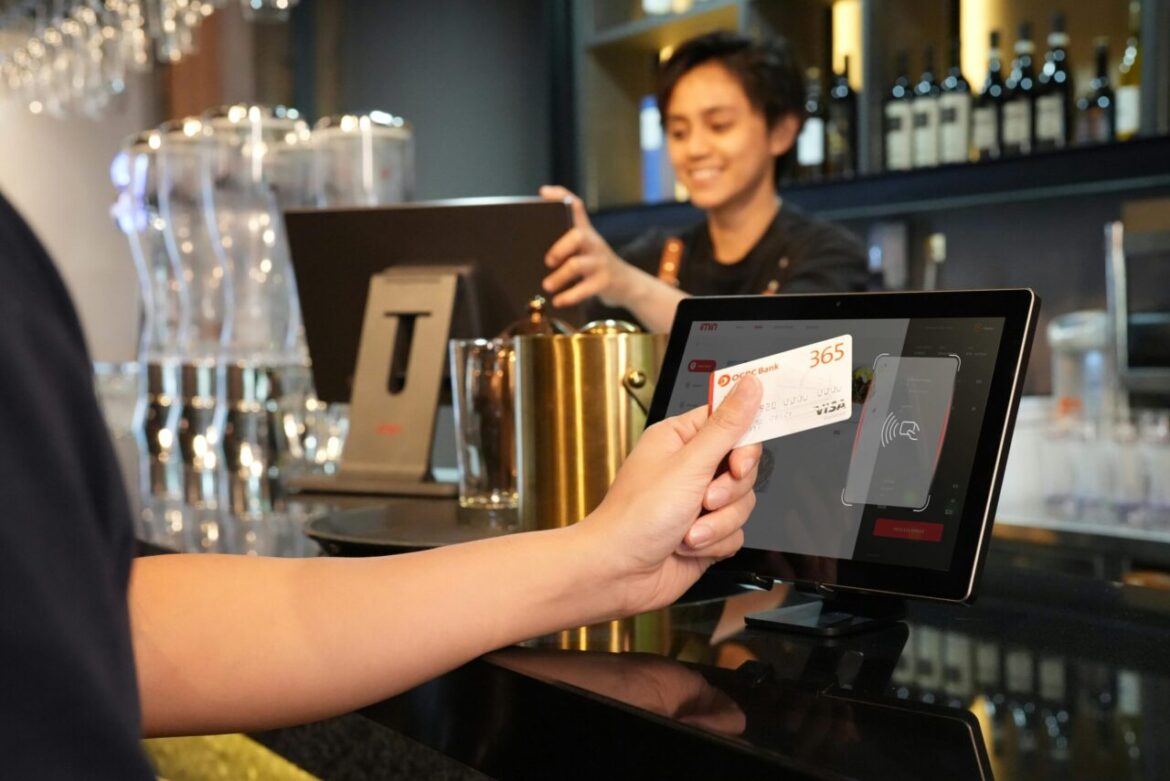
One of the most controversial trends of 2026 is the “Wellness” or “Hospitality” fee appearing on restaurant checks. Unlike a tip, which goes directly to your server, these fees (often ranging from 3% to 5%) are frequently used by owners to cover administrative costs or employee health insurance mandates. In some cities, restaurants are now legally required to disclose these fees on the menu, but they often appear in fine print at the bottom of the last page.
Waiters and industry insiders note that these surcharges are often added automatically before the tax is calculated, meaning you are effectively paying a “tax on a fee.” To avoid a double-charge, always check the bottom of your itemized receipt before adding a traditional 20% tip, as some establishments have moved to a “service-included” model without clearly announcing it to the table.
2. “Drip Pricing” in Live Event Ticketing

Despite 2025 federal regulations intended to bring “all-in” pricing to the ticketing industry, many platforms are still utilizing “drip pricing” for high-demand events. While the initial search might show a $100 ticket, the final checkout screen often reveals “Facility Fees,” “Order Processing Fees,” and “Technology Surcharges” that can add $30 to $40 to the total.
The 2026 “Ticket Transparency” audits show that “Service Fees” remain the most elusive charge, often calculated as a percentage of the ticket price rather than a flat rate. These fees are theoretically meant to support the platform’s infrastructure, but in reality, they act as a significant profit margin that is only revealed after you have spent ten minutes in a high-pressure digital queue.
3. The “Resort Fee” Rebrand in Urban Hotels

The “Resort Fee” has officially migrated from Las Vegas to major urban centers like New York and Chicago, often rebranded as a “Destination Fee” or “Urban Utility Surcharge.” In early 2026, New York City implemented a new rule to ban hidden hotel “junk fees,” but travelers are still finding these charges, ranging from $25 to $50 per night, hidden in the “taxes and fees” section of third-party booking sites.
These fees supposedly cover “amenities” like high-speed Wi-Fi, fitness center access, or bottled water, services that most travelers expect to be included in the base room rate. For a four-night stay, an unadvertised destination fee can easily add $200 to your bill, a “surprise” that often isn’t fully disclosed until you are standing at the front desk with your luggage.
4. Revenue-Linked Pricing in Property Management

For those renting vacation homes or using multi-channel booking platforms, a new “revenue-linked” fee structure is quietly taking hold in 2026. Some property management systems now take a 2% to 5% “technology fee” directly from the booking revenue. While this is technically a cost to the host, it is almost always passed down to the guest in the form of higher “Administrative Fees.”
These charges are often layered on top of existing cleaning fees and service commissions. Because they are calculated as a percentage of the total stay, they can be particularly punishing for long-term travelers. Unlike a flat cleaning fee, these “revenue shares” mean that the more you pay for your stay, the more you are charged in invisible “tech fees” that provide no direct benefit to the renter.
5. Credit Card “Hold” Fees and Deposits
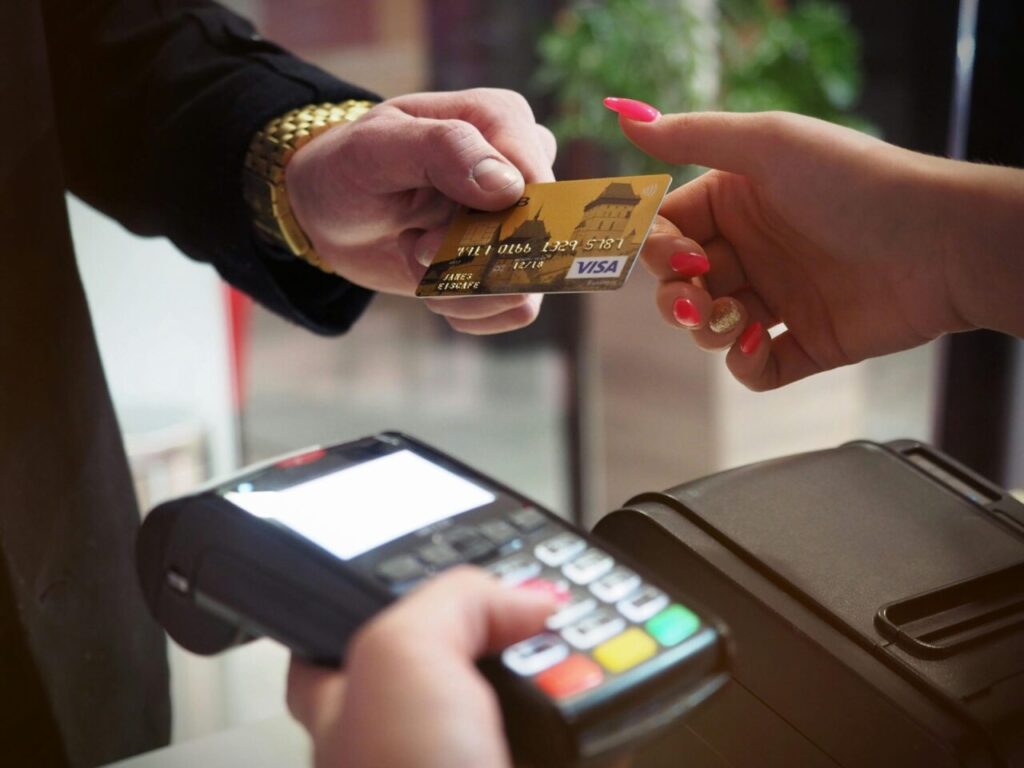
A subtle but impactful charge in 2026 involves “surprise” credit card holds and non-refundable deposits. Many service providers, from boutique hotels to high-end car rentals, have begun placing “incidental holds” that can exceed $500. While these are technically temporary, they reduce your available credit limit and can trigger “over-limit” fees from your bank if you aren’t careful.
In February 2026, new consumer protection rules began cracking down on deceptive holds that weren’t disclosed upfront. However, some companies have pivoted to “non-refundable booking deposits” that are separate from the actual service cost. These act as an “insurance policy” for the business, ensuring they get paid even if you cancel, but they are often disguised as part of the initial payment until you read the cancellation policy.
6. Telecommunications “Administrative Surcharges”

The 2026 “Utility Squeeze” is most visible in your monthly phone and internet bills. While your “base plan” may be $70, the final bill is often closer to $90 due to “Regulatory Recovery Fees,” “Administrative Surcharges,” and “Universal Service Fund” contributions. These are not taxes imposed by the government, but rather fees the companies charge to cover their own cost of complying with government regulations.
According to 2026 FCC reports, these “company-imposed” fees have risen by 12% over the last year. Because they are listed in the “Taxes and Surcharges” section, most consumers assume they are mandatory government levies. In reality, they are a way for telecommunications giants to advertise a lower price while maintaining high profit margins through the “back door.”
7. The “Convenience Fee” for Digital Government Services

Ironically, some of the most persistent hidden fees in 2026 come from the very entities trying to ban them. Many local and state governments now charge a “Convenience Fee” or “Processing Surcharge” (often 2.5% to 3%) when you pay your property taxes, utility bills, or car registration online with a credit card.
While the government argues this covers the interchange fees charged by banks, it often exceeds the actual cost of the transaction. For a $5,000 property tax bill, a 3% “convenience fee” adds an extra $150 to your payment. In 2026, as more municipalities move to “cashless” systems, these fees are becoming an unavoidable “digital tax” for the average citizen.
8. “Bona Fide Service Fees” in Healthcare

In the complex world of 2026 healthcare, a new regulation regarding “Bona Fide Service Fees” (BFSFs) is aimed at increasing drug pricing transparency, but it also highlights how much “padding” exists in your medical bills. These are fees paid by manufacturers to entities like pharmacies or wholesalers for legitimate services, but they are often factored into the “Average Sales Price” (ASP) of a drug.
For the consumer, this often manifests as a “Facility Fee” on a hospital bill for an outpatient procedure or a “Pharmacy Dispensing Surcharge.” While 2026 Medicare rules now require more rigorous documentation of these fees to ensure they aren’t “passed on” to patients, private insurance plans often still include these administrative markups in your out-of-pocket costs.
9. The “Subscription Recovery” Fee for Recurring Bills
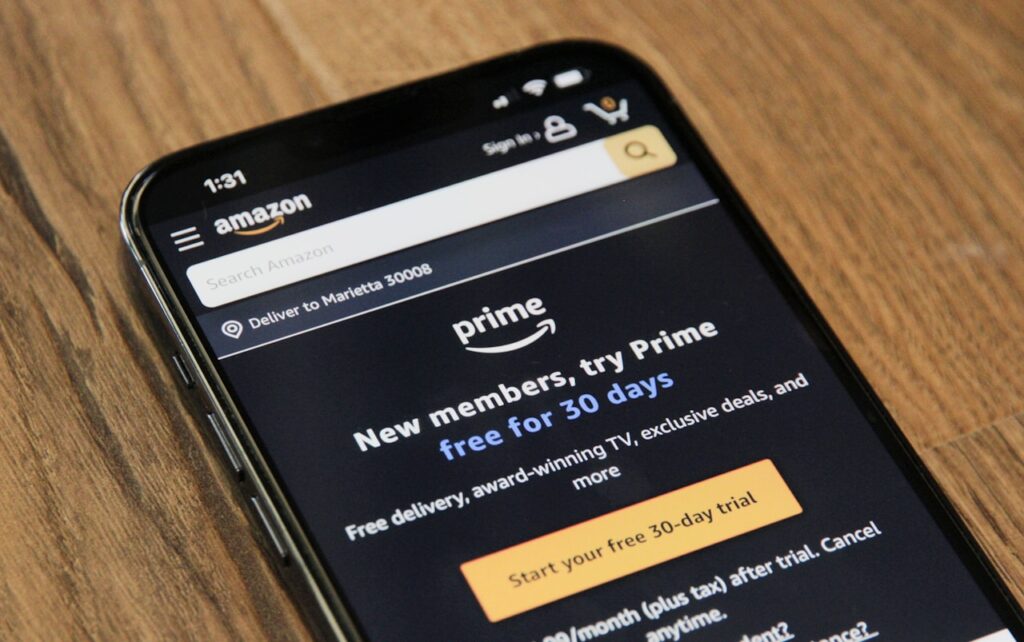
Subscription services, from streaming apps to meal kits, have introduced a “Recovery Fee” or “Platform Maintenance Surcharge” in 2026. This is often a small, monthly charge (e.g., $0.99 or $1.49) that is added to your base subscription. Because it is a small amount, most people don’t notice it on their credit card statements.
However, across millions of subscribers, these “micro-fees” generate hundreds of millions in “quiet revenue.” The FTC has labeled opaque subscription fees a “top enforcement target” for 2026, but companies continue to find ways to label these charges as “essential for platform security” or “cloud maintenance” to justify the extra cost.
10. “Drip Pricing” in Grocery and Delivery Apps
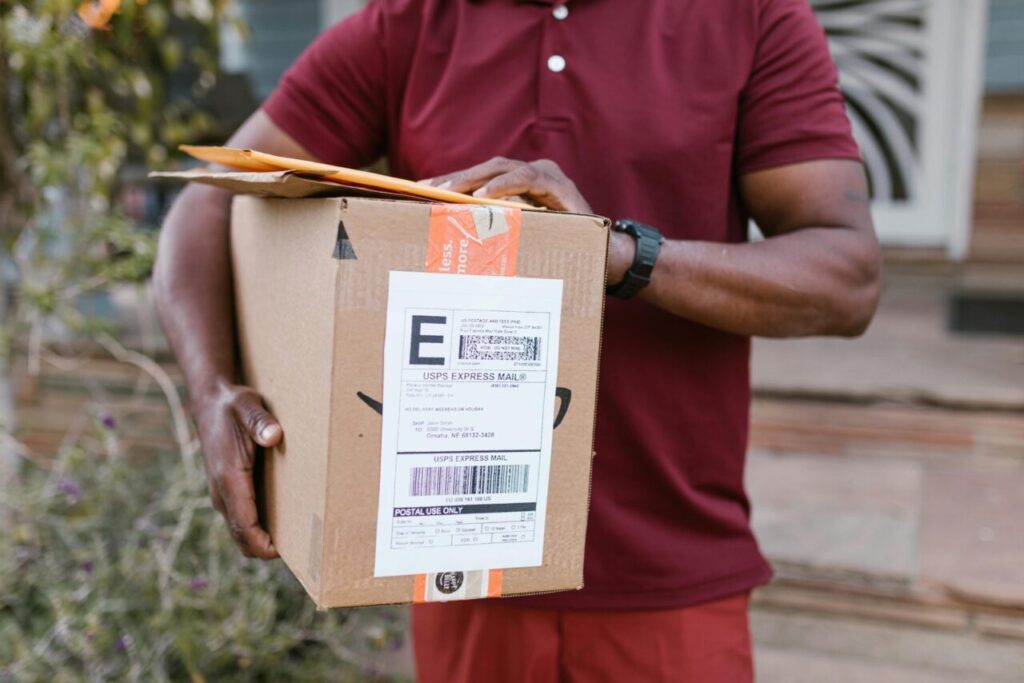
Finally, the “Aldi Shock” of 2026 is often exacerbated by the hidden fees in grocery delivery apps. Beyond the delivery fee and the tip, many apps now include a “Service Fee” that is calculated as a percentage of your grocery total. Furthermore, the prices of the items themselves are often marked up by 15% to 20% compared to in-store prices.
A 2026 audit of major delivery platforms found that a $100 grocery order can cost the consumer upwards of $145 once you factor in item markups, delivery fees, service fees, and tips. Because these costs are spread throughout the app, from the individual item price to the final checkout, most users don’t realize they are paying a nearly 50% premium for the “convenience” of delivery.
Leave a Reply