
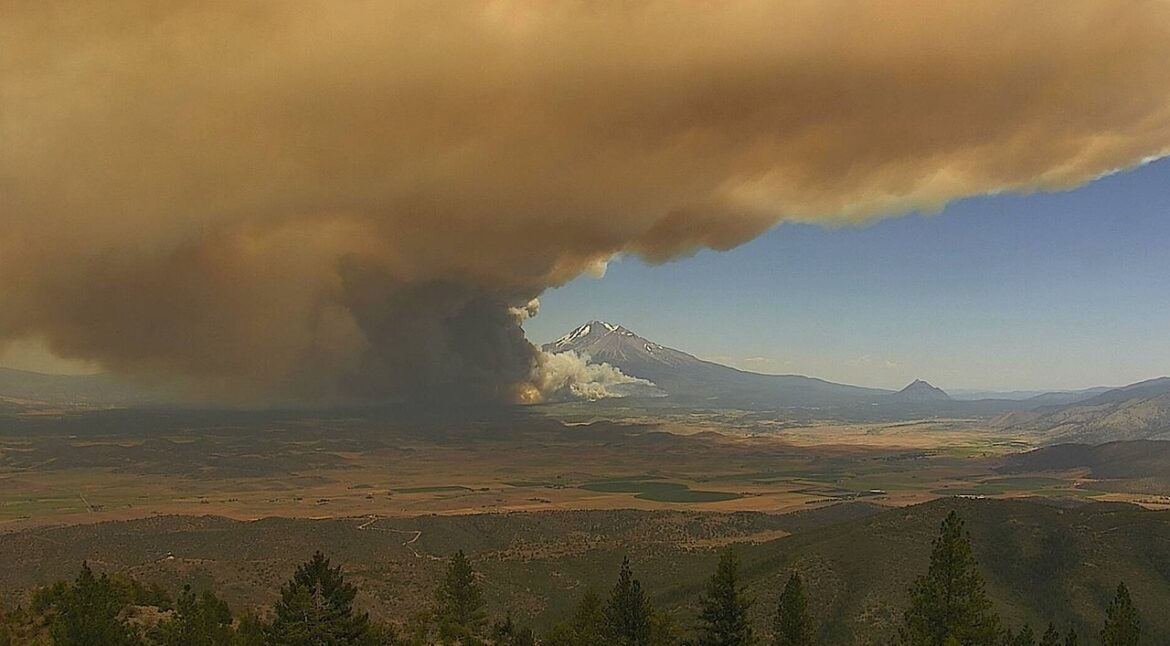
When presented with the question of where life might become most perilous by the year 2050, artificial intelligence, cross-referenced with current climate science and institutional research, has painted a stark and data-driven picture. This is not a speculative future, but a methodical projection of ongoing environmental shifts impacting human habitation. The AI’s response reveals a sobering reality: for vast segments of the global population, existing conditions are rapidly becoming too extreme to endure, necessitating widespread migration for survival.
The Persian Gulf and South Asia: Where Heat Becomes Unsurvivable
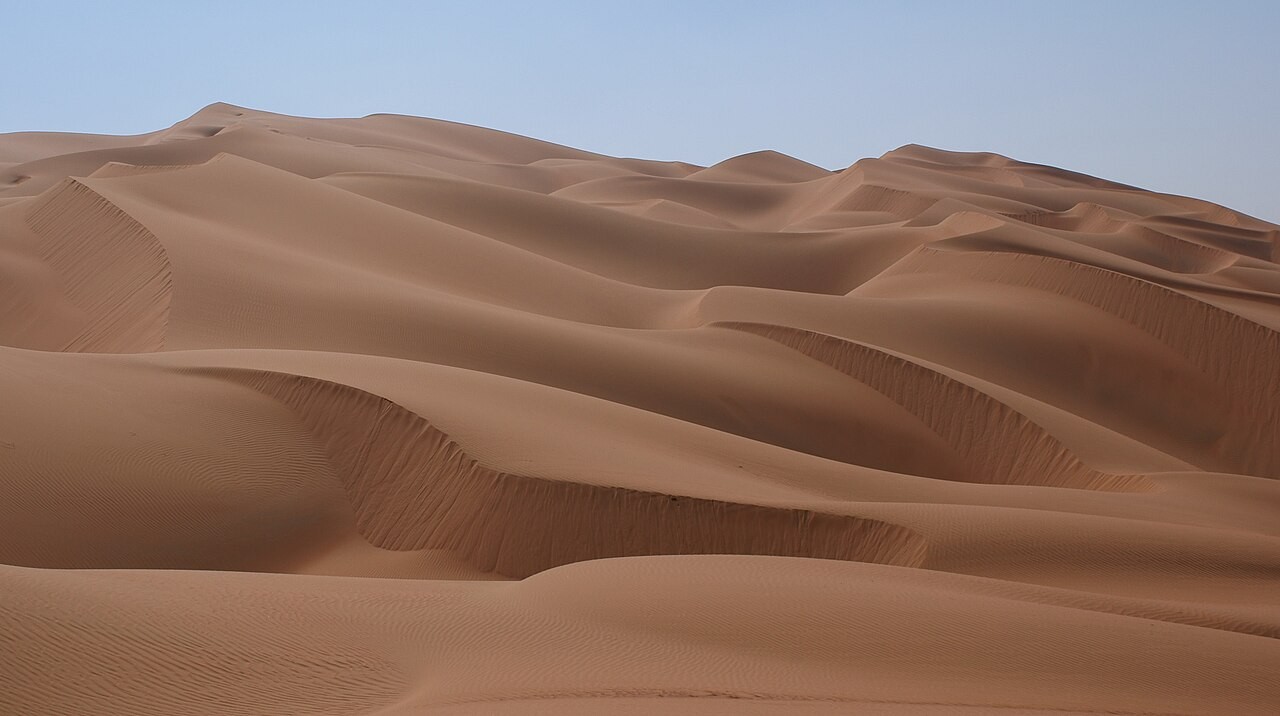
Many nations within South Asia, the Persian Gulf, and those bordering the Red Sea are projected to experience wet-bulb temperatures exceeding 35°C regularly by 2050, rendering them dangerous or potentially uninhabitable during heatwaves. The wet-bulb temperature is a critical measure of the body’s ability to cool itself through perspiration; exceeding 35°C for six hours, even in the shade, can be fatal. NASA has already recorded instances above this threshold, particularly near Pakistan and the Persian Gulf, indicating a trend that is expected to worsen significantly. The Middle East, in particular, is warming at twice the global average rate, with projections indicating a 4°C rise above the 1.5°C benchmark by 2050 in the MENA region. This intense heat is often compounded by other climate events such as flooding, cyclones, and disrupted monsoons, creating a multi-faceted threat.
Sub-Saharan Africa: A Continent on the Move

Sub-Saharan Africa is anticipated to witness the highest number of internal migrants, with estimates reaching 86 million by 2050, a significant figure for a region that contributes minimally to global emissions yet bears a disproportionate burden of climate consequences. In 2023, this region hosted 46% of the world’s internally displaced people, and projections indicate a substantial increase in exposure to wildfires. Under a high-warming scenario, up to 25 million people could be exposed to wildfires, and the population vulnerable to river floods is projected to increase by approximately 700% by 2090. These escalating climate impacts, including desertification, land degradation, and extreme weather events like droughts and floods, exacerbate existing challenges of hunger and poverty, driving displacement and instability. Many nations in this region, such as Angola, Burundi, and Sudan, are identified as highly vulnerable across multiple climate scenarios.
Pacific Island Nations: Countries That May Cease to Exist
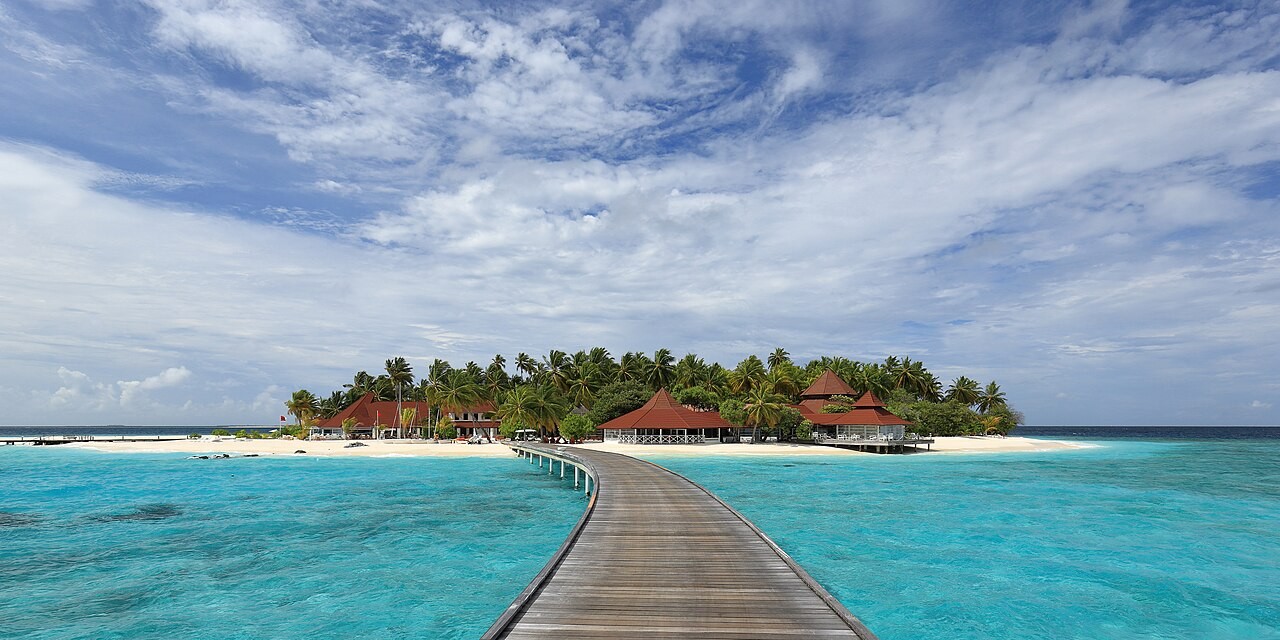
Small Island Developing States (SIDS), primarily located in the Pacific and Indian Oceans, face an existential threat from rising sea levels, with some nations at high risk of disappearing entirely by 2050. Countries like Kiribati, with an average elevation of only three meters, are experiencing sea level rise at four times the global average, making them exceptionally vulnerable. Tuvalu, another low-lying archipelago, is also critically threatened, highlighting the profound injustice of climate change where low-emitting nations suffer the most severe consequences. The Maldives, with an average altitude of just 1.5 meters, is also among the lowest-lying nations globally, making it extremely susceptible to inundation. These nations, often reliant on subsistence economies and tourism, face immense challenges in adapting to these relentless environmental changes, potentially leading to complete displacement and the loss of national sovereignty.
Coastal Cities Worldwide: Rising Seas and Shrinking Time
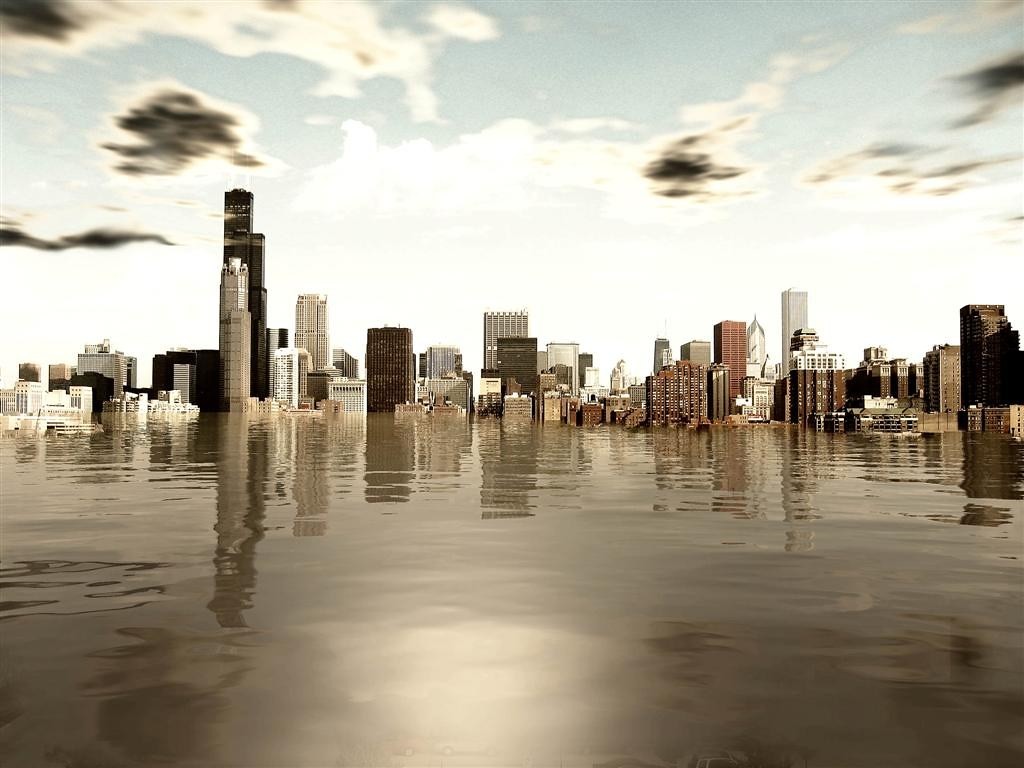
By 2050, a staggering one billion people are predicted to be at risk from coastal flooding due to rising sea levels. This escalating threat will displace vast populations from weather disasters, particularly flooding and tropical cyclones, with Asia bearing a significant portion of this risk. Nations like Bangladesh, China, India, and Vietnam are among those facing the most severe impacts, accounting for 70% of people exposed to sea-level rise this century. In the United States, cities such as Miami, New Orleans, and New York are projected to face regular flooding, with NOAA anticipating up to a foot of sea-level rise by 2050. The economic repercussions are immense, with infrastructure at risk and insurance availability becoming a critical issue, potentially leading to collapsing property values and strained local economies.
The Sahel and Red Sea Region: Drought, Conflict, and Collapse Converging
The Sahel region, stretching across Africa from the Atlantic to the Red Sea, is experiencing a convergence of severe droughts, land degradation, and unpredictable rainfall patterns, leading to increased food insecurity and displacement. Niger, for instance, is highly vulnerable to desertification and extreme weather, exacerbating existing poverty. Similarly, Sudan faces relentless droughts, rainfall variability, and depleting water sources, with recent unprecedented flooding disrupting agricultural seasons and worsening the humanitarian crisis. The region’s climate instability is compounded by conflict, creating a devastating cycle for populations already struggling with hunger and resource scarcity. Countries such as Ethiopia, Somalia, and Yemen, bordering the Red Sea, are also identified as areas where climatic conditions will become exceedingly difficult to bear by 2050.
A Warming Planet With No Safe Exits: The Scale of Global Displacement
The projected impacts of climate change point towards a future of unprecedented global displacement. By 2050, significant portions of the world’s population may be forced to migrate due to uninhabitable living conditions driven by extreme heat, sea-level rise, and resource scarcity. This impending crisis underscores the interconnectedness of global environmental challenges and the urgent need for coordinated international action. The most vulnerable regions, often those least responsible for historical emissions, will bear the brunt of these changes, highlighting profound issues of climate justice and equity. The scale of potential migration could strain resources, challenge geopolitical stability, and necessitate a global reevaluation of adaptation and resettlement strategies.
Leave a Reply