
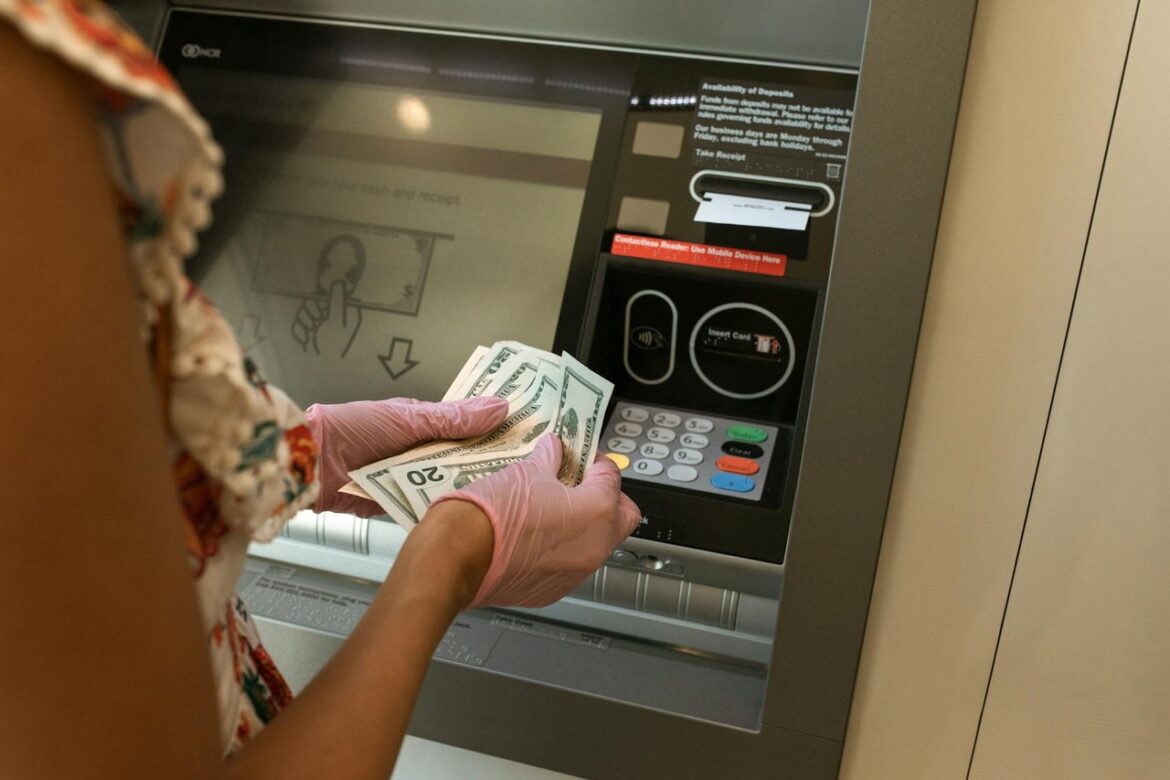
As a bank teller, I witness firsthand the financial habits of countless individuals, and a recurring theme is the tendency to keep excessive funds in checking accounts. While convenient, maintaining over $3,000 in this account can expose your money to unnecessary risks and hinder its growth. This article will outline seven critical reasons why reconsidering this practice is essential for your financial well-being, moving beyond mere convenience to embrace security and wealth accumulation.
1. The Debit Card Danger Zone
Your checking account acts as the primary gateway to your funds, and when linked to a debit card, it becomes a direct line for potential fraudsters. Unlike credit cards, where disputes involve a third party and your own money isn’t immediately gone, a compromised debit card means direct access to your available cash. This can lead to immediate financial hardship, leaving you unable to cover essential expenses like rent or utilities while the bank investigates. The Federal Trade Commission reported that consumers lost an alarming $12.5 billion to fraud in 2024, a significant increase from previous years. This statistic underscores the vulnerability associated with having large sums accessible via debit card. Using a credit card for daily transactions offers a crucial layer of protection, as it shifts the burden of proof and resolution to the credit card issuer, safeguarding your immediate funds.
2. The Inflation Silent Killer
Money left idle in a checking account is actively losing value due to inflation. The meager interest rates typically offered by checking accounts, averaging around 0.07% APY as of February 2026 according to the FDIC, are often significantly lower than the prevailing inflation rate. If inflation hovers around 3%, your money is effectively losing purchasing power each year. This means that the $3,000 you diligently keep in your checking account will buy less in the future than it does today. It’s a silent erosion of wealth, where the number in your account may remain static, but its real value diminishes over time. This constant diminishment is a tax on your savings that is often overlooked, making it crucial to move excess funds to accounts that can at least attempt to keep pace with inflation.
3. The Opportunity Cost of Untapped Growth
Every dollar sitting in a checking account is a dollar not working towards your financial future. The concept of “opportunity cost” highlights what you forgo by not choosing a more productive alternative. While savings accounts offer slightly better interest rates, even those often fall short of beating inflation. Financial data from Hartford Funds in 2025 indicates that cash investments typically yield negative real returns after accounting for taxes and inflation. For true wealth accumulation, investing in the market, even through conservative balanced portfolios, has historically provided a more effective means to outpace inflation and grow capital over the long term. Maximizing returns requires moving funds beyond the limited yield of checking accounts.
4. The Temptation to Overspend

A substantial balance in a checking account can create a false sense of financial security, making it easier to justify impulse purchases and overspending. When a large sum is readily accessible, the psychological barrier to spending is lower. A $3,000 balance might make a $200 purchase seem insignificant, whereas if the balance were closer to a month’s expenses, such a purchase would be given more careful consideration. This “friction” in accessing funds from savings or investment accounts encourages more mindful spending habits. By keeping only essential living expenses in checking, you create a necessary pause that prompts reflection before each transaction, ultimately protecting your overall financial health from unnecessary depletion.
5. The Risk of Unnecessary Fees
While many banks are moving towards eliminating or reducing overdraft fees, they remain a significant risk, especially when maintaining a large, consistent balance in a checking account. Overdraft fees, averaging around $26.77 in early 2025, can quickly deplete even substantial balances if multiple transactions are processed without sufficient funds. In 2024, consumers incurred approximately $12.1 billion in overdraft and NSF fees. Although your $3,000 might seem like a buffer, a series of unexpected expenses or a slight miscalculation could still lead to incurring these costly charges. Furthermore, some banks might have monthly transaction limits on checking accounts, and exceeding these can also result in fees, penalizing you for simply using your own money.
6. Limited FDIC Insurance Coverage for Large Balances
While the Federal Deposit Insurance Corporation (FDIC) insures deposits up to $250,000 per depositor, per insured bank, for each ownership category, this limit is crucial to understand. If your checking account balance significantly exceeds this threshold, the excess funds are not insured. For most individuals, $3,000 is well within the FDIC limits. However, the principle of not keeping all your eggs in one basket applies. If your checking account balance were to reach a substantial sum, relying solely on a single checking account could leave a portion of your assets uninsured in the unlikely event of a bank failure. It is prudent financial practice to utilize different ownership categories or multiple institutions to maximize FDIC coverage if one anticipates holding significantly larger sums.
7. Missing Out on Better Interest Rates Elsewhere

The most significant drawback of keeping excessive funds in a checking account is the direct forfeiture of potential earnings from higher-yield accounts. As of February 2026, the national average interest rate for checking accounts is a mere 0.07% APY. In contrast, high-yield savings accounts, money market accounts, and certificates of deposit (CDs) offer considerably better returns. For instance, some high-yield savings accounts can offer APYs exceeding 4%. Moving the excess $3,000 from your checking account to such an account could generate over $120 in additional interest annually, without significantly impacting accessibility for daily needs. This is essentially “free money” being left on the table due to complacency or lack of awareness.
Leave a Reply