
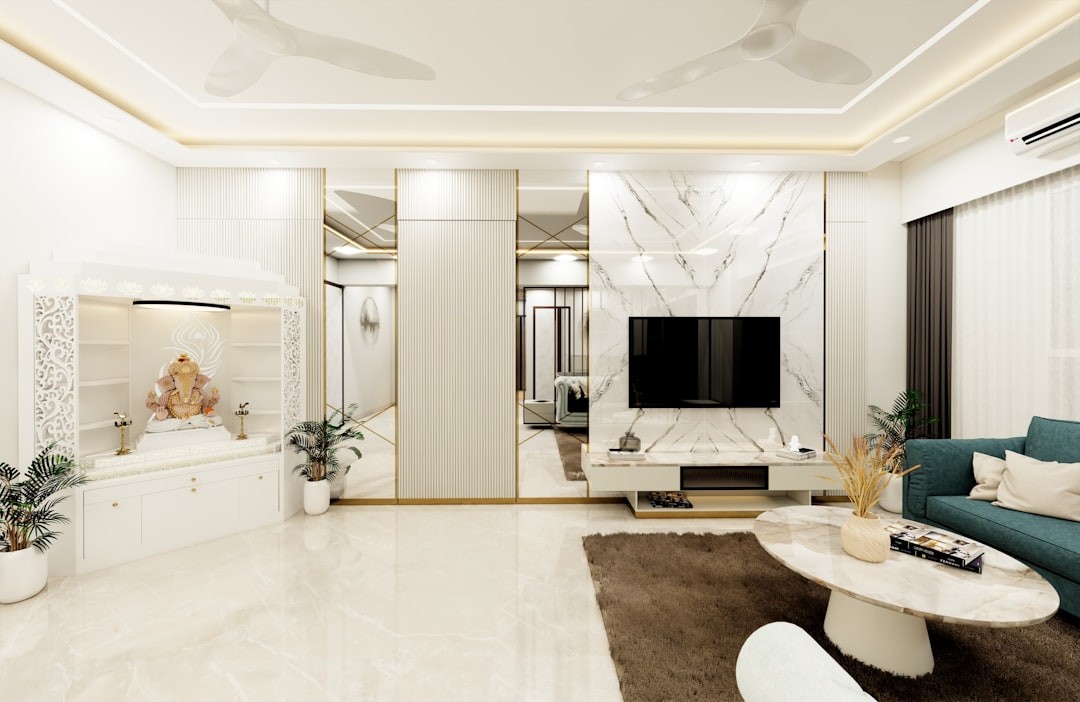
The real estate market is a dynamic reflection of evolving consumer tastes and priorities. What was once considered a covetable home feature can quickly become an undesirable attribute as lifestyles and aesthetics shift. Realtors across the country are observing a notable change in buyer preferences, with certain once-popular design elements now leading to rejections and influencing purchase decisions. This pivot signifies a move towards prioritizing functionality, low maintenance, and timeless appeal over fleeting trends that can quickly feel dated and burdensome.
1. Granite Countertops
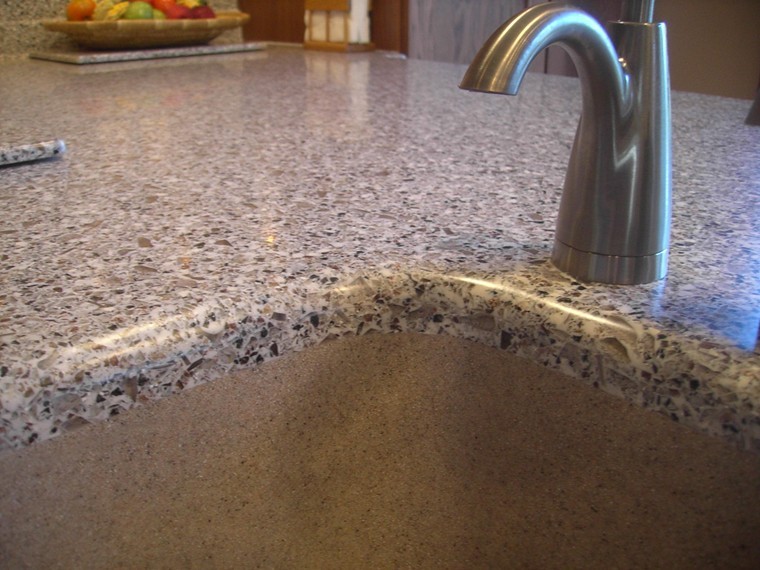
For decades, granite countertops were the epitome of a high-end kitchen, synonymous with luxury and desirability. However, this once-dominant material is now frequently being overlooked, and even rejected, by modern homebuyers. The primary reasons cited by realtors include the busy, speckled appearance of many granite patterns, which can look dated compared to cleaner, sleeker alternatives. Furthermore, the ongoing maintenance requirement, such as annual sealing to prevent stains, is a chore many homeowners are eager to avoid in favor of more durable and lower-maintenance materials like quartz. Reports from the National Kitchen and Bath Association indicate a strong preference for quartz among industry professionals due to its superior durability and ease of care, marking a significant shift away from granite’s long-held appeal.
2. Formal Dining Rooms
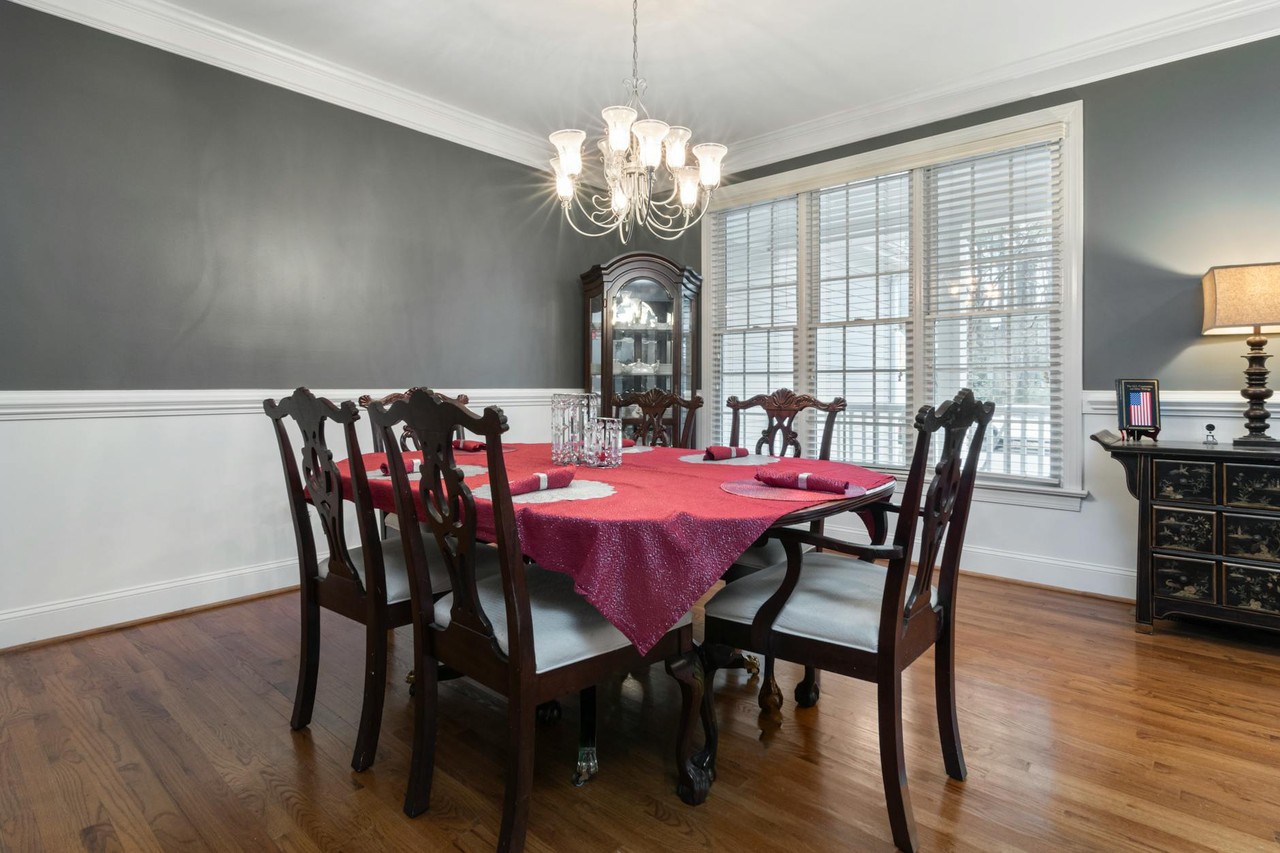
The formal dining room, once a symbol of sophisticated entertaining, is rapidly losing its appeal to contemporary buyers. Realtors report that prospective homeowners increasingly view these separate, often underutilized spaces as wasted square footage in an era that favors flexibility and open-concept living. As remote work arrangements have become more common, buyers often envision these rooms as potential home offices or versatile flex spaces rather than dedicated areas for occasional formal meals. Data from Realtor.com’s 2025 Home Trends Report revealed a significant year-over-year decline in listings featuring formal dining rooms with built-ins, signaling a clear rejection of this traditional layout in favor of more adaptable and multi-functional home designs that better suit modern lifestyles.
3. All-Gray Interiors
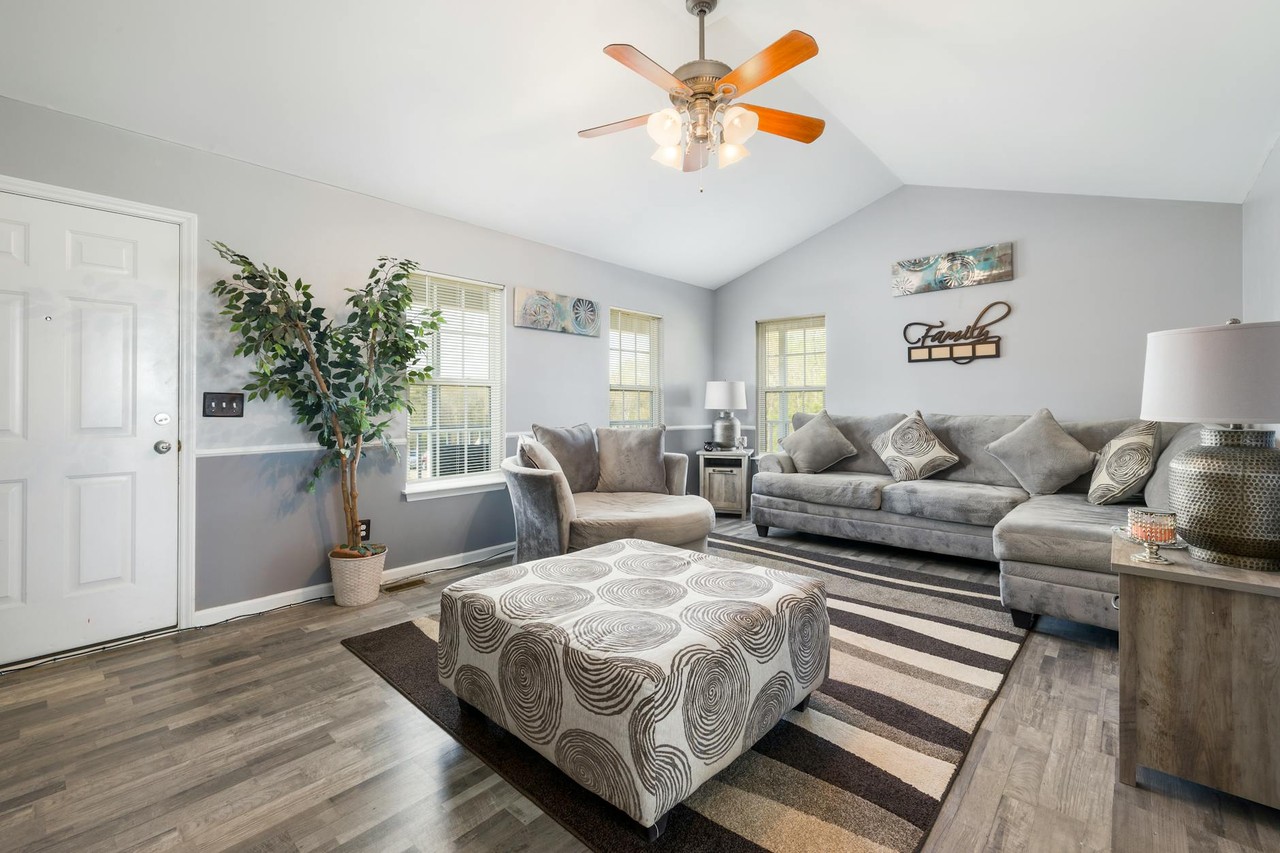
The ubiquitous all-gray interior, which dominated design trends for years as a way to achieve a modern and sophisticated look, is now being widely rejected by buyers. Realtors and designers alike are observing that these monochromatic schemes, encompassing walls, floors, and cabinetry, are now perceived as cold, impersonal, and outdated. The trend has oversaturated the market, leading buyers to seek warmth and personality in their homes. Instead of the starkness of all-gray, current buyers are gravitating towards warmer neutral palettes, such as soft beiges, taupes, and earthy tones. Natural wood finishes and subtle color variations are preferred for creating inviting spaces that feel more welcoming and easier to personalize, making the all-gray aesthetic a significant detractor for many potential homeowners.
4. Wall-to-Wall Carpeting
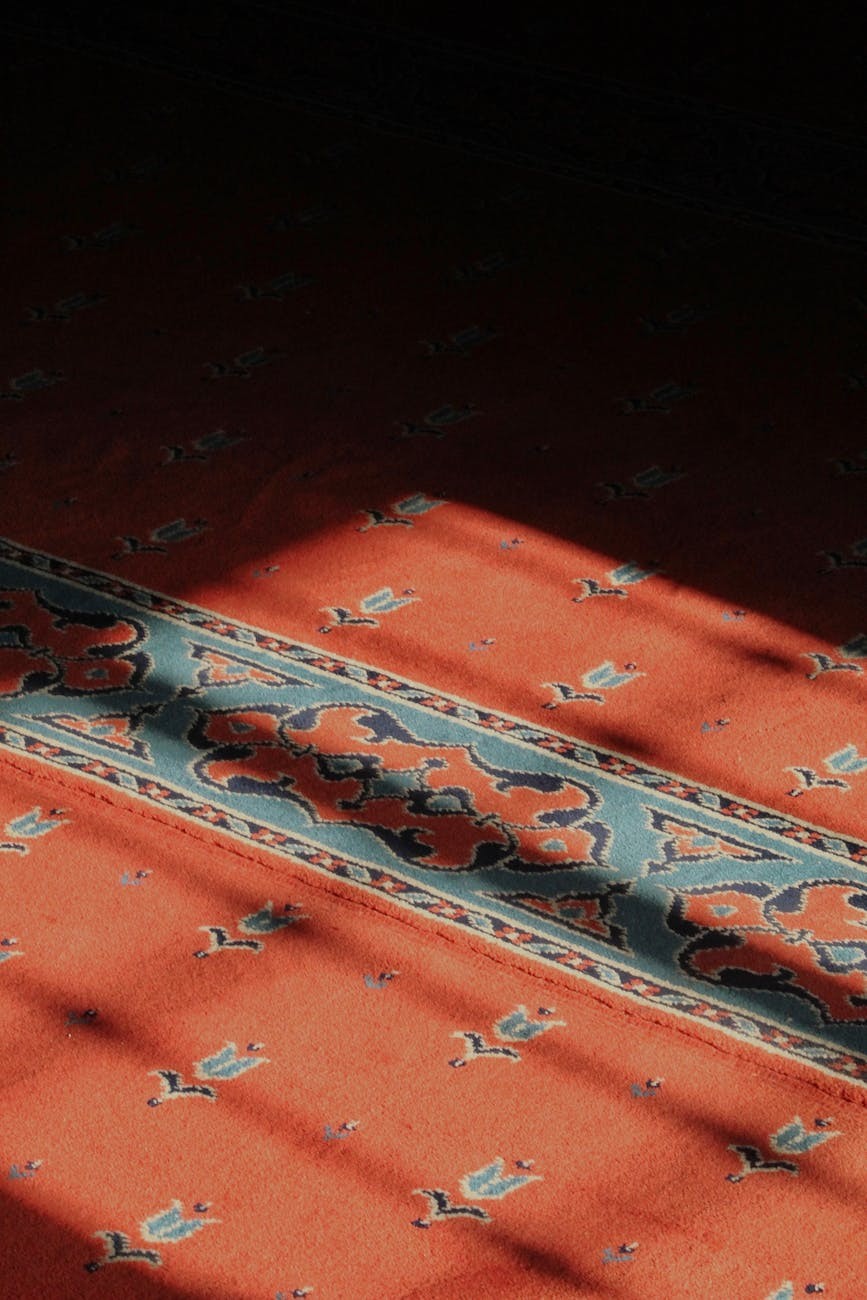
Wall-to-wall carpeting, once cherished for its perceived coziness and practicality, is now a feature that many buyers are actively avoiding. The primary concerns revolve around hygiene and maintenance. Modern buyers view carpet as a potential trap for allergens, pet dander, and stubborn stains, seeing it as a less sanitary option compared to hard flooring. Furthermore, carpets tend to age poorly and signal that a home may require immediate updating. The preference has clearly shifted towards durable and easier-to-maintain options like hardwood, tile, or luxury vinyl plank flooring in main living areas. Buyers are increasingly prioritizing practicality and ease of cleaning, making wall-to-wall carpeting a feature that can significantly deter interest.
5. Gold Fixtures
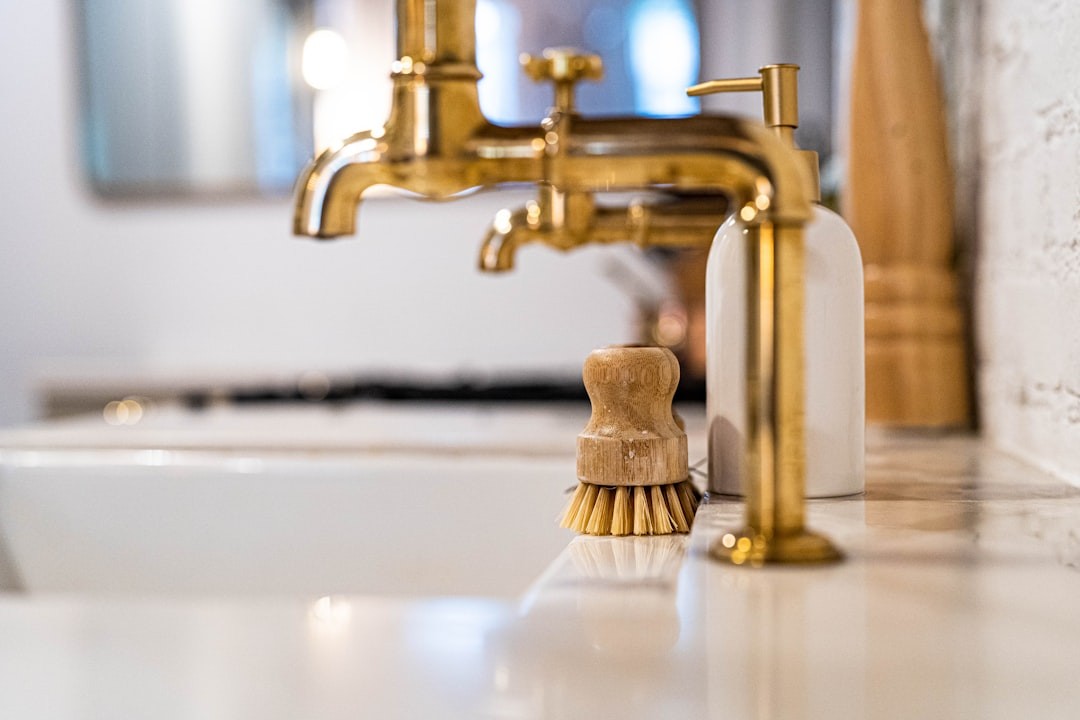
While gold accents and fixtures once signified luxury and style, they are now frequently being perceived as outdated by today’s discerning homebuyers. Realtors note that the prevalence of gold in 1980s and 1990s design has led many buyers to associate these fixtures with an earlier era, creating an unintended vintage feel that does not align with contemporary aesthetics. The trend has moved towards more versatile metallic finishes, such as brushed nickel, matte black, or even mixed-metal designs, which offer a more modern and adaptable look. Buyers are seeking finishes that complement current design trends and contribute to a cohesive, updated atmosphere, making prominent gold fixtures a noticeable drawback.
6. Extravagant Landscaping
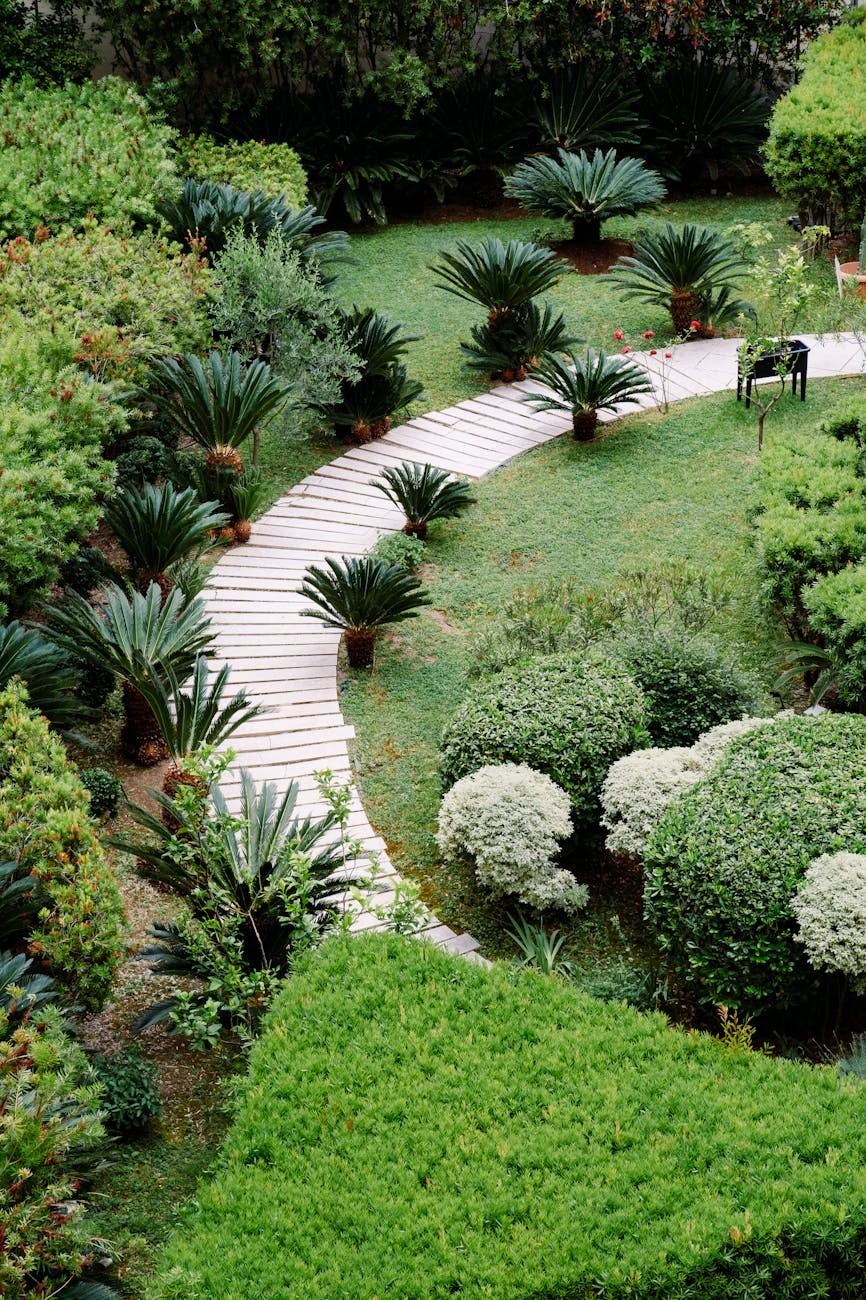
While attractive landscaping can certainly enhance a home’s curb appeal, overly elaborate or high-maintenance gardens are now a significant turn-off for many buyers. The primary concern is the associated cost and time commitment required for upkeep. Prospective homeowners are increasingly prioritizing ease of maintenance and lower utility bills, making extensive flower beds, water features, or vast lawns less desirable. Instead of “curb appeal” at any cost, buyers are favoring simpler, more sustainable, and drought-tolerant landscaping options that offer aesthetic appeal without the burden of constant attention. This shift reflects a broader desire for homes that offer a balance of beauty and practicality.
7. Dark Wood Cabinetry
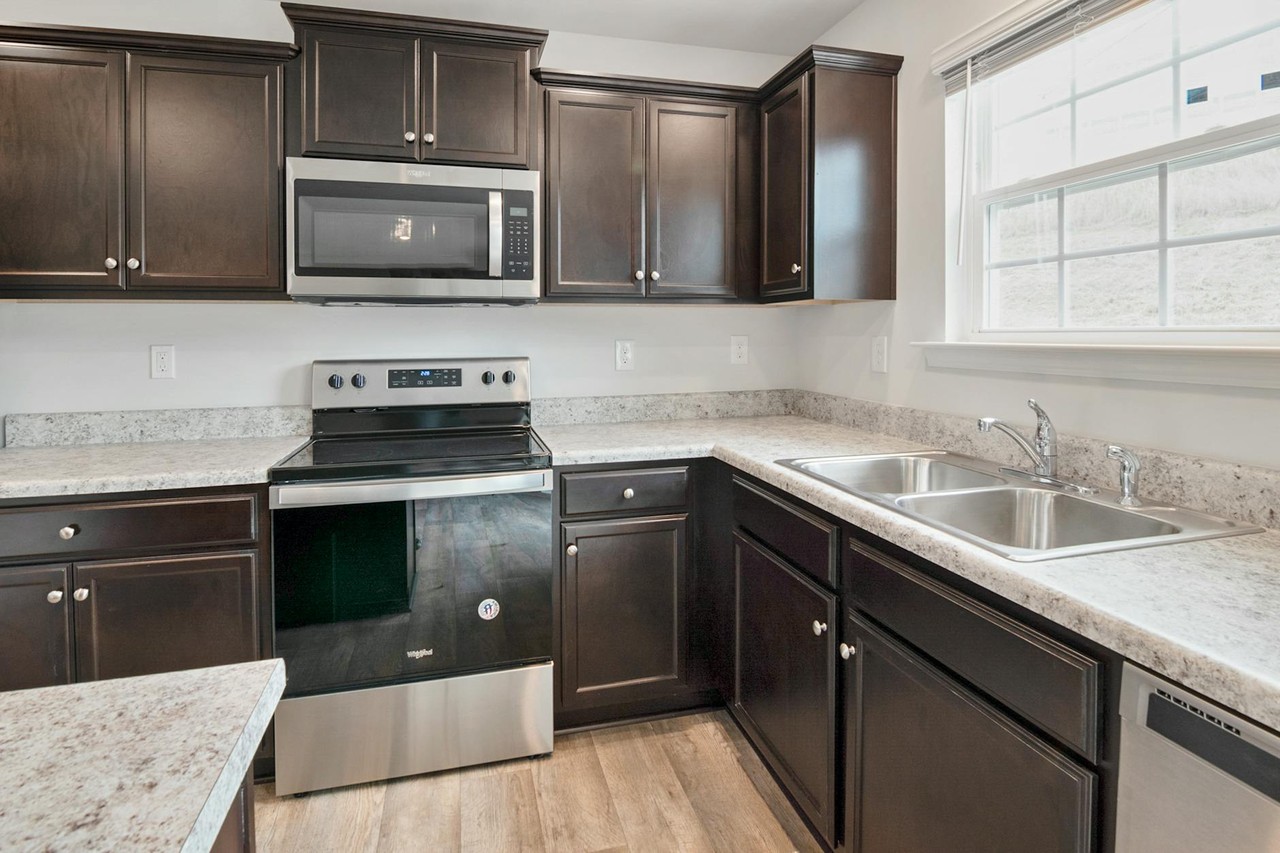
Dark wood cabinetry, particularly in heavy cherry or espresso finishes, which were once a hallmark of kitchen and bathroom design, are now falling out of favor with buyers. These deep tones tend to absorb light, making spaces feel smaller, darker, and less inviting. The current trend leans heavily towards lighter, more natural wood tones, such as blonde woods and rift-sawn oak, or painted cabinetry in soft, earthy hues. Buyers are seeking kitchens and bathrooms that feel airy, bright, and open, and the visual weight of dark cabinetry is increasingly viewed as a factor that makes a home feel dated and less appealing. This preference for lighter finishes contributes to a more modern and welcoming aesthetic.
8. Open Shelving in Kitchens
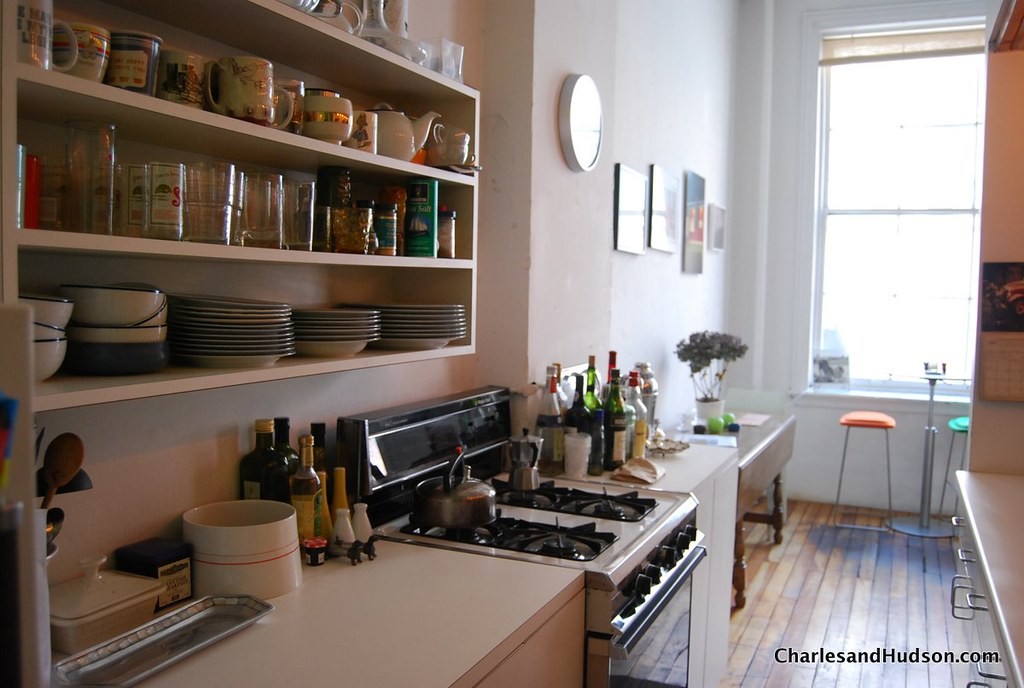
Open shelving in kitchens, while visually appealing in curated online portfolios, is proving to be a feature that many buyers are now rejecting in practice. The primary reasons cited by realtors and designers include the practical challenges of maintenance and organization. Open shelves require constant dusting and can quickly accumulate grease and grime, especially near cooking areas. Furthermore, they necessitate a perpetually tidy display of kitchenware, as any clutter or mismatched items are readily visible, making the kitchen appear messy. Buyers often prefer the concealed storage and cleaner aesthetic offered by traditional cabinets, which provide a more practical and less demanding solution for everyday living and ease of maintenance.
Leave a Reply