
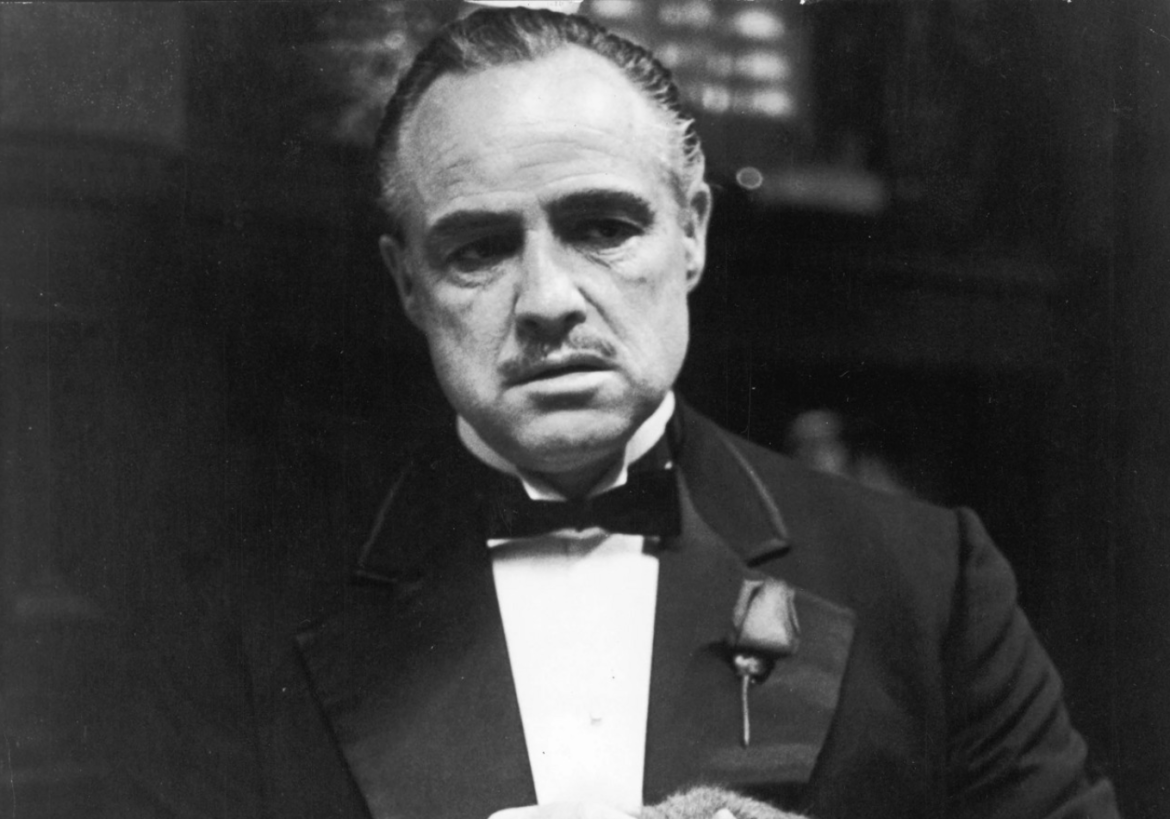
Robert Duvall, as the ever-present consigliere Tom Hagen, delivers a line in The Godfather that, while seemingly innocuous, encapsulates the film’s central thesis on the intertwined nature of family and business. This particular utterance, often overlooked amidst the grander pronouncements of power and loyalty, subtly illuminates the Corleone family’s ethos, revealing that for them, every transaction, every act of violence, is deeply personal, regardless of how it is couched in professional terms. The line serves as a microcosm of the film’s exploration of familial bonds and criminal enterprise, demonstrating that in the world of The Godfather, these two spheres are not merely adjacent but inextricably linked, shaping every decision and consequence.
The Business of Family
The Corleone family operates under a unique paradigm where the lines between familial obligation and criminal enterprise are not just blurred, but entirely erased. Tom Hagen, as the adopted son and legal counsel, is privy to the inner workings of this dynamic. His presence signifies the integration of outsiders into the core structure, provided they understand and adhere to the family’s paramount principles. Hagen’s role as consigliere, the trusted advisor, means he is central to the machinations of the Corleone empire, yet the film consistently underscores that his non-Sicilian heritage, while overlooked for his acumen, places him in a subtly different position than blood relatives. This delicate balance is crucial; it allows for external expertise while reinforcing the absolute primacy of blood ties and loyalty within the family’s operations. The Corleones do not distinguish between personal relationships and business dealings, a philosophy that defines their power and their downfall.
Hagen’s Calculated Demeanor
Robert Duvall’s portrayal of Tom Hagen is characterized by a stoic professionalism that masks a deep commitment to the Corleone family. Unlike the more volatile members, Hagen embodies a measured approach, often serving as the voice of reason. His legal expertise is indispensable, providing a shield for the family’s illicit activities. However, Hagen’s position is one of constant negotiation, seeking acceptance from his brothers while navigating the inherent complexities of being an outsider within a deeply insular world. His demeanor reflects the family’s broader strategy: to maintain an outward appearance of legitimate business while orchestrating criminal endeavors. This duality is essential to their survival and expansion, allowing them to operate both within and beyond the law’s reach.
The Weight of a Refused Favor
One of Tom Hagen’s most potent lines, delivered during his tense negotiation with film producer Jack Woltz, crystallizes the Corleone’s unyielding approach to power and consequence. Hagen states, “Mr. Corleone never asks a second favor once he’s refused the first, understood?”. This statement is not a mere threat; it is a declaration of absolute finality, a chilling exposition of the family’s modus operandi. The subtext is that refusal incurs a debt that must be paid, often in a manner far exceeding the initial request. Woltz’s subsequent discovery of a severed horse’s head in his bed serves as a brutal, albeit cinematic, illustration of this principle. This scene powerfully demonstrates that in the Corleone world, business is unequivocally personal; a slight against the family is an offense that demands retribution, regardless of legitimate or illegitimate means.
Loyalty as the Ultimate Currency
Within the Corleone family, loyalty is not merely a virtue but the bedrock of their existence and the ultimate currency. This principle is most vividly demonstrated during the wedding of Vito Corleone’s daughter, Connie. Tom Hagen explains that “No Sicilian can refuse any request on his daughter’s wedding day”. While this statement touches on tradition, its deeper meaning lies in the Corleones’ understanding of leverage and obligation. They recognize that such joyous occasions create an atmosphere where personal goodwill can be leveraged for family gain. This strategic application of familial bonds to business dealings highlights how deeply interwoven their personal and professional lives are. The celebration becomes another arena for solidifying alliances and demanding allegiances, demonstrating that for the Corleones, every event is an opportunity to reinforce the family’s power and influence.
The Personal is the Business
The film’s narrative arc, particularly Michael Corleone’s transformation, constantly reinforces the idea that “It’s all personal, every bit of business”. Michael’s initial reluctance to be involved in the family’s criminal activities underscores the inherent conflict between personal morality and familial duty. However, as events unfold, particularly the assassination attempt on his father, Michael is drawn irrevocably into the world of organized crime. His journey from war hero to calculating Don illustrates the corrosive nature of power and the inescapable grip of family loyalty. The line spoken by Tom Hagen, though subtle, acts as a foundational statement for this transformation, foreshadowing that Michael, like all Corleones, would learn that business and personal vendettas are inextricably bound.
A Foundation of Unspoken Understanding
The power of Tom Hagen’s most impactful line lies in its understated delivery and the profound implications it carries. It speaks to a culture where unspoken understandings and implicit threats hold as much weight as explicit declarations. Hagen, the educated outsider, articulates the core of Vito Corleone’s philosophy: a demand for respect and an absolute refusal to be slighted. This ethos is not merely about maintaining a criminal empire; it is about preserving the family’s honor and demonstrating their unassailable authority. The “business” of the Corleones is thus deeply rooted in personal pride and a visceral need for control, making every interaction, from a simple favor to a brutal act of violence, a deeply personal matter.
The Enduring Echo of Family Business
The enduring legacy of The Godfather rests not just on its depiction of organized crime, but on its intricate exploration of family dynamics. Tom Hagen’s quiet pronouncements, particularly the chilling finality of Mr. Corleone’s refusal to ask a second favor, serve as a constant reminder that the Corleone family’s operations are driven by a profound, and often destructive, sense of personal commitment. Whether it’s a matter of granting a request or enacting vengeance, every action stems from a deeply ingrained sense of familial loyalty and a strategic understanding of how personal relationships fuel their enterprise. The film’s core truth, as revealed through Hagen’s lines, is that for the Corleones, business is an extension of family, and family is the ultimate business.
Leave a Reply