
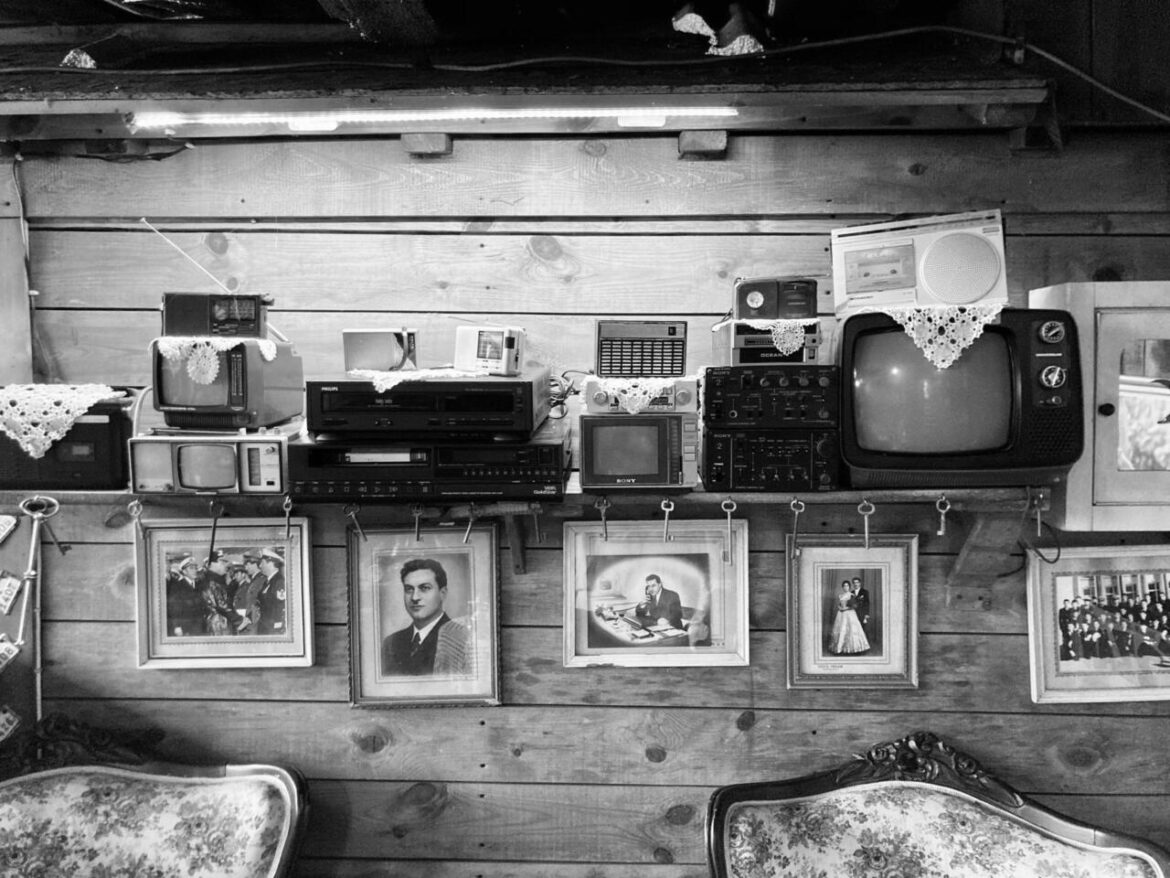
To many, a garage clean-out is a dreaded weekend chore, a messy process of hauling “trash” to the curb. However, for professional flippers in 2026, those dusty shelves represent a high-margin gold mine. The secret to a successful flip isn’t necessarily finding high-ticket luxury items; it is identifying the objects that homeowners believe are worthless but carry a massive resale demand.
If you have these four categories of “junk” gathering dust in your garage, you are likely sitting on a significant pile of untapped cash.
1. Legacy Power Tools and Name-Brand Gear
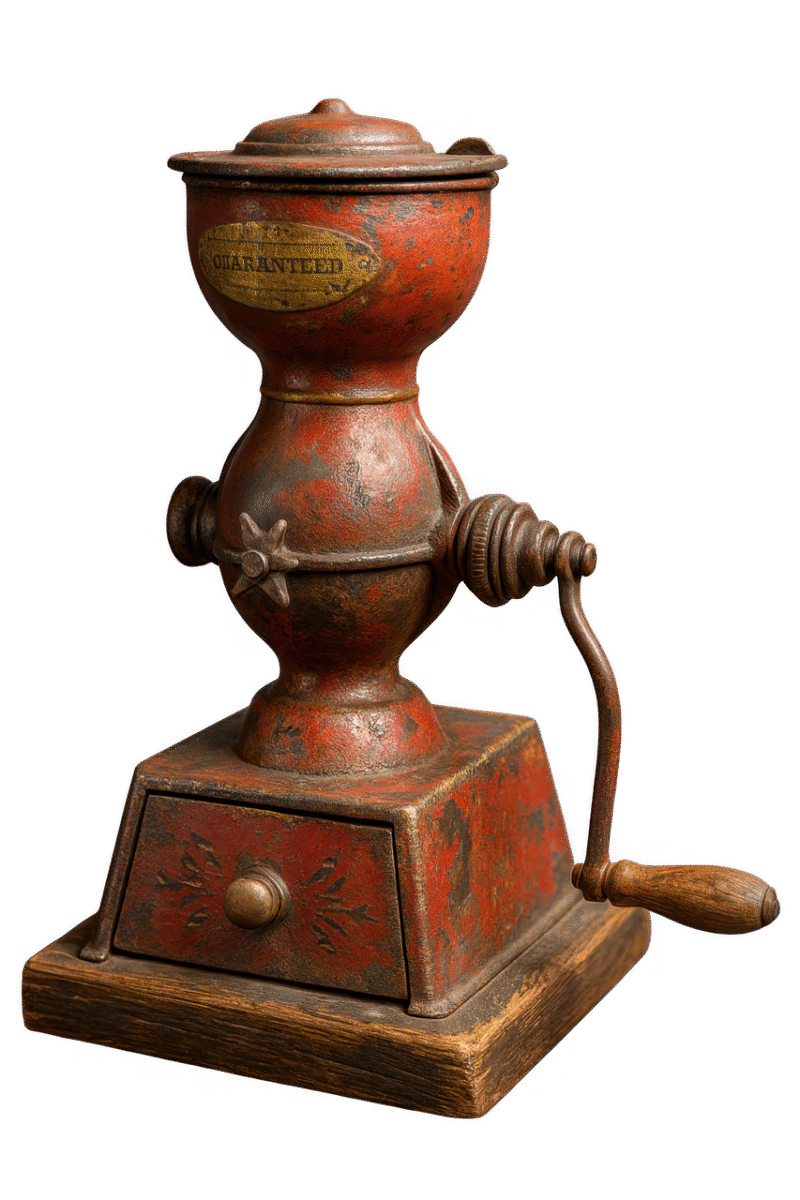
Many homeowners shove old corded drills or heavy steel saws into the back of a cabinet once they upgrade to the latest lithium-ion cordless model, assuming the old gear is obsolete. In reality, vintage and name-brand power tools are among the most liquid assets in the secondary market. Because brand-new, professional-grade tools require a massive upfront investment, a huge segment of the market (from DIYers to contractors) strictly buys second-hand to stay on budget.
Professional flippers are particularly on the hunt for brands like Snap-On, Matco, and older Craftsman. On digital marketplaces like eBay, “Snap-On” gear consistently generates over 60,000 active results, with thousands of listings successfully closing above the $150 mark. Beyond modern brands, there is a burgeoning niche for “heritage” tools. A 100-year-old Stanley plane or a pre-1950 forged wrench isn’t just a tool; it’s a high-value collectible for the growing “slow-craft” movement. Even a tool caked in surface rust can be restored and sold at a 300% markup to the right enthusiast who values steel quality over modern plastic.
2. “Dead” Tech and Retro Gaming Consoles
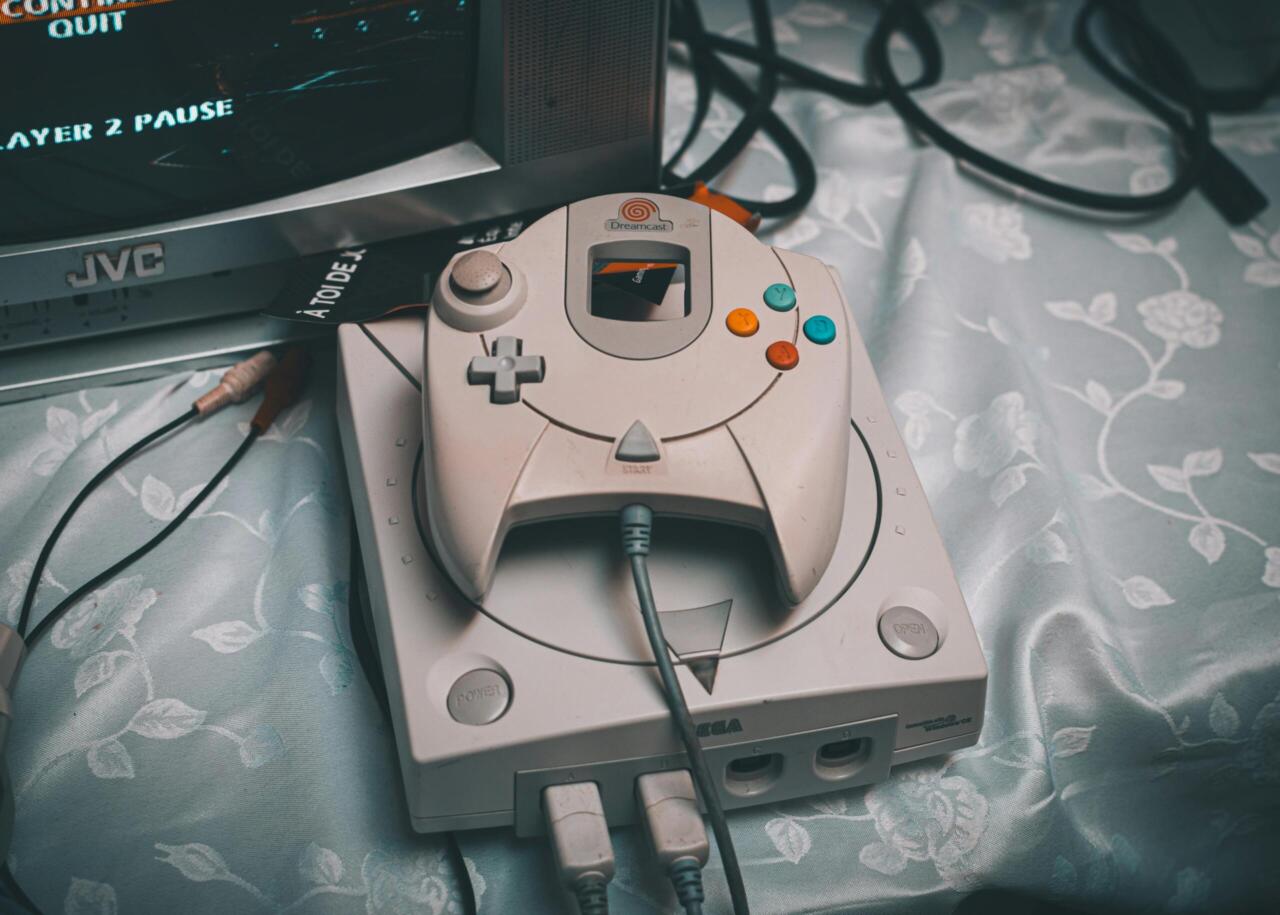
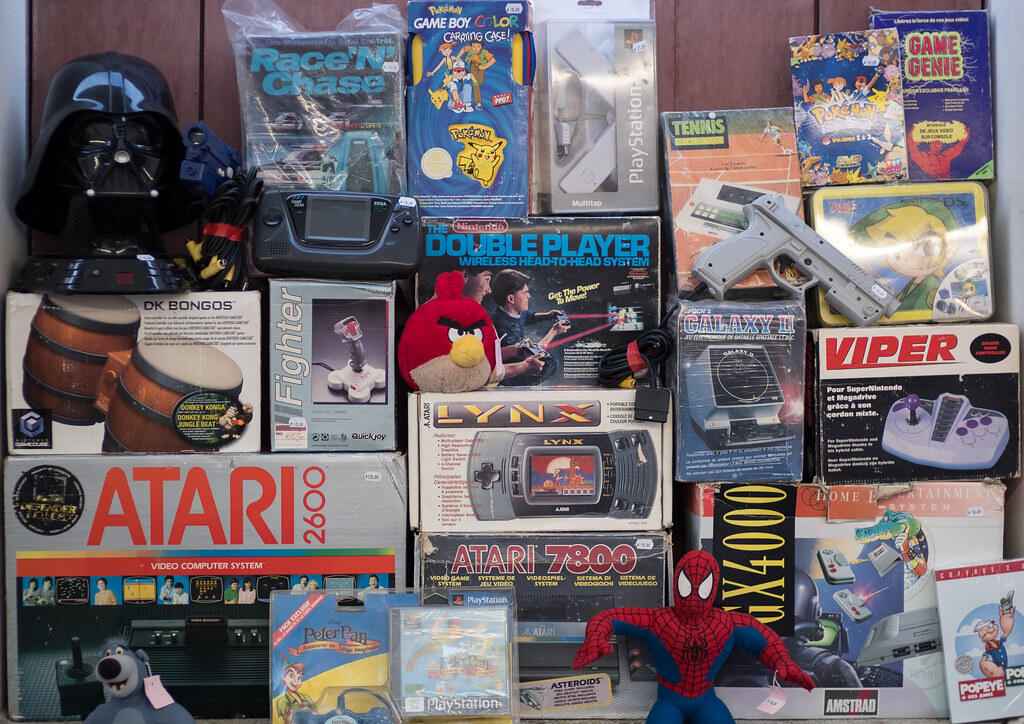
That tangled box of old wires and gray plastic consoles in your attic isn’t a pile of e-waste, it’s a nostalgia-fueled treasury. The price gap between what a homeowner thinks is “obsolete” and what a collector considers “vintage” is where flippers make their largest margins. As global supply chains face periodic hiccups in 2026, the demand for reliable, repairable second-hand electronics has hit an all-time high.
The gaming market remains the heavy hitter in this category. A pioneering Atari 2600 or an original Nintendo Game Boy can fetch anywhere from $50 to over $2,000 depending on its condition and whether you still have the original box. Even if the device doesn’t power on, do not throw it away. Professional flippers often buy “broken” units just to harvest original motherboards, functional LCD screens, and authentic buttons to repair other units. In the world of vintage tech, the “sum of the parts” is often far greater than the value of the whole unit.
3. Dusty Sports and High-End Fitness Equipment

The “New Year’s Resolution” cycle is a flipper’s best friend. Every year, consumers buy high-end treadmills, adjustable weights, or golf clubs with the best intentions, only to let them become expensive clothes racks. Because sporting goods are high-ticket items with durable build quality, they maintain excellent resale value even when they look “dusty” or neglected.
The data backs this up: the sporting goods market is projected to reach over $143 billion by 2030. Flippers target local garage sales for heavy items like dumbbells, kettlebells, and name-brand golf clubs (like Titleist, TaylorMade, or Callaway) that are being sold for pennies on the dollar just to clear out space. A set of clubs picked up for $50 at a yard sale can easily flip for $250 online. What makes this a “safe bet” for flippers is that modern health trends, like the 2026 focus on “longevity training” and resistance work, keep the demand for home-gym gear constant regardless of the economy.
4. Niche Collectibles and “Random” Specialty Items
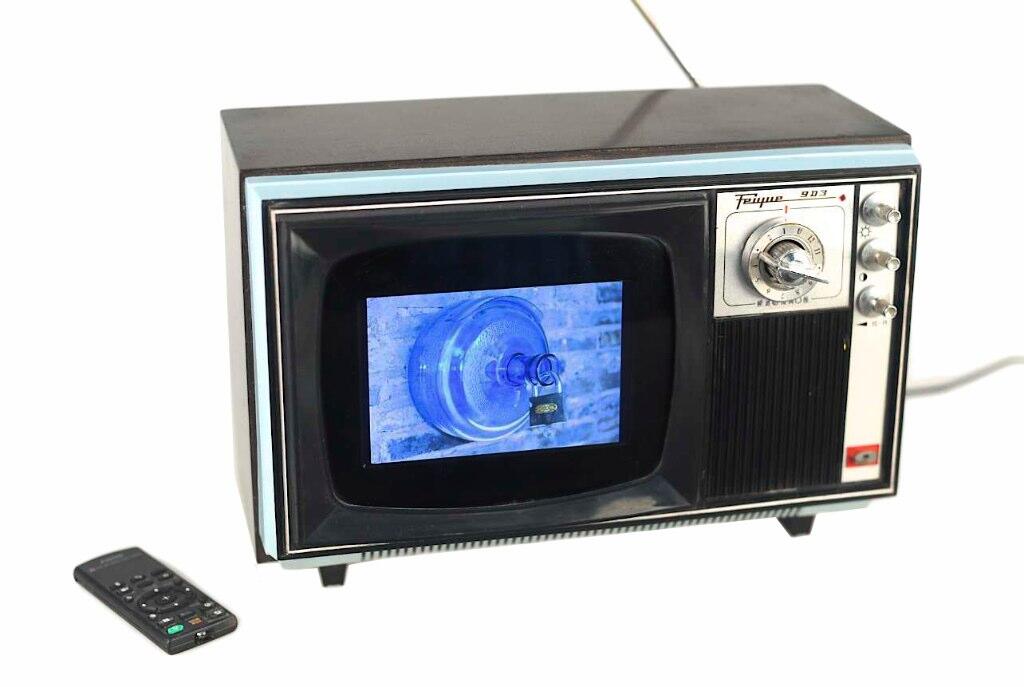
This is the category where the professionals truly separate themselves from the amateurs. A seasoned flipper looks past the surface and identifies the rarity in the “weird” stuff: 1980s television remote controls, vintage movie posters, discontinued LEGO sets, or 35mm film cameras. The profit margins in this “junk” category can be staggering because most people don’t realize these items have a “cult” following.
Nostalgia is the primary driver here. A vintage 1980s TV remote might be purchased for $2 at a local sale and sold to a collector for $70 within hours. Statistics show that the right specialty items bought at local sales are often resold for an average profit of 462%. The key is recognizing brands with dedicated fanbases, anything from Disney and Pokémon to Polaroid or vintage Fisher-Price is usually a guaranteed flip. To the untrained eye, it’s a box of plastic; to the pro, it’s a high-yield investment.
Turning Your Garage Into a Paycheck
The bottom line is simple: your “trash” is a professional’s inventory. While casual furniture flippers might make a few hundred dollars a month, dedicated professionals who understand these four categories can earn upwards of $40,000 a year just by scouting garage and estate sales for these specific items.
Next time you start a spring cleaning, don’t be so quick to head to the landfill. That “junk” in the corner might be the most valuable thing in your house.
Leave a Reply