
The death of minimalism has been greatly exaggerated. Or has it? For years, the clean lines and pared-back aesthetics of minimalist design dominated interior decorating, promising serenity and order. But in 2026, a new wave is crashing over our living spaces, one that embraces warmth, personality, and a delightful abundance of cherished items. This shift isn’t about chaos for chaos’s sake; it’s a conscious move towards “cluttercore,” an aesthetic that finds beauty in the personal narrative of one’s belongings.
The Psychology of Fullness
The appeal of cluttercore is deeply rooted in psychology, offering comfort and stability during uncertain times. Research indicates that familiar objects act as emotional anchors, reinforcing a sense of continuity and identity. In contrast, overly sparse environments can feel impersonal and alienating. Homes filled with meaningful objects tell a story, with each item—a souvenir from a trip, a book from a significant year, or an inherited piece of furniture—triggering positive memories and providing emotional reassurance. This trend reflects a cultural shift, where homes are increasingly seen as refuges and personal archives, a sanctuary of lived experiences rather than a curated performance. The psychology behind cluttercore emphasizes the comfort found in surrounding oneself with items that matter, even if they don’t adhere to a prescribed aesthetic.
The Rejection of Perfection
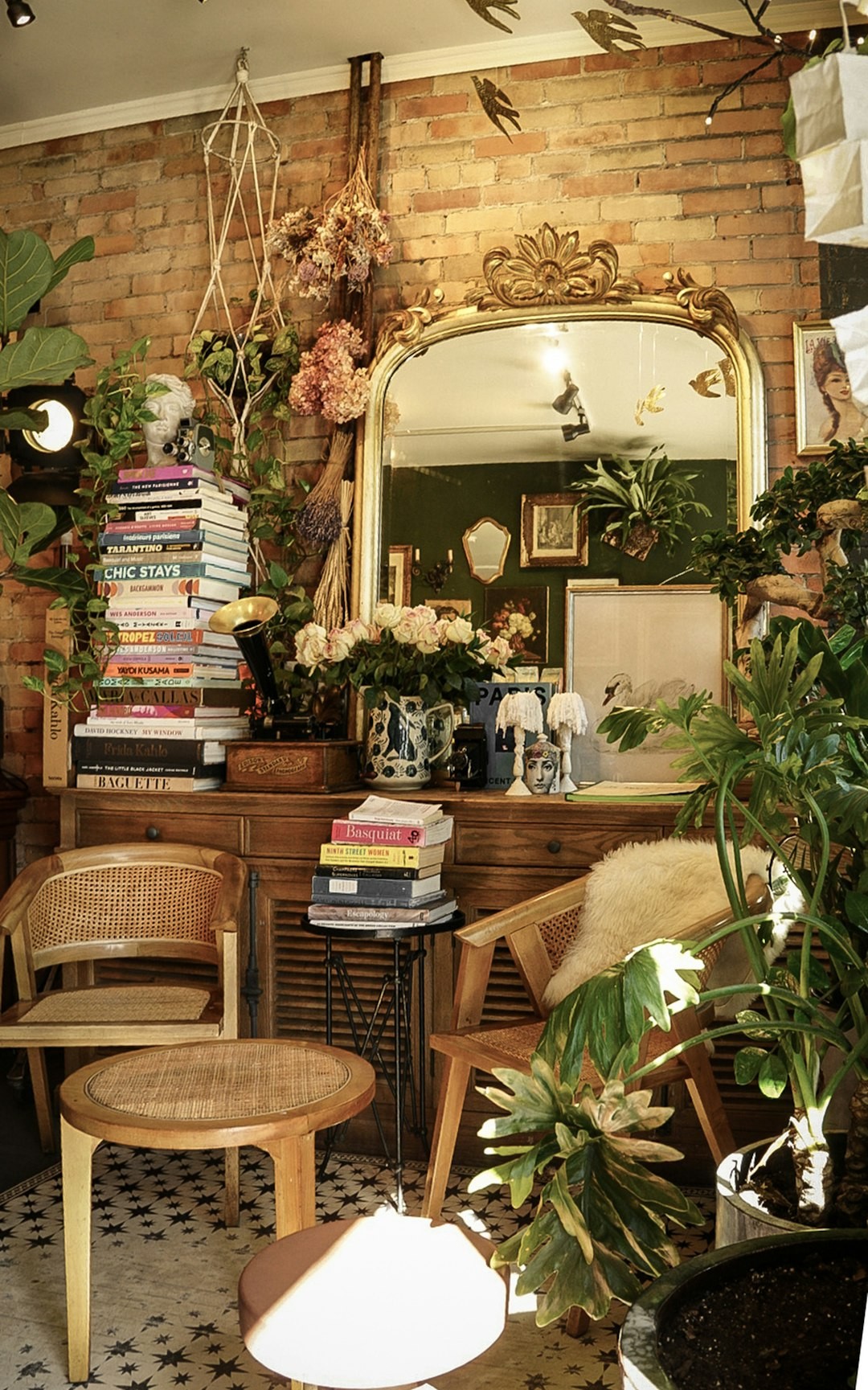
Cluttercore is a direct rebellion against the pervasive culture of perfection. In an era marked by economic uncertainty and social fatigue, individuals are turning inward, seeking solace and authenticity in their personal spaces. Homes are no longer just places of rest but multifaceted environments serving as refuges, workspaces, and personal archives. Studies show that a significant portion of the population expects to spend more time at home, making emotional comfort a priority on par with visual order. This trend allows homes to reflect real lives, complete with their memories, contradictions, and ongoing narratives. Cluttercore offers a way to reclaim domestic spaces as lived-in environments, embracing fullness as a source of calm and safety.
Maximalism’s Meaningful Comeback
Maximalism, with its embrace of bold colors and patterns, is experiencing a significant resurgence in 2026, but with a more purposeful edge. This trend is about intentionally curating meaningful objects that tell a story, moving beyond simply layering more items. It’s a departure from the “cookie-cutter” look, with a 215% growth in search traffic for eclectic maximalism on Pinterest. The rise of the “Vintage Renaissance” further fuels this, with a 260% increase in interest for vintage maximalism specifically. This approach is sustainable, personal, and ensures a unique living space. The market is driven by feeling, with interiors designed to connect emotionally, rather than just for aesthetics.
The Rise of “Collectioncore”
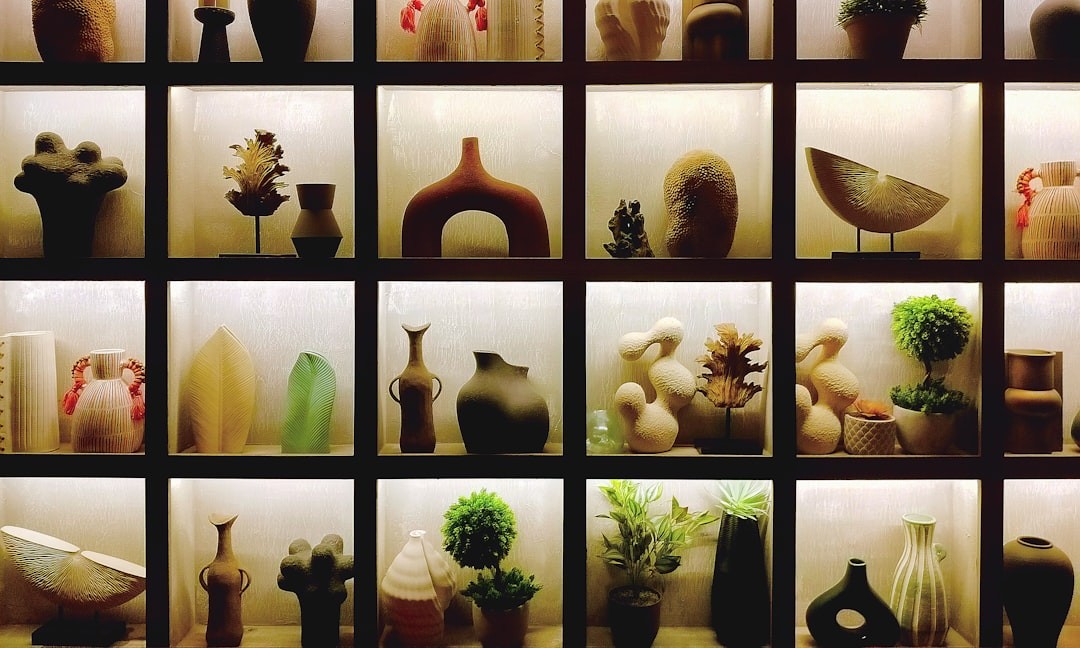
While the term “cluttercore” might sound haphazard, many designers prefer to view it as “collectioncore.” This distinction highlights the intentionality behind the aesthetic. It’s not about a disorganized pile of everyday detritus but rather a curated display of cherished items that hold personal significance. This trend celebrates a “more is more” mindset, but with a focus on sentiment and comfort, rather than just excess. The key lies in thoughtful arrangement, where collections of similar objects, like vintage plates or travel souvenirs, are artfully grouped to create cohesive vignettes that tell a story about the owner’s life and experiences.
The Sustainability of Sentimentalism
Cluttercore champions a more sustainable approach to interior design by valuing what already exists. Instead of encouraging the purchase of new items to fit a trend, it promotes the reuse and repurposing of existing belongings, including secondhand furniture, inherited objects, and vintage finds. This challenges the fast furniture culture and fosters longer relationships with possessions. By encouraging the display and appreciation of what one already owns, cluttercore supports mindful consumption, shifting the focus from constant acquisition to appreciation and care. This emphasis on personal history and sustainability makes cluttercore a deeply meaningful design movement.
Social Media’s Role in the Aesthetic Shift
Social media platforms, particularly TikTok and Instagram, have played a significant role in the proliferation of the cluttercore trend. Hashtags like #Cluttercore have garnered millions of views, exposing a wide audience to this burgeoning aesthetic. These platforms have democratized design knowledge, allowing for direct engagement between the public and designers, and accelerating the evolution of trends. The emphasis on authenticity and relatable content on social media aligns perfectly with cluttercore’s ethos of celebrating personal stories and lived experiences over polished perfection. The trend’s visual nature thrives on these platforms, where users share their own interpretations and inspire others to embrace their collections.
Embracing “Intentional Clutter”

The success of cluttercore lies in its intentionality; it’s about organized chaos rather than actual disarray. Designers emphasize that this trend is not an excuse for messiness but a deliberate curation of personal treasures. This involves thoughtful arrangement, such as layering books, leaning art against walls, and creating thematic groupings of objects. The goal is to create depth and visual interest, inviting the eye to discover new elements within the space. Balance is key, with strategically placed open areas to prevent the space from feeling overwhelming. This approach transforms a home into a personalized sanctuary, reflecting the inhabitant’s journey and passions.
Leave a Reply