
For years, Florida real estate was considered a “safe bet” for retirees and investors alike. However, the 2026 market has hit a wall that has nothing to do with mortgage rates and everything to do with the “Insurance Desert.” As major carriers like State Farm, Allstate, and Farmers continue to limit their exposure or exit the state entirely, thousands of homes are becoming functionally “unsellable.” Because a mortgage cannot be secured without proof of insurance, properties in high-risk zones that fail to qualify for private coverage, or even the state-backed “insurer of last resort,” Citizens, are being left in a financial limbo.
Recent data from the Florida Office of Insurance Regulation and realtor surveys indicates that 21% of home sales in the state fell through in late 2025 specifically because of insurance costs or unavailability. In certain “hot zones,” premiums for a modest $300k home have spiked to over $8,000, turning what should be a “dream home” into a liability. Here are the eight Florida ZIP codes that realtors are now flagging as the most difficult markets in the state.
1. ZIP Code 33012 (Hialeah): The Cost Leader
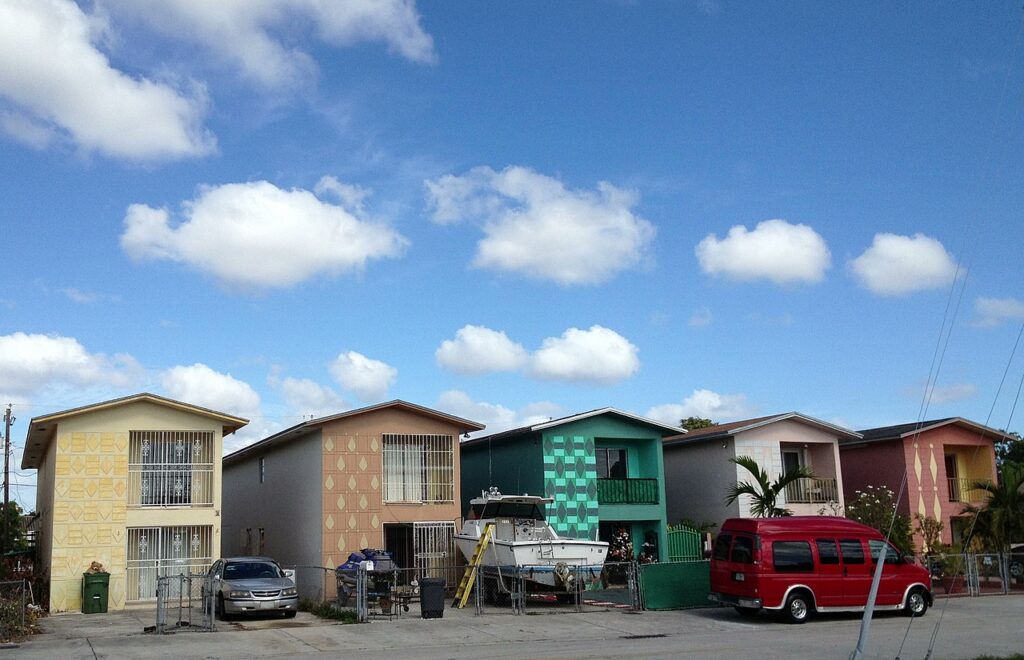
Hialeah has officially earned the title of the most expensive ZIP code for homeowners insurance in 2026. According to Insuranceopedia data, the average annual premium for a standard dwelling in this area has reached a staggering $5,931, with high-value properties seeing quotes as high as $63,000. Realtors in 33012 report that the combination of older housing stock and high hurricane risk has made it nearly impossible to “pencil out” a deal for middle-class buyers.
The high density of the area means that even a minor storm causes massive aggregate losses, leading private insurers to flee. For homeowners in Hialeah, the “insurance tax” is now effectively larger than their property tax bill, leading to a surge in “for sale” signs as residents realize they can no longer afford to simply hold the title to their homes.
2. ZIP Code 33301 (Fort Lauderdale): The Luxury Lockout
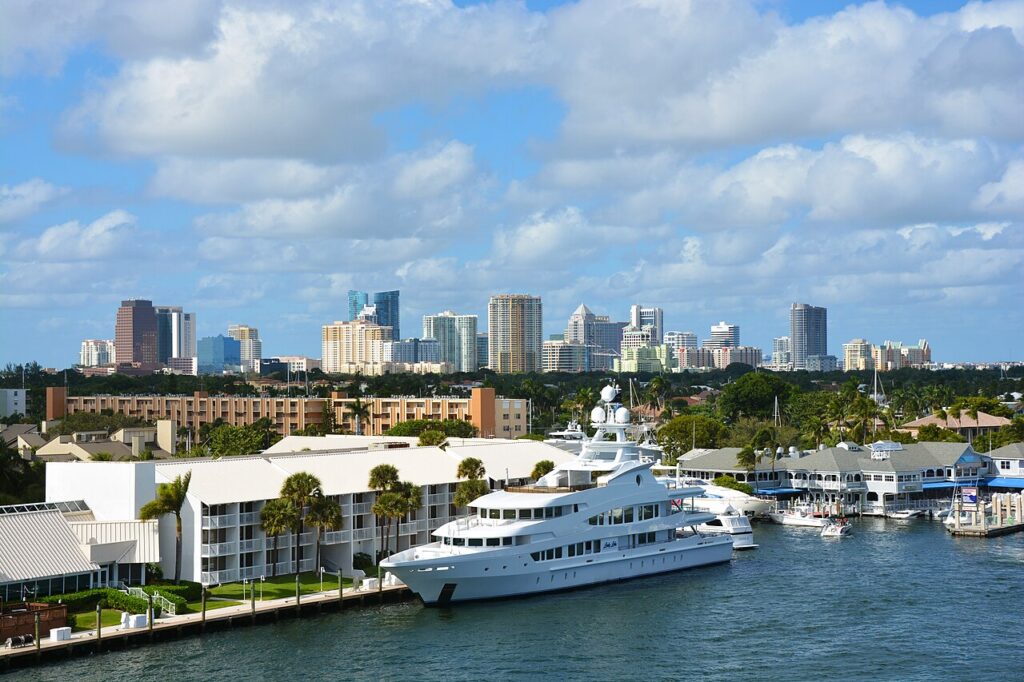
In the heart of Fort Lauderdale, the insurance crisis is hitting the luxury market with unprecedented force. Realtors are labeling coastal properties in 33301 as “unsellable” to anyone requiring a mortgage. Premiums in this waterfront ZIP code frequently top $8,000 to $15,000 per year. According to 2026 Bankrate analysis, the “risk-to-reward” ratio for insurers here has become so lopsided that even “surplus lines” insurers, those who cover the highest-risk homes, are issuing non-renewal notices at record rates.
This has created a “cash-only” market in one of the most desirable parts of the state. If a buyer cannot pay 100% upfront and self-insure, the deal is effectively dead. This “luxury lockout” is causing a localized price stagnation, as the pool of eligible buyers shrinks to only the ultra-wealthy who are willing to take the massive gamble of going uninsured.
3. ZIP Code 33931 (Fort Myers Beach): The Post-Ian Hangover
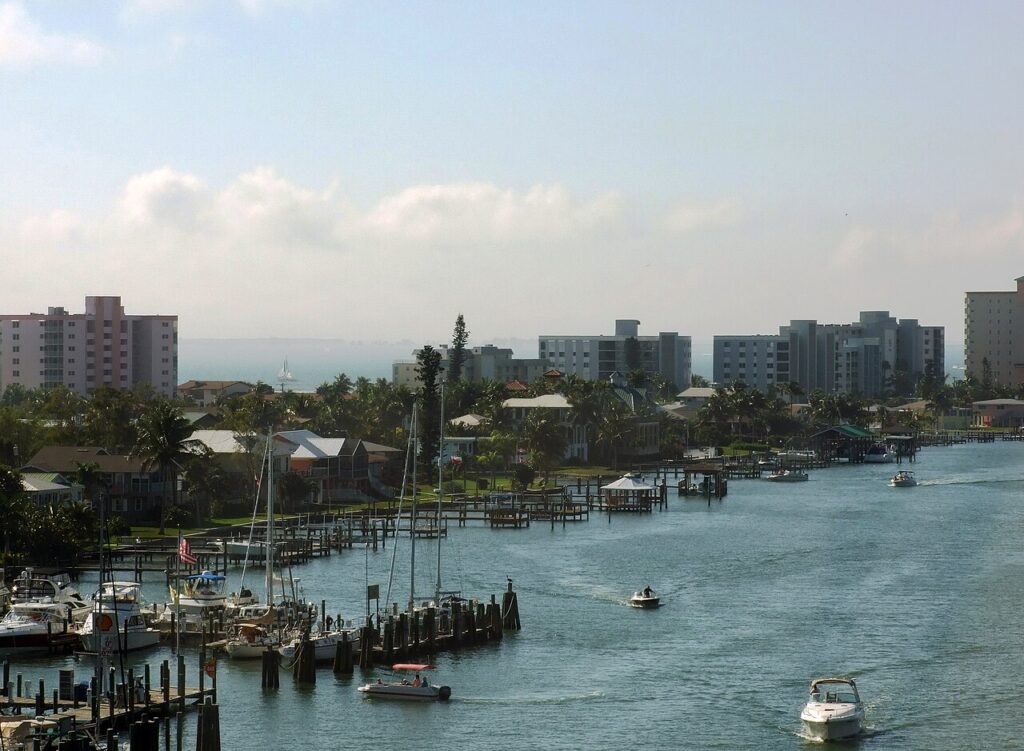
Years after Hurricane Ian, the recovery in Fort Myers Beach is being stalled by an “insurance desert.” ZIP code 33931 has become a flashpoint for what realtors call “forced uninsurability.” Because so much of the infrastructure is still in a state of repair, private carriers are refusing to write new policies until the entire neighborhood meets the newest, most stringent building codes.
For sellers with older homes that survived the storm but haven’t been fully modernized with impact-resistant windows and reinforced roofing, the market has evaporated. Data from 2025-2026 shows that 1 in 5 homeowners in this region are now going uninsured by choice, or by force, because the quotes they receive are higher than their annual mortgage interest.
4. ZIP Codes 32136 & 32137 (Flagler Beach): The Atlantic Erosion Zone
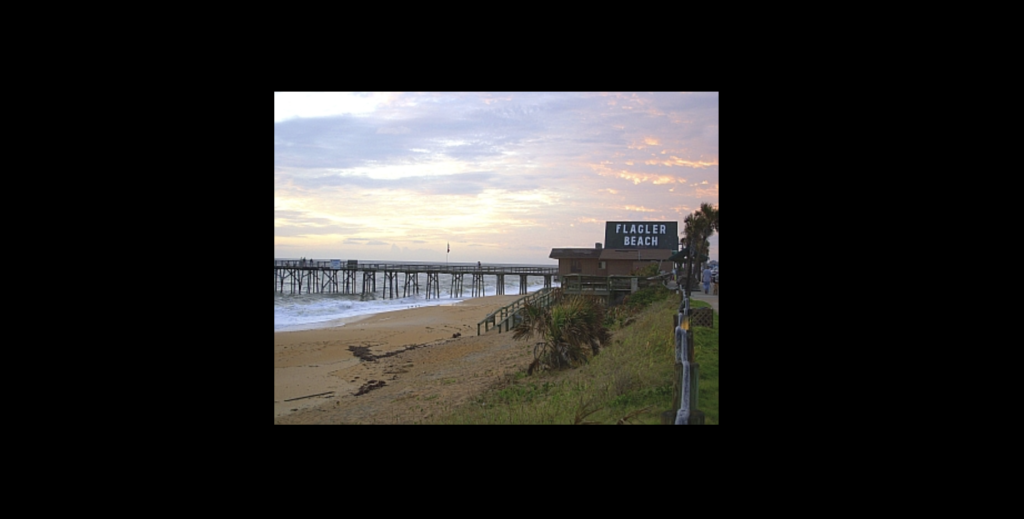
On the Atlantic side, the focus has shifted from wind to water. Realtors are flagging Flagler Beach as a “red zone” due to rapid coastal erosion and the high frequency of “sunny day flooding.” ZIP codes 32136 and 32137 are seeing a surge in “non-renewal” notices as insurers realize that the proximity to the shoreline makes these homes a “guaranteed loss” in the coming decade.
The 2026 federal flood map revisions have placed hundreds of previously “safe” homes into high-risk flood zones, requiring mandatory (and expensive) flood insurance on top of already rising homeowners’ premiums. Realtors warn that without significant state intervention in beach nourishment and sea-wall construction, these ZIP codes will remain at the top of the “unsellable” list for the foreseeable future.
5. ZIP Code 33040 (Key West): The Uninsurable Island
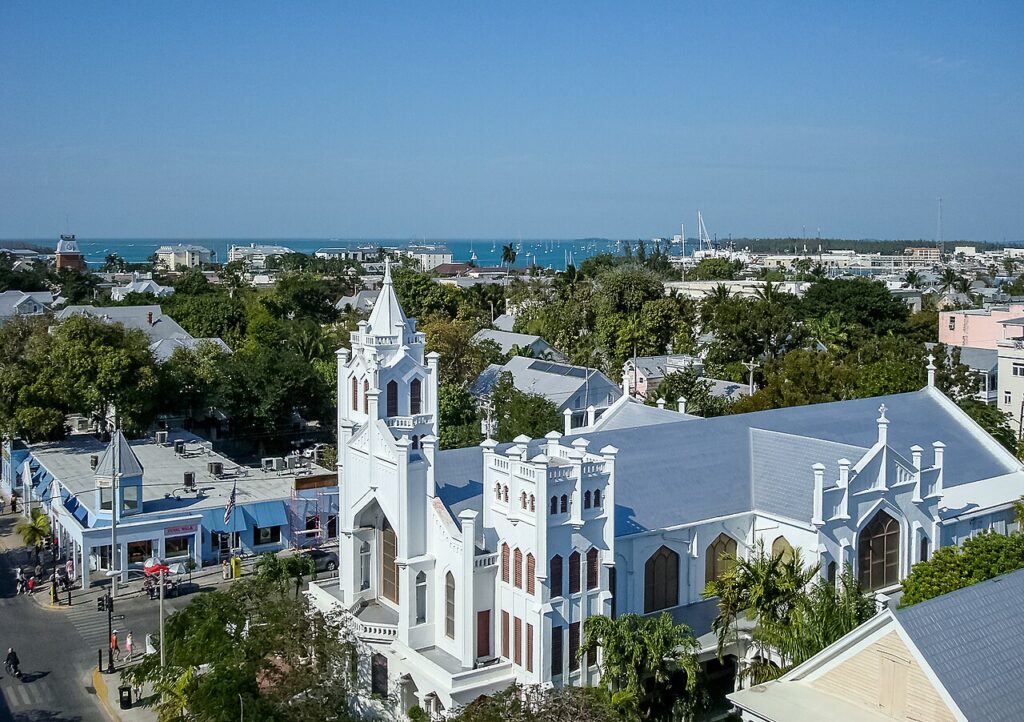
The Florida Keys have always been expensive, but 33040 is reaching a breaking point where insurance is no longer a “cost of living”, it’s a barrier to entry. Key West is increasingly reliant on Citizens Property Insurance, but even state-backed coverage is reaching its statutory limits. New 2026 regulations allow Citizens to charge up to 50% above established rates for certain high-risk properties, leading to a “sticker shock” that is killing deals at the closing table.
Realtors report that the “Key West lifestyle” is being traded for more sustainable inland options. The sheer difficulty of securing a “windstorm” policy has turned 33040 into a market of “perpetual listings,” where homes sit for 200+ days because no lender is willing to sign off on the risk without a policy that simply doesn’t exist in the private market.
6. ZIP Codes 33441 & 33442 (Deerfield Beach): The Condo Assessment Trap
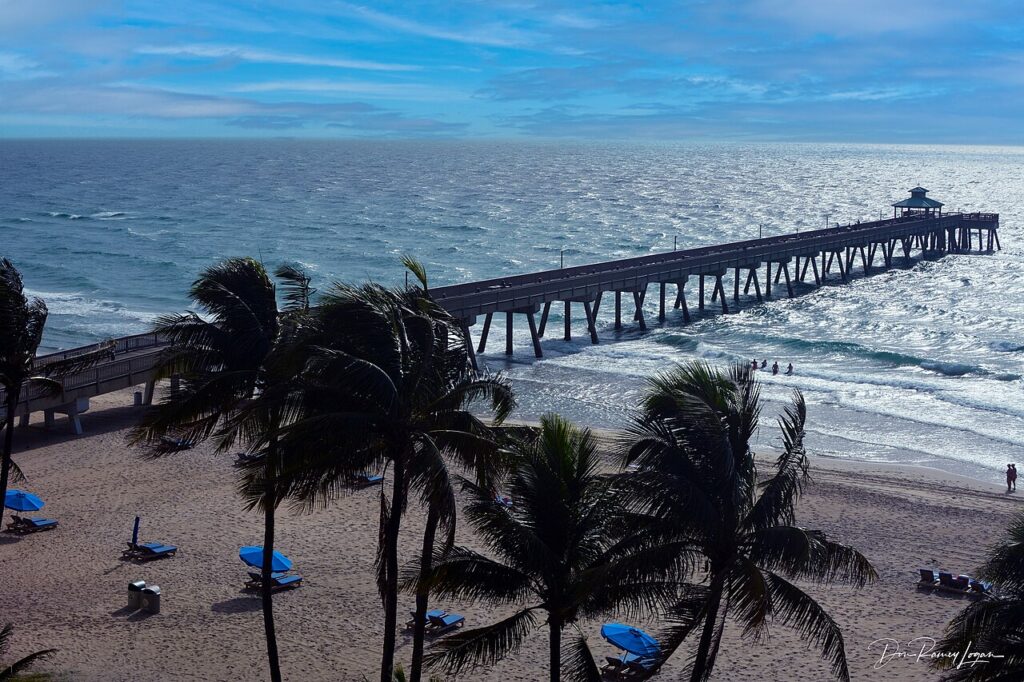
In Deerfield Beach, the insurance crisis is being compounded by the “Condo Collapse” legislation passed after the Surfside tragedy. ZIP codes 33441 and 33442 are home to thousands of aging high-rise units that are now facing mandatory “milestone inspections.” Insurers are refusing to renew policies for any building that hasn’t completed its structural repairs, and the cost of the insurance itself has jumped by 300% for many associations.
Realtors call these “special assessment traps.” When a condo association’s insurance bill triples, they pass that cost to the owners. If the building also needs a $5 million roof, the individual unit owners are hit with “special assessments” that can exceed $50,000. For a senior on a fixed income in Deerfield Beach, these numbers make the property “unsellable” because no buyer wants to inherit a massive, immediate debt.
7. ZIP Code 32210 (Jacksonville): The Inland Surprise
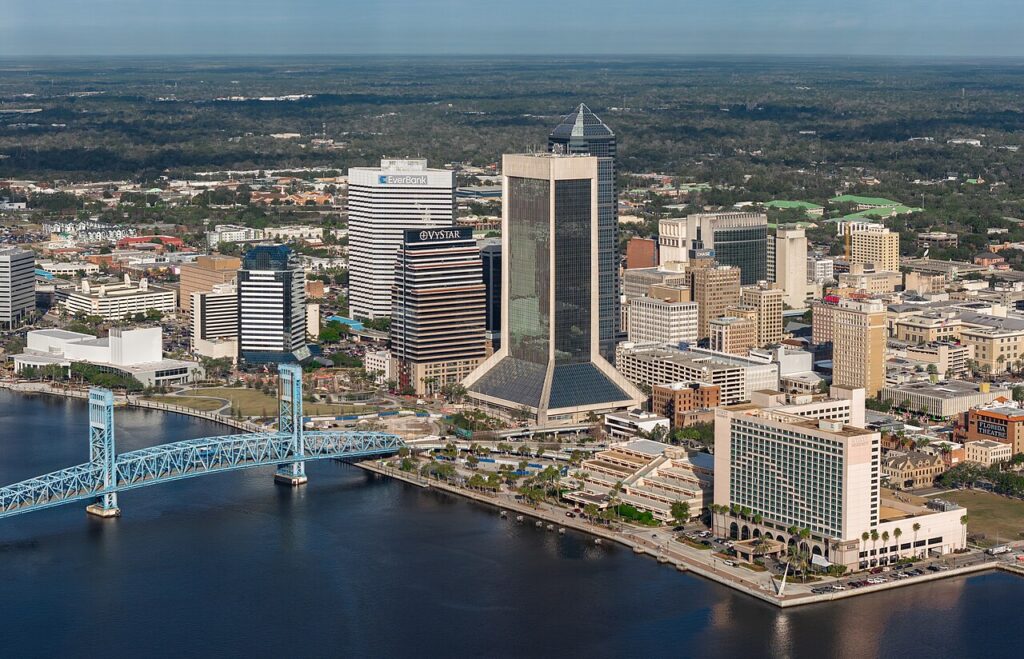
While coastal areas get the most attention, ZIP code 32210 in Jacksonville is proof that the “Insurance Desert” is moving inland. Despite being miles from the ocean, this area is seeing average premiums of $3,493, well above the national mean. Realtors note that the “river flooding” risk from the St. Johns River is being treated with the same severity as hurricane risk by modern AI-driven underwriting models.
Inland buyers who moved to Jacksonville expecting a “discount” from South Florida prices are finding that the insurance premiums are still high enough to push their debt-to-income ratios past the limit for mortgage approval. This has led to a 12% increase in “backed out” deals in the Jacksonville area in late 2025, as buyers realize the “affordable” inland home comes with a “coastal” insurance bill.
8. ZIP Code 33908 (South Fort Myers): The “Flood-Gated” Community
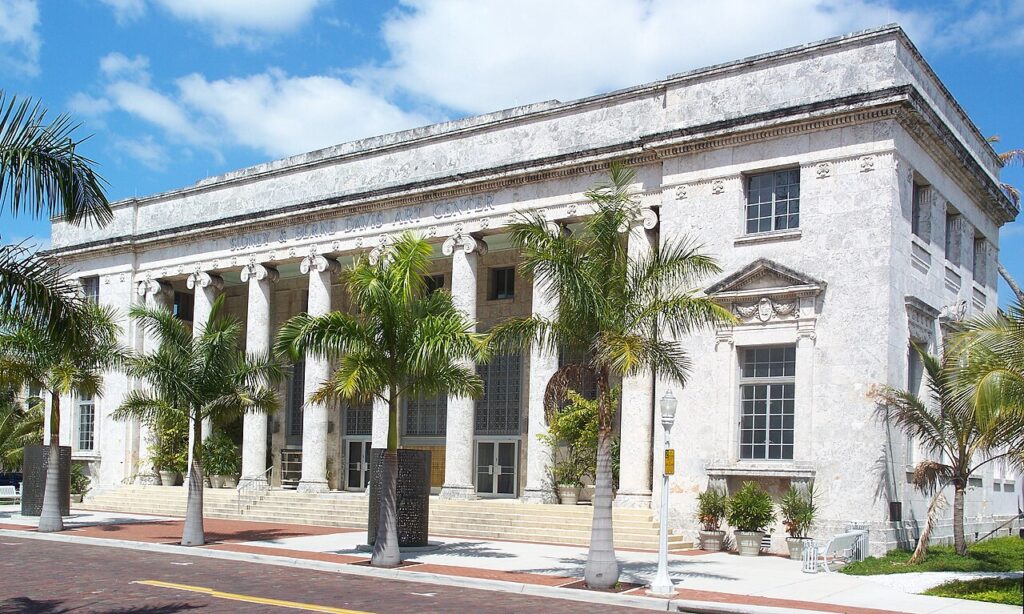
Finally, 33908 in South Fort Myers is emerging as a primary example of how previous claims history can ruin a neighborhood’s marketability. Because of the massive volume of claims filed after recent storms, insurers are “blacklisting” entire subdivisions within this ZIP code. Even homes that suffered zero damage are being penalized because they share a “high-risk” designation with their neighbors.
Realtors in 33908 are seeing a trend of “forced insurance,” where a lender buys a policy for the homeowner at a much higher rate because the owner couldn’t find one on the open market. This can add $1,000 a month to a mortgage payment, leading to immediate defaults. In this “Insurance Desert,” the dream of a gated community is being replaced by the reality of a financial “gate” that prevents anyone from buying in or getting out.
Leave a Reply