
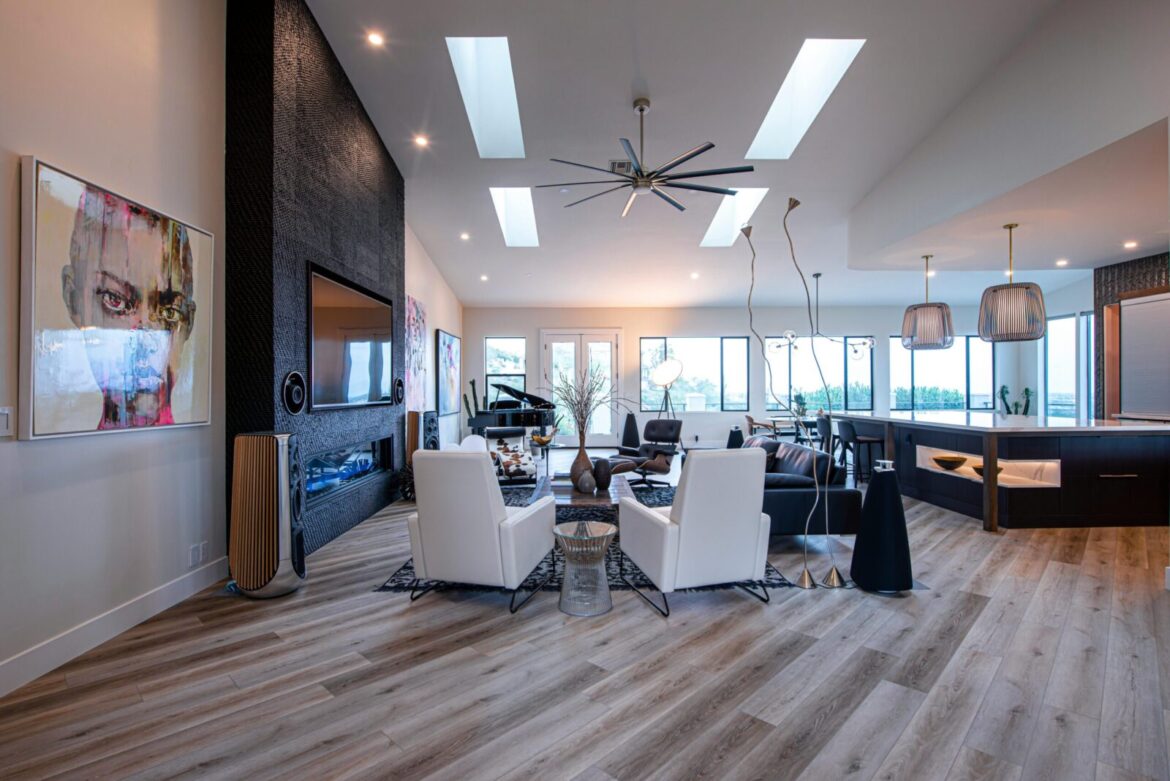
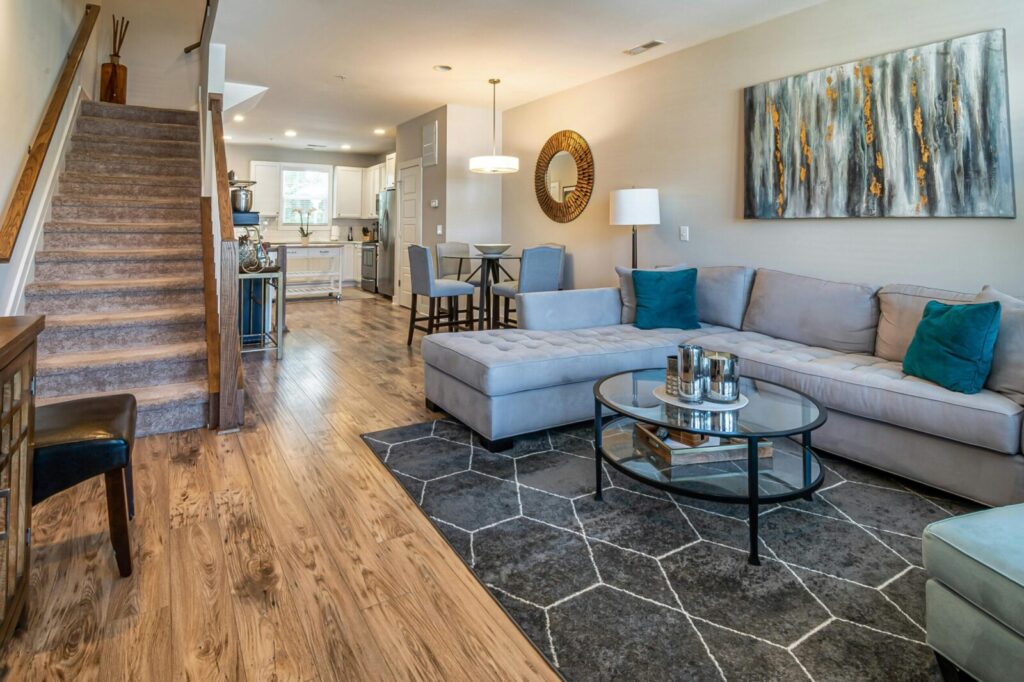
or the past two decades, the open-concept floor plan has been the undisputed king of residential design. Homeowners have spent billions of dollars tearing down walls to create “great rooms” that combine kitchens, dining areas, and living spaces into one cavernous hall. However, architects are now witnessing a massive wave of “renovator’s remorse.” What was once marketed as a way to foster family togetherness has evolved into a lifestyle nightmare where there is no escape from the noise of a running dishwasher or a teenager’s video games. The primary regret stems from the total loss of acoustic and visual privacy, turning the modern home into a high-stress environment where every family member is constantly competing for the same sensory space.
The Hidden Cost of Heating the Void
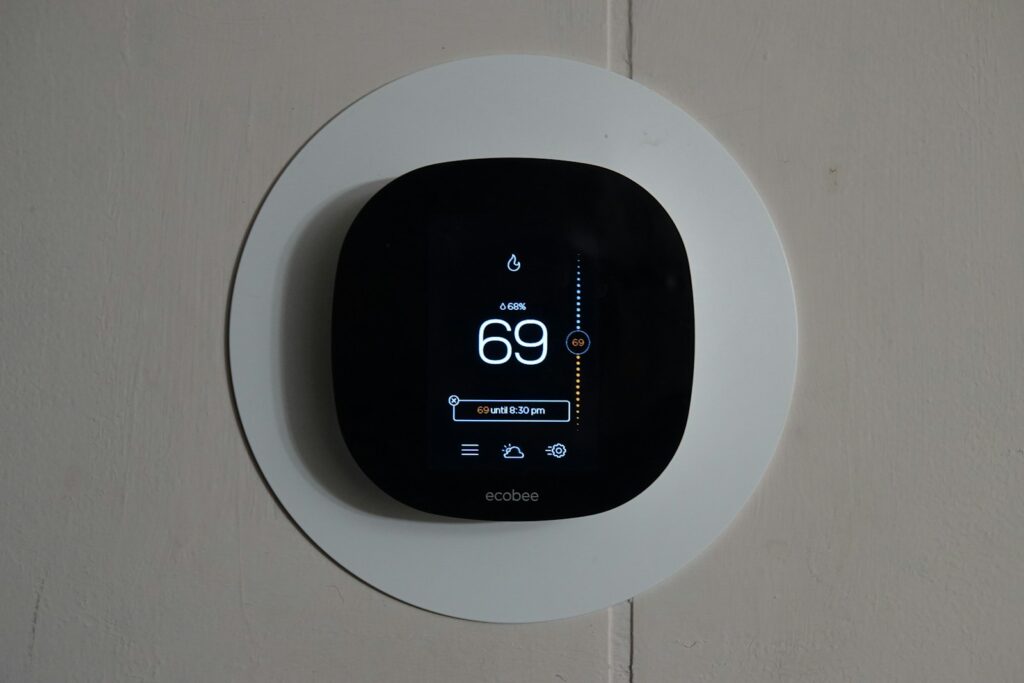
One of the most immediate and painful realizations for open-concept converts is the dramatic spike in utility bills. Walls serve a functional purpose beyond privacy; they act as thermal barriers that allow you to “zone” your home’s climate. In a traditional house, you can heat the living room while keeping the unused guest wing cool. In an open-plan home, your HVAC system must work overtime to conditioned a massive volume of air, much of which lingers near high ceilings far above the residents. Architects point out that without doors to close, your thermostat is constantly fighting to maintain a consistent temperature across a giant, unobstructed space, leading to significantly higher energy consumption and a much larger carbon footprint.
The Acoustic Chaos of Hard Surfaces
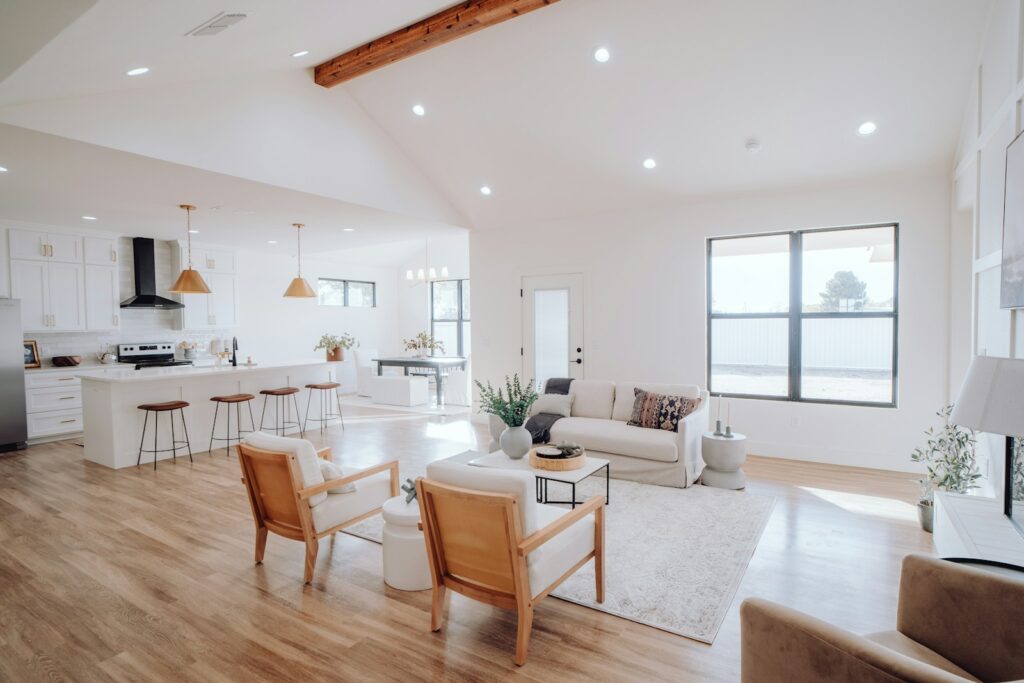
Modern interior design favors hard surfaces like hardwood floors, quartz countertops, and industrial glass, all of which are acoustic enemies in an open-concept layout. Without walls and rugs to absorb sound, the clattering of pans in the kitchen or a conversation at the dining table echoes throughout the entire floor. Architects refer to this as the “cafeteria effect.” This acoustic chaos makes it nearly impossible to work from home or enjoy a quiet evening when someone else is active in the same zone. The lack of sound dampening is a leading reason why “broken-plan” living, a style that uses half-walls, glass partitions, or bookshelves to reclaim some acoustic control, is rapidly replacing the completely open model.
The Visual Clutter and Mental Load
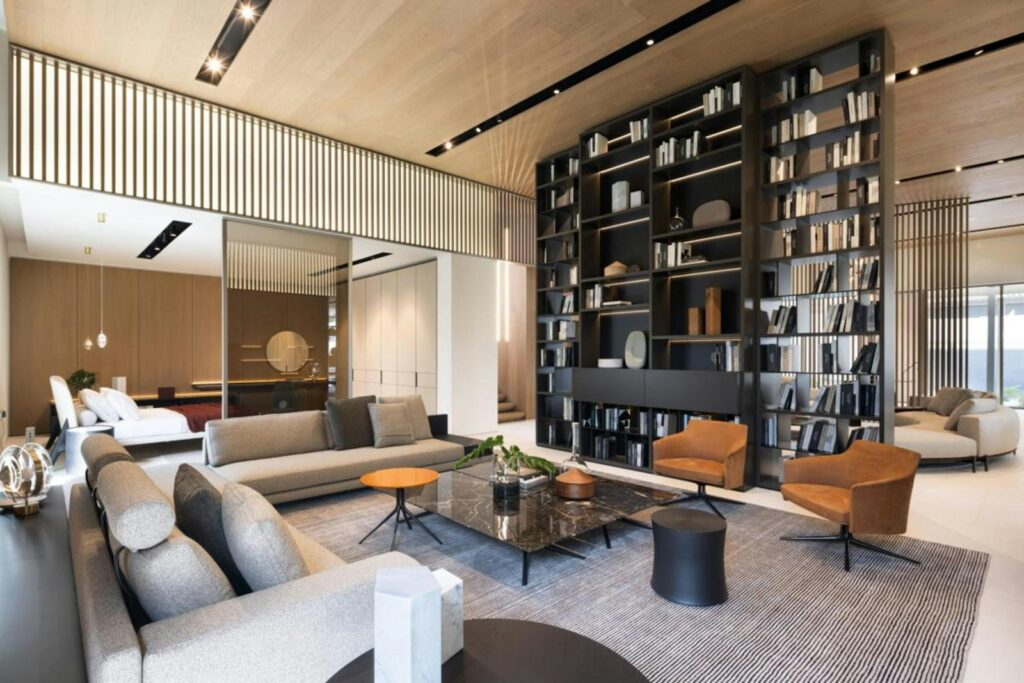
The aesthetic appeal of an open-concept home relies on the house being perfectly tidy at all times. In a traditional home, you can leave the dinner dishes in the kitchen and retire to a clean living room to relax. In an open-plan layout, the mess follows you everywhere. If the kitchen is cluttered, the whole house feels cluttered. Psychologists and designers are finding that this constant visual “noise” increases the mental load on homeowners, who feel they can never truly relax until every corner of the vast space is spotless. The lack of “transitional spaces” like hallways and foyers means there is no mental reset when moving from one activity to another, leading to a home that feels like a workspace rather than a retreat.
The Structural and Resale Gamble
Tearing down load-bearing walls to achieve a seamless look often requires the installation of expensive steel I-beams, a cost that rarely offers a dollar-for-dollar return on investment. Furthermore, as the trend toward “cluttered core” or “maximalism” grows, the vast, empty expanses of open-concept homes are starting to look dated to new buyers. Architects are increasingly being hired to put walls back in, creating dedicated home offices, libraries, and “snugs.” As the market shifts toward valuing functional, quiet spaces for remote work and hobbies, the wide-open floor plan is becoming a liability rather than an asset, leaving many homeowners with a house that is expensive to maintain and difficult to sell.
Leave a Reply