
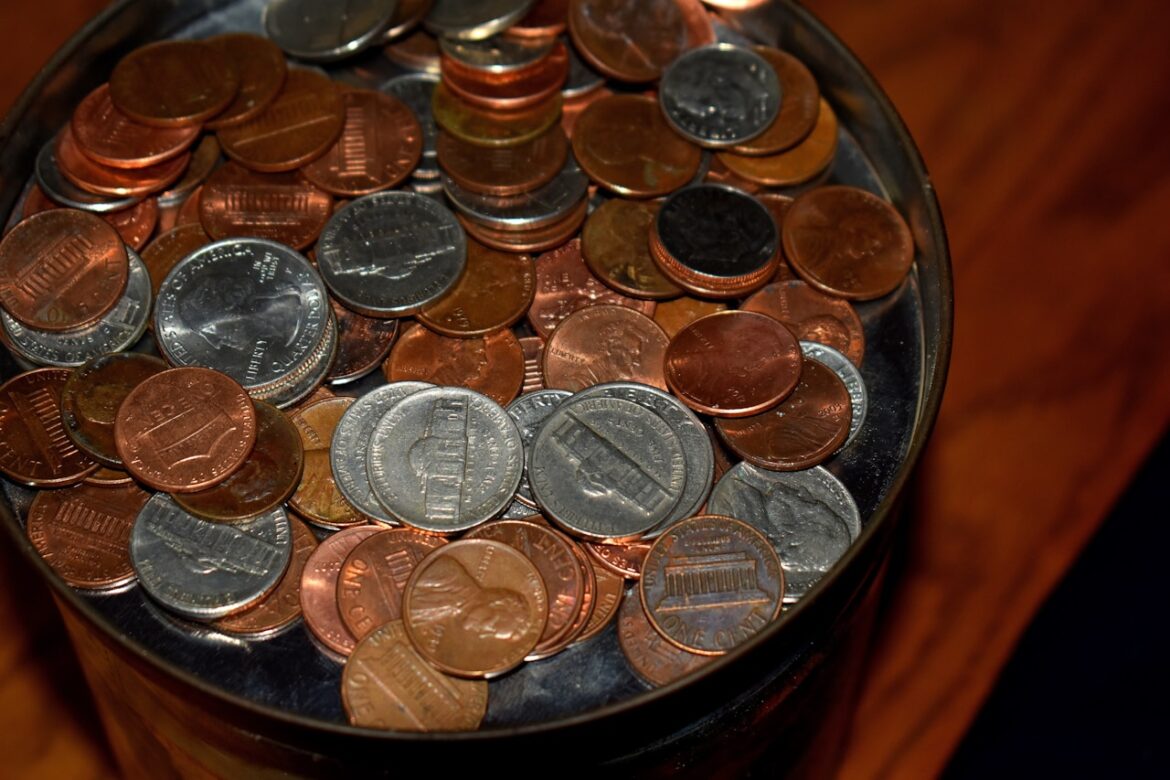
On November 12, 2025, an era of American currency quietly came to an end. The U.S. Mint officially struck its final batch of circulating pennies, ending a production run that spanned over a century. While the Federal Reserve estimates there are still 114 billion pennies in circulation, the “ticking clock” on their utility has started.
As retailers transition to cash-rounding policies and banks begin to phase out coin-counting services, your jar of loose change is transforming from a nuisance into either a hidden treasure or a logistical burden. Here is what you need to do with your pennies today before the window of opportunity closes.
1. The “Pre-1982” Copper Hedge
Not all pennies are created equal, and the year 1982 is the ultimate dividing line. Before this date, pennies were composed of 95% copper. After 1982, the Mint switched to a zinc core with a thin copper plating to save money.
Current metal markets value the copper in a single pre-1982 penny at nearly three times its face value. While it is currently illegal to melt down U.S. coinage for its raw metal content under 31 CFR Part 82, many collectors are treating these “copper cents” as a long-term hedge. If you are sorting through your stash, set these aside; they are the only pennies with “intrinsic” value that exceeds the number stamped on the front.
2. Identify the “Jackpot” Errors and Mint Marks
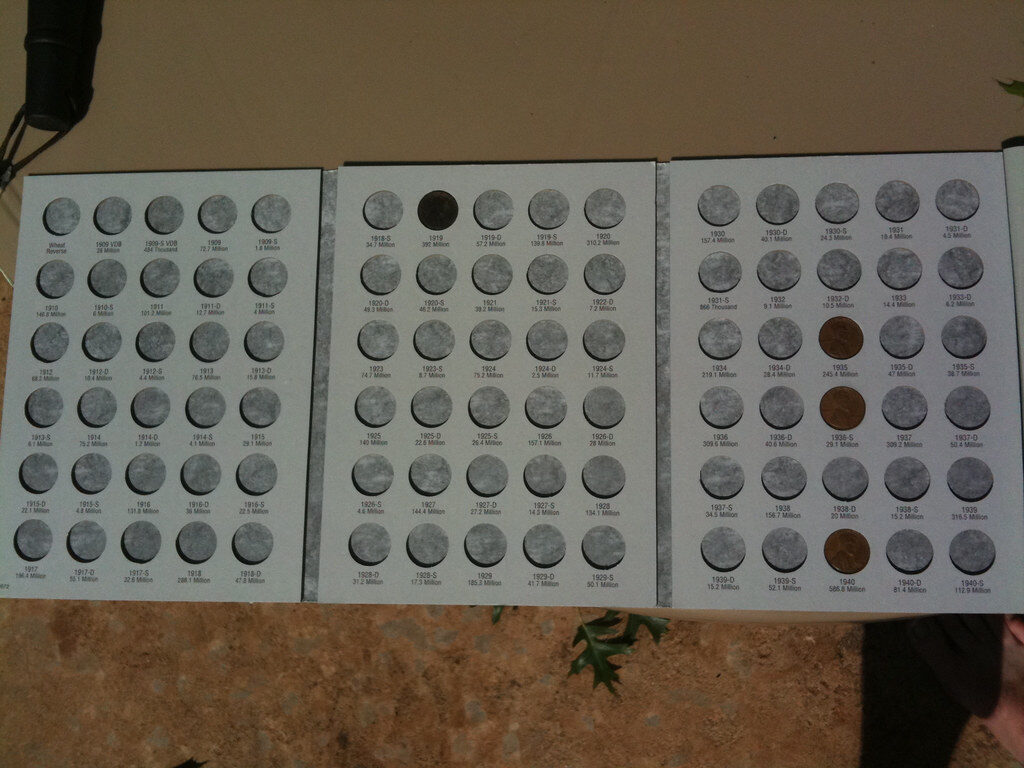
Before you dump your coins into a grocery store kiosk, you must check for the “lottery tickets” hiding in plain sight. The undisputed king of modern errors is the 1969-S Doubled Die Obverse. If you see visible doubling on the words “LIBERTY” or “IN GOD WE TRUST,” you aren’t looking at a blurry coin, you’re looking at a piece that has sold for over $100,000 at auction.
Other high-value targets include the 1999 “Wide AM” variety, where the letters A and M in “AMERICA” are clearly separated rather than touching. Even a common-looking 1999 penny with this error can fetch up to $4,500. Additionally, look for the 1909-S VDB, which features the designer’s initials on the reverse; with only 484,000 ever minted, it remains the ultimate prize for any amateur sorter.+1
3. Beat the “Cash Rounding” Confusion
As pennies disappear from cash registers, “rounding” is becoming the new reality for American consumers. Following the lead of countries like Canada and Australia, many U.S. retailers are already adopting 5-cent rounding policies.
Some chains, such as Kwik Star, have proactively decided to round all cash transactions down to the nearest nickel to maintain customer goodwill, while others round to the nearest interval. To avoid losing cents on every transaction, experts suggest using your remaining pennies now to exact the correct change or switching to digital payments where rounding does not apply. The longer you wait, the more likely you are to encounter retailers who simply refuse to accept or dispense pennies altogether.
4. Beware the “Last Year” Hoarding Scam
A common trap currently circulating on auction sites involves the “Final Year” 2025 pennies. Scammers are listing rolls of 2025 cents for $50 or even $1,000, claiming they are rare collectibles.
In reality, the U.S. Mint produced roughly one billion pennies in 2025 before the machines were turned off. They are not rare, and they will not be rare for decades to come. Unless a 2025 penny is in “MS-65” professional grade or higher, it is worth exactly one cent. Do not be talked into buying “unopened” boxes of 2025 coins as an investment; the supply is far too vast to justify the hype.
5. Authenticate Before You Liquidate
If you believe you’ve found a rare date or a minting error, the worst thing you can do is take it to a local pawn shop or an unverified buyer. Professional grading through services like PCGS or NGC is the only way to lock in the true value of a rare coin.
A professional grade can be the difference between a $10 coin and a $10,000 coin. However, grading costs money, so only send in coins that show clear evidence of doubling, off-center strikes, or scarce dates like the 1909-S or 1955 Doubled Die. For the rest of your common “zinc” pennies, your best move is to deposit them at a bank while they still accept unrolled coins for free, a service that is expected to diminish as the penny becomes a relic of the past.
Leave a Reply