

Buying a house is a monumental decision, often accompanied by excitement and a touch of anxiety. While the allure of homeownership is strong, many buyers overlook critical questions that can lead to significant regret down the line. This article delves into eight essential, yet often unconsidered, inquiries that prospective homeowners should address to ensure their purchase aligns with their long-term satisfaction and financial well-being.
1. What are the true, long-term maintenance costs?
Many buyers are captivated by the aesthetics of a home and the dream of a new lifestyle, often neglecting to deeply consider the ongoing financial commitment of property upkeep. Beyond the mortgage, property taxes, and insurance, routine maintenance can amount to a substantial sum, averaging around $10,946 annually nationwide, according to Zillow Research. This figure can fluctuate based on the home’s age, systems, and environmental factors. For instance, exterior maintenance, such as cleaning gutters and addressing peeling paint, is crucial and often overlooked. Likewise, the average annual cost of lawn care and leaf removal can be around $450. Ignoring these recurring expenses can lead to unexpected financial strain, a common source of buyer’s remorse. It is wise to budget at least 1% to 4% of the home’s value annually for maintenance.
2. How will local zoning laws impact my property and neighborhood?
Zoning laws are local regulations that dictate land use and development within a community, establishing zones for residential, commercial, or industrial activities. While these laws aim to promote orderly growth, they can significantly affect property values and the living environment. For example, strict residential zoning can enhance neighborhood appeal and property values, whereas allowing mixed-use or industrial activities nearby may decrease residential values due to increased noise or traffic. Future zoning changes can also dramatically alter property values, positively or negatively. Buyers may face limitations on renovations or unexpected changes in property designation if they are unaware of existing or potential zoning shifts. Understanding these regulations is vital to avoid unforeseen challenges and to ensure the property’s future potential aligns with your expectations.
3. What is the actual age and condition of critical home systems?
While a home inspection can reveal immediate issues, buyers often fail to inquire about the age and expected lifespan of major systems like the roof, HVAC, plumbing, and electrical components. For instance, an aging roof can necessitate thousands of dollars in replacement costs. Similarly, older HVAC systems, water heaters, or electrical wiring may require substantial investment to upgrade or replace, potentially costing tens of thousands of dollars. A seller’s disclosure document should provide details about the property’s condition and history, including past water damage, infestations, or the use of lead paint in older homes. Overlooking the age and condition of these essential systems can lead to surprise repair bills shortly after moving in, a significant regret for many homeowners.
4. How predictable are the neighborhood’s noise and traffic levels?

The surrounding environment significantly impacts the homebuying experience, yet neighborhood dynamics such as noise and traffic are often underestimated. Excessive or unpredictable noise from highways, airports, or entertainment venues can negatively impact property values, with some studies indicating a potential decrease of up to 25%. Similarly, while easy access to major roads is beneficial, constant heavy traffic and congestion can erode a property’s desirability. Buyers often regret not considering these factors, as they can detract from the quality of life and the property’s long-term appeal. Visiting the neighborhood at different times of day and speaking with current residents can provide valuable insights into these environmental influences.
5. What are the long-term resale value considerations for this property?
Many buyers focus on immediate needs and desires, overlooking the crucial aspect of resale value. Factors influencing a home’s future worth extend beyond its current condition and include location, neighborhood desirability, school district quality, and proximity to amenities. A home situated in a sought-after neighborhood with strong schools and convenient access to services will generally command higher resale prices. Market trends, local economic growth, and job opportunities also play a significant role. Furthermore, the home’s size, layout, and the usability of its space contribute to its appeal to future buyers. Understanding these elements can help ensure that the property remains a sound investment over time.
6. Have there been any unpermitted renovations or structural issues?
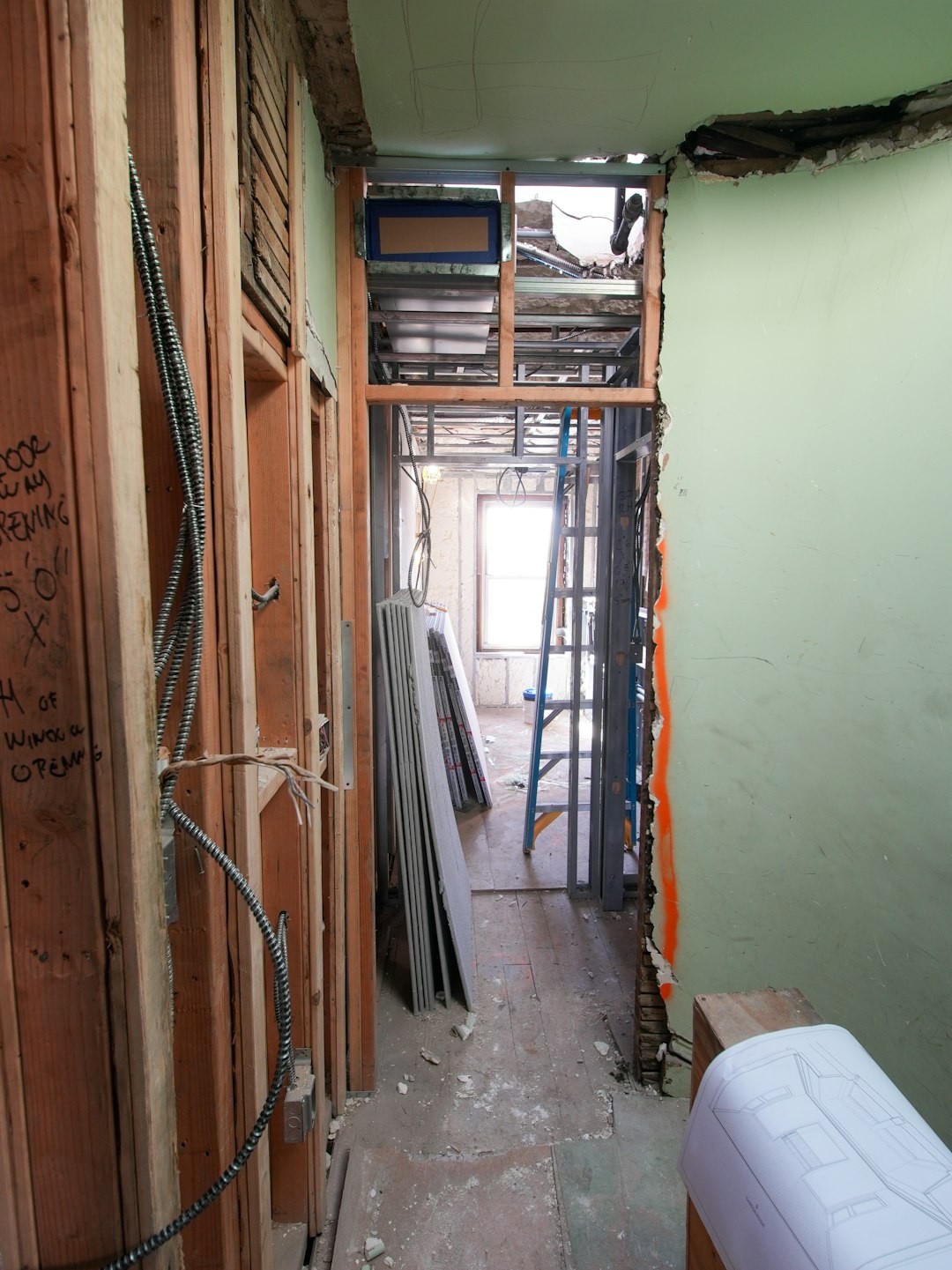
During the excitement of house hunting, buyers might overlook the importance of inquiring about past renovations, particularly whether they were permitted and up to code. Unpermitted work can lead to significant problems down the line, including issues with insurance coverage, potential legal liabilities, and difficulties when selling the property in the future. More critically, structural issues, such as foundation cracks, bowing walls, or significant floor sagging, represent major red flags. These problems can be incredibly costly and complex to repair, potentially costing thousands of dollars. A thorough home inspection, potentially followed by a structural engineer’s report, is essential to uncover these hidden defects.
7. Are there any homeowner association (HOA) fees or specific neighborhood covenants?
For homes within a community governed by a Homeowner’s Association (HOA), understanding the associated fees and regulations is paramount. HOA fees can range from under $100 per month to significantly more and cover services like lawn care, trash pickup, and maintenance of shared amenities. These recurring costs can impact a buyer’s budget and should be factored into the overall cost of homeownership. Beyond fees, HOAs often have covenants and restrictions regarding exterior modifications, landscaping, and even pet ownership. Failing to understand these rules before purchasing can lead to conflicts and unexpected expenses, diminishing the enjoyment of homeownership.
8. What are the total closing costs and any other immediate post-purchase expenses?
Closing costs are a significant, often underestimated, expense that can range from 2% to 5% of the home’s purchase price, amounting to thousands of dollars. These fees cover essential services required to finalize the sale, such as appraisal fees, title insurance, and lender charges. Beyond closing costs, new homeowners should budget for immediate post-purchase expenses like utility setup fees, moving costs, and potentially the purchase of essential appliances or furniture if they were not included in the sale. Being blindsided by these expenses can strain finances and detract from the initial joy of owning a new home.
Leave a Reply