
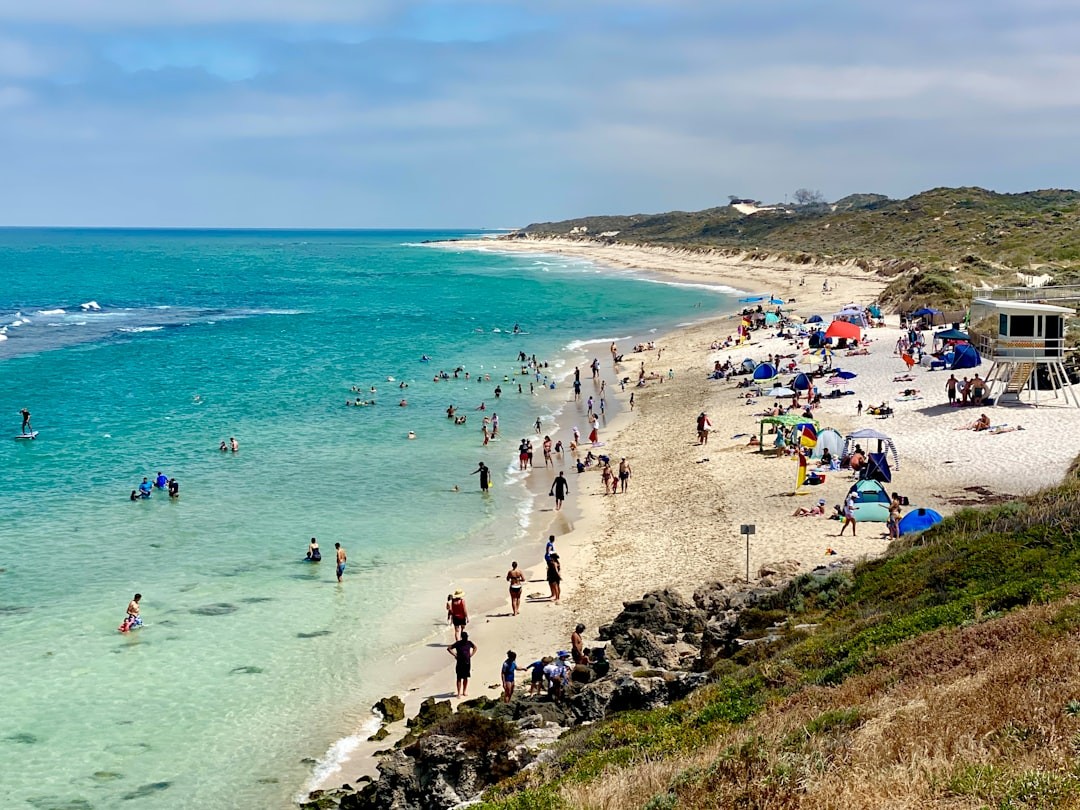
Finding a coastal retreat where the local population hasn’t grown weary of seasonal influxes can be a challenge in today’s increasingly crowded resort landscape. The most coveted destinations often struggle with overtourism, leading to friction and resentment between permanent residents and temporary guests. However, a select few American seaside communities have successfully maintained their charm and hospitality, balancing the needs of commerce with genuine, heartfelt civic welcome. These nine locations exemplify coastal elegance combined with open-armed community spirit, proving that mutual respect still thrives on the Atlantic, Pacific, and Gulf shores, offering a superior travel experience built on mutual regard.
Carmel-by-the-Sea, California: A European Village on the Pacific
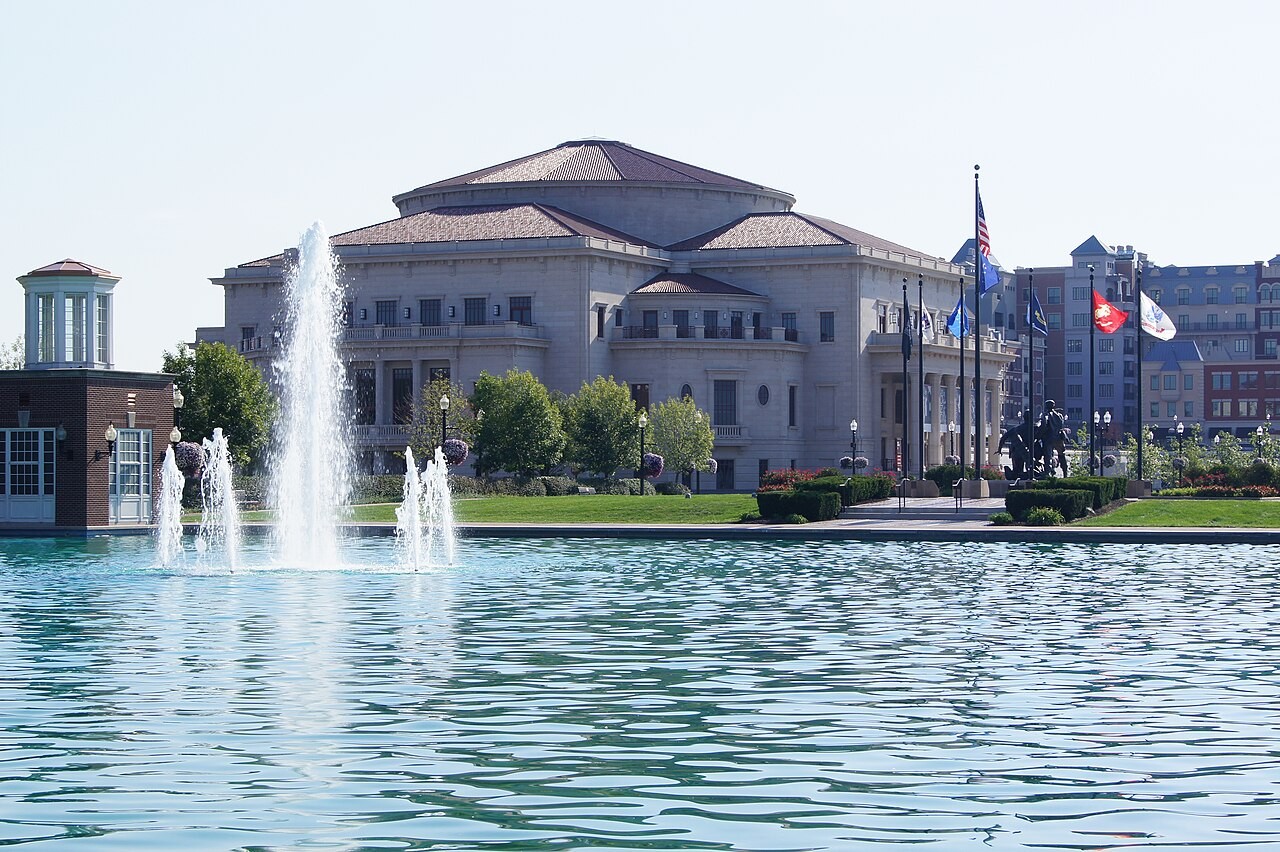
This affluent, yet charming, enclave on the Monterey Peninsula defies the typical California beach town stereotype by fostering an atmosphere of sophisticated inclusion rather than exclusive detachment. The town is deliberately structured to feel like a walkable European village, complete with Storybook architecture, allowing visitors to easily navigate the dozens of art galleries, boutiques, and world-class wine tasting rooms without the stress of high-density traffic. Crucially, Carmel has fiercely protected its residential scale and character, forbidding chain restaurants and demanding high architectural standards, which ensures that the economic benefits of tourism are distributed among local proprietors who, in turn, feel a genuine connection to their guests. The community maintains immaculate public spaces and welcomes beachgoers with pristine white sands, particularly at the famous Carmel Beach, where responsible visitors are genuinely treated as temporary residents rather than merely transactional tourists, establishing a sustainable model for high-end coastal tourism. The dedication to preserving the town’s unique character is the cornerstone of its exceptional hospitality, drawing those who appreciate subtle elegance.
St. Augustine, Florida: History Meets Hospitality on the First Coast

As the oldest continuously inhabited European-established settlement in the continental United States, St. Augustine balances its profound historical significance with the relaxed ambiance of a modern coastal retreat. Unlike many Florida destinations overwhelmed by high-rise developments, this city maintains a lower profile, focusing instead on its Spanish colonial architecture, coquina fortifications, and charming brick streets. The local population takes immense pride in sharing their history, transforming historical interpretation from a mere attraction into a form of civic engagement, making visitors feel less like onlookers and more like participants in a living, breathing museum. The beaches nearby, including St. Augustine Beach and Vilano Beach, offer expansive stretches of sand without the aggressive commercialization found elsewhere in the state. Local businesses and residents understand that the city’s enduring appeal lies in its authenticity and the warmth of its welcome. The dedication to historical preservation complements the hospitality sector, ensuring that growth remains thoughtful and community-focused, cultivating respect for both the past and the present guest.
Ocracoke, North Carolina: Barrier Island Charm Without the Crowds
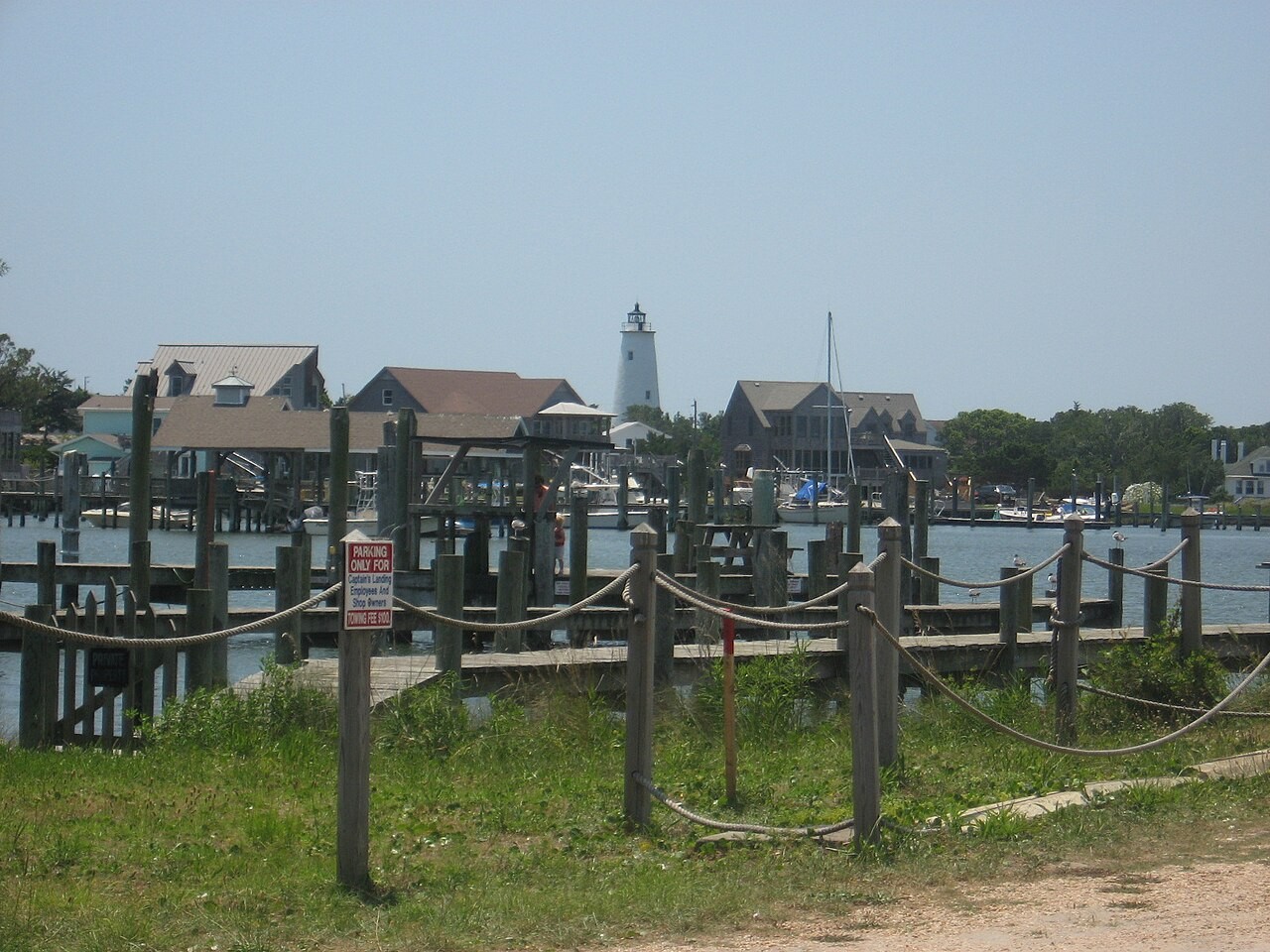
Accessible only by ferry, Ocracoke Village on the southern Outer Banks maintains an isolation that has preserved its distinctly friendly and resilient community spirit. This remoteness naturally curates the visitor experience, attracting travelers who seek tranquility and appreciate the slow, deliberate pace of island life, rather than those looking for large-scale resort amenities. The locals, many of whom trace their ancestry back generations to lighthouse keepers and fishermen, communicate using the unique ‘Hoi Toide’ brogue, and they are enthusiastically willing to share the island’s folklore, history, and natural beauty. The beaches here are wild, expansive, and consistently ranked among the best in the nation, yet they rarely feel crowded, promoting a sustainable visitor density. The entire community operates on a foundation of mutual courtesy—a necessity on a small, isolated barrier island—which naturally extends toward respectful guests. This welcoming atmosphere is deeply embedded in the island’s ethos, ensuring that visitors are treated less as economic drivers and more as temporary neighbors, appreciating the shared sanctuary.
Newport, Rhode Island: Gilded Age Elegance and Modern Accessibility
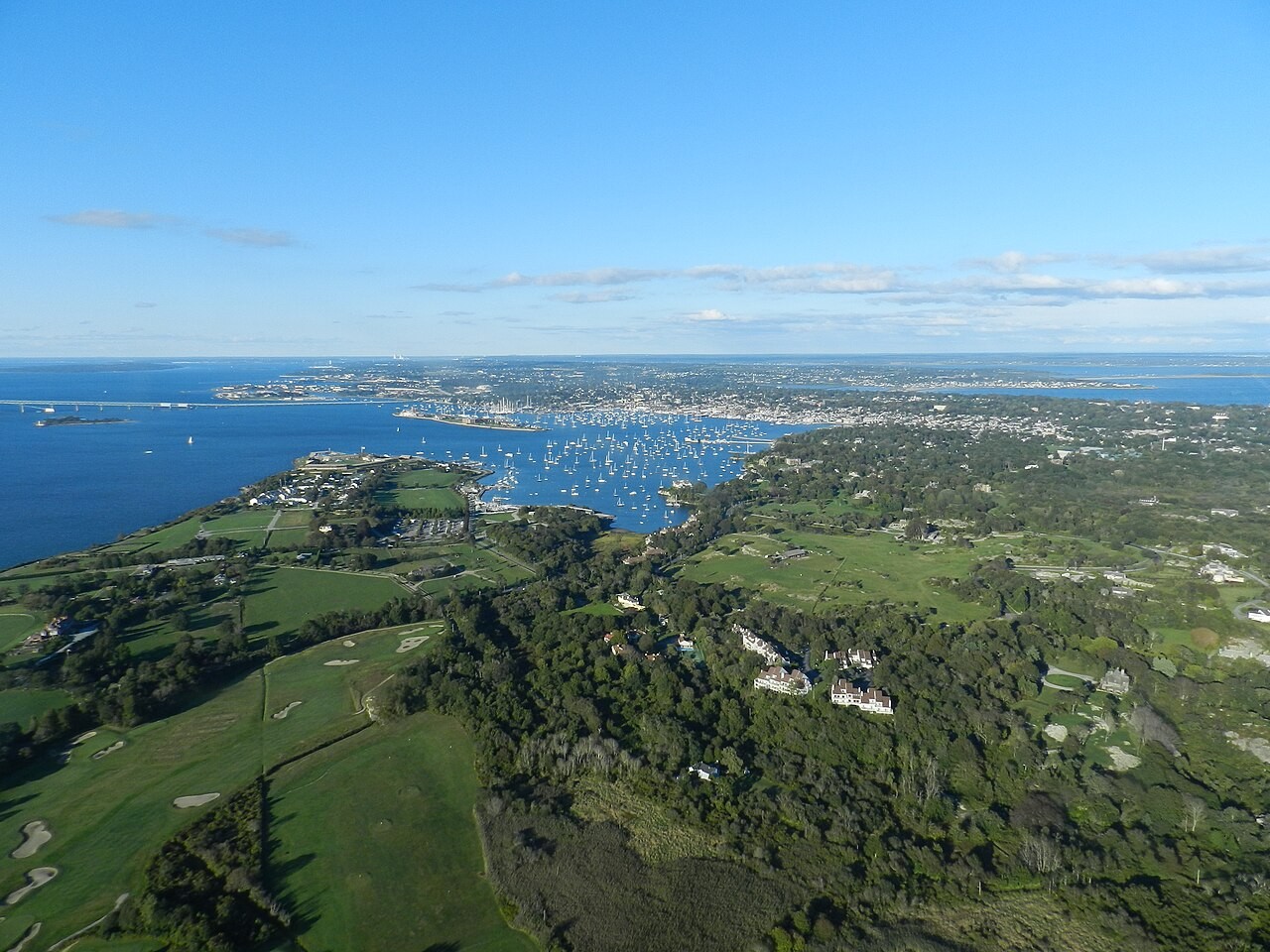
Newport seamlessly blends the aristocratic grandeur of its Gilded Age history with the practical, down-to-earth friendliness characteristic of New England maritime culture. While famous for the colossal, meticulously preserved mansions lining the scenic Cliff Walk, the town’s core identity remains tied to its working waterfront and its deep sailing traditions, which require a cooperative, open community. Unlike resort towns that can feel exclusive, Newport’s residents have mastered the art of sharing their extraordinary environment, offering public access to key areas and historic sites with surprising ease. The downtown harbor area thrives with local shops and independent restaurants whose proprietors are deeply invested in the quality of the visitor experience, understanding that courteous interactions drive repeat business. Whether exploring the Revolutionary War history, enjoying the vibrant sailing scene, or relaxing on Easton’s Beach, guests find a community eager to showcase their unique heritage. This successful integration of high culture and genuine hospitality ensures that Newport remains a destination where history and welcome converge gracefully.
Cannon Beach, Oregon: Rugged Coastline and Artistic Openness

Cannon Beach epitomizes the dramatic beauty of the Pacific Northwest coast, dominated by the imposing Haystack Rock, an iconic natural landmark. What distinguishes this town is its commitment to maintaining a low-key, non-commercial atmosphere focused on natural preservation and local arts. The local community fiercely resists overdevelopment, maintaining strict building codes that prevent the intrusion of large resort chains, thereby preserving the town’s character and ensuring that local small businesses remain central to the visitor experience. This intentional focus cultivates an artistic and collaborative spirit among the residents, who are noticeably welcoming to those who appreciate the area’s wild, untamed beauty. Galleries, independent coffee houses, and cozy inns reflect the community’s pride and desire to share their environment responsibly. Visitors are encouraged to explore the tide pools and state parks, integrating themselves into the rhythm of coastal ecology. The shared reverence for the powerful landscape fosters a mutual respect between the residents and their respectful guests, making the welcome here as authentic as the Pacific air.
Kennebunkport, Maine: Traditional Coastal Charm and Year-Round Warmth
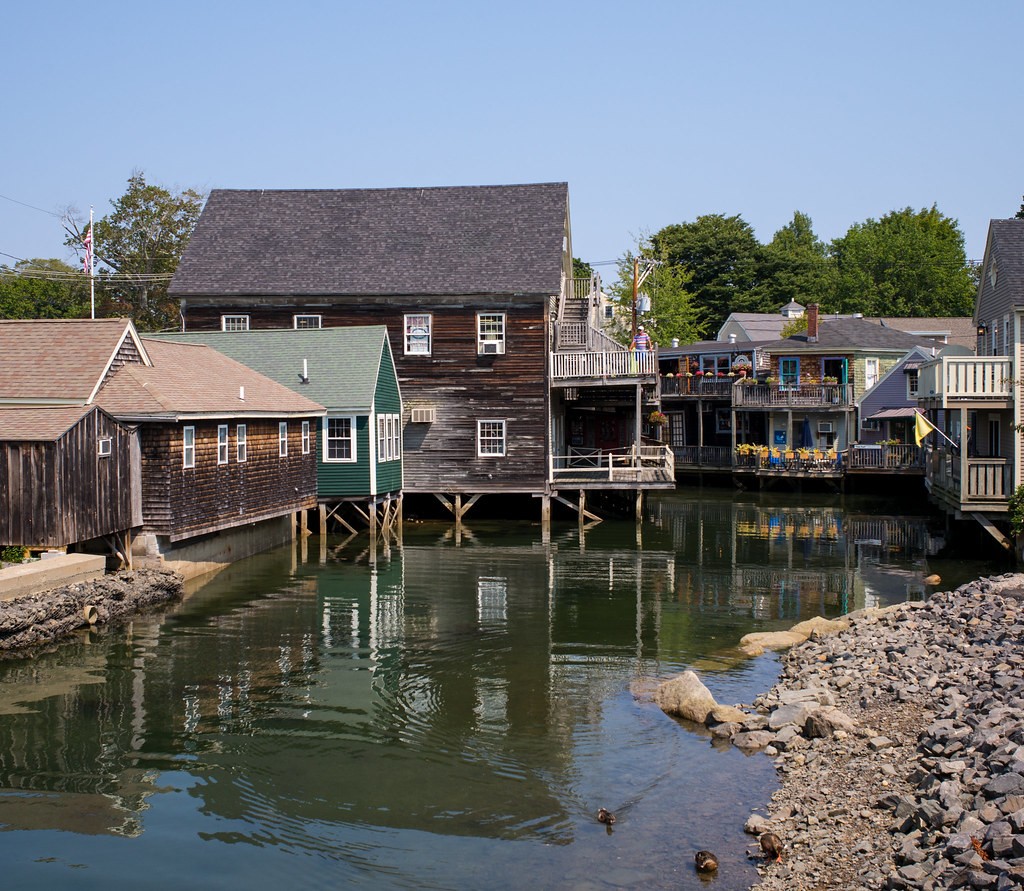
Kennebunkport stands as a quintessential New England seaside village, famous for its historic sea captains’ homes, vibrant Dock Square, and pristine beaches. While it draws international attention, the community maintains a remarkably grounded, accessible atmosphere, resisting the shift towards the impersonal feel of larger, high-volume resorts. Local shop owners and innkeepers often offer personalized attention, deeply valuing the connection with their guests, which transforms a simple visit into a richer cultural exchange. The town excels at offering high-quality experiences—from traditional lobster bakes to scenic boat tours—all delivered with the frank, friendly service characteristic of Mainers. This genuine welcome stems from a community structure where businesses and residents are tightly knit and collectively invested in preserving the town’s historic integrity and manageable scale. The commitment to maintaining the charm and small-town feel ensures that the hospitality is organic and not simply a commercial veneer, allowing visitors to feel truly integrated into the coastal life of Maine.
Tybee Island, Georgia: Laid-Back Southern Hospitality on the Atlantic
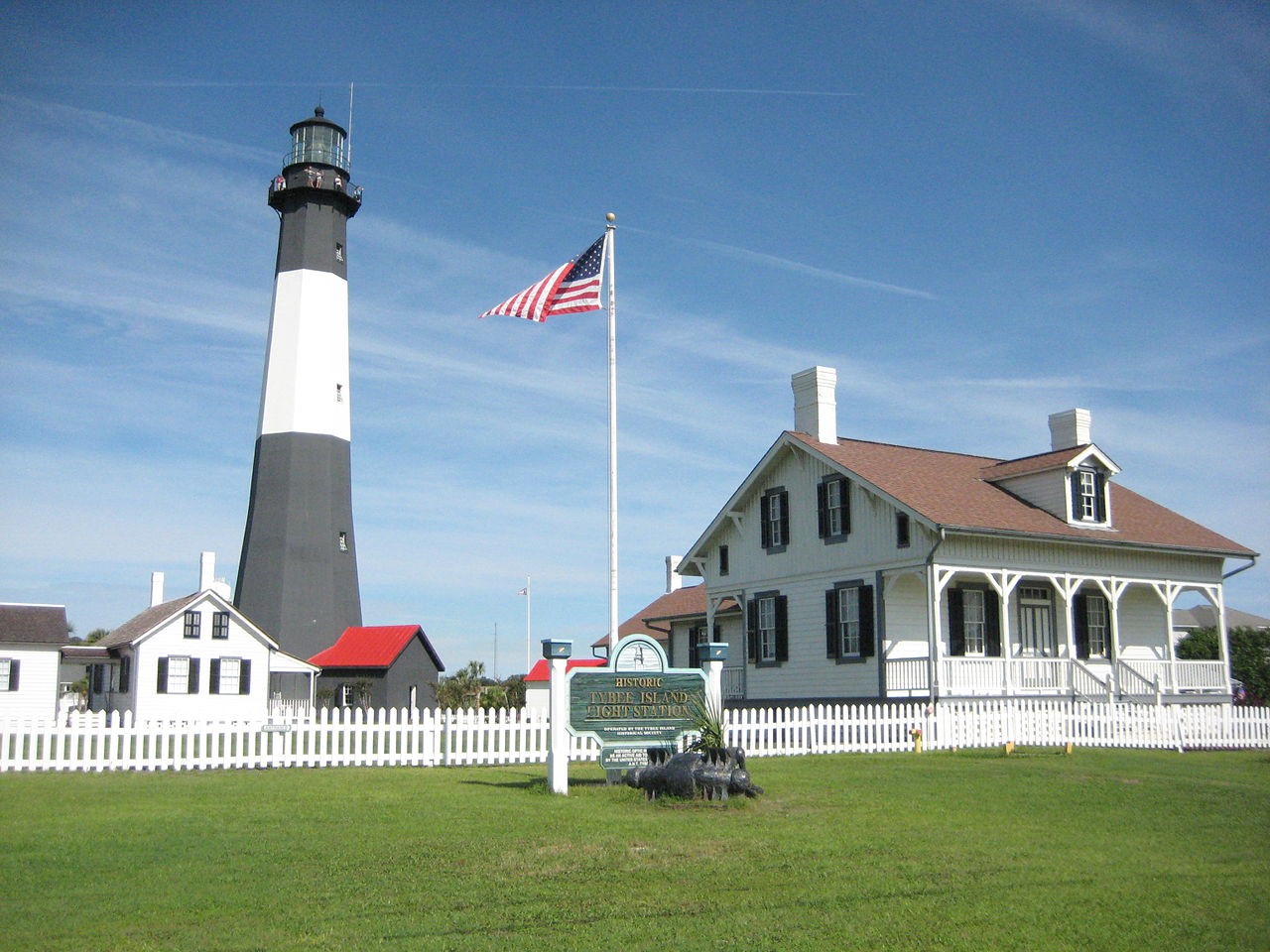
Just east of Savannah, Tybee Island offers a genuinely relaxed beach experience defined by distinct Southern hospitality and an emphasis on environmental stewardship. Often referred to as “Savannah’s Beach,” Tybee maintains a refreshingly unpretentious and quirky atmosphere, deliberately avoiding the polished, upscale feel of more commercialized coastal destinations. The locals pride themselves on their easygoing nature and their commitment to preserving the island’s natural ecosystems, including the nesting habitats for sea turtles and the historic Tybee Island Light Station. The community is notably open and friendly, reflecting a deeply ingrained culture of neighborliness that easily extends to visitors. Guests are encouraged to explore the miles of uncrowded beaches, join in local ecological efforts, and patronize the diverse, independent eateries that populate the island. This environment fosters low-stress interactions and a mutual appreciation for the quiet enjoyment of the barrier island environment, making it a truly welcoming spot for those seeking simple, warm coastal recreation.
Grand Haven, Michigan: Great Lakes Grandeur and Midwestern Friendliness
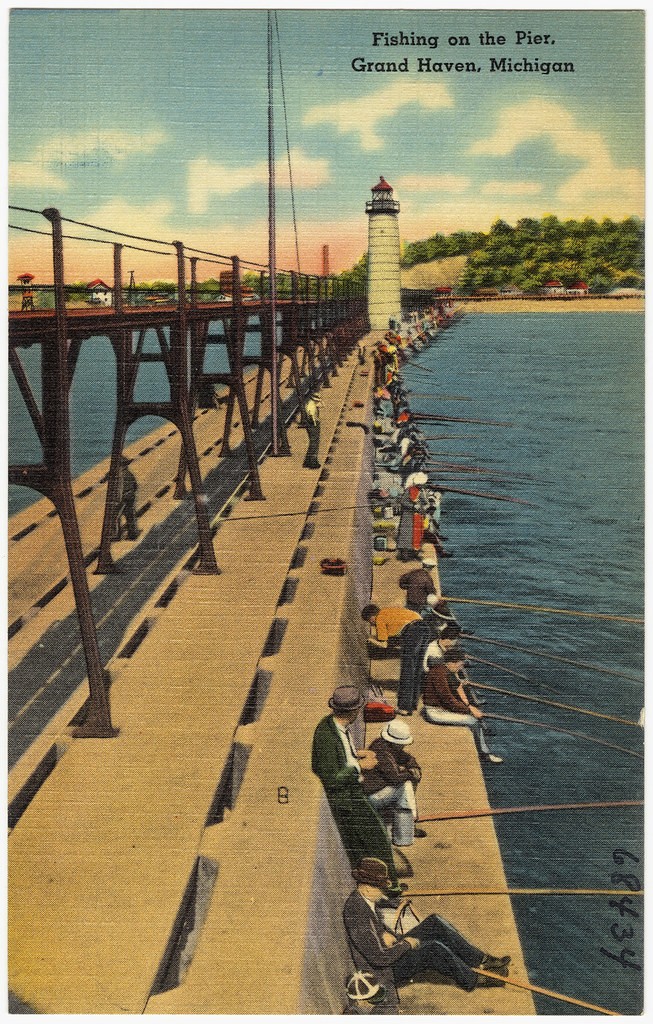
Located on the eastern shore of Lake Michigan, Grand Haven demonstrates that world-class beach towns are not exclusive to the saltwater coasts. Known for its expansive sandy beaches, iconic red lighthouse, and the unique musical fountain show, Grand Haven has built a tourism economy rooted in classic Midwestern openness and civic pride. The community is intensely proud of its waterfront and maintains a clean, accessible infrastructure that welcomes families and visitors of all kinds. Unlike some seasonal destinations, Grand Haven thrives on year-round community engagement, which ensures that the facilities and local services are robust and maintained for the enjoyment of everyone, not just summer guests. The local population is known for its genuine friendliness, often engaging visitors in conversation and providing helpful advice about exploring the extensive boardwalk and state park areas. This unwavering civic commitment to a high quality of life results in a visitor experience that feels inherently generous and inclusive, defined by authentic, down-to-earth hospitality.
Gulf Shores, Alabama: Accessible Beauty and Community Pride
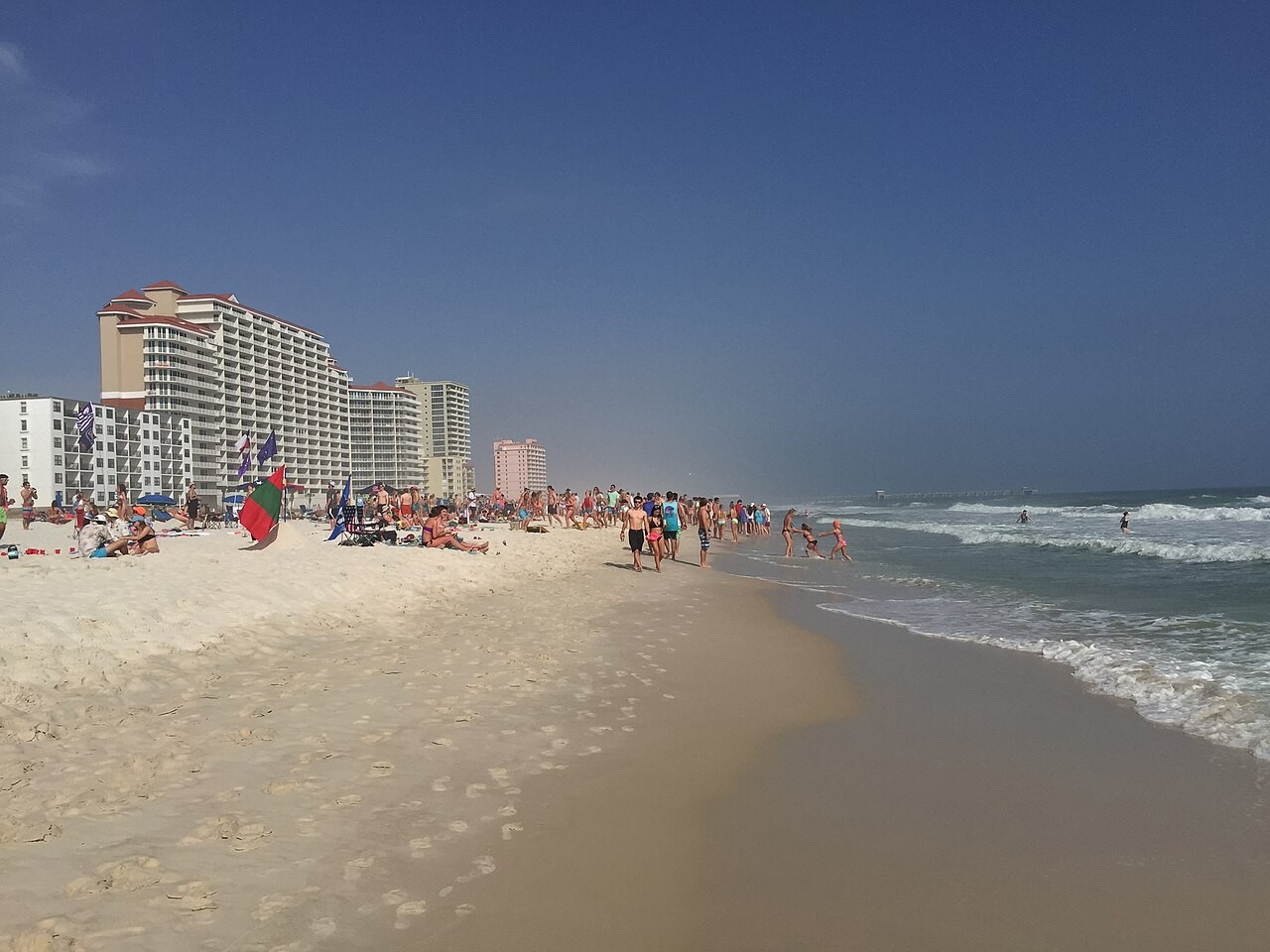
Gulf Shores, along with its sister city Orange Beach, has cultivated a reputation for being one of the most family-friendly and genuinely welcoming destinations on the Gulf Coast. While certainly popular, the community has consciously avoided the excesses of spring break destinations, prioritizing a wholesome, clean, and accessible environment. The white quartz sand beaches and warm, emerald waters are impeccably maintained, reflecting a strong local commitment to environmental quality and public amenity. What sets Gulf Shores apart is the concerted effort by businesses and residents to offer service with sincere Southern warmth; local events, parks, and attractions are designed to integrate visitors seamlessly into the community atmosphere. This hospitality is driven by a deep sense of regional pride and an understanding that inclusive tourism benefits the entire populace. The welcoming nature of the community ensures that families feel safe and appreciated, transforming a standard beach vacation into a memorable, low-friction encounter with genuine Alabama warmth and coastal charm.
Leave a Reply