

The rapid advancement of artificial intelligence is fundamentally reshaping the global workforce, signaling a significant shift in the types of jobs available. As Generation Alpha prepares to enter the professional world, many roles currently considered standard are predicted to become obsolete due to automation and AI integration. This technological evolution, while promising increased efficiency and new opportunities, also necessitates a critical examination of the careers most vulnerable to displacement.
1. Data Entry Clerks
The role of a data entry clerk is highly susceptible to automation. AI-powered systems excel at processing vast amounts of information rapidly and with fewer errors than manual input. Technologies like optical character recognition (OCR) and machine learning can extract, validate, and input data from various sources with unprecedented efficiency. This automation not only reduces operational costs by minimizing the need for manual labor but also increases productivity, allowing businesses to reallocate human resources to more strategic tasks. While some roles may transition into data validation or system oversight, the core function of manual data input is expected to diminish significantly. The efficiency gains offered by AI in data entry are substantial, with automated solutions capable of processing data much faster and with greater accuracy than human counterparts.
2. Telemarketers

The telemarketing industry is undergoing a dramatic transformation due to AI’s integration into customer engagement platforms. AI can automate repetitive tasks such as data entry and call scheduling, enabling human agents to concentrate on more complex interactions that require empathy and problem-solving skills. This automation leads to faster response times and improved overall productivity within telemarketing teams. Furthermore, AI-driven systems can handle high volumes of calls without breaks, resulting in significant cost savings by reducing the reliance on large human workforces and minimizing errors common in manual processes. While AI offers personalized customer engagement through data analysis, the human touch remains crucial for certain interactions, potentially leading to a reduction in traditional telemarketing roles.
3. Bookkeeping and Accounting Clerks
Bookkeeping and accounting clerk positions are among those identified as highly vulnerable to AI’s impact. Research indicates that a significant percentage of tasks performed by these professionals could be automated within the next decade. Generative AI is poised to affect white-collar jobs more profoundly than blue-collar roles, with bookkeepers and accounts clerks facing substantial changes. AI systems can automate repetitive duties such as data entry, transaction categorization, and invoice processing with remarkable efficiency. Furthermore, AI can perform real-time reconciliations and flag discrepancies instantly, improving accuracy and response times. While AI is automating many of the more routine aspects of bookkeeping, it is also creating opportunities for professionals to shift towards more analytical and advisory responsibilities, offering forward-looking financial insights and strategic guidance.
4. Customer Service Representatives
The landscape of customer service is rapidly evolving with the integration of AI. While AI is not expected to eliminate all customer service roles, it will automate many of the routine tasks previously handled by human agents. Chatbots and AI assistants can manage a large volume of basic inquiries across multiple channels, reducing queue times and ensuring consistent responses. This allows human agents to focus on more complex, sensitive, or high-value interactions that require emotional intelligence, creative problem-solving, and relationship-building skills. By 2026, it’s projected that a significant portion of customer service agents could be replaced or augmented by generative AI, leading to a shift towards hybrid models where AI supports human efforts to enhance efficiency and customer satisfaction.
5. Administrative Assistants
The role of administrative assistants is being significantly reshaped by AI’s growing capabilities in automating repetitive tasks. AI-driven tools can now manage scheduling, calendar management, email handling, report generation, and data entry with high efficiency and accuracy. These systems streamline everyday office functions, freeing up human resources to focus on more strategic and creative endeavors. While AI automates mundane tasks, administrative professionals are increasingly needed to support the development, implementation, and maintenance of these new technologies. The focus for administrative roles is shifting from task execution to more complex responsibilities such as process improvement and critical decision-making, leveraging AI to enhance productivity and reduce error rates in the workplace.
6. Transcriptionists
The advent of AI has significantly impacted the transcription industry, leading to questions about the future of human transcriptionists. While AI tools can generate transcripts quickly and at a lower cost, they often fall short in accuracy, contextual understanding, and judgment, particularly in challenging audio conditions. Human transcriptionists remain essential for their ability to comprehend nuances, interpret tone, and handle complex terminology, especially in specialized fields like legal or medical transcription. AI is more likely to serve as an assistive tool, speeding up the initial drafting process, rather than completely replacing human professionals who provide the critical oversight for accuracy and quality. The demand for high-quality human editing and quality assurance is expected to rise as AI becomes more integrated into transcription workflows.
7. Assembly Line Workers
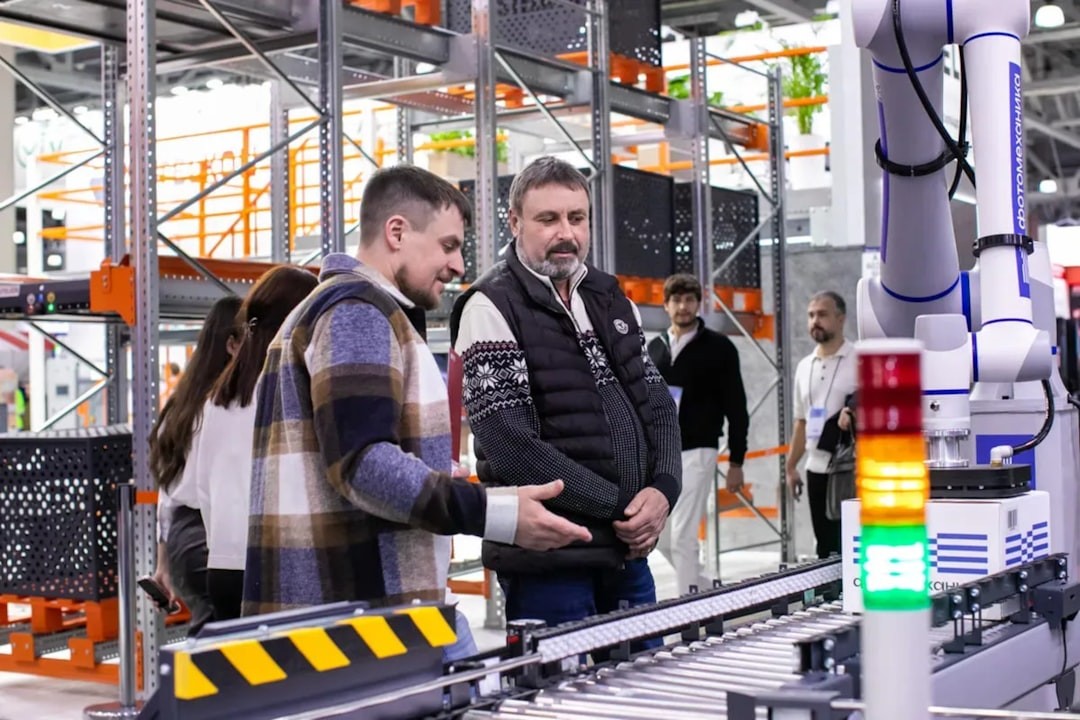
Manufacturing assembly lines are undergoing a significant transformation driven by AI and robotics. AI technology has taken over many repetitive tasks, such as assembling parts and fastening components, often with greater speed and precision than human workers. Autonomous robots are becoming the norm in various manufacturing processes, including picking, sorting, and even operating machinery with minimal human intervention. While AI improves efficiency, reduces errors, and enhances worker safety by taking over potentially dangerous tasks, it also leads to a decline in the demand for traditional assembly line roles. The future of manufacturing involves a shift towards more skilled positions focused on managing, maintaining, and optimizing these automated systems.
8. Travel Agents
The travel industry is experiencing disruption from AI, leading to evolving roles for travel agents. AI is capable of handling routine tasks such as booking flights, hotels, and creating standard itineraries, offering instant responses and personalized recommendations. However, for complex travel planning, nuanced client needs, and providing a personalized human touch, human travel agents maintain a significant edge. AI is more likely to complement the work of travel agents, managing the more logistical aspects while agents focus on delivering superior customer service and handling complex requests. Experts predict that human agents leveraging AI tools will have a distinct advantage, with a growing demand for customized travel experiences that require human expertise and empathy.
9. Proofreaders and Copy Editors
The roles of proofreaders and copy editors are being influenced by AI’s advancements in language processing, but complete replacement is not anticipated in the near future. AI tools can assist with grammar checking, spelling, and identifying inconsistencies at a speed that surpasses human capabilities. However, these tools often lack the nuance, emotional intelligence, and contextual awareness necessary for sophisticated editing. Human editors are crucial for understanding authorial intent, audience needs, and cultural subtleties, ensuring that the unique voice and style of a piece are preserved. While AI may handle some of the more mechanical aspects of editing, the demand for human insight and critical judgment in refining text is expected to persist, with AI potentially serving as a tool to enhance efficiency rather than replace professionals.
Leave a Reply