
The “Instagram Effect” has officially claimed the last of America’s quiet escapes. As we move through 2026, the concept of a “hidden gem” has largely become a marketing myth, as geotagging and viral travel trends have funneled massive crowds into fragile ecosystems and once-quiet small towns. What were once secret local swimming holes or serene mountain overlooks are now characterized by “reservation-only” entries, overflowing parking lots, and a significant decline in the quality of the visitor experience.
According to 2026 tourism data and National Park Service “crowding reports,” the influx of “bucket-list” travelers has led to a 40% increase in foot traffic at formerly obscure sites. This “overtourism” isn’t just a minor annoyance; it is leading to environmental degradation and a “pricing out” of the very locals who once kept these spots secret. Here are the nine U.S. spots that have officially lost their “hidden” status.
1. Sedona, Arizona: The “Vortex” Traffic Jam
Sedona was once a spiritual retreat known for its quiet energy and red rock solitude. In 2026, however, the “vortexes” are surrounded by gridlock. According to 2026 transit data, the city now sees over 3.5 million visitors annually, leading to a “perpetual traffic jam” on Highway 179. Locals report that the serenity of trails like Devil’s Bridge has been replaced by two-hour wait times just to take a photo. The city has been forced to implement a shuttle-only system for major trailheads, signaling the end of the spontaneous, quiet desert escape.
2. Bozeman, Montana: The “Yellowstone” Spillover
Bozeman used to be a humble gateway for ranchers and outdoor enthusiasts, but in 2026, it is the epicenter of the “New West” gold rush. The “Yellowstone” television effect, combined with a 25% surge in remote workers, has turned this mountain town into a high-priced hub. Real estate data shows that the median home price has soared past $900,000, and the local hiking trails are now as crowded as city parks. The “hidden” fly-fishing spots that locals once guarded are now frequently featured on travel blogs, leading to a “combat fishing” environment that has ruined the solitude of the Gallatin River.
3. The Enchantments, Washington: The Lottery Nightmare
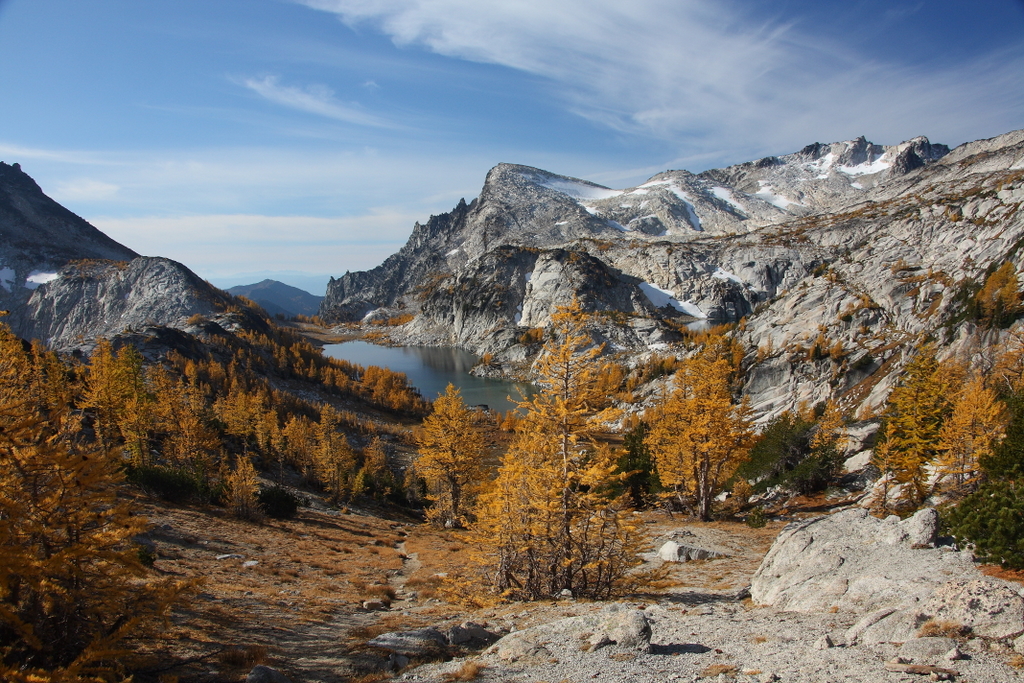
Located in the Cascade Mountains, The Enchantments were once a grueling “insider” trek for serious backpackers. In 2026, it is arguably the most difficult permit to secure in the United States. The Forest Service reports that the odds of winning a core zone permit are now less than 1%, as over 40,000 people apply for a handful of slots. The “hidden” alpine lakes are now so famous on social media that the trail is suffering from significant soil erosion and human waste issues, leading to stricter enforcement and a “policed” feeling that contradicts the wilderness experience.
4. Joshua Tree, California: The Desert Disney World
Joshua Tree National Park has transitioned from a bohemian desert hideaway to a high-traffic “Instagram backdrop.” In early 2026, the park recorded its highest-ever January attendance, with lines at the entrance gates stretching for miles. The surrounding town has seen a “short-term rental” explosion, where 1 in 4 homes is now an Airbnb. This has not only priced out the local artist community but has turned the desert night sky—once a prime draw for stargazers—into a zone affected by the light pollution of sprawling desert “glamping” resorts.
5. Asheville, North Carolina: The “Blue Ridge” Bottleneck
Asheville’s reputation as a “hidden” mountain arts colony has been thoroughly dismantled by 2026. The city now consistently ranks as one of the top “overtourism” risks in the South. The Blue Ridge Parkway, once a scenic and lonely drive, now experiences “leaf-peeper” gridlock that lasts from September through November. Realtors note that the city’s infrastructure is struggling to support the 12 million annual tourists, leading to “locals-only” backlash and a dining scene where getting a table at a formerly “hole-in-the-wall” spot requires a month-long reservation.
6. Kanarra Falls, Utah: The Geotag Casualty
Kanarra Falls was once the “local alternative” to The Narrows in Zion National Park. It was a secret slot canyon that required no permits and offered total isolation. By 2026, it has become a “permit-only” zone with a strict daily cap. The falls became so popular on TikTok that the fragile slot canyon environment began to deteriorate, forcing the local municipality to take over management. While the permit system has saved the canyon from total destruction, the “discovery” of the falls has permanently removed it from the list of quiet, secret Utah gems.
7. Savannah, Georgia: The “Bachelorette” Takeover
Savannah’s historic district, known for its Spanish moss and quiet squares, has become the “Nashville of the South” for 2026. The city’s liberal open-container laws and “Instagrammable” aesthetics have made it a primary destination for large group travel. Residents report that the quiet, “haunted” charm of the city is being drowned out by “pedal pubs” and high-decibel party buses. The “hidden” cafes in the Starland District are now featured in every major travel magazine, leading to a permanent “tourist season” that gives the city no time to breathe.
8. Glacier National Park, Montana: The “Going-to-the-Sun” Gate
Glacier’s “Going-to-the-Sun Road” is one of the most beautiful drives in the world, but in 2026, it is a logistical gauntlet. The park has implemented a strict “vehicle reservation system” that sells out in minutes. Travelers who remember driving the road freely a decade ago are now met with checkpoints and “Lot Full” signs by 8:00 a.m. The “hidden” glacial lakes that require a hike are no longer a refuge, as the “conveyer belt” of hikers on trails like Highline has reached a point where “wilderness” is a term used loosely.
9. Tulum-Lite (Gulf Coast, Florida): The Vanishing Coastline
For years, certain pockets of the Florida Panhandle and Gulf Coast were seen as “Tulum-lite”—quiet, white-sand escapes without the Miami prices. In 2026, that “undiscovered” status is gone. Towns like 30A and Destin have seen a 35% increase in seasonal populations, turning small beach roads into parking lots. The “hidden” spring-fed rivers nearby, like the Weeki Wachee, are now so crowded with kayaks and paddleboards that local authorities have had to ban “vessel launching” in certain zones to protect the manatee populations from the sheer volume of tourists.
Leave a Reply