
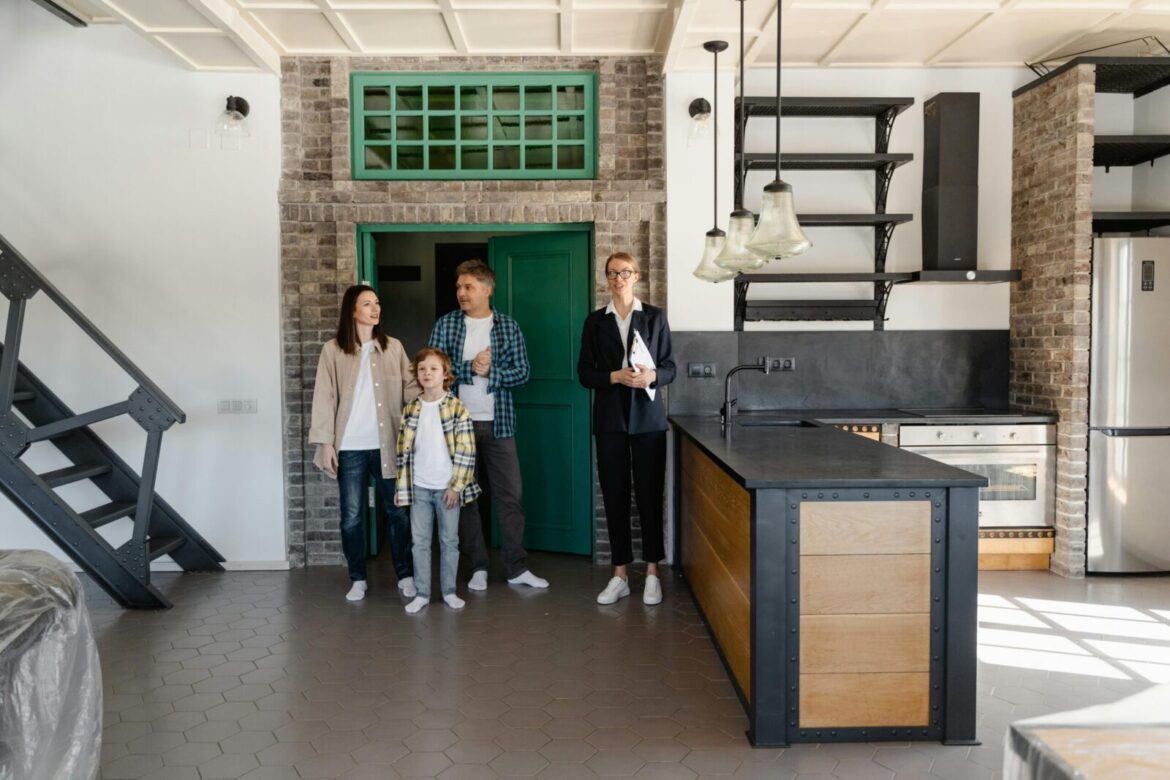
As the 2026 real estate market finds its footing, the “must-have” features of the early 2020s are quickly becoming the deal-breakers of today. Buyers are no longer chasing the temporary high of a viral trend; instead, they are prioritizing long-term livability, wellness, and ease of maintenance. When a home hits the market today, realtors report that certain features are acting as “value anchors,” dragging down prices as buyers mentally calculate the cost of a renovation before they even reach the kitchen.
Here are the eight once-popular home features that realtors say buyers are now actively rejecting.
1. The “Choppy” Closed-Plan Layout
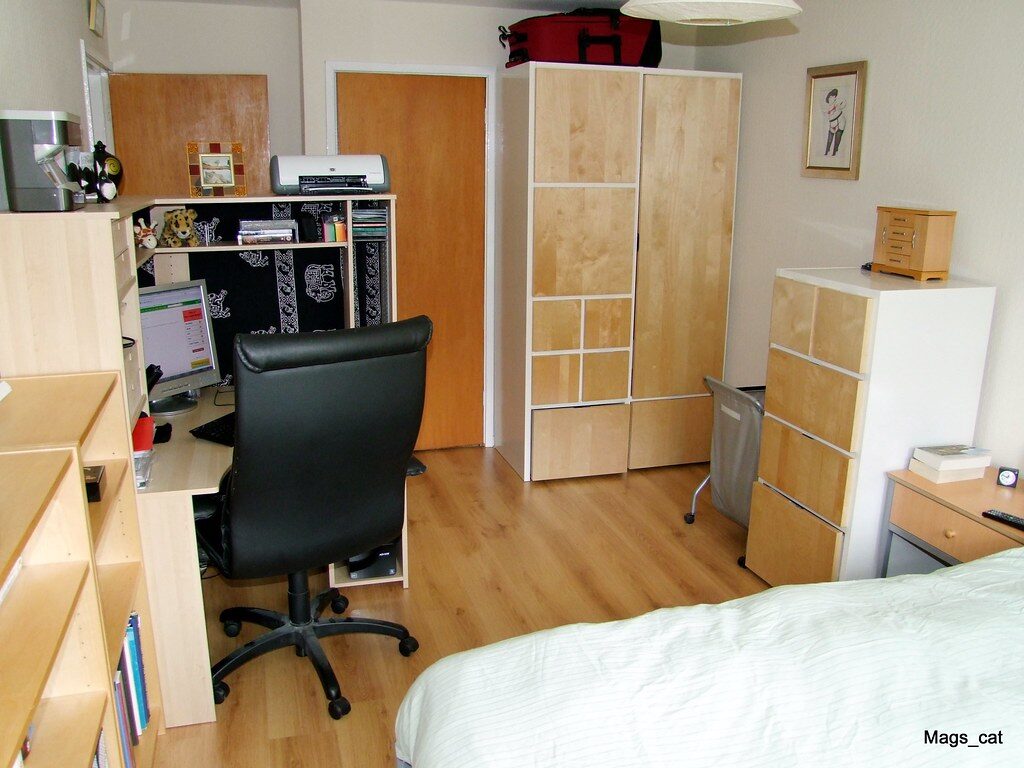
While there was a brief moment where people missed the privacy of traditional rooms, the verdict for 2026 is clear: buyers view a closed-off floor plan as a significant financial liability. When high-traffic areas like the kitchen and living room are separated by heavy walls, modern shoppers don’t see historic charm, they see “projects” that require expensive structural beams and electrical rerouting. Realtors note that homes with many small, compartmentalized rooms feel dark and dated, making it difficult for families to envision the fluid, multi-use lifestyle they now demand.
2. Sterile “Millennial Gray” and Ultra-White Interiors
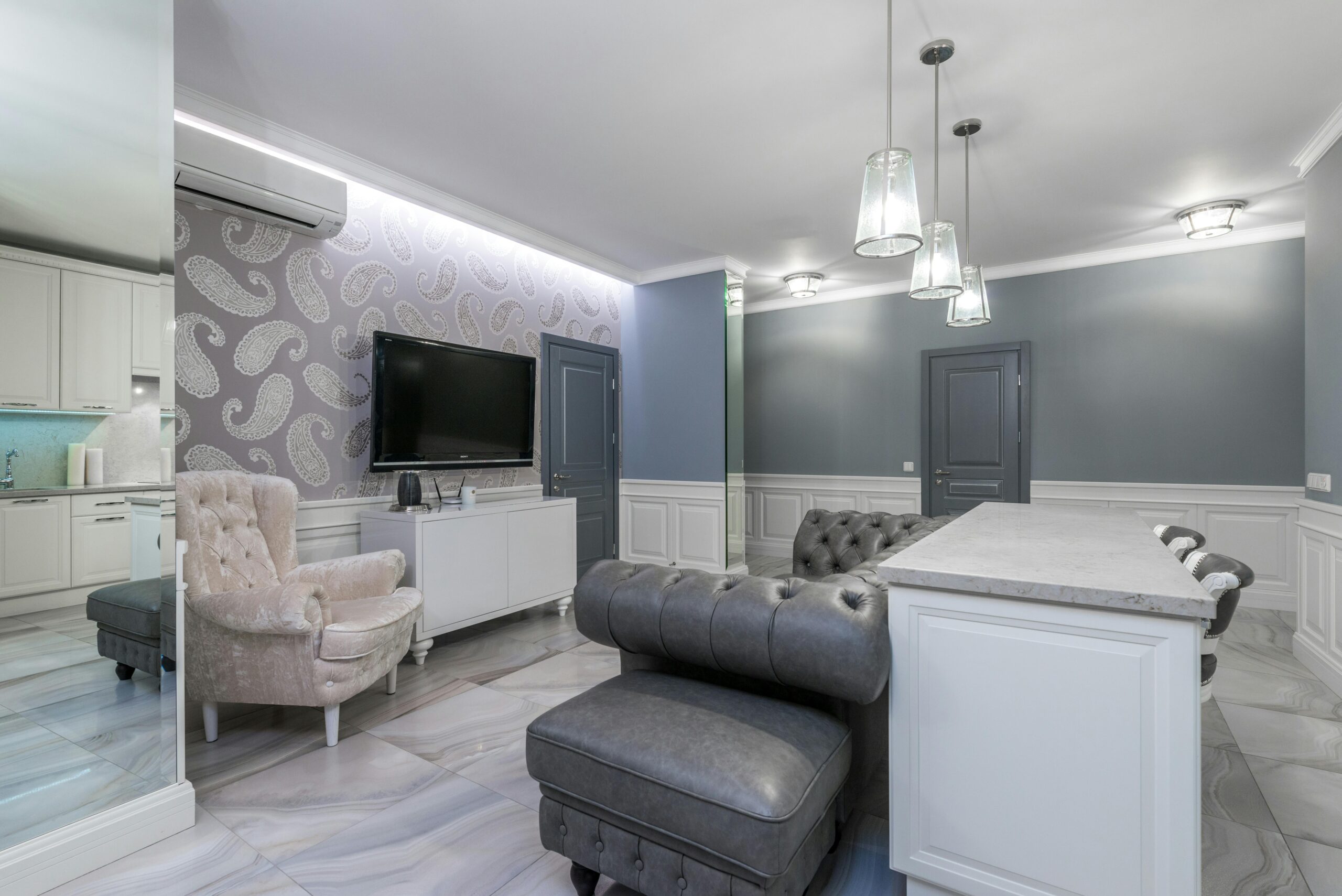
The era of the “hospital-grade” home is officially over, as buyers are now rejecting the cold, clinical look of all-white or all-gray interiors. These stark palettes, which once symbolized a clean and modern slate, are now seen as uninspired and lacking in personality. According to market experts, homes with these “safe” colors are sitting on the market significantly longer than those featuring warm, earthy neutrals like mushroom, terracotta, and olive green. Buyers in 2026 are looking for homes that feel cozy and grounded, trading the “shades of gray” for a palette that feels connected to the natural world.
3. Wall-to-Wall Carpeting
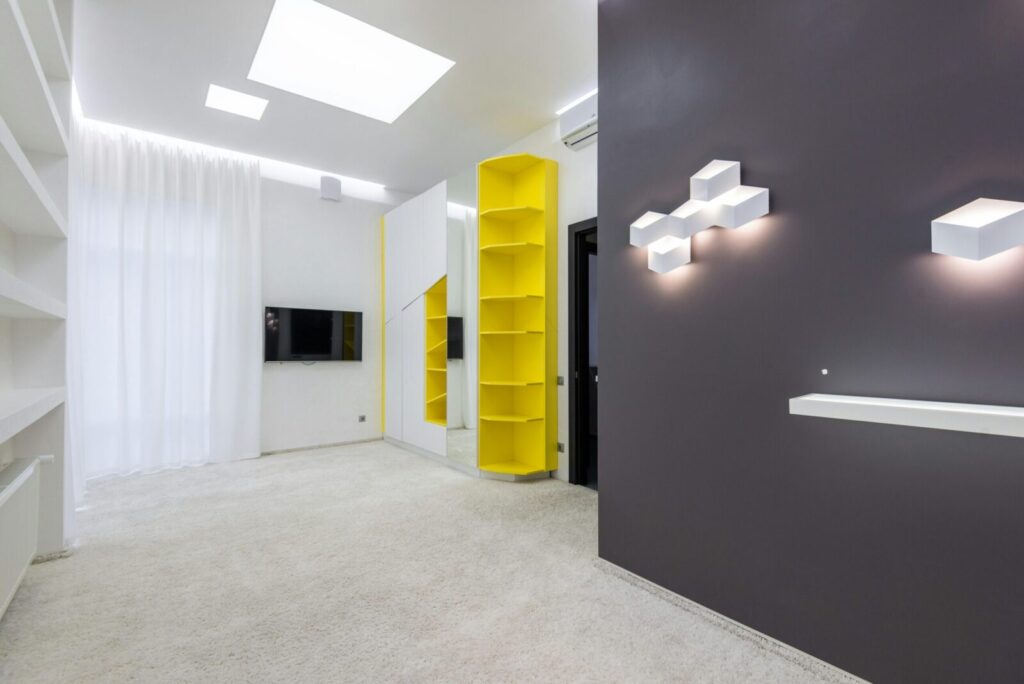
In a post-wellness-boom market, wall-to-wall carpeting is increasingly viewed as a hygiene risk rather than a comfort feature. Buyers are now prioritizing healthy home environments, and they often see existing carpet as a “pet and allergen trap” that must be ripped out immediately upon closing. Real estate pros report that even brand-new, high-end carpeting can lower a home’s perceived value compared to hard surfaces like luxury vinyl plank or hardwood. The modern preference is for clean, hard-surface flooring that can be personalized with area rugs, which are far easier to clean and replace.
4. Over-the-Top Smart Home Complexity
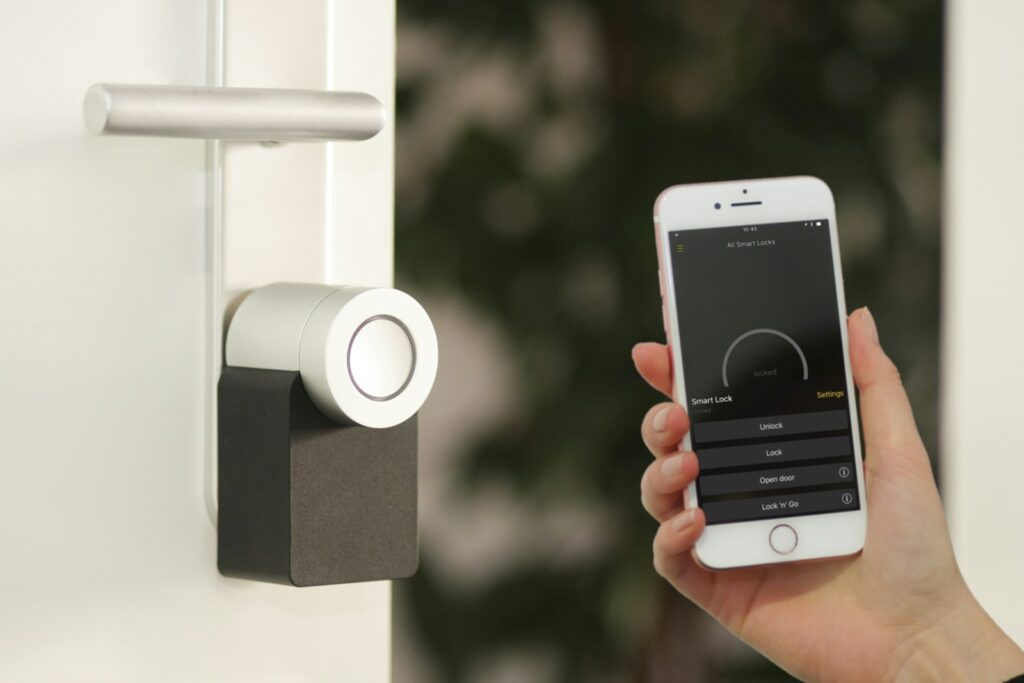
There is a growing “tech fatigue” among 2026 homebuyers who are pushing back against overly complex home automation systems that require constant management. While basic smart features like thermostats and security cameras remain popular, buyers are rejecting custom, one-of-a-kind systems that are difficult to learn or likely to become obsolete in a few years. Realtors warn that high-end stereo systems, proprietary lighting boards, and “smart” appliances with glitchy screens are often seen as maintenance headaches rather than upgrades. The new luxury is “invisible tech”, features that work quietly in the background without needing a dedicated app for every lightbulb.
5. Busy, High-Maintenance Granite Countertops
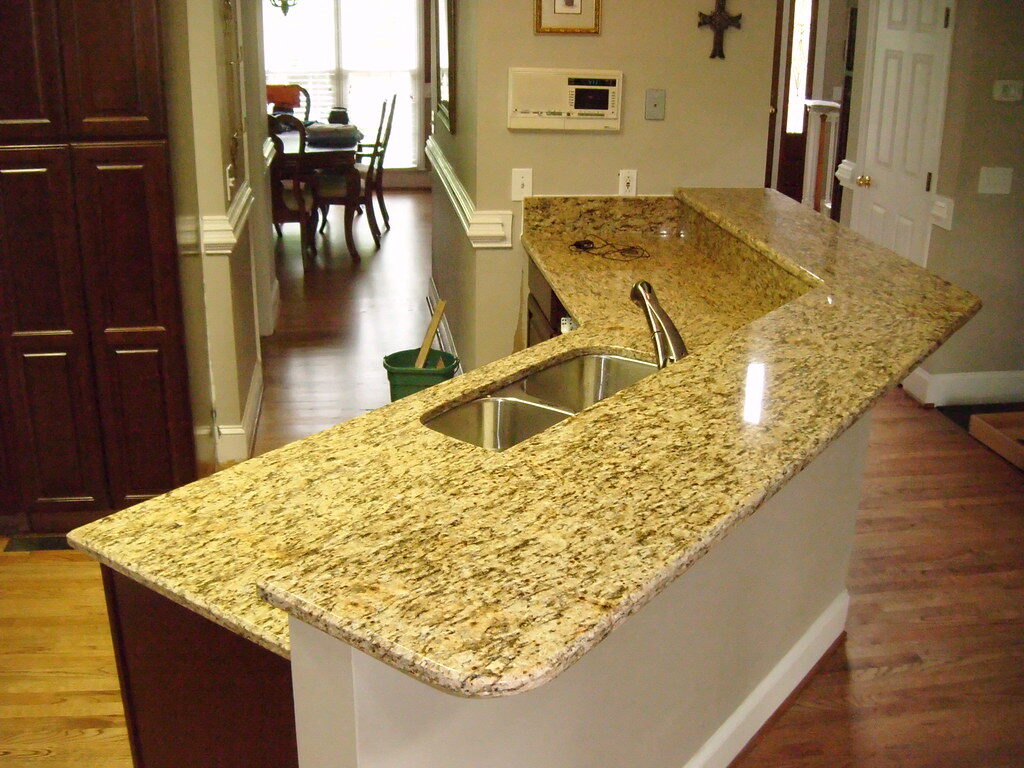
Once the undisputed king of luxury renovations, the speckled and busy look of traditional granite is now considered a “dated” indicator of a 2000s-era kitchen. Buyers in 2026 are gravitating toward the “quiet luxury” of solid-surface materials like quartz or large-vein porcelain that offer a cleaner, more harmonious look. Beyond the aesthetics, the requirement to seal natural stone annually is a chore that today’s low-maintenance homeowners are happy to avoid. When a kitchen features dark, busy granite, buyers often view it as a primary candidate for a costly countertop replacement.
6. Giant, Unused Garden Tubs
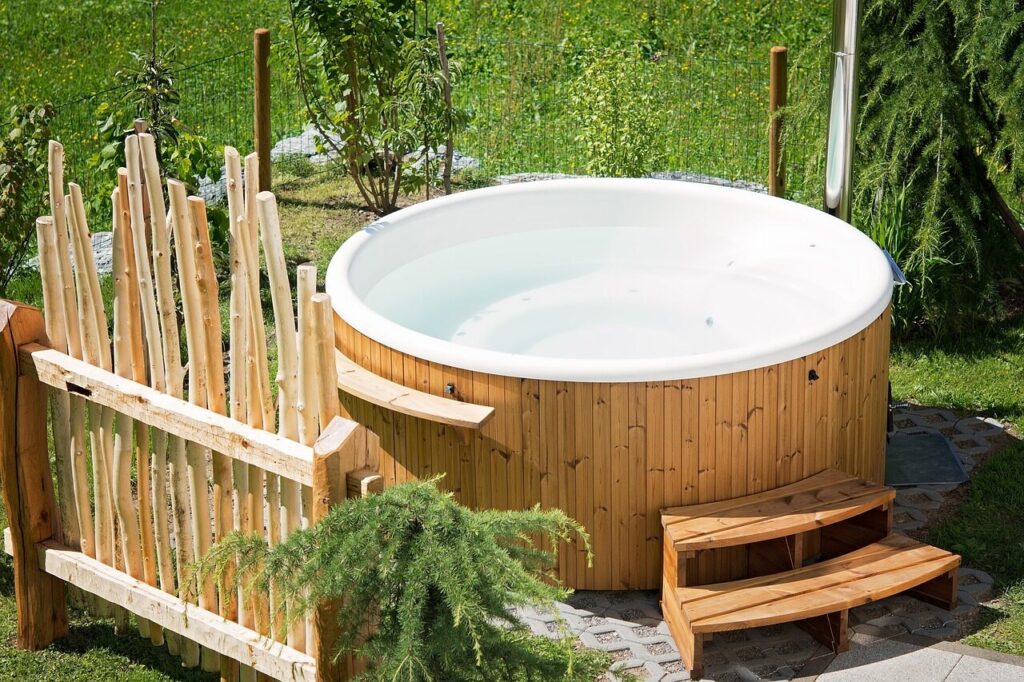
The massive, space-consuming garden tub that sits in the corner of the primary suite has officially lost its luster. Realtors report that modern buyers would much rather have that square footage used for a larger, spa-inspired walk-in shower with multiple heads or additional storage. These oversized tubs are now viewed as “dust collectors” that take too long to fill and consume too much water, making them an eco-liability. In the 2026 “wellness” bathroom, the focus has shifted from soaking in a giant plastic basin to the efficiency and luxury of a high-end shower experience.
7. Permanent Bold Wallpaper
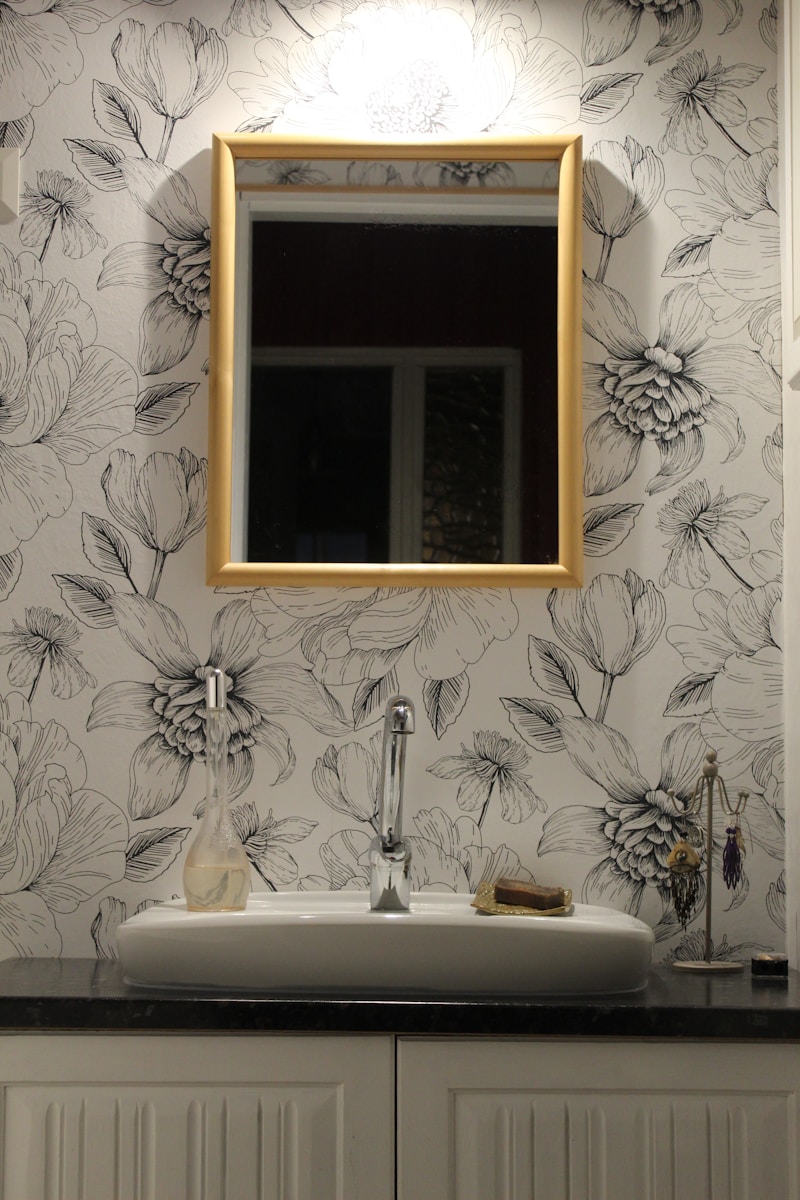
While the “grandmillennial” and “maximalist” trends brought wallpaper back into fashion, permanent, high-impact wallpaper is a major turn-off for move-in-ready shoppers. Real estate agents note that while bold patterns look great in photos, they dictate a very specific style that rarely matches a buyer’s personal furniture. The labor-intensive process of steaming and scraping old paper is a project that many buyers simply do not want to inherit. Even if the paper is high-quality, sellers are often advised to strip it in favor of a neutral paint job to avoid the “renovation fatigue” that sinks a sale.
8. Dark and Heavy Wood Finishes
The heavy, dark cherry and espresso wood finishes that dominated kitchens and bathrooms for years are now being rejected in favor of lighter, natural tones. Dark cabinetry tends to absorb light, making even large kitchens feel cramped, dull, and less welcoming to prospective buyers. In 2026, the trend has shifted toward “blonde” woods, rift-sawn oak, and painted cabinetry in soft, earthy hues. Buyers want spaces that feel airy and expansive, and heavy dark wood is increasingly seen as a visual weight that makes a home feel decades older than its actual age.
Leave a Reply